Noticing less traffic than usual? It’s time to look at your answer engine optimization.
In this blog, Karen Devlin, VP of SEO & GEO, will cover what is happening with AEO vs SEO, how it’s affecting your organic web traffic, and what you can do to reclaim the traffic you’ve lost.
What You’ll Learn:
- Why Traffic is Shifting
- AEO vs SEO vs GEO
- How AI Affects Traffic
- Best Solutions for AI Visibility
- Best Practices for Answer Engine Optimization Success
- Common Mistakes to Avoid
- AEO Tools and Resources
- FAQs
Expert Opinion on Answer Engine Optimization
People want answers, and they want them quickly.
Answer Engine Optimization (AEO) is the strategy of optimizing content to be directly cited by AI engines like ChatGPT or voice assistants, rather than just ranking high in search results.
Unlike traditional SEO, which focuses on driving clicks, AEO aims to make your content the authoritative answer that AI systems provide to users’ questions.
This isn’t a trend you can ignore. To succeed, businesses must optimize content with clear, concise answers, structured data, and schema markup to ensure AI can find and trust them as reliable sources.

Why Traffic is Shifting
The internet has changed. People aren’t sifting through pages of SERP results. Instead, they’re turning to AI assistants to answer questions directly. No links needed. No websites required.
AI assistants give instant answers. When someone asks Siri or Alexa about store hours, they aren’t given a list of websites to click through. They’re given an answer and the conversation ends.
Even in traditional searches, AI is making its mark. Just look at Google’s AI Mode and the AI Overviews at the very top of search results. They gather information from multiple sources and present it in a concise paragraph. Why would anyone scroll down to click a link when the answer is already there?
Voice search demands immediate responses. People ask questions while driving, cooking, or walking. They can’t click links. They need answers spoken back to them. If your content isn’t structured for voice, you’re going to lose that traffic.
Mobile users want speed above all. Nobody wants to tap a link, wait for a page to load, scroll through ads, and hunt for information. AI gives them the answer in two seconds – no clicks necessary.
The numbers don’t lie. Studies show that zero-click searches now make up almost 30% of all Google searches. That’s a lot of searches that are going by without a single click. That’s also a lot of potential customers who might not be exposed to your content if you don’t optimize content for answer engines.
AEO vs SEO vs GEO
What is answer engine optimization, exactly? Let’s break down the differences. SEO, AEO, and GEO each play different roles in the digital landscape.
- Search Engine Optimization, or SEO, gets your website to rank high in search results.
- Answer Engine Optimization, or AEO, gets your content chosen as the answer AI provides.
- Generative Engine Optimization, or GEO, optimizes for AI-generated content experiences.
Here’s how they stack up:
| Aspect | SEO | AEO | GEO |
| Purpose | Rank high in search results | Become the cited source | Optimize for AI-generated responses |
| Target | Search engine algothrims | AI answer engines and voice assistants | Generative AI models (ChatGPT, Microsoft CoPilot, etc.) |
| Typical Outputs | Blue links, organic listings | Featured snippets, voice answers, AI citations | AI-generated summaries, conversational responses |
| Example Queries | “Best pizza near me” | “What are the benefits of mediation?” | “Explain blockchain in simple terms.” |
Understanding AEO vs SEO matters. They’re not enemies, but more like partners. You need all of them to work together. Think of it this way: SEO gets you discovered. AEO gets you cited. GEO ensures AI models know you exist.
The emerging trends in answer engine optimization 2025 show that these strategies are blending. Businesses must optimize for traditional search AND AI-powered answers. It’s not either-or anymore. It’s both.
How AI Affects Traffic
The fundamental problem facing businesses today is that AI doesn’t send traffic to your website. It keeps users in the conversation.
Think about it. Someone asks ChatGPT, “Does Joe’s Diner have gluten-free options?” The AI responds: “Yes, Joe’s Diner offers gluten-free bread and pasta. They also have a dedicated gluten-free menu.” The user got their answer, without ever visiting Joe’s Diner’s website.
AI surfaces business details directly. Menus appear in chat windows. Prices get quoted in AI responses. Store hours show up without clicking anything. FAQs get answered conversationally. All the information lives inside the AI interface.
This creates a visibility problem. Your business can be mentioned without getting the click.
But here’s the thing: being cited is better than being invisible. If AI doesn’t know about your gluten-free options, it won’t mention you at all. Your competitor gets the mention instead, and you lose out on both the click and the customer.
The best answer engine optimization for enhancing AI visibility means feeding AI the right information. Structure your data so machines can read it. Write your content so AI can sift through it, and make your answers clear, direct, and machine-friendly.
When you optimize content for answer engines, you don’t just hope AI finds you. You make yourself impossible to ignore. You become the authoritative source AI trusts and references repeatedly.
Step-By-Step: Best Solutions for AI Visibility
Ready to reclaim your traffic? Here are the best solutions for AI visibility that actually work.
1. Write FAQs in Q&A Format
This is the easiest win. Create a FAQ page with direct questions and concise answers. Use natural language and write questions the way real people ask them.
Bad example: “Many customers often wonder about our return policy, and we’re happy to explain that we have a customer-friendly approach to returns that…”
Good example: “What is your return policy? You can return any item within 30 days for a full refund. Items must be unused with original tags.”
See the difference? The second version is clear, scannable, and perfect for AI to grab and quote.
2. Use Structured Data and Schema Markup
Schema markup is code that helps search engines understand your content. It tells AI exactly what information means. Is that number a price? A phone number? Store hours?
For menus and services: Use Menu schema. It labels each dish, price, and description. AI can pull this data instantly.
For local businesses: Use LocalBusiness schema. Include your name, address, phone, hours, and services. Make it easy for AI to find and cite.
For FAQs: Use FAQPage schema. It structures your questions and answers in a way AI engines love.
You don’t need to be a coder. Tools like Schema.org provide generators. Plugins like Yoast SEO or Rank Math automatically add schema. Even Google’s Structured Data Markup Helper walks you through it.
This is AEO in SEO at its finest. You’re optimizing for both traditional search and AI-driven answers with a single action.
3. Keep Specials and Promotions Simple
AI can’t read through complex marketing jargon. Saying something like “join us for a spectacular summer soirée featuring artisanal delights” means nothing to a machine.
Instead, write: “Summer special: 20% off all sandwiches. Valid June 1-30.”
Update promotions regularly with clear, easy-to-read copy, specific dates, accurate percentages, and straightforward terms. Flowery language or corporate jargon can easily be ignored or misinterpreted by both AI and your intended customer.
Best Practices for Answer Engine Optimization Success
Here are some of the best tips for answer engine optimization in AI.
- Use structured content everywhere. Headers, lists, tables, and bullet points help AI parse your information. Just like human readers hate to see walls of text, so do machines. Instead, break your content into digestible chunks.
- Implement schema markup site-wide. Don’t just add it to one page. Your homepage, services, products, FAQs, and blog posts should all have appropriate schema that signals authority to AI engines.
- Write in Q&A format. Think like your customer. What questions do they ask? Answer those questions directly – one question, one clear answer.
- Use conversational language. People don’t ask, “Italian restaurant operating hours Chicago.” They ask, “What time does the Italian place close?” Write for real human speech patterns.
- Update content regularly. Fresh content signals relevance. AI engines prioritize recently updated sources. Set a schedule to review and refresh your FAQs, menus, and service pages quarterly.
- Optimize for mobile and local intent. Most AI queries come from mobile devices. Many have local intent. Make sure your business information is accurate across Google Business Profile, Yelp, and other directories. AI pulls from these sources.
- Create topic clusters. Build pillar content around major topics. Link related articles together. This creates a knowledge base AI recognizes as authoritative.
These emerging trends in AEO 2025 show that consistency beats perfection. You don’t need to overhaul your entire site overnight. Instead, start small by optimizing one section, then move on to another. Before you know it, you’ll be building momentum that you, AI search bots, and your audience will notice.
Common Mistakes to Avoid
Even with good intentions, businesses mess up AEO. Here’s what to avoid.
- Keyword stuffing ruins everything. AI engines detect unnatural language. Repeating “answer engine optimization” fifteen times in one paragraph looks desperate. Write naturally and let your keywords flow through your content.
- Long-winded answers lose AI’s attention. If your FAQ answer is three paragraphs, you’ve already lost. AI wants the answer in 1-2 sentences max. Get to the point fast.
- Missing schema is a killer. You can write perfect content, but without schema markup, AI might miss it entirely. Schema is the label that says, “This is important. This is structured. Pay attention.”
- Ignoring mobile intent costs you. Voice searches are mobile. Local searches are mobile. If your site isn’t mobile-friendly, AI won’t prioritize it.
- Forgetting local optimization is a mistake. Many AI queries have local intent. “Near me” searches dominate. If your Google Business Profile is incomplete or inconsistent, AI can’t confidently cite you.
- Treating AEO like SEO backfires. They’re related but different. SEO chases rankings. AEO chases citations. Don’t obsess over keyword density. Focus on clarity and structure.
Avoid these pitfalls, and you’re already ahead of most businesses that are still treating content like it’s 2015.
AEO Tools and Resources
You need the right AEO tools to succeed. Here is a comprehensive list of some of the best.
SEMrush
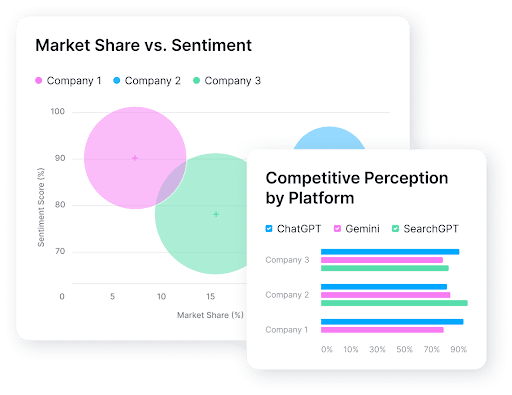
SEMrush offers content optimization features. It analyzes how well your content answers specific queries and suggests questions to target. It can also track your visibility in featured snippets, which AI engines often pull from.
AlsoAsked
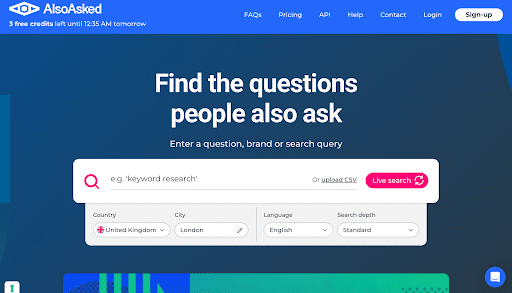
AlsoAsked shows you related questions people ask. When you type in your main topic, it will generate a visual map of questions. Use these questions to build your content around. Doing this will help you cover exactly what users want to know.
Schema.org
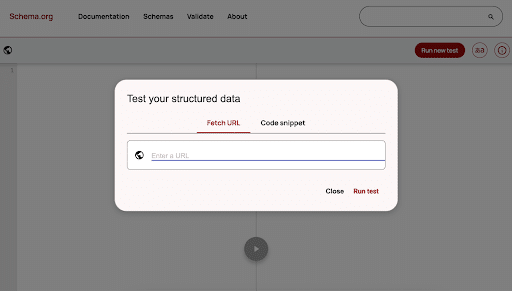
Schema.org is your schema markup manual. It provides documentation and examples for every schema type. There is even a tool that will test and validate any schema you’ve added to your website.
ChatGPT
ChatGPT for testing is brilliant. Ask ChatGPT questions about your industry. See what it says. If it doesn’t mention you, ask why. Then optimize your content based on the gaps you discover.
Google’s Rich Results Tests
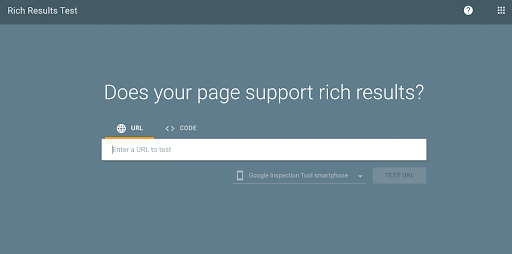
Google’s Rich Results Test verifies that your schema markup is functioning correctly. Simply paste your URL into the tool, and it will display the rich results for which you’re eligible. It will also alert you to errors that need to be fixed.
Yoast SEO or Rank Math
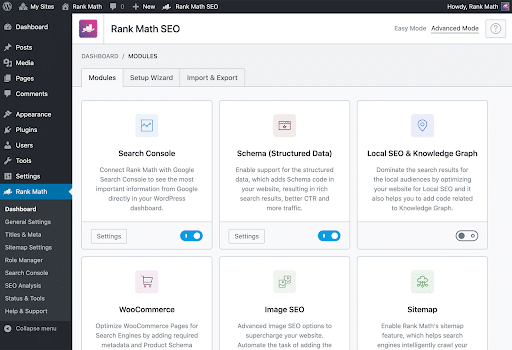
Yoast SEO or Rank Math plugins automatically add schema if you’re using WordPress. They’re beginner-friendly and easy to use, even if you don’t have advanced coding skills.
As you work through optimizing your content, don’t be afraid to use these tools regularly. As you do, always remember to track your progress and adjust your strategy based on what works. AEO isn’t set-it-and-forget-it. It’s an ongoing process.
FAQs
1. What is Answer Engine Optimization (AEO)?
Answer Engine Optimization, or AE, is the practice of optimizing content to be selected as the direct answer by AI engines and voice assistants. Unlike traditional SEO, which focuses on rankings, AEO focuses on being cited as the authoritative source in AI-generated responses.
2. How does AEO differ from SEO?
SEO aims to rank your website high in search results to get clicks. AEO aims to have your content chosen as the answer AI provides directly, which may not generate a click but increases brand authority and visibility in AI-powered search experiences.
3. Why is my website losing traffic from AI search?
AI search engines answer questions directly, eliminating the need for users to click through to websites. When AI provides complete answers in the search interface, users get the information they need without visiting your site, resulting in fewer clicks and lost traffic.
4. What schema markup is best for FAQs?
FAQPage schema is best for FAQs. It structures each question and answer pair so search engines and AI can easily identify and extract them. Use question and answer properties within the FAQPage schema to mark up each Q&A pair clearly.
Optimize Your Content for AI with Ignite Visibility
Answer engine optimization isn’t optional anymore. It’s survival. AI is changing how people find information. Your content needs to speak AI’s language.
Whether you’re a franchisor with hundreds of locations or a small business in a popular city, let our experts help you combine SEO and AEO to create a strategy where everyone wins.
Ready to reclaim your lost traffic? Request a free demonstration from Ignite Visibility today!