


Sometimes, you just need to get super zoned in on one particular area. That’s where hyperlocal marketing comes in!
In this blog, Carlos Rosado, SEO Director, Franchise, will go over how this proximity-based approach transforms how businesses connect with customers at critical decision moments, delivering relevant messaging exactly when and where purchase decisions are being made.
What You’ll Learn:
- What is Hyperlocal Marketing?
- How Hyperlocal Works in Google & Maps
- 10 Proven Hyperlocal Tactics
- Content Architecture for Multi-Location Brands
- Governance, Brand Safety & Compliance
- FAQs About Hyperlocal Marketing
My Expert Opinion on Hyper Local Marketing
Mobile searching and “near me” searches are becoming more popular, and hyperlocal marketing is filling that void left by traditional digital marketing.
The most successful campaigns balance technological precision with authentic community engagement. It’s not just about appearing in local searches but becoming genuinely integrated into neighborhoods and communities.
As more consumers are looking for convenience and quick purchases, we’re seeing multi-location brands shift significant budgets from broad awareness campaigns to hyperlocal initiatives.
While this can be incredibly lucrative, to do it successfully, you have to lean into the idea of predictive engagement: anticipating customer needs based on historical location patterns and preemptively delivering personalized offers before the local search even happens. Businesses that master this approach can capture immediate sales opportunities that others miss entirely.
What is Hyperlocal Marketing?
Hyperlocal marketing is a type of marketing that targets potential customers in a highly specific, geographically restricted area, often just a few blocks or streets, rather than an entire city or region.
To illustrate this concept simply, traditional local marketing might target everyone in Boston, while hyperlocal marketing strategies targets people specifically in Boston’s North End neighborhood.
Consider this real-world example that defines hyperlocal marketing: A café in downtown Seattle uses geofencing to send push notifications about their two-hour lunch special to smartphone users within a 500-meter radius during the 11 AM hour. Rather than broadly advertising to the entire metropolitan area, they’re precisely targeting hungry office workers within immediate walking distance during decision-making moments.
How Hyperlocal Works in Google & Maps
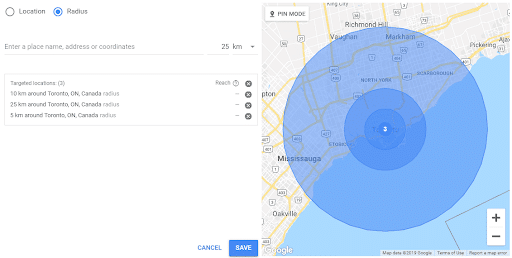
Google’s ecosystem is a key tool in your business’s hyperlocal marketing success. Understanding how Google interprets and displays location-based information is crucial for all hyperlocal marketing strategies.
Google Business Profile is a key hyperlocal marketing platform. When properly optimized, your profile will feed your business information to Google and directly influence when and where your business appears in local search results and maps.
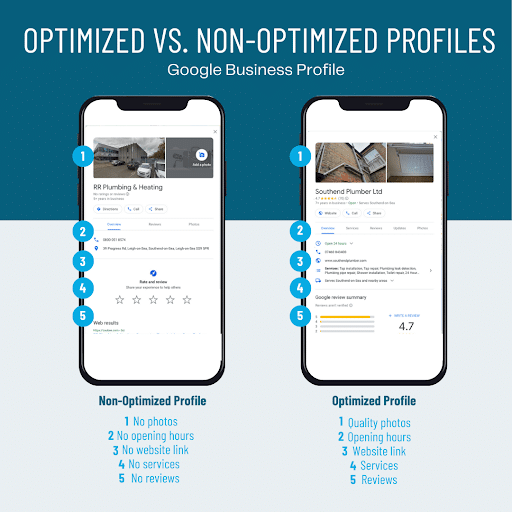
Key elements that influence hyperlocal visibility include:
Proximity
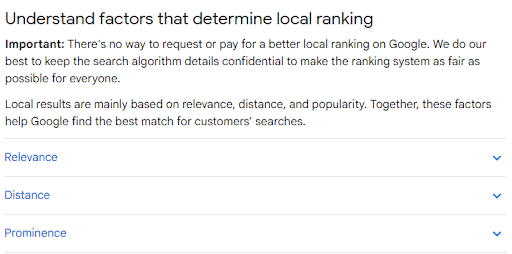
Google’s algorithm takes proximity into account by looking at the physical distance between the searcher and your business location. For searches with local intent, this factor works alongside relevance and popularity to determine which businesses show up first, with nearby options often given preference when all else is equal.
Google Maps Pack
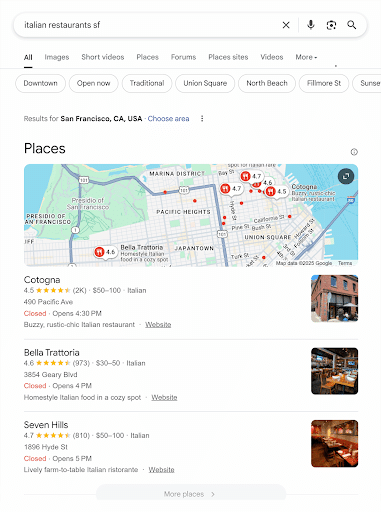
The coveted “3-pack” displays the three most relevant local businesses to “near me” searches. Appearing here can dramatically increase foot traffic and hyperlocal conversions.
Local Search Signals
Google evaluates your business based on numerous hyperlocal relevance factors, including category selection, keyword optimization in business descriptions, review quantity and quality, and consistent NAP (Name, Address, Phone) information across the web.
Mobile Search Prioritization
With the majority of local searches occurring on mobile devices, Google emphasizes mobile-friendly content and local business information that facilitates immediate action (directions, calls, etc.).
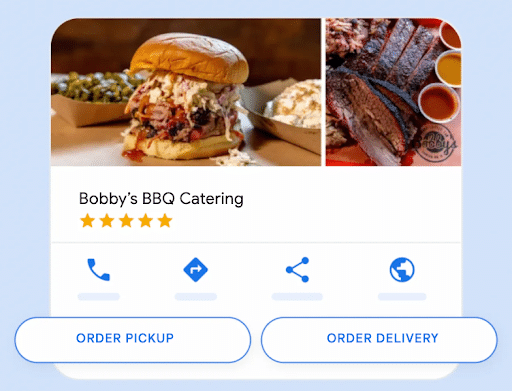
For effective hyperlocal visibility, businesses must maintain accurate business hours, respond promptly to reviews, regularly post updates, and ensure consistent location information across all platforms. Google’s local algorithm rewards active management with improved visibility in hyperlocal search results.
Identify Hyperlocal Intent: User Journey Mapping
For hyperlocal marketing to be effective, you must understand the specific moments when consumers are likely to search for your business. Understanding their intent will help you better optimize your content based on specific search behaviors that indicate immediate needs.
Here are some common hyperlocal search patterns to look for:
- “Near me” searches (“coffee shops near me,” “hardware store near me”)
- “Open now” queries indicating immediate need
- “[Service] in [specific neighborhood]” searches showing location-specific intent
- “Best [category] within walking distance” shows a preference for proximity
- Action-oriented queries: “book hair appointment today,” “order pizza delivery”
These searches can be mapped to Google’s micro-moment framework into four categories:
- Know Moments: Informational searches with local relevance, “best Italian restaurant in Tribeca reviews”
- Go Moments: Navigation-focused searches indicating intent to visit a physical location, “directions to nearest urgent care”
- Do Moments: Action-oriented searches for local activities or services, “book yoga class today downtown”
- Buy Moments: Purchase-intent searches for products with immediate fulfillment, “iPhone screen repair open now”
Once you understand these micro-moments, you can effectively align your content and advertising to match them. This will ensure that your business appears exactly when potential customers are searching for it.
For instance, a restaurant should focus on “dinner options near me” searches during evening hours, while a hardware store might prioritize visibility for emergency repair-related queries on weekends when most homeowners are working on their homes.
Core Playbook: 10 Proven Hyperlocal Tactics
Here are 10 proven hyperlocal marketing tips.
1. Google Business Profile Optimization
Why it works: Your Google Business Profile directly influences your appearance in local search results, maps, and the coveted local pack.
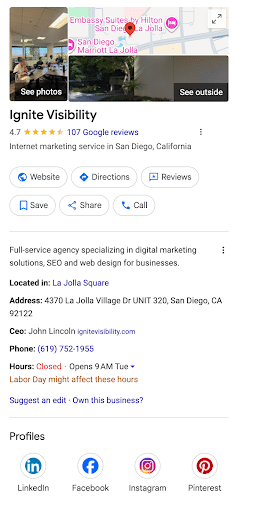
How to do it: Claim and verify your Google Business Profile page. Optimize it by selecting precise primary and secondary categories, maintaining accurate hours, uploading high-quality photos weekly, responding to all reviews within 24 hours, and publishing regular posts with hyperlocal keywords and timely offers.
Metrics to watch: Profile views, direction requests, website clicks, phone calls, messaging interactions, and photo views compared to competitors.
2. Hyperlocal SEO Implementation
Why it works: Hyperlocal SEO targets neighborhood-specific search terms that indicate high purchase intent. It will help enable you to capture customers at the moment they’re searching for your products or services.
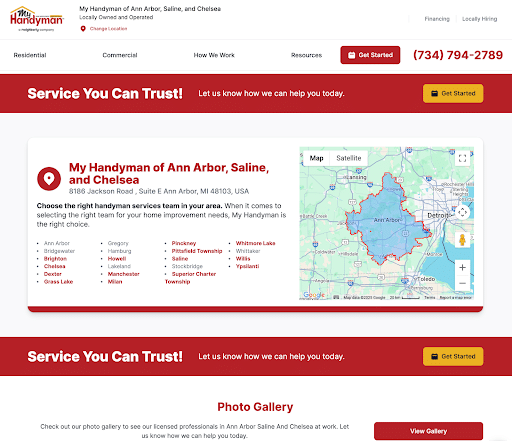
How to do it: Create neighborhood landing pages with unique content, incorporate hyperlocal keywords (neighborhood names, landmarks, local events), build local backlinks from community organizations, and maintain consistent NAP information across all platforms.
Metrics to watch: Ranking positions for neighborhood keywords, organic traffic to location pages, bounce rate on location content, and conversion rates from hyperlocal search visitors.
3. Geofencing and Location-Based Advertising
Why it works: Geofencing delivers targeted advertisements to mobile users when they enter a specified geographic area. It allows for real-time marketing to potential customers in your immediate vicinity.
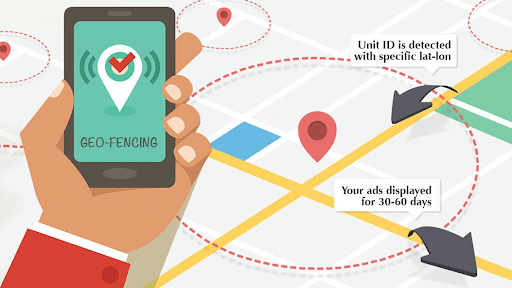
How to do it: Define precise geographical boundaries, create compelling location-specific offers, set appropriate time parameters (business hours or peak times), and develop a clear call-to-action that encourages immediate visits.
Metrics to watch: Impressions within geofence, click-through rate, store visit rate, cost per visit, and conversion lift compared to non-geofenced campaigns.
4. Local Inventory Ads and Local Shopping
Why it works: Local inventory ads connect online product searches with in-store availability, capturing customers who want immediate fulfillment rather than waiting for shipping.
How to do it: Integrate your inventory management system with Google Merchant Center, maintain accurate stock levels, highlight “in-store pickup” options, and include microcopy about immediate availability.
Metrics to watch: Store visits after ad views, in-store pickup rate, product page views to store visit ratio, and revenue from “buy online, pickup in store” customers.
5. Hyperlocal Content Marketing
Why it works: Neighborhood-specific content establishes your business as a community fixture, providing valuable information that addresses local queries.
How to do it: Create neighborhood guides, leverage local events in your content calendar, highlight community partnerships, and showcase customer stories with hyperlocal relevance.
Metrics to watch: Engagement rates on hyperlocal content, social shares within community groups, time on page for neighborhood content, and branded search increases following content publication.
Want your business to get noticed? See how our content marketing services put you in the spotlight.

6. Location-Based Social Media Engagement
Why it works: Geo-targeted social media campaigns connect with users based on their current location, creating timely relevance that drives immediate action.
How to do it: Use platform-specific location targeting, create content around local events or weather conditions, engage with location-based hashtags, and leverage check-in functionality to reward in-store visits.
Metrics to watch: Engagement rate by location, click-through rate on geo-targeted posts, store visits attributed to social campaigns, and growth of followers within target neighborhoods.
7. Proximity-Based Email Marketing
Why it works: Location-aware email campaigns deliver personalized, timely offers based on subscribers’ physical proximity to your business locations.
How to do it: Segment email lists by zip code or neighborhood, trigger automated campaigns based on proximity data, personalize content with location-specific references, and include store-specific promotions.
Metrics to watch: Open rates by location segment, click-through rates on proximity offers, redemption rates of in-store promotions, and unsubscribe rates compared to non-localized emails.
See how our proximity-based email marketing drives clicks and conversions in your local area.
8. Hyperlocal Influencer Partnerships
Why it works: Neighborhood-level influencers with deeply engaged local followings and authentic community connections can be trusted to drive nearby foot traffic.
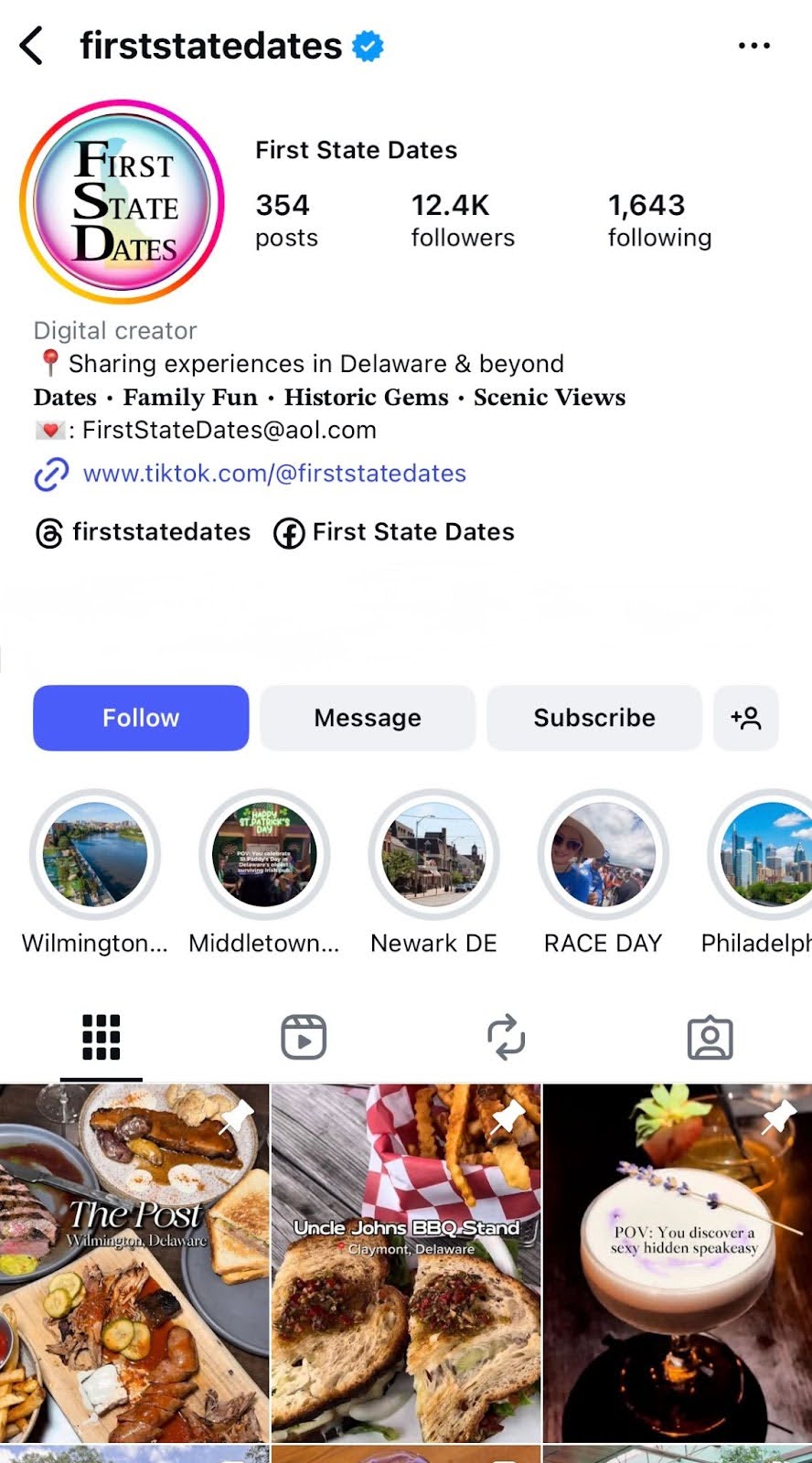
How to do it: Identify micro-influencers with hyperlocal audiences, develop collaborative content highlighting neighborhood relevance, create location-specific promotions, and leverage their insider knowledge for authentic positioning.
Metrics to watch: Engagement on influencer content, store visits attributed to partnerships, redemption of influencer-specific codes, and follower growth within target neighborhoods.
9. Neighborhood Partnerships and Community Engagement
Why it works: Active community participation builds authentic local brand presence while creating organic word-of-mouth among neighborhood residents.
How to do it: Sponsor local events, participate in neighborhood business associations, create cross-promotions with complementary local businesses, and develop community-focused initiatives that demonstrate commitment to the area.
Metrics to watch: Foot traffic during partnership promotions, social mentions from community organizations, branded search increases following events, and customer acquisition cost from community channels.
10. Location-Based Mobile App Features
Why it works: Mobile app functionality that responds to users’ locations creates personalized experiences, enhancing convenience and driving hyperlocal engagement.
How to do it: Implement store finders with detailed information, develop location-aware push notifications, create location-specific app experiences, and streamline in-app transitions to physical locations.
Metrics to watch: App opens by proximity, engagement with location-specific features, store visits initiated through the app, and retention rates of users who engage with location features.
Content Architecture for Multi-Location Brands
Developing an effective hyperlocal marketing strategy requires a structured approach that strikes a balance between brand consistency and neighborhood relevance. For multi-location businesses, this typically involves a hierarchical approach:
- Location Hub (example.com/locations): This parent page serves as the central navigation point for all location-specific content. It usually features an interactive map, search functionality, and filtering options.
- City Hubs: These pages target metropolitan-level searches with city-specific content and links to neighborhood pages. They should include city-wide promotions, testimonials, and service information relevant to the broader market.
- Neighborhood Pages: These pages target hyperlocal searches with highly specific content about your business in relation to the immediate area. Include neighborhood-specific testimonials, nearby landmarks, parking information, and location-specific offers.
- Individual Store Pages: The most granular level contains store-specific information, including unique amenities, staff profiles, store-specific events, and distinctive features of that particular location.
Critical considerations for multi-location content architecture include:
- Canonicalization: Implement proper canonical tags to prevent duplicate content issues when location pages share similar information.
- Unique Content Minimums: Each location page should contain at least 250-300 words of unique content that specifically references the neighborhood and location-specific details.
- Media Guidelines: Incorporate location-specific graphics and images that show the actual storefront, interior, staff, and surrounding neighborhood to build authenticity and improve user experience.
- Schema Markup: Implement local business schema for each location to enhance search visibility and provide search engines with structured location data.
Governance, Brand Safety & Compliance
Don’t get so wrapped up in perfecting your hyperlocal marketing strategy that you forget about regulatory considerations and brand governance. Paying attention to these two things will help keep your brand in legal compliance while still providing a consistent customer experience.
- FTC Endorsement Guidelines: Hyperlocal influencer partnerships must adhere to FTC disclosure requirements with clear identification of sponsored content
- Data Privacy for Geo-Targeting: Location-based marketing must comply with privacy regulations, such as the GDPR and CCPA. Implement explicit opt-in procedures for location tracking, provide clear privacy policies regarding location data usage, and ensure data minimization practices.
- Accessibility Requirements: Map embeds and location-based features must meet WCAG accessibility guidelines, including keyboard navigation, screen reader compatibility, and alternative text for map imagery.
- Photo Rights for Local Images: Ensure proper licensing for all neighborhood imagery, obtain appropriate releases for photos featuring customers or staff, and implement clear guidelines for user-generated content featuring your locations.
- Consistency Management: Develop location marketing guidelines that define acceptable localization while maintaining brand standards, including review processes for location-specific content.
- Franchise Compliance: For franchised operations, clearly delineate hyperlocal digital marketing responsibilities between corporate and franchise owners, establish approval workflows for location-specific campaigns, and provide compliant templates for local implementation.
Pitfalls to Avoid
Even well-intentioned strategies can run into some common mistakes. Here are some frequent hyperlocal digital marketing pitfalls to avoid:
- Boilerplate City Pages: Creating generic location pages with minimal customization beyond changing the city name triggers Google’s duplicate content penalties and fails to serve customer needs. Each location page requires a decent amount of unique content.
- Keyword Stuffing Neighborhood Names: Keyword stuffing creates a poor user experience and can trigger search penalties. Focus on natural integration of location terms.
- Purchased Reviews: Buying fake reviews violates platform policies and can result in business listing suspensions. Build authentic review generation processes instead.
- Inconsistent NAP Information: Contradictory business information across directories confuses both customers and search engines.
- Ignoring Secondary Business Categories: Select all applicable categories that accurately represent your services to increase the number of searches you show up for.
- Untracked GBP Links: Without proper UTM parameters on Google Business Profile links, you cannot accurately measure the performance of your hyperlocal marketing efforts. Implement consistent tracking across all location-specific channels.
- One-Size-Fits-All Approach: Applying identical hyperlocal strategies across different neighborhoods ignores critical demographic and behavioral differences. Develop location-specific approaches based on neighborhood characteristics.
By avoiding these common mistakes, your hyperlocal marketing strategy will deliver stronger results while building authentic connections with neighborhood customers.
FAQs About Hyperlocal Marketing
1. What is hyperlocal marketing?
Hyperlocal marketing is a type of marketing that targets potential customers in extremely specific geographic areas. It connects businesses with consumers who are in their immediate area, using tactics like geofencing, localized content, and proximity-based advertising. This precision approach focuses marketing resources on people who can quickly and easily visit your physical location.
2. How does Google rank local results?
Google ranks local results using three main factors: proximity (distance between searcher and business), relevance (how well a listing matches the search query), and prominence (business’s reputation and online visibility). Optimizing your Google Business Profile will help increase your chances of appearing in those hyperlocal search results.
3. Are “near me” pages still useful?
“Near me” pages are extremely useful, especially when properly implemented. Instead of stuffing your landing pages with “near me” keywords, focus on creating location-specific pages that incorporate natural language patterns people actually use when searching for products or services.
4. What’s the best way to measure hyperlocal success?
Measure hyperlocal success through a combination of online-to-offline metrics: store visit rate from digital touchpoints, direction requests, localized conversion tracking, and phone calls from location-specific pages. Track search visibility for neighborhood keywords and local pack appearances. Compare same-store sales during hyperlocal campaigns against baseline periods. Measure foot traffic attribution from location-based advertising and customer acquisition cost by neighborhood.
Get Hyperlocal with Ignite Visibility
Hundreds of independent and franchise businesses around the world have turned to us to improve their hyperlocal visibility and make them a mainstay in their communities. Whether you’re a dental practice looking for more patients or an auto shop wanting to make a local name for yourself, our experts have you covered.
Ignite Visibility can help you:
- Improve hyperlocal visibility
- Generate a content marketing campaign your audience will love
- Collect more positive reviews and testimonials
- And more!
Are you ready to become a community name?
