
One of the best tools to use for SEO is location landing pages, also known as geo pages. However, while multi-location and service-area businesses can benefit hugely from these pages, they only really work when genuinely useful and locally specific.Creating location-specific landing pages can help you connect with local audiences and move them down the sales funnel, potentially maximizing conversions with effective search engine optimization (SEO).
In this blog, VP of Development, Franchise, Mark Renehan, will explain what a location page is and how you can use it to boost your business’s organic traffic.
What You’ll Learn:
- What Are Location Pages?
- When Are the Best Times to Create Location Pages?
- Why are Location Landing Pages Essential for SEO?
- How to Create SEO-Friendly Location Pages
- Leveraging Geo-Analytics for Location Page Optimization
- Examples of Noteworthy Location Pages
- FAQs About Location Pages
TL;DR
Here’s what this guide covers, to sum things up:
- Location pages can significantly help SEO
- Create one page for each real location and service area if you have unique value for each
- Avoid cloned pages that can cause duplicate content issues
- Connect all pages to a corresponding Google Business Profile and add local proof
Now, let’s get into what these pages are and some tips for structuring geo-specific landing pages on a budget.
What Is a Location Page?
Also called geo pages, these are pages that contain details about a specific business location, including the address, phone number, services, and location-specific information.
It’s different from a service-area page in that it targets a particular physical location, while regional pages are broader and can target an entire area.
My Expert Opinion on Creating Location-Specific Landing Pages
When scaling a national-to-local business with multiple locations, a strategic combination of location pages and geo pages is essential. From my experience, location landing pages perform best when they speak to the unique characteristics of each city or town, while geo pages act as broader regional hubs, covering states, regions, or even an entire country.
The key is recognizing that no two locations are the same. Cultural nuances, local events, and community dynamics all influence how potential customers and franchisees engage with your brand. We’ve seen businesses that tailor content for these local distinctions experience stronger engagement and higher conversion rates than those that simply duplicate content across multiple pages.
Of course, these pages don’t exist in isolation. Optimizing them with a mix of SEO tactics (locally targeted keywords, structured content, internal linking, and review integration) can significantly increase both web and foot traffic.
According to a recent Annual Franchise Development Report from Franchise Update Magazine, one quick-service restaurant was able to develop a site that saw a 7.87% conversion rate, largely thanks to SEO-focused content, including locally targeted pages. Additionally, 53% of survey respondents found targeted, custom direct marketing to potential franchisees to be the most successful recruitment method.

What Are Location Pages?
Location pages, also sometimes referred to as geo pages (though we’ve discussed the nuances above), are individual landing pages customized to each of your individual locations. They provide information specific to that location, such as contact information, address, local landmarks, and more.
For example, if you own multiple David’s Bridal locations but only have one general website, you might capture the search results from “David’s Bridal” but not necessarily from all the searches specific to your individualized cities.
With the help of location pages, each of your locations would have its landing page. So, when users search “bridal store Houston” or “David’s Bridal near me” from Sugarland, Texas, your Houston or Sugarland-specific geo pages will pop up.

If you want to capture all of the organic traffic you can, optimizing your site for those searches is important. With “near me” searches specifically growing in popularity, geo pages are going to become even more valuable.

There are multiple benefits of using location and geo pages, as they can improve local search rankings when people look for businesses in your industry near them, drive more targeted traffic that’s likely to convert, and generally boost user engagement. In turn, you can get measurable results through key performance indicators (KPIs) like increased organic traffic to your site, calls, map clicks, and conversions.
Who Should Create Location Pages?
All types of local businesses can also benefit from creating location-specific landing pages, including multi-location brands, franchises that continue to expand, and service-area businesses serving customers within a specific region.
Let’s look at some examples of businesses that might want to implement location landing pages:
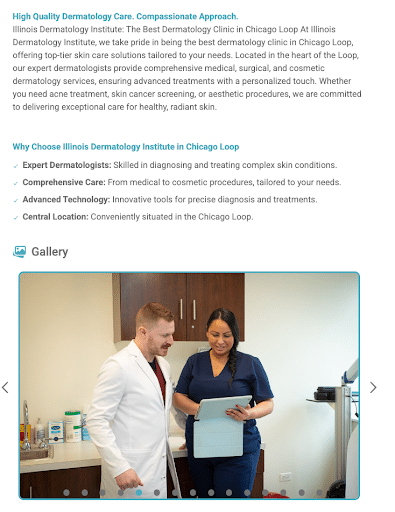
- Healthcare Groups: Many healthcare providers can benefit from these pages to advertise specific offices and practices, complete with details about the services they provide to patients, photos and bios of medical professionals, and convenient links to book an appointment.
- Legal Industry Professionals and Firms: Legal practitioners and firms can also create pages for each location, e.g., a car accident attorney targeting a particular location with details about the most dangerous intersections in streets in an area, types of compensation available to victims, and the firm’s experience handling previous cases within that location.
- Home Services: Landscapers, plumbers, and many others can develop pages for the locations they service, with unique details like environmental hazards within specific regions that might require more frequent or urgent service.
- Retail Chains: Retail businesses can also implement geo pages to direct people to their stores, complete with pictures of the location and map embeds to help locals find and identify that particular store.
However, to determine how well your location pages SEO and other marketing efforts are performing, you will need to measure your campaigns with metrics based on your goals, such as:
- Increased local search visibility based on page views, traffic, and keyword rankings
- Increased conversion rates from localized content, whether that conversion entails completing a lead capture form or making a purchase
To get the most from your SEO location pages, you must maintain scalability. Creating multiple location landing pages will require an effective strategy and, especially in the case of large businesses with many locations or service areas, helpful templates that automate the content creation process.
When Location Pages Actually Make Sense
Just like any other part of your digital marketing strategies, certain times of the day are better than others to create your new geo pages. Here are some of the best times to think about creating or updating your franchise landing pages.
When Opening a New Location
One reason to create a page is when opening a new location as a multi-location business. Even if you only have two locations, it’s worth it to create a unique page for each.
During a Franchise Launch
One of the best times to create a geo page is when you’re able to launch a new franchise location. Tailor this page to the specific location, sharing important location-specific information such as hours, address, phone number, etc.
Creating location-specific landing pages for each new franchise branch opening could help increase visibility for local searches and accompany social media posts. Eventually, people searching for your business offerings in that target area will find your new location on search engines in addition to other platforms, following initial promotion.
In these cases, it’s best to create location pages around two to three months before the grand opening.
Prior to Expanding to New Locations
If your franchise is in a growth phase and planning to open new locations, give yourself enough time to create a geo page for each location. Starting well in advance will allow time for SEO optimization and ensure that each page is ready to go as soon as the new location opens its doors.
For example, a franchise opening a new location might create a geo page that targets “best [service] in [city]” a month before actually opening the new location in hopes of reaching new customers. Content could also include details about when the location will open in case prospective new customers find it via search before opening, which could establish early loyalty.
Again, it’s often best to build landing pages for SEO about two to three months before the new location launches, giving you time to establish a foothold in search engines.
Seasonal or Local Events
Geo pages can also be created ahead of local events, holidays, or seasonal promotions. This will prime your audience and ensure that your franchise is well-prepared to target them during these special events.
To improve local SEO, creating location-specific landing pages should take place at least a few months before the event. You can then link to this page via a blog post announcement or social media post well in advance for promotional purposes, getting people excited for a seasonal sale or a nearby event.

When Targeting Specific Demographics
If your franchise wants to target specific demographics in different locations, consider creating geo pages as part of your marketing strategy. Tailor the content and messaging to each specific demographic.
It’s essential to build these SEO location pages out as soon as you decide to target these demographics, as the sooner you target them, the sooner you can outrun your competition. This is especially crucial if you want to target a demographic your competitors haven’t yet reached.

As Part of an Ongoing Marketing Strategy
Geo pages are not a one-time effort. They are part of your regular marketing strategy. Just as you would make time to update your social media or general website content, you should regularly update and optimize your franchise landing pages.
For example, city pages for service area businesses should only list services that the business provides in those areas, updating service lists if offerings vary from location to location or availability changes. Also, make any updates if you notice drops in keyword rankings, decreased traffic, or other performance metrics that fail to meet your goals.
When Expanding Online Presence
If your franchise is looking to enhance its online presence or local search visibility, geo targeted landing pages can play a significant role. Make sure they’re a part of your digital expansion strategy.

When Expanding to New Service Areas
Expanding to a new service area but not a new location? Geo pages are equally crucial here.
These pages could include all the details of physical location pages, allowing you to show up for prospective customers when they’re within your service area.
When You Have Unique Local Content
If you have valuable and unique local content to offer, such as local stories, customer testimonials, or partnerships with local businesses, create geo pages to showcase this content.
Using this content to connect with audiences via location landing pages could help reach people during the consideration stage of the sales funnel, as people search to compare you with competitors.
When Conducting Local SEO Audits
Periodically conduct local SEO audits to identify areas for improvement. If you find gaps in your local SEO strategy, create geo pages to address those gaps and enhance your local search rankings.
Taking this step as soon as possible could help you maintain rankings for existing keywords and begin targeting new critical opportunities, leading to increased visibility, higher click-through rates, and more conversions.
In Response to Competitor Action
If your competitors are actively targeting specific local markets, consider creating geo pages to maintain a competitive advantage. Not doing this is the same as handing over your audience directly to your competitors.
When Working With an Existing Verified Location
If you already have a Google Verified location with a GBP, create a corresponding landing page for that location, which can give GBP traffic somewhere specific to go and continue their customer journey.
In turn, your page could support your GBP’s SEO, especially if its details align with your Google profile.
There Are Local Demand Gaps
You might find that your target audience has high search intent in a particular area, but your competitors aren’t appealing to it, in which case you can capture that traffic and drive more conversions with high-quality, location-specific pages.
You Are Underperforming Locally
Conversely, your business might not be getting the kind of traffic it needs in a particular area. Here, building a dedicated landing page could help you boost high-intent traffic and maximize your marketing ROI.
Why Are Location Landing Pages Essential for SEO
There aren’t many things more important than landing pages for SEO. When they are created and optimized correctly, they can lead to improved local search visibility, enhanced user experience, increased customer engagement, and overall improved rankings.
SEO Techniques to Use on Location Pages
If you want to reap the SEO benefits, it’s important to optimize your content correctly. Spend time incorporating techniques such as embracing local keywords, optimizing headings (including H1, H2, and H3 headings), and meta descriptions.
The more customized information you add about your location, the better. Not only will it help to capture that local traffic, but it will also improve your customer experience. Include details such as hours of operation, photos of the interior and exterior of the building, specials, promotions, and reviews of each location.
Providing the most up-to-date and location-specific information also benefits your audience because they will never be left in the dark about anything. They might even see a post or picture that inspires them to visit the location closest to them.
Geo-Analytics for Franchise Locations
Since you’ll be investing time and energy into developing these new pages, you’ll probably want to see your ROI. To do this, use geo-analytics to track your pages’ performance across all locations. Not only will this show you that your techniques are working, but it will also give you valuable insights into each location’s strengths and weaknesses.
Embrace tools such as Google Analytics, heat maps, and geographical A/B testing to provide insight into how you can improve your localized marketing strategies.
What Makes a High-Performing Location Page
To succeed with your geo pages, you need to include a variety of components. Here are some tips for structuring geo-specific landing pages on a budget:
- NAP Details: Every page should include your business name, address, and phone number (NAP).
- Hours: Also, list your business hours for each location, updating them as needed.
- Service Lists: Include a complete list of services for each area, potentially differentiating lists if you only offer certain services at specific locations.
- Local Photos: Add photos of your business, including interior and exterior shots, along with “behind-the-scenes” photos of your team when appropriate.
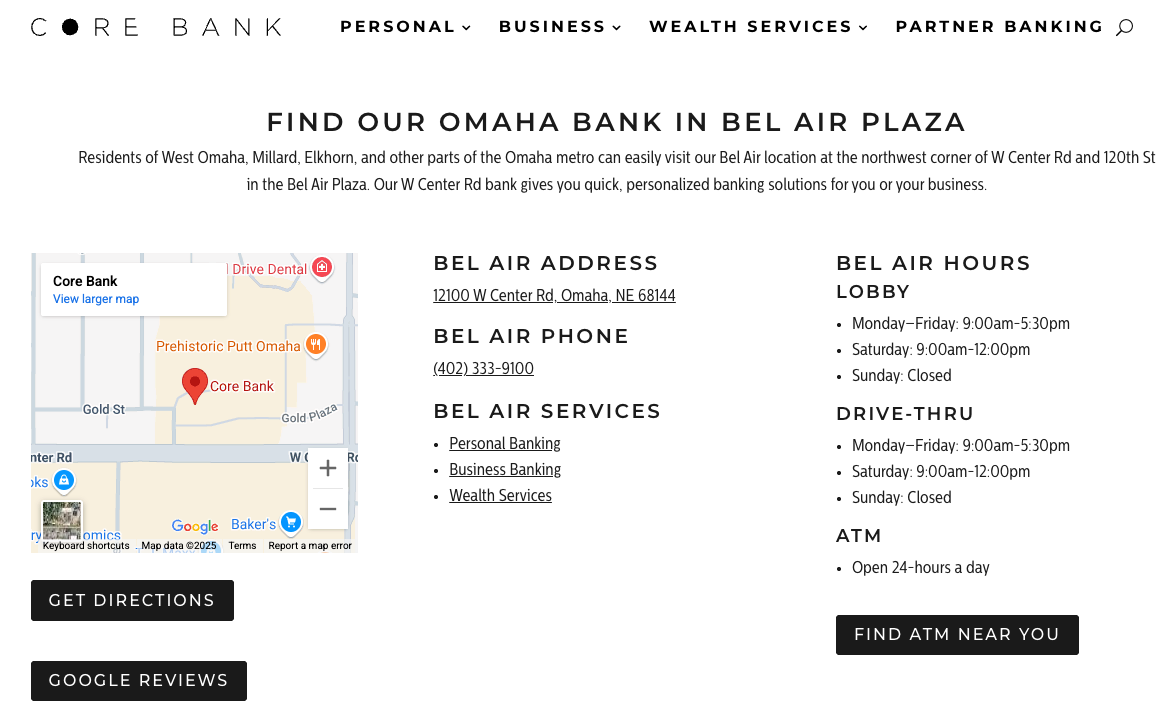
- Embedded Map: Include a Google Maps embed to help indicate your location and enable users to find you via the Google Maps app.
- Directions: Include basic directions to further help people find each location.
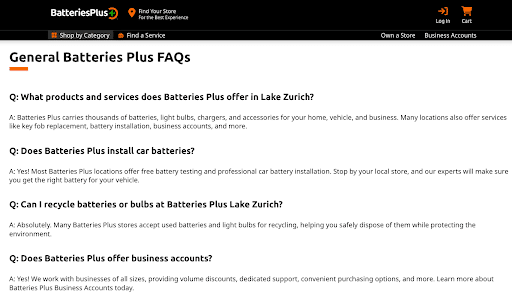
- FAQs: Add an FAQ module to your page to answer basic questions people might have, potentially answering questions specific to that particular location.
- Reviews: Include reviews from customers or clients from each location.
- Team/Local Proof: Detail location owners, management, or other key staff to add a face to each local business.
- CTA: Incorporate calls to action that lead visitors to the next step.
Avoiding Thin and Doorway-Style Location Pages
When creating location-specific landing pages, it can be tempting to stick with thin, basic content that only swaps out city names to keep things simple, especially when developing geo pages for a large number of locations.
However, thin content could limit your pages’ ability to gain traction in search engines, and a general lack of helpful content could turn audiences away, particularly if they want to learn more about your business and what it’s about.
Instead, create unique local value with each page to connect with audiences, including location-specific information about owners, landmarks, unique needs (such as seasonal requirements for landscaping services), and other details that effectively drive conversions.
How to Create SEO-Friendly Location Pages
Creating an effective franchise marketing strategy begins with your landing pages. Here are the top 7 things that you should include in your geo page.
1. Conduct Keyword Optimization
Do keyword research to find the best local keywords to incorporate into your geo pages. Consider things like city names, neighborhood terms, and “near me” phrases.
2. Add On-Page SEO Elements
You also need to consider on-page SEO components to help with overall geographical SEO.
Some of these elements include:
- H1 and H2 header tags that help break up content
- URLs with organized structure and unique location identifiers, e.g., “locations/illinois/chicago”
- Internal links that help pages support each other through better link equity
- Local modifiers for keyword optimization, like “San Diego lawn care services” or “Dallas pizza delivery service”
- Intent-matched copy based on the information the searcher is searching for
- Image alt text that supports image SEO and visual search
- FAQ modules that answer questions about content
- Title tags and meta descriptions that appear in search results
For things like title tags, headings, and meta descriptions, be sure to include the service or product and the location of your business. For example, if we were writing a title tag for the BBQ restaurant, we would write something like “BBQ Restaurant in San Diego, California.”
You should also interlink your geo pages. For example, if you have restaurants in San Diego, Carlsbad, and Riverside, make sure you link them all on your individual franchise landing pages. This will interlink your pages together and give you even more of a chance of showing up for those coveted “BBQ restaurant near me” searches.
3. Create Location-Specific Content
The next step to a fantastic geo page is to get specific! Don’t have the same general content on every page. That’s the best way to get dinged by Google for duplicate content.
Instead, craft copy that provides accurate information that is relevant to each specific location. Include information such as your location’s address, local landmarks, cities, and other location-specific information.

4. Unique Location Page Design
Don’t get so wrapped up in your local-specific content that you forget about the design!
The best location page designs are built with the user in mind. Embrace concepts like an intuitive design, maps, contact information, and clear call-to-action buttons.
5. Lean on User-Generated Content
You can write the most compelling copy in the entire world, but sometimes, your audience is going to want to hear from other customers!
Prominently display user-generated content like reviews and testimonials on your geo page.
6. Include Visuals and Local Imagery
Enhance your user experience and engage visitors by providing local images, videos, and maps. This will give them a better feel of what it’s like to visit your location.
7. Add Your Google Maps Physical Location
If you haven’t updated your physical location in Google Maps, consider this a sign to do so now! We don’t necessarily mean you have to embed Google Maps into your geo-targeted landing pages (although that IS an option!). At the very least, make sure that your contact information is exactly the same on both the map and your geo page.
However, it’s often helpful to potential customers if you include a Google Map on city pages, eliminating an extra step from finding you online.
8. Call-to-Action Placement
Like any other type of landing page, your call-to-action button placement is critical. Make sure you tell your visitors exactly what to do next using language such as “schedule your appointment now!” “call us today!” or “visit us here!”
Place these buttons in highly trafficked areas of your page and use bright, attractive colors so your visitors won’t miss them.
You can measure the effectiveness of CTAs on your SEO location pages based on the link or button’s click-through rate. If you notice that you’re not getting sufficient clicks, you might want to change placement or messaging, potentially using A/B testing to try out different versions.
Other metrics to help measure CTA performance include:
- Conversion rates
- Views to submission
- Bounce rate
- Scroll depth
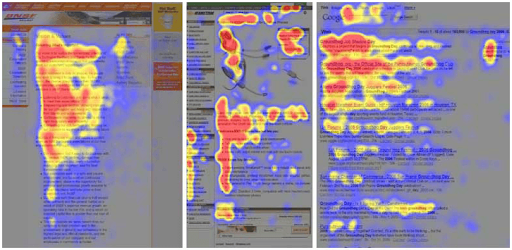
- Click density hotspots where people engage most
9. Optimize Forms and Conversion Elements
If your intended conversion relies on forms or other lead-capturing elements, they should be properly embedded and positioned on your landing page. To encourage more people to complete the conversion, make them as easy as possible to see and follow through.
After creating location-specific landing pages with forms and conversion elements, be sure to track:
- Form conversion rates
- Form abandonment rates
- Average time to complete each form
10. Track Conversions
Use analytic tools and software to measure lead generations, form completions, and other conversions on your location pages. Analyze this data regularly to see where you can improve your page based on your user behavior data.
11. Ensure Your Pages Are Mobile-Friendly
When creating location-specific landing pages, you must also ensure they’re mobile-friendly for smartphone and tablet users. The fact is that the majority of all website traffic (62.76%) comes from mobile devices, especially on the local level as people look for places “near me.”
12. Continually Improve the Localized User Experience
Make sure the user experience appeals to local visitors. Indicate that you understand what people want and need in each location, potentially demonstrating knowledge of the local geography and culture. The more people feel like your location pages speak to them, the more your content will resonate and move people down the funnel.
Some metrics to track in creating location-specific landing pages with a good UX include:
- Conversion rates
- Bounce rate
- Average session duration
- Page load time
- Customer satisfaction and net promoter score (NPS)
13. Use Structured Data and Technical SEO
Structured data is another critical element to consider as you discover how to create city pages for service area businesses. This technical SEO element describes what kind of content your page is about, which helps search engines understand it better. The end result is potentially better rankings.
There are several components to optimize here, including:
- LocalBusiness Schema when appropriate
- Crawlability with Robots.txt and XML sitemaps
- Canonical tags if pages have similar or identical content
- Indexation and search engines’ ability to place pages into search engine results pages (SERPs)
- Mobile UX to enable mobile-first indexing
- Page speed optimization for faster loading times (ideally no more than 2.5 seconds)
14. Improving Local Citations
Make sure local citations on platforms like Google Business Profile are accurate and up-to-date with the latest information. Keeping all of these details aligned will help your SEO, while local images and other content will help you connect with local users. You can also use tools like BrightLocal to effectively grow and manage all of your business citations for better SEO.
15. Obtaining Quality Backlinks from Local Sources
Try to get links to your website from local industry blogs and magazines through guest posts and articles, which will help with your off-page SEO efforts as you discover how to rank a service area business.
16. Managing Online Reviews
Encourage your customers to leave a review on Google, Yelp, or another platform. While you can’t get rid of honest bad reviews, you can take the opportunity to address any issues with a thoughtful reply, which could make you look better to other potential customers. Be sure to highlight positive reviews on your pages.
Google Business Profile and Location Page Alignment
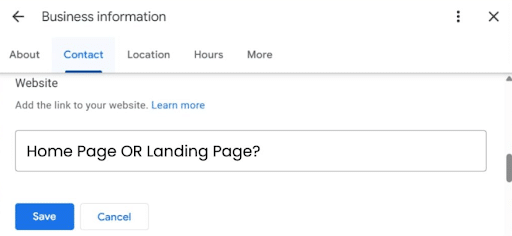
To connect your geo pages to map visibility, you need to ensure every page matches the corresponding Google Business Profile’s details.
Be sure that your location-based landing pages and GBPs have consistent:
- NAP
- Hours
- Services
Also, make sure every GBP links to the right landing page, and keep all citations aligned with current, accurate information.
How to Scale Location Pages Across Many Locations
If you own a franchise or enterprise with many locations, it’s crucial to know how to scale your pages to continually optimize for geographical SEO.
Here are some ways to ensure scalability as your business expands:
Templates and Variable Fields
To enable uniformity for all of your pages, set up templates with variable fields that you can fill in for each.
Examples of variable fields could include:
- {{city_name}}, {{zip_code}}
- {{manager name}}, {{local_team_photo}}
- {{hours}}, {{phone_number}}, {{address}}
- {{unique_local_description}}
CSV imports could help automatically generate locally targeted pages at scale.
Content Standards Across Locations
Standardize each location-specific homepage or service page for everyone to create consistent content.
For instance, you might mandate specific local reviews and testimonials for each page, along with local landmarks or neighborhood details, and unique location-based FAQs.
You may also dictate what assets to use for all pages, such as unique interior or exterior business photos and team photos.
Effective Governance
A strong framework can maintain consistent data as you expand to new locations.
Centralized databases can help manage all Google Business Profiles, or you may use a common CMS.
Additionally, you can assign owners to manage specific regions or fields.
You’ll also want to establish a strict naming convention for all locations, e.g., “/locations/state/city.”
Quality Assurance Measures
Conduct regular technical checks to keep each location page valid and functional.
For example, you can run scripts to identify missing hours, incorrect addresses, and other erroneous details.
You should also consistently validate Schema markup, check for correct canonical tags, and confirm map embed functionality.
Approval Workflows
Develop clear workflows to streamline the page creation and publishing process.
Tiered approval can help here, like requiring regional manager approval for minor changes to certain business details, while CEOs and Corporate may need to approve more significant changes.
Through your CMS, you can also automate workflows to simplify things.
Consistent Update Cadence
As needed, regularly review pages to determine when and how to update your pages for better geographical SEO.
Weekly or bi-weekly, for example, you can conduct reviews and respond to customer reviews, update business hours, or upload new photos.
Then, on a monthly basis, refresh content sections and other elements based on SEO performance.
Every quarter, you could also perform a comprehensive SEO audit to determine other areas of improvement.
Leveraging Geo-Analytics for Location Page Optimization
We touched on the idea of geo-analytics briefly above, but let’s dive a little bit deeper.
So, what are geo-analytics in the first place? Geo-analytics is the process of gathering, analyzing, and interpreting geographical or location-specific data. Since each market will vary, those with multiple locations will need to tweak their marketing campaigns and content based on that specific location’s interests. That’s where geo-analytics comes into play.
After you publish your location pages, monitor their progress and use that data to refine your content. Even seemingly little changes like the placement of your CTA buttons or the page design could either encourage more visitors or hinder traction on each site.
Whether learning how to create city pages for service area businesses or pages for physical locations, you can use a variety of tools to help with geo-analytics, including:
- Google Analytics with location reports detailing all relevant metrics
- Heatmaps that help determine where people are engaging most with your pages
- Geographic A/B testing tools to try out various page elements
- SEMRush for effective SEO analysis and optimization across all content
- Other SEO tools for AI-powered ranking analysis and actionable insights for continual improvement
How to Measure Performance
Use the data you gather to optimize your content and target underperforming areas for each location.
All metrics you measure should correspond to your goals, and you need to focus on business outcomes instead of vanity metrics.
Some meaningful metrics to measure here could include:
- Organic traffic
- Keyword rankings
- Calls
- Form fills
- Direction requests
- Google Maps actions
- Local pack visibility
- Conversion rates
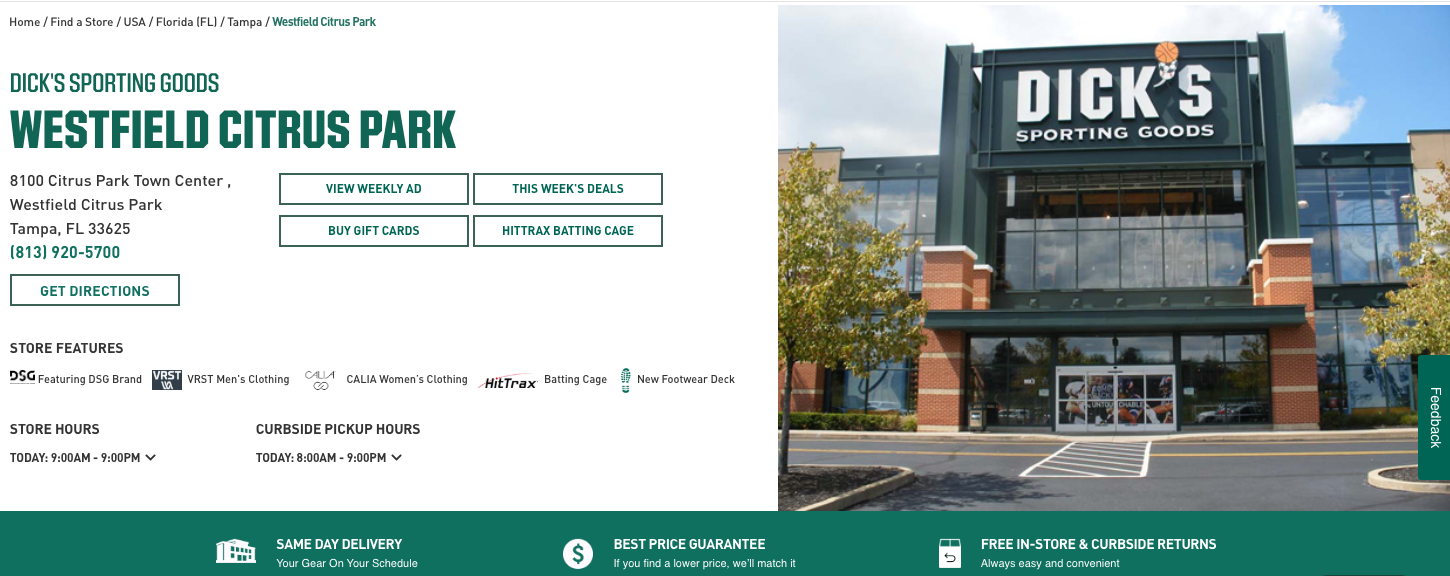
Also, be sure to incorporate local imagery, customer reviews, and community-specific information. Taking this step will give each location landing page a more human touch and show that you know your market.
To build more trust and engagement among your audiences, it’s also important to add some interactive elements to each location and geo page when possible.
If you notice that performance isn’t where you need it to be, you can always make certain adjustments. For example, if city pages for service area businesses see a decrease in traffic, companies may want to try revising their title tags or meta descriptions, updating reviews for locations with old or negative reviews, or sprucing up local content with better keyword targeting.
Once you make any changes, be sure to continually measure them to see if there’s an improvement.
Also, don’t forget to integrate your measuring platforms with SEO tools for automated insights across hundreds of locations. Semrush, Ahrefs, and other SEO platforms could give you all of the information you need through all-in-one suites.
Examples of Noteworthy Location Pages
U.S. Lawns
Although headquartered in Orlando, Florida, U.S. Lawns has a specific location page for each of its individual locations.

After clicking on the appropriate location near you, it’ll pull up a completely optimized location page specific to that market.

This Tulsa-specific location page speaks directly to residents of Tulsa, Oklahoma. It names local communities and gives local contact information. Further down on the page, it names the local owner and provides reviews of the Tulsa North location instead of the overall U.S. Lawns national franchise. This gives their Tulsa visitors peace of mind that this specific location will do a great job.
This strategy shows how tailoring each geo page to its corresponding audience can help establish a strong connection with locals while targeting relevant local keywords.
Why It Works: Every page features unique, locally targeted content that includes location-specific details to build trust among audiences. It also features local proof by naming owners and including local customer reviews.
Dunkin’
America runs on Dunkin’, right? They have a featured homepage for all nationwide Dunkin’s but also break them down into location-specific ones.

The location page features that specific location’s hours, features, map, and more.

Ultimately, Dunkin’s SEO location pages show how simplicity is sometimes the best policy. Including crucial information to help people find your location while using structured data and targeting essential keywords can lead to strong SEO.
Why It Works: Dunkin’s geo pages keep things simple and straightforward for users, providing clear details in a consistent, instantly recognizable format to drive action.
Jimmy John’s
Jimmy John’s is another franchise with one of the best location page examples.
Here is the general company page:
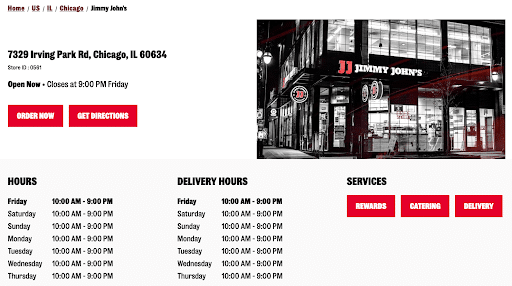
 Here is an example of a location-specific page:

Their location page provides the address, phone number, hours, and other location-specific information, including menu and availability of options.
Like Dunkin’, Jimmy John’s favors simplicity of design when creating location-specific landing pages. These details give people enough information to help them locate each business location while informing them of what they need to know before making a purchase.
Why It Works: Jimmy John’s understands what kinds of information people are seeking, giving them clear details to help them find the right location near them.
Batteries Plus+
Batteries Plus+ is another awesome example of a franchise with solid location pages. Here is their nationwide home page:

But they also give you options to select the store closest to you to see all of that store’s location-specific information and in-stock items.

This example shows how a homepage can complement all your geo page content to help local audiences find the location nearest to them.
Why It Works: Batteries Plus+ shows how a location-specific homepage or service page can factor into a holistic strategy, directing audiences to nearby stores with ease.
FAQs About Location Pages
1. What is a location page?
A location page is a landing page specifically designed for a local market. It includes localized information such as address, phone number, hours of operation, and more.
2. Do service-area businesses need location landing pages?
Yes, service-area businesses should create location-based landing pages for each service area. Every page can speak to local audiences within that area and drive more traffic, conversions, and sales.
3. How many location pages should I create?
Every location or service area should have a corresponding location page if you want to connect with local audiences. Each page should include all relevant business information for that location and target relevant keywords for that region.
4. What should each location page include?
When creating location-specific landing pages, here are some key elements to include:
- Your business name, address, and phone number (NAP)
- Hours of operation for that location
- Services lists
- Local photos
- Embedded maps
- Directions
- FAQs
- Reviews
- Local proof, e.g., staff at that location
- CTAs
5. Can location pages hurt SEO?
A location-specific homepage or service page can only hurt your SEO when poorly implemented. For example, these pages could cannibalize each other in search results if they feature duplicate content, or thin content lacking relevant information might also keep them from performing well.
5. How do multi-location brands scale geo pages without duplicate content penalties?
Multi-location and franchise brands can scale geo pages safely by pairing standardized template frameworks (like SiteOrigin or Gutenberg flexible components) with dynamic local elements. Key strategies include integrating location-specific customer reviews, embedded Google Maps, local team bios, custom H1/H2 variations containing target city names, and localized case studies. For multi-unit operations, partnering with a multi-location marketing agency ensures brand consistency while maintaining unique on-page signals for every local market.
Get More Attention With Your Geo Pages With Ignite Visibility
Whether you’re looking to increase your local SERP ranking, enhance user experience, or encourage more engagement, Ignite Visibility can make it happen.
We have created geo pages for businesses all over the country in almost every industry, including construction, home remodelling and repair, dental, medical, real estate, and more.
Ignite Visibility can help you:
- Build out franchise landing pages
- Optimize your conversion rates
- Create a cohesive local SEO strategy for your website
- And more!
Are you ready to see why so many of our clients are top-ranked within their service area? Reach out today!