Ever feel like your website is lost in the vast wilderness of the internet? You’ve poured your heart and soul into your content, but it just isn’t getting the traffic it deserves.
In this blog Monique De Leon, Associate Director of SEO, will walk you through an on-page SEO checklist to help you optimize your website for search engines and attract more organic traffic.
What You’ll Learn
- What is On-Page SEO?
- On-Page SEO vs Off-Page SEO vs. Technical SEO
- On-Page SEO Checklist
- Tools to Improve Your On-Page SEO
What is On-Page SEO?
On-page SEO is a process that involves optimizing website content with keywords and other elements to achieve higher rankings in search engines. It supplements off-page SEO strategies to boost a website’s authority and drive more traffic.
There are many ways to go about on-site SEO, such as a landing page for a lawn care service targeting locally targeted “lawn care in [city]” keywords throughout the text. That same page could also include images optimized with keyword-rich alt text.

Why On-Page SEO Is Important
Every website needs on-site SEO for the following key advantages:
- Higher Rankings: One of the main benefits of SEO on-page elements is the ability to appear at the top of search engine results pages, as your content will target relevant search queries and, with high-quality content, appeal to users’ intent more precisely as well.
- Improved UX: Good on-page SEO techniques will also improve your site’s user experience, particularly with well-structured content comprising subsections and optimized subheaders, bulleted lists, and other components that boost readability.
- More Conversions: With the right approach to on-site SEO, you’ll not only drive more traffic through better rankings, but you’ll also be able to connect with more high-value and high-intent leads who are likely to become customers, bringing more people to the bottom of the funnel.
My Expert Opinion on On-Page SEO
The root of a strong on-page SEO strategy begins with effective and efficient planning. Once you’ve laid out a checklist and followed through on the action items, you should be able to attract a steady stream of organic traffic, build brand awareness, and ultimately achieve your website’s goals.
Many of our clients here at Ignite have gotten real results from on-page SEO techniques, including a home services franchise that saw a 38% increase in organic bookings and a 28% surge in Page One rankings through scalable local SEO. A quick-service restaurant franchise also saw significant results with SEO, yielding a 106% increase in quality leads and a 40% rise in organic conversions.
Consistent on-page SEO activities incorporating industry best practices will help your business thrive online and supplement other marketing efforts, including PPC, email, and more.
On-Page SEO vs. Off-Page SEO vs. Technical SEO
The world of SEO can seem complex at first glance, with various terms and factors thrown around. But fear not! It can actually be broken down into three main categories, each playing a crucial role in your website’s search engine success. Imagine a three-legged stool: on-page SEO is the strong, central leg, while off-page SEO and technical SEO act as the supporting legs, ensuring stability and overall effectiveness.
Here’s a breakdown of the three main SEO categories to clear any confusion:
On-Page SEO
As mentioned, this focuses on optimizing the elements within your website’s control, like content and structure.
This includes crafting informative and engaging content that targets relevant keywords, using clear headings and subheadings to improve readability, and optimizing images for faster loading times.
By strategically using these on-page elements, you can signal to search engines what your website is about and why it’s valuable to users.
Off-Page SEO
Off-page SEO refers to factors outside your website that influence search ranking, such as backlinks (other websites linking to yours).
Earning backlinks from high-quality, relevant websites demonstrates to search engines that your content is trustworthy and credible.
Social media mentions, online reviews, and brand mentions can also contribute to your off-page SEO efforts.
Technical SEO
Technical SEO ensures your website is technically sound and crawlable by search engines, focusing on aspects like site speed and mobile-friendliness.
A website that takes ages to load or isn’t optimized for mobile devices will be frustrating for visitors and hinder your search engine ranking.
Technical SEO also involves ensuring your website has a clean code structure and is free of crawl errors that might prevent search engines from indexing your content effectively.
Remember, these three areas work together. On-page SEO serves as the strong foundation, while off-page SEO and technical SEO add polish and accessibility for search engines.
Let’s further compare on-page SEO techniques with off-page and technical SEO in this table:
| Feature | On-page SEO | Off-page SEO | Technical SEO |
| Focus | Content and keyword optimization | Authority and reputation | Website structure and backend optimization |
| Location | On-site | Off-site | On-site |
| Goal | To make content relevant and match user intent | To gain people’s and search engines’ trust and build authority | To enable search engines to crawl, index, and rank content |
| Key Tactics |
|
|
|
| Outcome | Higher keyword rankings and better user engagement | Higher site authority and rankings | Faster site speed and improved crawlability and indexability |
On-Page SEO Checklist
Now that you understand the importance of on-page SEO, let’s dive into the nitty-gritty with an on-page SEO checklist to optimize your website.
So, what does on-page SEO include? The following are all of the main items to include on your on-page SEO check list:
1. Content Optimization
One of the central SEO on-page elements is well-optimized content, and it’s not just about optimizing for search engines.
In fact, Google favors content that appeals to its guidelines for experience, expertise, authoritativeness, and trustworthiness, or E-E-A-T.
When optimizing your content, make sure it matches people’s search intent, as your content should provide helpful guidance to users based on where they are in the sales funnel.
If your content connects with both users and search engines, you’ll have an easier time acquiring those top positions.
Based on your audience and its intent, you can then conduct keyword research to help you pinpoint the right terms to target. Just don’t stuff your content with keywords; naturally include them in the content where appropriate, as this will improve readability while preventing search engines from perceiving your content as spammy.
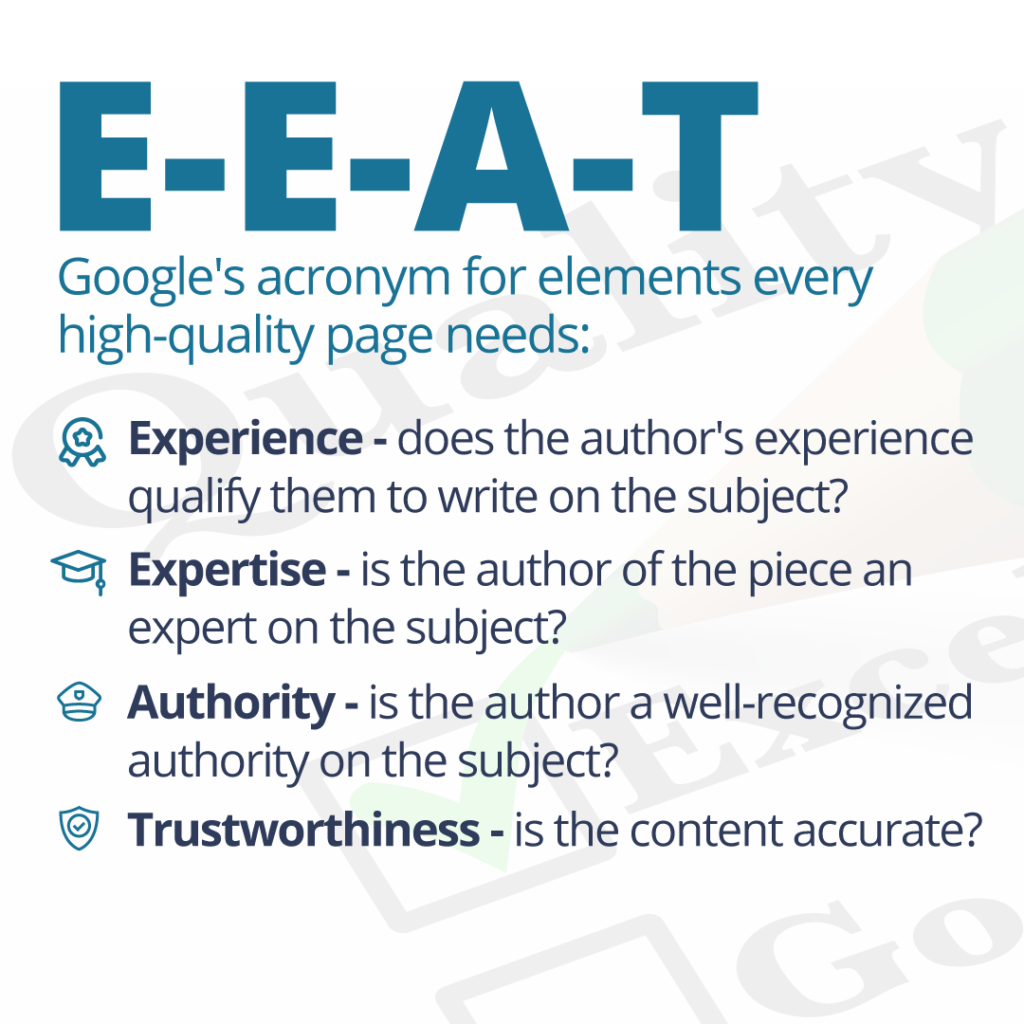
One website that really has E-E-A-T down is Dogster.com, which features thousands of articles from certified veterinary experts, with detailed author bios and content that showcase the platform as the place to go for all dog-related topics.
Their articles also have a 5-star rating system to help them gauge the quality of information and better understand reader sentiment.
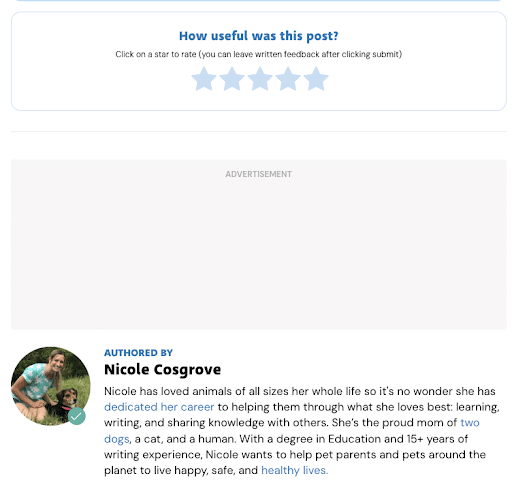
Dogster.com on-page SEO example.
2. Title Tags and Meta Descriptions
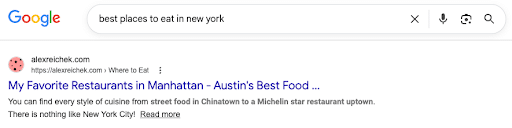
Another component to consider is what people see in search results: title tags and meta descriptions.
Title tags appear as the clickable links on SERPs, and they must be no longer than around 60 characters to show up in their entirety, although you really need to keep it under 600 pixels, as pixel width is the unit Google measures.
Include the most important keywords toward the beginning of your title tags, with supplemental keywords to follow and a pipe separating them, e.g., “Keyword 1 | Keyword 2.” Titles could also include your brand name if there’s enough space.
In addition to title tags, you need to create descriptions for each page, ideally with a keyword, a brief description of the page’s content, and a call to action like “learn more here” or “call us today.”
Title tags can have a direct impact on SEO, and while this isn’t the case with meta descriptions, the latter can still gain users’ trust and encourage more clicks, which could then boost your SEO through more engagement.
Knowing how to use Screaming Frog to improve on-page SEO can help you gather and manage all of your meta tags on a single platform.
3. Headings Structure
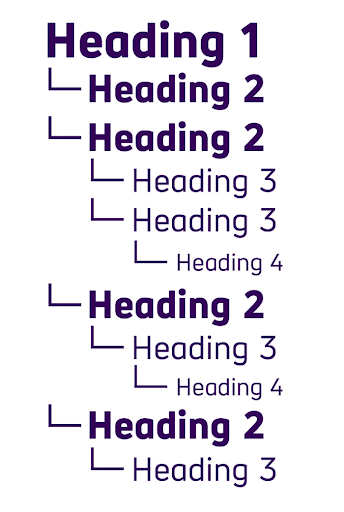
Another of the most essential on-page SEO activities is to effectively structure headers. Well-structured content with subsections and clear headers will make your content more readable while also boosting your SEO efforts.
Throughout your page, try to break content up into multiple sections with a consistent hierarchy of headers.
For example, you would use H1s for page titles and H2s for main subsections, with H3s, and H4s, etc., going from there as you get more granular with your subtopics.
Not only does this help with traditional SEO, but it can also create distinct, identifiable sections to pull from in AI Overviews and other generative engine results. Of course, these supplement other optimization tactics like appealing to search intent as your site builds authority, which will help you earn more citations on these platforms.
4. URL Optimization
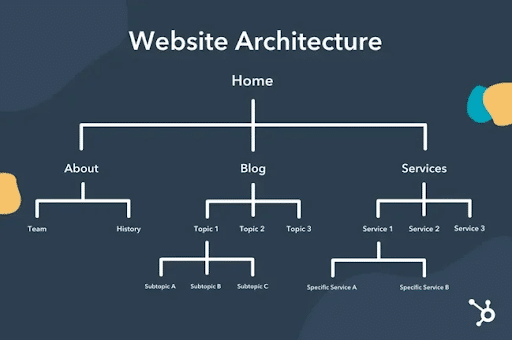
It also helps to optimize your pages’ URLs as part of your website’s architecture.
Here are some tips to help you with URL optimization:
- Include keywords, e.g., a blog post about “The Best Food in New York” might have a URL that looks like “/best-food-new-york/”.
- Use hyphens and not underscores when separating words, making it easier for search engines to understand them.
- Use lowercase letters, which can help prevent issues with duplicate URLs featuring the same or similar phrases.
- Eliminate filler words like “to” and “and” like we did with the above URL example, as these don’t need to be in URLs for search engines to understand them.
Also, your website should use a logical hierarchy to help both search engines and people navigate your site effectively. For instance, you might have a central homepage, followed by an About Us section with separate “Team” and “Company History” pages.
This hierarchy can then reflect in your XML sitemap, which will help search engine crawlers find and index each page.
One last item to think about here is whether to use a subdirectory or a subdomain. A subdomain (e.g., blog.website.com) is ideal if you have a site that needs to be completely separate from your main site, such as a platform dedicated to ecommerce purchases. Conversely, subdirectories (e.g., website.com/services/) are better for building onto a main site if you don’t want to hurt link equity and overall SEO performance.
5. Internal Linking
Internal linking is also among the most essential SEO on-page elements, spreading link equity across pages.
Internal links should include keywords that serve as strong anchor text, helping the linked page achieve higher rankings.
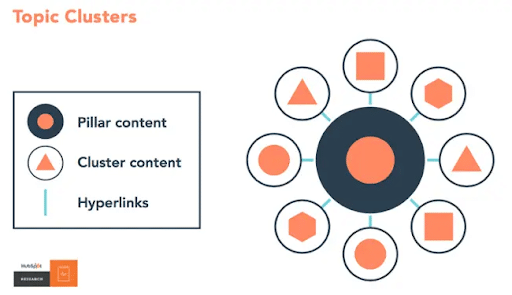
A good interlinking strategy you can use is pillar pages, or the hub-and-spoke technique. These topic clusters start with an expansive pillar page that covers a core topic in great depth, followed by developing pages covering each subtopic more extensively. Each page would target unique keywords and link back to the others.
For example, a home services company might have a pillar page exploring how and when to hire a home remodeling company, followed up with individual blog posts covering subtopics like “budgeting for home remodeling” or “the benefits of hiring professional remodelers.”
6. External linking
Your site should implement external links in addition to internal ones, which can help establish credibility as you reference reputable sources.
If webmasters notice you linking to them and bringing in more traffic, they might also be more inclined to return the favor, helping you build a healthy backlink profile for better off-site SEO.
7. Image Optimization
No on-page SEO check list is complete without image optimization. Good image SEO will further help your content do well.
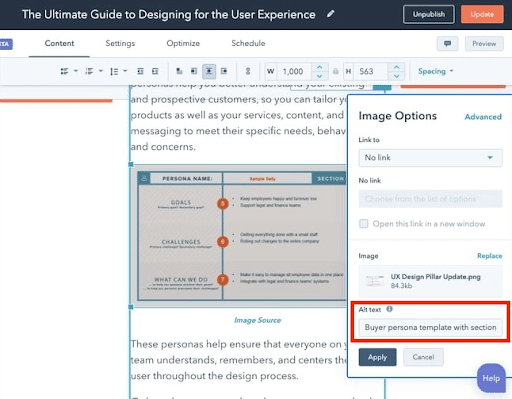
When optimizing images, use keyword-rich filenames and alternative (alt) text that describes the image contents.
While alt text primarily helps with accessibility by describing images for visually impaired users through text-to-speech screen readers, it can also help with SEO, including visual search.
8. Page Speed
Using an on-page SEO checker like Google’s PageSpeed Insights, you can determine whether your web pages load quickly enough.
Loading speed is one of the most important metrics in Google’s Core Web Vitals, as it’s indicative of the user experience and ease of navigation.
Generally, the ideal load time for a page is no longer than 2.5 seconds, as any longer than a couple of seconds will lead people to click away.
More specifically, bounce rate tends to go up by around 32% when a page takes up to three seconds to load, 90% when it takes five, and 106% when it takes six.
Here are some steps you can take to optimize load speed:
- Compress images with tools like TinyPNG to reduce file sizes without compromising quality.
- Use lazy loading to enable pages to load content as people scroll down instead of loading all media at once.
- Remove any unused code that might simply bog down the user experience.
- Upgrade hosting if needed to optimize overall site speed.

9. Schema Markup
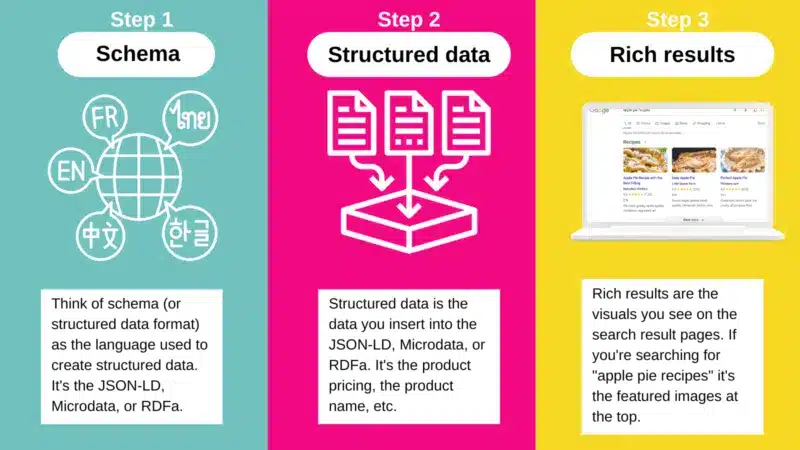
One of the last big elements on our on-page SEO check list is structured data, or schema markup.
Most commonly using the JSON-LD schema vocabulary, structured data gives search engine bots a better understanding of what your content is about. For example, it can tell crawlers whether a page is a blog post and whether it contains a recipe or another type of content piece.
Structured data uses code that crawlers can easily read and “comprehend,” and it’s now vital for boosting AI visibility in addition to traditional rankings for rich snippets and other placements.
The Schema.org website contains samples and templates to help you implement structured data properly, enabling you to simply add it to your site’s code.
Advanced On-Page SEO Techniques
To help you get even more from your on-page SEO efforts, here are a few advanced techniques:
- Entity SEO: With the help of this strategy, you can optimize for concepts and other clearly defined “entities,” which could include people, places, and things, helping you match your content with specific intent.
- Content Depth: As discussed, pillar pages and topic clusters can help you establish topical authority and expand your keyword reach while you naturally build your website.
- Semantic Relevance: Strong SEO will also integrate semantic search strategies to even more closely match content to intent with an understanding of how terms within a query relate with each other.
How Search Intent Impacts On-Page SEO
Search intent is a key consideration here. You must make sure your content reflects where people are in their journey, and search intent could fall under one of the following main categories:
- Informational: People at this stage want more information about certain industry topics, often leading them to blog posts, guides, and other top-of-funnel content.
- Commercial: This intent has the purpose of seeking “best” or “top” lists to compare brands, with shopping ads, pricing comparisons, and other commercial content appealing to these audiences.
- Transactional: At this stage, people want to buy a product or service, entering terms like “buy [product] near me.”
- Navigational: People entering branded keywords or terms like “[website] login page” want to find specific pages on your site.
Keyword Research for On-Page SEO
Keyword research is foundational in any SEO strategy.
When conducting keyword research, map different topics to unique terms to prevent potential cannibalization; every page should have its own target terms, which you can then use in anchor text on other pages linking back to it.
It’s equally important to use a combination of short- and long-tail keywords for a balanced strategy, particularly considering long-tail keywords are typically easier to target due to reduced competition, and they often make intent more explicit.
Just remember: Never stuff keywords into your content. While a few keyword inclusions here and there can help with rankings, overdoing it could make your content not only unreadable but also spammy in the eyes of SERPs.
Common On-Page SEO Mistakes
Here are some common mistakes people make with on-site SEO and fixes for each:
- Selecting the wrong keywords. Always conduct in-depth research and make sure keywords match the intent behind each page.
- Keyword stuffing. Make sure keyword inclusions are natural throughout the page, avoiding making content sound unnatural.
- Neglecting technical SEO. Be sure to optimize page load times, fix broken links, and enable search engines to crawl and index each page.
- Not optimizing for mobile SEO. Remember, most people today access websites through mobile devices, making it important to take a mobile-first approach to SEO.
Top On-Page SEO Tools to Boost Your Rankings
Ready to put your on-page SEO knowledge into action? Here are some essential on-page SEO tools to help you on your optimization journey, along with some tips on how to leverage them effectively:
SEO Audit Tools
These comprehensive tools act like digital inspectors, crawling your website and identifying areas for improvement across various on-page SEO factors. They can pinpoint issues like missing title tags, slow-loading images, or broken internal links.
However, SEO audits can be quite technical, so don’t be discouraged if the reports seem overwhelming. Focus on the high-priority issues and use the tool’s guidance to address them one step at a time.
Many SEO audit tools offer free trials or limited free versions, allowing you to test-drive their features before committing.
Keyword Research Tools
Keyword research tools help you discover relevant keywords with high search volume but low competition.
Once you’ve identified your target keywords, don’t just stuff them into your content unnaturally. Instead, integrate them strategically throughout your titles, headings, and body copy in a way that reads naturally and provides value to your audience.
Bonus Tip: Look for long-tail keywords (more specific keyword phrases) as they often have lower competition and can attract highly targeted traffic.
Tools: Google Keyword Planner, Moz Keyword Explorer
Content Management Systems (CMS) with SEO Plugins
If you’re using a popular Content Management System (CMS) like WordPress, chances are you have access to built-in SEO plugins that can simplify on-page optimization tasks.
These plugins often provide user-friendly features like keyword optimization suggestions, readability checks, and snippet previews to help you craft search-engine-friendly content.
While plugins can be a valuable asset, remember they are just one piece of the puzzle. High-quality, informative content that resonates with your audience remains the most critical factor for long-term SEO success.
Tool: Yoast SEO
Google Search Console
Google Search Console is a treasure trove of valuable insights directly from Google about your website’s performance in search results.
This tool can help you identify crawl errors that might prevent search engines from indexing your content, monitor backlinks pointing to your website, and analyze how users interact with your pages in search results.
By leveraging Google Search Console data, you can continuously refine your on-page SEO strategy and ensure your website remains search-engine friendly.
FAQs
1. What is on-page SEO?
On-page SEO is the process of optimizing a website’s content to improve rankings in Google and other search engines. It uses SEO on-page elements like keywords and well-structured headers.
2. What are the most important on-page SEO factors?
What does on-page SEO include? The following are a few key factors:
- High-quality, well-optimized content
- Relevant keywords
- Title tags and meta descriptions
- Headers and subheaders
- Internal and external links
- URL structure
- Image optimization
- Technical SEO
3. How do you optimize a page for SEO?
You can optimize a page to achieve better rankings in a number of ways, such as including natural keyword instances throughout, structured subsections with headers, optimizing images with alt text, and including a blend of internal and external links. You must also match the content to the intent behind each search.
4. What is the difference between on-page and technical SEO?
Technical SEO is a component of on-page SEO, factoring in elements like page load speed and structured data to help with other on-page components, such as keyword targeting and image optimization.
5. How many keywords should you use on a page?
For most SEO strategies, it’s best to target one primary keyword, followed by a few secondary and supporting keywords. You should always include these keywords naturally within your content to help with optimization without sacrificing helpfulness and quality.
Unleash Your Website’s Potential with Ignite Visibility
Want to get the most from an on-page SEO checker and strategy? It helps to work with experts who understand every aspect of SEO, whether on-page or off-site.
Ignite Visibility has plenty of experience with these strategies, helping clients across industries with:
- Identifying content topics to cover at every stage of the buyer’s journey
- Picking and implementing keywords
- Structuring content for readability and crawlability
- Optimizing page load speed and other technical SEO elements
- Continually measuring performance for gradual optimization
- And more!
Want to get started? Learn about our SEO services and find out how we can help you land top rankings in the long term.