While you may be familiar with domain authority (DA) and its importance in SEO, the Brand Authority metric, available through Moz Pro SEO tool kit, is notably different and has gained renewed focus recently.
Building Brand Authority is more critical than ever with the rise of AI-powered search. Unlike traditional algorithms that focused heavily on backlinks, AI looks at brands as entities to verify their credibility. As AI SEO becomes central to modern marketing, metrics like Brand Authority help brands measure their real-world influence to stay on top of their industries.
In this blog VP of Digital PR & Social Media, Morgan Thorp, will tell you all about this specific metric and how to build Brand Authority for your website.
What You’ll Learn
- What is Brand Authority?
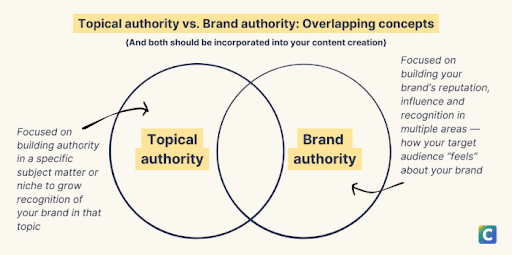
- Brand Authority vs. Topical Authority vs. Domain Authority
- Why Brand Authority Matters
- AI SEO and Brand Authority: The Future of Trust and Visibility
- How to Measure Brand Authority
- 7 Ways to Increase Your Brand Authority
- FAQs About Brand Authority
Expert Insight on Brand Authority
Brand Authority is no longer just a buzzword; it is the definitive survival metric for the AI era. While Moz formally coined the term and released the Brand Authority metric in 2023 to quantify influence, the concept has since evolved into the backbone of modern search.
In the past, Google relied heavily on Domain Authority (DA) and backlinks to help determine if a website was trustworthy. Today, AI models (like Google’s AI Overviews and ChatGPT) don’t just count links, they look for entities. They analyze where your brand appears, how people talk about it, and whether users seek it out by name.
Think of it this way: DA measures your website’s power; Brand Authority measures your business’s reality.
Backlinks still matter, but they are now just one piece of the puzzle. To succeed in this new landscape, brands must move beyond “building links” to “building a digital footprint.” This means optimizing for brand mentions (even unlinked ones), dominating share-of-search, and ensuring that when AI asks, “Who is the leader in this space?” the answer is undeniably you. Incorporating Moz’s metric gives you a tangible way to track this shifting sentiment, helping you identify not just where you rank, but where you truly matter.
What is Brand Authority?
So, what is authority marketing and how do you build authority for your brand? Put simply, Brand Authority is a metric that measures a brand’s strength and perceived reputation among its audience.
The goal of this metric is to determine what kind of authority a website’s brand has, helping measure everything from brand mentions across the web to the overall ROI of branding efforts.
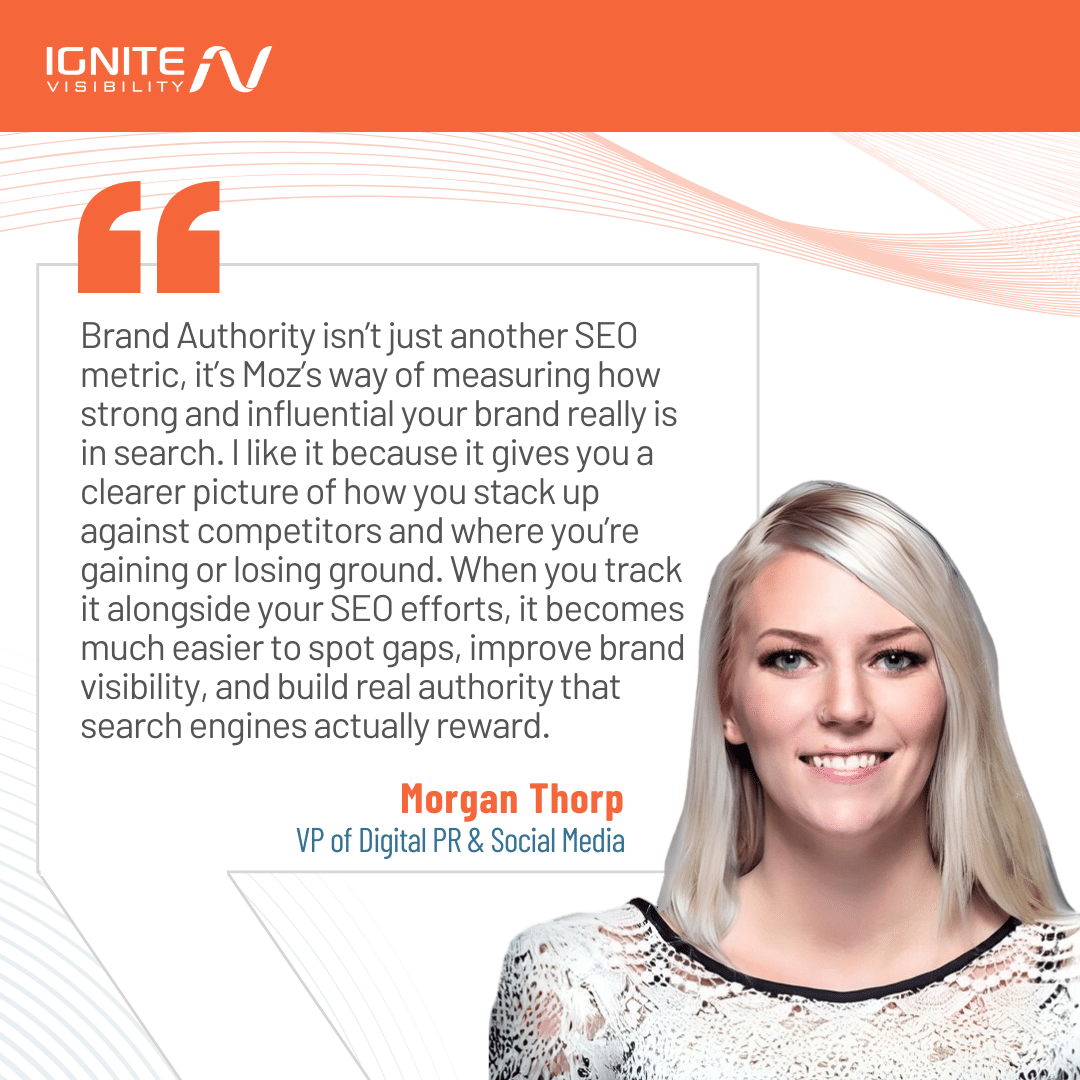
Moz measures Brand Authority on a scale of 1 to 100, with 100 representing the strongest authority. Moz measures multiple signals to reach a score, including brand mentions, backlinks, engagement, and search demand, which we’ll dive into later.
However, keep in mind that Brand Authority goes beyond a simple score, indicating a brand’s perceived trust and recognition online. In building authority with SEO and other marketing efforts, brands must meet Google’s E-E-A-T guidelines to demonstrate Experience, Expertise, Authority, and Trustworthiness with their content, which indicates to Google and other search engines that a brand is credible over competitors.
By expanding brand mentions, appearing for branded searches, building a strong backlink profile, earning good reviews, and establishing thought leadership, brands can more effectively build authority.
Ultimately, with the help of Brand Authority, you can gauge the effectiveness of your branding strategies and work toward continually improving them over time.
Brand Authority vs. Topical Authority vs. Domain Authority
In looking closer at the differences between Brand Authority content marketing and Topical Authority and Domain Authority, here is a table breaking down each:
| Aspect | Brand Authority | Topical Authority | Domain Authority (DA) |
| What It Measures | The recognition, trust and credibility of a brand | The level of knowledge that a website has regarding a certain topic | The overall strength of a domain’s backlink profile and link equity |
| Key Signals | High search volume for branded queries, unlinked brand mentions, positive reviews, social engagement, and direct traffic | Content clusters and depth of coverage for certain subtopics, expert authorship, internal linking structure, and bounce rates | The volume and quality of backlinks, link relevance, referring domains, and the flow of “link juice” across the website |
| Contribution to Rankings | Builds trust in accordance with E-E-A-T guidelines and improves click-through rates for search results | Establishes a brand’s trustworthiness and expertise, indicating that a site is a primary source for a particular topic | Indicates a website’s overall strength and can lead to higher rankings for competitive terms |
| How to Build | PR, proactive brand reputation strategy, media mentions, social media engagement with audiences, top-tier customer service | Developing in-depth content clusters, building blog posts and other pages around subtopics, internal linking | Earning a large number of high-quality backlinks from other authoritative domains, natural shares from readers, and digital PR |
| Related Metrics and Tools | Tools that track mentions, Google Trends, and Moz Brand Authority (BA) | Content depth tools like Semrush Topic Clusters and Clearscope | Moz Domain Authority (DA), Ahrefs Domain Rating (DR), and Semrush Authority Score |
Remember, Brand Authority effectively supports both Domain and Topical Authority in a couple of key ways. For example, BA’s strong brand signals can attract more organic backlinks and build more content trust, which can lead to stronger authority across the board.
Why Brand Authority Matters
In 2026 it’s going to be increasingly important to know how to increase Brand Authority in AI-driven customer journeys. Developments like AI Overviews and AI Mode are changing the way people search and find information online, and BA will play a major role in maximizing visibility.
Here are a few specific benefits of a solid brand reputation strategy:
- SEO Visibility: The best AI Brand Authority experts can build authority to maximize visibility on search engines, leading to increased click-through rates, trust, and inclusion in AI answers.
- Conversion Trust: Recognized brands are able to convert more target audiences faster because of their perceived credibility.
- Resilience: Strong brands keep their websites protected from potential SERP volatility and algorithm changes, maintaining the results they aimed to achieve with authority SEO strategies.
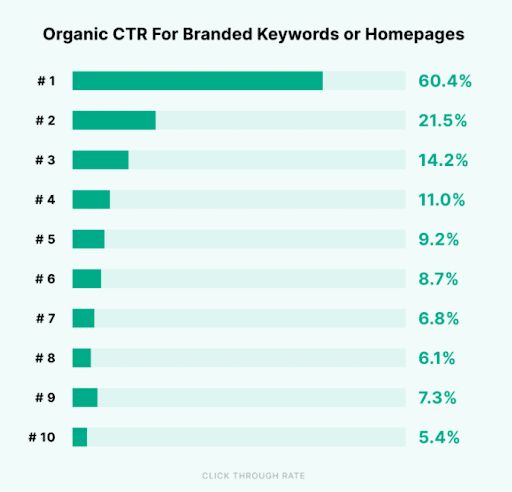
According to Backlinko, branded keywords are among the most important to target, as they see up to a 60.4% click-through rate in the first position, considerably higher than non-branded terms in the same spot.
AI SEO and Brand Authority: The Future of Trust and Visibility
Today, the best AI Brand Authority experts know how to optimize for AI-driven search and use it for building Brand Authority with SEO.
AI search and answer engines like ChatGPT and Google Gemini reward the most trusted brands in numerous ways, providing citations for answers while helping them rank for knowledge graphs and boosting their entity strength in search results.
There are multiple trust signals that can help brands get the best results from their efforts, including:
- Verified authorship demonstrating clear expertise with author bios and overall reputability
- Structured data that gives search engines more context regarding a site’s content
- Consistent brand messaging that establishes a brand’s overall “feel”
- Off-site mentions from other authoritative sites and on social media
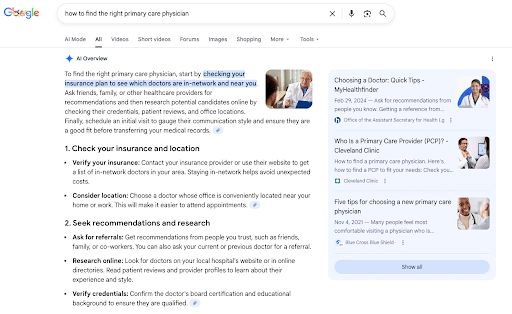
Generative engines like AI Overviews, ChatGPT, and Perplexity all try to find the most trusted sources to cite with each search. They examine various signals to do so and provide citations for most answers, increasing the chances of people visiting the corresponding links for more information.
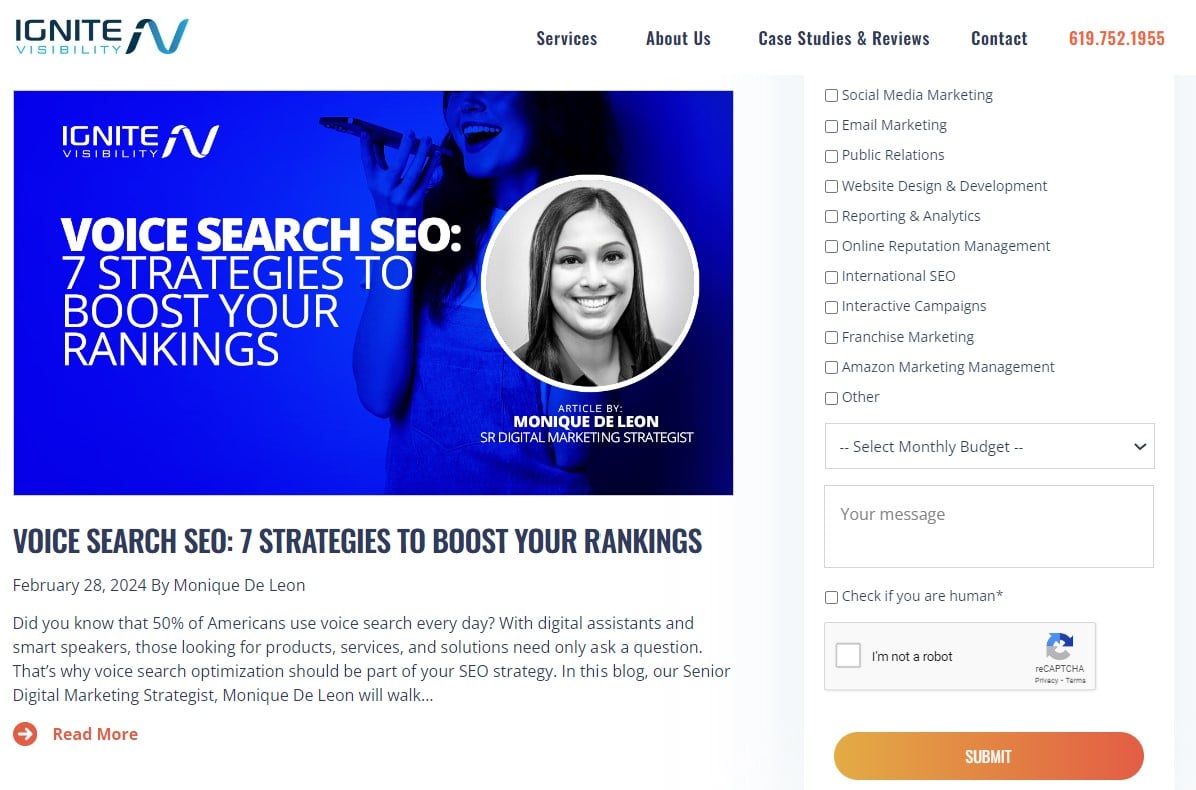
There are plenty of tactics you can use to optimize for AI SEO today, including schema structured data, concise Q&A content that answers questions effectively and succinctly, and voice-friendly summaries that can appear for voice searches.
If you want to work with leading AI consultants for boosting Brand Authority, learn more about Ignite Visibility’s AI SEO services today!
How to Measure Brand Authority
Measuring Brand Authority requires looking at two distinct layers: quick proprietary scores for benchmarking, and a deeper set of real-world signals that show if your brand is actually influencing the market.
1. The Shortcut: Proprietary Scores
For a quick benchmark against competitors, the easiest method is to use established industry metrics.
- Moz Brand Authority: The gold standard for this specific concept, measuring your brand’s total volume of interest and prominence.
- Semrush Authority Score: A composite score that helps validate if your “link power” matches your actual traffic and reputation.
2. The Deep Dive: Holistic KPIs
Without paid tools, you need to track specific signals that prove you are a recognized entity, not just a website. You should categorize these KPIs into three buckets:
A. Search & Visibility Signals (Do they find you?)
- Branded Search Volume: The number of users searching specifically for your company name. This is the #1 indicator of real-world authority.
- Share of Voice (SOV): Your brand’s visibility in search results compared to your direct competitors.
- Organic Traffic & Keyword Rankings: Specifically, are you ranking for broad, high-volume terms in your industry?
B. Reputation & Trust Signals (Do they trust you?)
- Earned Media: Coverage in third-party publications (news, blogs) that validates your expertise.
- Brand Mentions & Sentiment: How often people talk about you online (even without linking) and whether the conversation is positive.
- Backlink Quality: Focus on relevance over quantity—links from authoritative industry sources carry more “brand weight.”
C. Engagement Signals (Do they like you?)
- Social Engagement: Likes, shares, and comments indicate active community interest.
- Net Promoter Score (NPS): A direct measure of how likely customers are to recommend your brand to others.
To track these metrics effectively, you will need a mix of analytics, SEO, and listening platforms:
- Analytics tools like Google Analytics and Google Search Console
- SEO tools such as Ahrefs, Semrush, and Moz that measure authority, backlink profiles, and keyword rankings, among other metrics
- Brand24, Meltwater, Brandwatch, and other social listening and media monitoring solutions
- SurveyMonkey and other survey and feedback platforms
- Google Trends for identifying critical topics to cover
- Review monitoring tools like Rallio.
7 Ways to Increase Your Brand Authority
To get the most from this new metric, it’s essential to know how to build Brand Authority in addition to other elements of SEO.
1. Produce High-Quality Content That Establishes Authority
One of the best ways to build Brand Authority online is to create great content that your audiences find valuable.
This content could include everything from informative blog posts and product pages on your website to engaging video content on platforms like YouTube.
The better your content, the better your Brand Authority. It should also come consistently to keep audiences engaged and help you maximize brand exposure.
2. Connect on Social Media
Being present on platforms like LinkedIn, Instagram, or TikTok isn’t just about broadcasting content. It is about sparking the conversations that signal authority.
Modern brand authority is built on engagement, not just follower counts. When you consistently publish high-value content, whether it’s thought leadership on LinkedIn or educational shorts on YouTube, you aren’t just looking for “likes.” You are looking for shares, saves, and discussions.
This engagement creates a powerful ripple effect:
- Social Proof: Active comments and shares validate your expertise to new visitors instantly.
- The Search Signal: When a piece of content goes viral or sparks debate on social media, it drives people to Google your brand name to learn more. This spike in Branded Search Volume is a primary factor in increasing your Moz Brand Authority score.
- Entity Validation: Every time a user tags your brand or mentions you in a thread, they are creating the “digital citations” that AI and search engines use to confirm you are a real, trusted industry player.
3. Get Into Guest Blogging
Guest blogging is about more than just securing a backlink. It is a strategic play to position your brand alongside the most respected names in your industry.
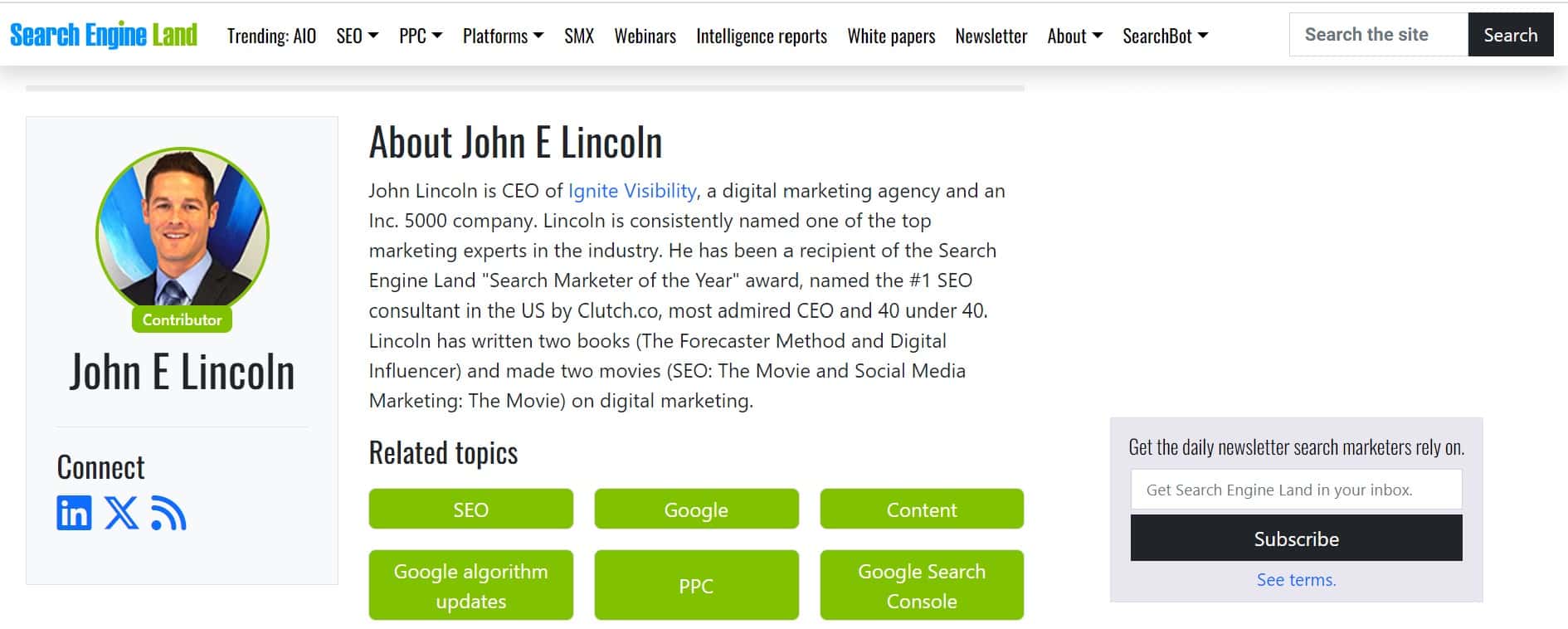
When you contribute high-value insights to authoritative publications, you are effectively “borrowing” their credibility. This is crucial for building Brand Authority because it signals to both users and search engines that your brand is a trusted peer within the industry ecosystem.
The value goes beyond just clicks. By securing a byline on a major industry site, you create a verified connection between your brand and theirs. This brand association helps Google understand your niche expertise, while simultaneously proving to potential customers that you are a recognized leader in the field.
4. Host An Event
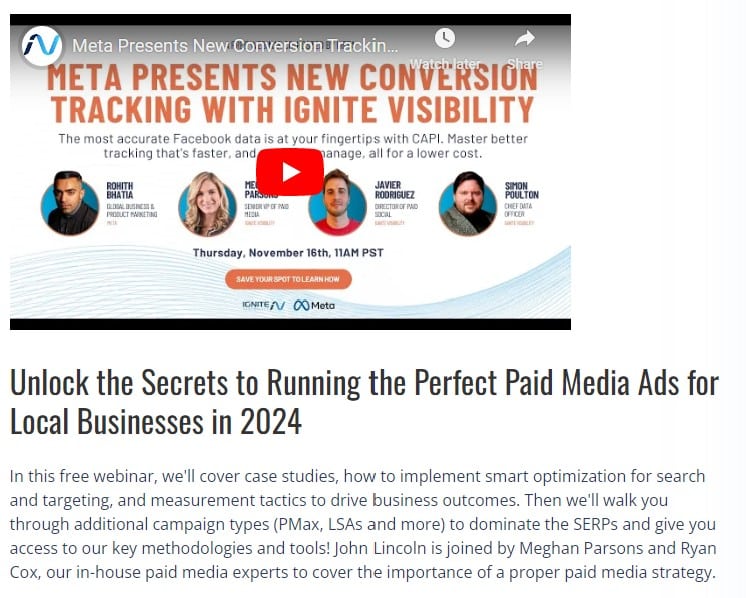
Hosting an event allows you to stop following the conversation and start leading it. Whether it is an in-person conference or a high-value virtual summit, becoming the host positions your brand as the central hub of your industry.
To maximize authority, do not just copy what has been done. Look for the gaps in current industry events. Ask yourself what topics are being ignored or what specific pain points are not being addressed by competitors.
Strategically, this is one of the fastest ways to build authority signals:
- The Network Effect: Partnering with influencers and experts to speak at your event does more than fill seats. It creates a direct association between their personal brand authority and your company.
- Digital PR: Events naturally generate a high volume of brand mentions, calendar listings, and social chatter. These are dense, high-quality signals that tell search engines your brand is active and relevant in the real world.
5. Build More Backlinks
While guest posts are effective, a holistic link-building strategy focuses on earning citations naturally through value.
The most powerful way to build authority is to become the source of truth for your industry. Publish original research, unique data studies, or comprehensive guides that other writers feel compelled to cite. These “link magnets” generate high-value references without you needing to send a single outreach email.
You should also solidify your digital ecosystem. Ensure your website is linked clearly from your social media profiles and other owned channels. While these links may not drive rankings directly, they act as critical verification signals. They help search engines connect the dots between your website and your broader brand presence.
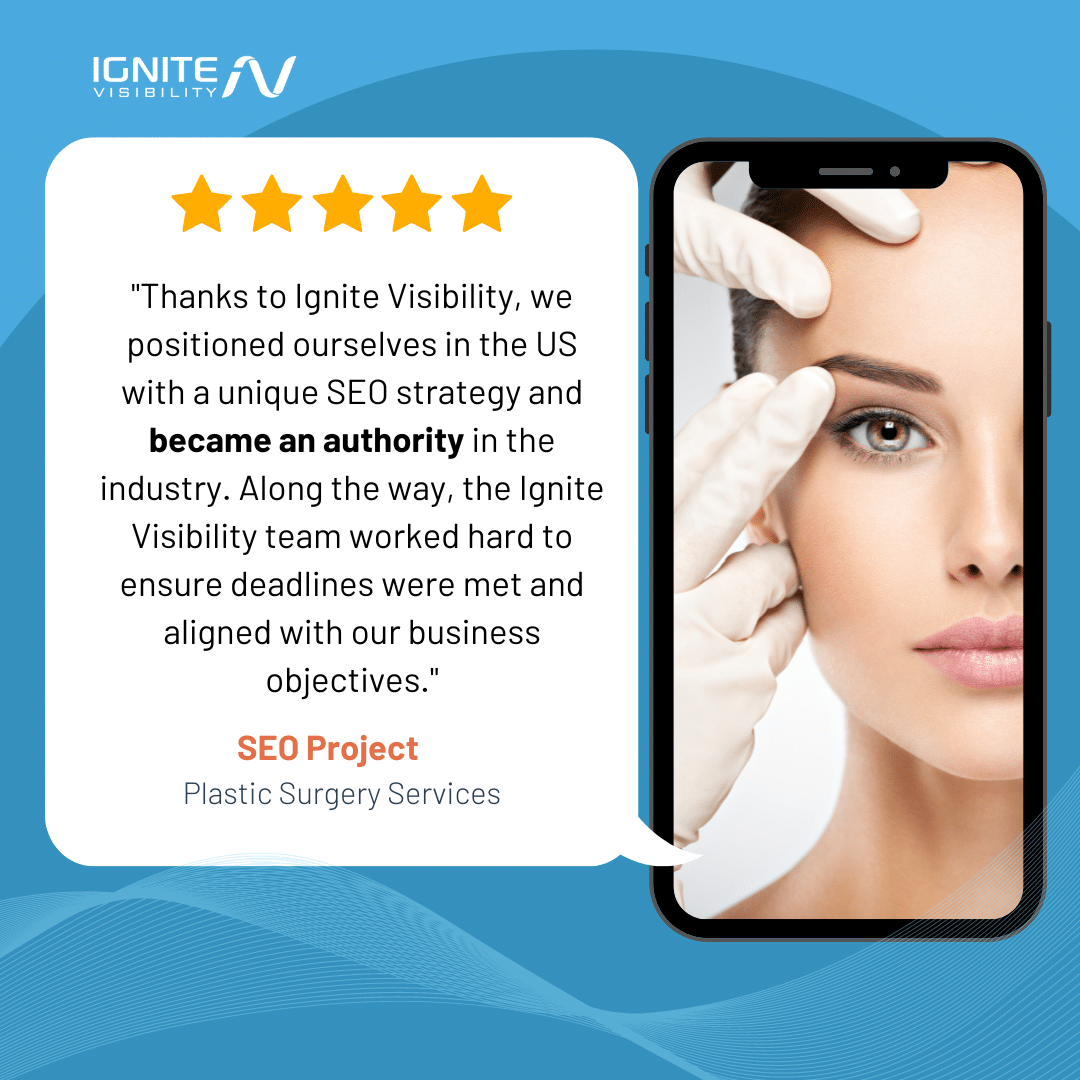
6. Build & Showcase Testimonials for Social Proof
Brand Authority relies heavily on public sentiment. To truly signal that you are a market leader, you must actively build a repository of feedback and strategically use it to prove your value.
Building the Signal: You cannot rely on passive collection. Actively soliciting reviews ensures a steady stream of fresh data. This freshness tells search engines that your business is currently active and serving customers, which is a critical component of maintaining a high authority score.
Leveraging the Trust: Once earned, these reviews become evidence. Displaying them prominently on your site transforms subjective claims into objective facts. This directly feeds into the “Trustworthiness” pillar of E-E-A-T. By proving that real people vouch for your brand, you provide the concrete sentiment data that algorithms need to validate your authority.
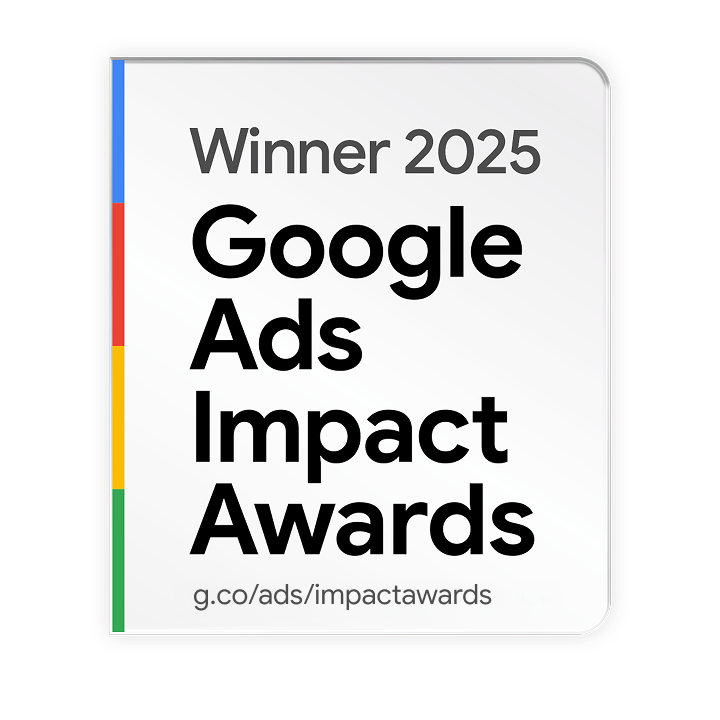
7. Include Awards and Important Accolades
If you’ve won an award, be sure to share it across your website and social media. They serve as tangible evidence of your brand’s quality of work, innovation, and overall excellence.
This increase in visibility may produce buzz on social media or around town, bringing in new business and boosting your Brand Authority further.
FAQs About Brand Authority
1. What is Brand Authority?
What is authority marketing, exactly? In short, Brand Authority is a way to measure a brand’s authority based on its reputation among its audience and a score, such as Moz’s BA score measuring from 1 to 100.
2. How do you measure Brand Authority?
You can measure authority using various metrics and KPIs, including branded search volume, direct traffic, referral traffic, earned media and brand mentions, share of voice, backlinks, and social media engagement.
3. Does Brand Authority affect SEO?
Yes, the more authority your brand has, the better you’ll perform in search engines as Google and other platforms perceive your brand as worthy of higher placement for various queries, including branded terms.
4. How long does it take to build Brand Authority?
The answer to this will vary depending on several factors, including your website’s age and existing authority, how well-established your brand is, and competition level. Based on these and other factors, it can take anywhere from months to years to build authority.
5. What’s the difference between Brand and Topical Authority?
Brand and Topical Authority feed into each other, but there are some critical differences between them to keep in mind. An authoritative brand will benefit from more trustworthiness and a strong reputation as an entity, while topical authority demonstrates knowledge and expertise around a particular topic and related subtopics.
Build Your Brand Authority with Ignite Visibility
Want to make the most of this new metric and your Moz toolset? Ignite Visibility has plenty of expertise in this area to help you improve your brand’s performance.
With our team behind your digital PR efforts, you’ll be able to:
- Effectively measure Brand Authority
- Get more brand mentions on social media
- Land more high-quality backlinks
- Develop and host brand-building events
- And much more!
If you want to supercharge your marketing efforts but can’t do it on your own, connect with Ignite Visibility today!