

As ecommerce brands look to maximize sales, effective retargeting is crucial. One solution you might have heard about is SafeOpt, which is a legitimate third-party retargeting and email recovery platform, but keep in mind that “legitimate” doesn’t necessarily mean low-risk or a viable best practice.
In this blog, we’ll get into what the SafeOpt email retargeting platform is, how it works, and whether it’s worth using as a marketer to re-engage your audiences.
What is SafeOpt?
So, what is SafeOpt? In short, the platform claims that it’s an email remarketing tool that helps shoppers get verified offers and helps brands recover lost visitors to increase sales.
More specifically, review platforms describe the tool as an email marketing or ecommerce recovery software.

How Does SafeOpt Work?
Instead of collecting email addresses via newsletter signups, these websites will contract with SafeOpt to send relevant, targeted emails to visitors, even if they didn’t enter any information on their website.
Here’s how this works:
- When a visitor goes to a website, the site places a tracking pixel or “cookie” on that person’s browser to assign them a unique user ID.
- The system then tracks these users on their partner sites.
- The system links the ID to the person’s device based on browser type, IP address, and operating system, and when the user logs in via email, that email address is assigned to the ID.
- Once the system connects the user’s browsing history to an email, it can then send an email relaying offers unique to them based on the ecommerce sites they visited.
Remember, SafeOpt opt-in differs from brand list opt-ins in that users give direct consent to appear on brand email lists, while users don’t have to voluntarily submit their email anywhere to receive a SafeOpt email.
Of course, as the SafeOpt website specifies, users can simply enter their email to sign up without a SafeOpt login to get deals wherever they shop online, complete with exclusive offers.
Is SafeOpt Legitimate or a Scam?
So, is SafeOpt legit? Yes, SafeOpt comes from a legitimate company, AddShoppers, but it comes with a polarizing user experience with mixed SafeOpt reviews.
Some customer complaints on the Better Business Bureau (BBB) and other sites have expressed concerns over privacy violations and mismatched offers, despite the fact that SafeOpt offers a preference management page and public privacy positioning for brands.
Just based on some of these comments from past users, you might want to consider how your audience might see your business if you choose to implement this platform.
Pros and Cons of SafeOpt for Brands
Let’s look at the specific pros and cons of using this tool based on SafeOpt reviews and its overall reputation:
| Pros | Cons |
| Effective revenue recovery by re-engaging disconnected site visitors | Trust risk, as email recipients could view these emails as “creepy” |
| Fast customer activation to move more people along the customer journey | An increased risk of complaints from customers, which could damage your reputation |
| Incremental reach to build more connections with customers | Shared sender reputation if emails come across as spammy from your sender IP |
| Limited brand control preventing you from optimizing email campaigns to help you stand apart |
Legal vs. Ethical vs. Deliverability Risk
When considering whether to use SafeOpt email strategies, you must also weigh the legal, ethical, and deliverability risks attributed to this platform.
Let’s break these considerations down.
Legal Compliance
There’s plenty of talk around the web about black hat SEO practices. But what about black hat email marketing?
That’s not so clearly defined, and your best bet to avoid any possible legal issues to ensure that you’re following the guidelines set by the CAN-SPAM Act.
The main requirements include:
- Don’t use false or misleading header information – this includes your “from”, “to”; make sure it accurately reflects who is sending the email
- Don’t use deceptive email subject lines
- Identify the message as an ad
- Let recipients know where you’re located
- Tell recipients how they can opt-out from future messages – this is a big one. Make sure you have clear directions and direct link for users to opt-out of your email communication.
- Honor opt-out requests promptly
- Monitor what others are doing on your behalf – this is where monitoring a company like SafeOpt, or any company you hire to do your email marketing, is crucial. While SafeOpt’s practices aren’t technically illegal, if they were to cross the line, your company would also be liable.
You must also consider ICO consent expectations under the UK GDPR, which dictates that consent must be:
- Freely given
- Informed
- Specific
- Unambiguous
Consent must also be as easy to withdraw as it is to provide it, and marketers cannot bundle consent with general terms and conditions or be a part of a condition of services, with some exceptions.
Keep in mind that Gmail sender guidelines, as of 2024, require all senders to authenticate emails with DomainKeys Identified Mail (DKIM) and Sender Policy Framework (SPF), keep spam rates low, and allow for simple, one-click unsubscribes. Additionally, bulk senders sending over 5,000 emails per day need to implement Domain-based Message
Authentication, Reporting, and Conformance (DMARC), avoid any misleading display names or headers, and make use of valid Forward or Reverse DNS.
Another aspect to be careful of is shared sender reputation, as a user sending spam or other unethical emails through the same IP as your business could wind up penalizing your email.
Customer Trust
Consider how the use of SafeOpt could impact trust among your customers, specifically by understanding the ethics around it.
Is SafeOpt Ethical?
In short, SafeOpt is teetering on being an unethical practice. Here’s why:
It comes across as creepy.
One of the worst data experiences a user can have is seeing companies using information that they never gave them.
This is particularly egregious in instances where the visitor clicked on the “No Thanks” button on the popup that appeared just a few seconds after the homepage loaded asking for their email address.
When you say “no” from the get-go, and your request goes ignored, it shows that the company is deciding how the brand-consumer relationship should work instead of you.
It’s legal, but there’s still a grey area.
Technically, under CAN-SPAM, a law that establishes the rules for commercial email, SafeOpt’s actions are legal. But due to an array of privacy issues, that may all be changing soon.
Not to mention, third-party vendors that provide this type of service typically see very high opt-out rates and spam complaint rates.
While it can generate a decent return if executed correctly, it’s better to focus on building your opted-in email list and building out a full suite of behaviorally-triggered automations within your own ESP. These will trigger your own opted-in list of subscribers, resulting in higher engagement, and ultimately, better conversion rates.
It disrupts an otherwise positive shopping experience.
You never want to engage with a brand only to realize their goal was to spam you later on.
Who knows… you might have been ready to spend some serious money with them.
But, after receiving an unsolicited email, it’s only natural to want to avoid giving this company your business. After all, you don’t know their ethics, their data practices, or why they bothered contracting with SafeOpt.
Inbox Placement and Deliverability
Finally, consider your placement in people’s inboxes and overall deliverability before using SafeOpt or another solution.
Just because a platform like SafeOpt is legal doesn’t necessarily mean that it’s best for brand trust or inbox health.
Your emails should avoid spam folders and come across as genuine, which you can’t always get with third-party tools that are largely out of your control.
Instead, you should take a more hands-on approach to emails, optimizing subject lines, headers, content, and CTAs to effectively connect with your recipients.
Best Industry Practices Before Using Any Third-Party Email Recovery Tool
If you want to use a third-party email recovery tool of any kind, here’s a checklist to guide you:
- Gain explicit consent from prospective customers.
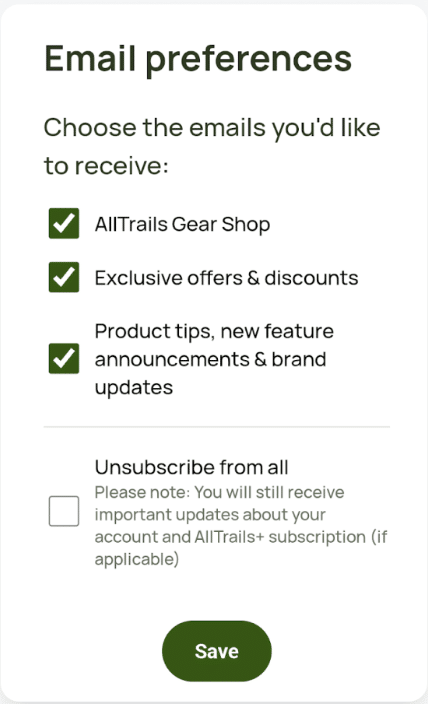
- Allow users to clearly indicate their communication preferences.
- Practice vendor due diligence to gauge ethics and legitimacy.
- Monitor for spam complaints.
- Conduct opt-out testing.
- Perform data-processing reviews to ensure consistent compliance.
- Engage in suppression syncing, which entails sharing data in real time between systems about existing customers, unsubscribes, disengaged leads, and other exclusions from your campaigns.
- Authenticate your emails and domain with DKIM, SPF, and DMARC.
When SafeOpt Might Fit, and When It Probably Doesn’t
SafeOpt email strategies could work for brands in some situations, but there are other times when there are better options.
Some best-fit scenarios for SafeOpt include:
- High-volume ecommerce brands that see thousands, if not millions, of visitors
- Strong offer economics that outweigh the risks of being seen as intrusive
- Clear testing discipline that incorporates SafeOpt as a small part of a larger more comprehensive email strategy
Conversely, the following are some instances when you likely don’t want to implement this solution:
- Premium brands
- Time-sensitive categories with offers that will expire shortly
- Compliance-sensitive teams that want to protect users’ privacy
- Brands already struggling with complaints around intrusiveness
Alternatives to SafeOpt
There are plenty of alternatives to SafeOpt by AddShoppers, including:
- Owned-list growth targeting people who voluntarily opt-in to your email list
- Browse-abandon and cart-abandon flows for known users, reminding them to come back with personalized messaging
- SMS opt-in to enable you to send reminder texts to new and existing customers
- On-site capture through simple forms on various web pages
- Remarketing strategies that attempt to regularly re-engage and inspire sales
- Building customer loyalty through compelling offers that lead to repeat sales
- Lead magnets, such as pop-up forms asking people to sign up for a newsletter or another type of content
Grey Hat Email Practices
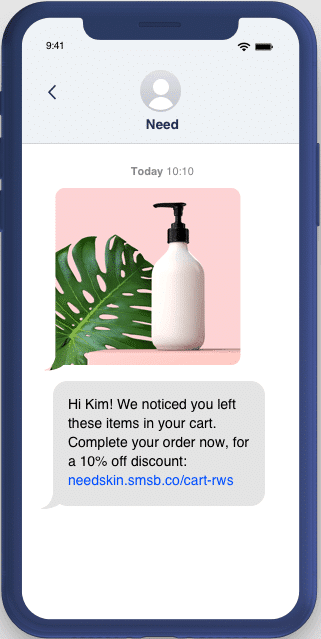
Many people think of black and white hat practices when it comes to email and other marketing tactics, but you also need to avoid grey hat practices.
And while there’s no technical guidelines regarding what is and isn’t considered a grey email practice, this is typically where spam falls. According to Wikipedia, email spam refers to unsolicited messages sent in bulk by email.
While these practices aren’t illegal, they are considered unethical and possibly highly ineffective, which is why you should stick with white hat techniques like receiving people’s consent to send emails and avoiding oversaturating their inboxes with too many messages.

Consumer Perspective vs. Marketer Perspective
To give you a better idea of how people perceive SafeOpt and platforms like it, let’s compare their perspectives:
| Pros/Cons | How Consumers See SafeOpt | How Marketers See SafeOpt |
| Pros |
|
|
| Cons |
|
|
Our Verdict
Ultimately, here at Ignite Visibility, we don’t classify SafeOpt as a scam. At the same time, we believe it’s not the first choice of a best practice for most brands.
If you want to create a SafeOpt login and try to reconnect with your target audiences using this platform, it’s best to use it via a controlled test and brief experimentation, but don’t make it your go-to solution. Instead, develop a solid email strategy using first-party data and other marketing tactics to move leads down the funnel toward a sale.
FAQs
1. Is SafeOpt legal under the 2026 CCPA amendments?
Is SafeOpt legit? Under the 2026 California Consumer Privacy Act (CCPA), SafeOpt by AddShoppers is compliant with the CCPA’s main requirements, but its legality will continue to depend on whether the company complies with increasingly stringent opt-out and data-sharing regulations.
2. What is the difference between SafeOpt and AddShoppers?
SafeOpt is a type of retargeting software that AddShoppers developed. SafeOpt by AddShoppers is the parent company’s proprietary platform that can identify anonymous users and target them to promote personalized offers and recommendations.
3. How does SafeOpt affect my brand’s sender reputation (IP warming)?
SafeOpt can help boost sender reputation through increased engagement among audiences with relevant and personalized emails. More engagement will indicate to ISPs that your address is trustworthy, allowing for gradual IP warming.
4. Can users opt out of SafeOpt via the 2026 Delete Act?
Under the 2026 California Delete Act, specifically through the Delete Request and Opt-out Platform (DROP), California residents can opt out of SafeOpt and elect to have their data deleted from the platform.
5. SafeOpt vs. abandoned cart flows: Which has a better ROI?
Generally, abandoned cart flows can yield higher ROI over time. Although SafeOpt can provide incremental ROI by reconnecting with audiences, a streamlined cart flow will more personally and trustingly engage them using first-party data, which individuals can actually opt in to provide and indicate higher intent.
Benefit From Effective Retargeting With Ignite Visibility
While SafeOpt may work for some marketers, there are plenty of potentially more effective strategies that can help you consistently connect with your target audiences and drive more sales. At Ignite Visibility, our experts can work with you to determine what works with complete lifecycle marketing solutions.
When you turn to us, you’ll get:
- The ability to track customers through Meta Pixel, Google Tag, and other first-party trackers
- Audience segmentation that helps identify specific personas within your larger audience for more effective targeting
- Personalized email marketing and other channels
- Complete customer journey mapping
- And more!
Contact us today to speak with one of our experts and discuss your marketing needs in a free proposal.
