

To connect with audiences and move them along the customer journey, you need to know the five sales funnel stages: awareness, interest, evaluation, purchase, and retention and advocacy.
In this blog, Tommy Becker, SVP, Business Development, will dive deeper into each of these stages and how they work together in a cohesive strategy to streamline marketing and sales.
What We’ll Cover:
- What is a Sales Funnel?
- How to Create a Sales Funnel Properly
- Stage 1: Awareness
- Stage 2: Interest
- Stage 3: Evaluation
- Stage 4: Purchase
- Stage 5: Retention and Advocacy
- Re-engage Your Leads
- Important Marketing Metrics for Each Stage of the Sales Funnel
- FAQs: Sales Funnel Stages
TL;DR
A strong sales funnel aligns marketing and sales around each stage of the customer journey.
- Guide prospects through awareness, interest, evaluation, purchase, and retention.
- Segment audiences by needs, intent, behavior, and buying readiness.
- Define clear entry, conversion, and exit criteria for every stage.
- Match each segment with relevant content, offers, channels, and CTAs.
- Track stage-specific metrics to identify drop-offs and improve handoffs.
- Re-engage qualified leads with personalized outreach based on why they disengaged.
What is A Sales Funnel In Digital Marketing?
In short, a digital marketing sales funnel is an approach that involves multiple stages to attract, nurture, convert, and retain high-value leads as they move from the top to the bottom of the funnel.
Funnels are useful in establishing a lasting relationship with prospects, leads, and, ultimately, customers, and they could work nonlinearly in some cases, depending on the unique journey your audiences take.
Generally, the five stages of the sales funnel are as follows:
- Awareness
- Interest
- Evaluation
- Purchase
- Retention and advocacy
Just keep in mind that not every funnel will adhere to all five stages, with some audiences potentially skipping certain stages, returning to earlier ones, or engaging with multiple stages at the same time.
Google refers to these nonlinear journeys as the “messy middle,” based on its purchase-journey research.
Expert Opinion on the Sales Funnel Stages
When working to connect with audiences and turn them into repeat customers, you need to have a good handle on lifecycle marketing. As you map the customer journey from initial interaction to purchase, it’s important to look at each stage of the marketing and sales funnel.
Beginning with the awareness stage and culminating in not only a purchase but also a commitment to your brand, the entire sales funnel process will entail continuous engagement and alignment between marketing and sales teams to ensure you build a strong relationship with the most viable prospects.
You must also consider how each of your audience segments’ journeys down the funnel differ to keep them moving along toward a sale and, ultimately, long-term loyalty, which involves implementing the right tactics and optimizing the sales funnel for SEO and other marketing strategies.
I’ve seen how implementing sales funnel stages can generate more leads and customers with many of our strategies here at Ignite Visibility. For example, one quick-service restaurant franchise saw a 56% increase in leads with a full-funnel strategy, which entailed optimizing the stages of the search funnel for SEO. Another client, a home services franchise, generated 23% more leads despite a 16% lower budget, with full-funnel lead acquisition serving as a critical component of their strategy.
Now, let’s go deeper into what makes for effective sales funnel management and each of the sales funnel stages explained, from the best tactics and tools to use to key metrics to track and mistakes to avoid.
Sales Funnel vs. Marketing Funnel, Pipeline and Customer Journey
While these concepts work together, they vary in their roles and approaches to both marketing and sales.
Let’s look at their key differences:
- Sales Funnel: This refers to the process of converting qualified leads into paying customers, with a focus on conversions.
- Marketing Funnel: This funnel works similarly to the sales funnel, but it focuses primarily on generating interest and qualified leads that move into the sales funnel, with an emphasis on building brand awareness, interest, and engagement.
- Sales Pipeline: This concept covers the stages of sales specifically, with revenue forecasting factored in and the measurement of deal velocity and pipeline value.
- Customer Journey: This aspect explores the end-to-end user experience and the emotional connection that people make as they move toward a sale, mapping the path of travel each customer takes as they engage with a brand.
Why a Defined Sales Funnel Matters
Optimizing a sales funnel for SEO and other aspects of marketing and sales is essential for a number of reasons.
The following are the main benefits of implementing funnel stages in sales:
Creates Shared Stage Definitions
One of the main advantages of the sales funnel stages is the ability to more effectively align marketing and sales, as both teams can agree on what qualifies for each stage.
For instance, sales and marketing could define those who enter the awareness stage as individuals who recognize they have a specific pain point that an offering can solve, while those in the purchase stage might include exclusively sales-qualified leads (SQLs) who the sales team is ready to handle and lead to a sale.
Reveals Conversion Gaps
Teams can use the stages of the sales funnel to measure how many prospects advance, stall, or exit at any point.
Based on these insights, teams can then figure out ways to streamline the customer lifecycle and keep people moving down the funnel more consistently.
Improves Resource Allocation
The funnel stages in sales processes also help teams evaluate channel performance based on lead quality, pipeline contribution, and total revenue instead of traffic alone.
If there are any areas that are underperforming, marketers and sales teams can determine where to redirect resources to optimize funnel performance and maximize profitability.
Strengthens Marketing and Sales Handoffs
In addition, clear ownership and qualification criteria keep promising leads from getting lost between teams.
Marketers can determine where leads become marketing-qualified near the top of the funnel, leading them down to the point of being sales-qualified at a certain stage, facilitating sales enablement toward the bottom of the funnel.
How the Five-Stage Model Works
Five stage sales funnels incorporate the following main stages:
- Awareness
- Interest
- Evaluation
- Purchase
- Retention and Advocacy
Note that the primary added stage is retention and advocacy, which involves keeping customers in the funnel beyond that initial purchase to ensure repeat sales.
Many mid-market B2C businesses may want to use this process, along with B2B businesses offering simple products. For instance, a B2B SaaS brand might want to offer a demo during the evaluation stage to determine whether a product is right for them, while an ecommerce brand may want to encourage multiple sales through a subscription, loyalty program, or personalized recommendations during the loyalty stage.
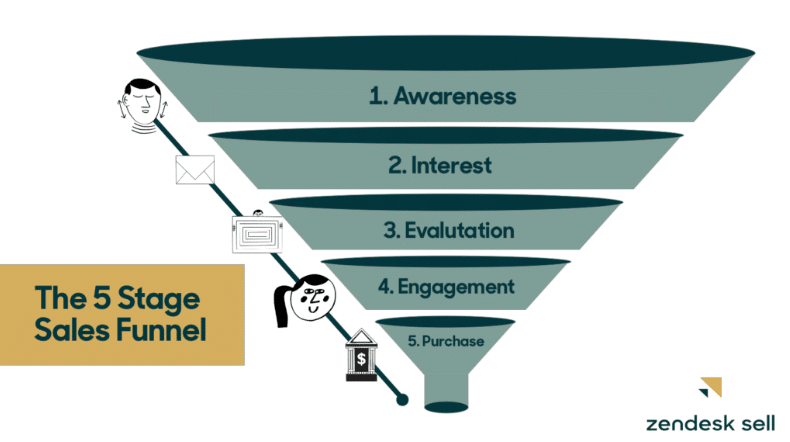
For each sales funnel stage, you need to consider what counts as stage entry, a conversion, and exit criteria that move people to the next stage. Each of these elements will vary depending on your brand and industry.
For instance, B2B sales funnel stages may be longer as business customers need more time to make critical buying decisions, leading them to consider marketing-qualified leads those who download a gated whitepaper in the interest stage, with conversions involving those who reach a particular lead score based on different levels of engagement, indicating suitable lead quality, and exit criteria at the interest stage involving marking leads as sales-qualified and passing them onto a sales development rep.
Meanwhile, ecommerce digital sales funnel stages could be much shorter as people are more likely to make impulse buys. Entry criteria for the interest stage here could include users who click on social media ads or viewing a product video, with conversion criteria being a specific amount of time spent on the ecommerce website, and exit criteria involving adding an item to a shopping cart or initiating checkout. This kind of short funnel would create a more direct line between interest and purchase stages.
Service-based companies, subscription businesses, and other types of brands need to consider how their funnel might look, with plenty of potential differences between them that could create very different-looking funnels.
How to Create a Sales Funnel
Take the following basic steps to implement all sales funnel stages:
1. Define the Primary Business Goal and Conversion
Every sales funnel must start with a specific business goal you want to achieve with it, with a clear definition of a conversion for each stage.
Potential goals could include reaching a specific recurring revenue target, a number of product sales, or number of consultations requested from customers.
Based on your goal, you can determine what counts as a conversion, including a combination of micro-conversions and macro-conversions, e.g., a micro-conversion being an email signup while a macro-conversion involves a purchase.
2. Research the Audience and Buying Process
You must also know how to segment prospects by sales funnel stage, as each audience will look different as they move down the funnel.
Look into existing customers or competitor funnels to get a picture of how your target audience might move to each stage. In the process, think about your audience’s unique pain points, purchasing objections, challenges, and demographics.
When segmenting audiences, you could also develop tailored audience personas for each segment, which can help pinpoint the particular journey each might take and the right way to go about converting them.
3. Define the Sales Funnel Stages and Progression Criteria
Starting with the basic infrastructure of the five-stage funnel, you can define your unique funnel.
For each stage, establish clear entry and exit criteria, which will help you determine what counts as an effective funnel as you work to convert audiences.
4. Map Customer Questions, Content, Offers, and CTAs
The next step involves listing customer questions that people might have at each stage, along with mapping all content, offers, and calls to action for every stage.
For example, you may have high-level blogs or videos in the awareness and interest stages, while lower-level landing pages might use compelling CTAs to direct audiences to free trials, product demos, and case studies during the evaluation and purchase stages.
Make sure you develop content that addresses different questions people might have along their journey, with offers that lead to more immediate purchases with shorter sales cycles.
5. Assign Channels, Team Ownership, and Handoffs
Next, for every stage, designate the marketing channels to use, like developing stages of a search funnel at the awareness stage to prioritize search engine optimization (SEO) and paid search ads.
Additionally, you should have specific team members assigned to each stage and its respective assets. Ultimately, a seamless handoff protocol will also help indicate when leads have progressed from one stage to the next, making sure prospects never go overlooked or forgotten at any point.
6. Configure Tracking and Establish Baseline Metrics
To get the insights you need into your funnel’s performance, you must set up the proper tools to help with measurement. These solutions could include analytics platforms, sales customer relationship management (CRM) tools, and tracking pixels that capture all user interactions across your site.
Using your goals as indicators, you also need to choose the right metrics to measure and their respective baselines, including conversion rates, pipeline velocity, average order values, and others. These baselines will provide you with a defined control group, indicating how your funnel performs before making any changes.
7. Launch a Controlled Pilot
Before officially adopting any strategy or tool, run a small-scale pilot test. This process could involve directing a certain amount of paid traffic or a small audience segment in your email list through the funnel, which could help with stress testing.
During this pilot, you might uncover various issues, such as slow page loading speeds, checkout issues, and other friction points at certain funnel stages in the sales cycle.
8. Diagnose, Test, and Scale
After gathering real-world data from your pilot, identify the areas where people are dropping off most. These bottlenecks could help you figure out ways to further streamline the funnel, with A/B testing of various assets to determine which headlines, offers, CTAs, and other elements ease conversion.
Also, consider the predictive funnel: how top brands recue potential sales. Using historical data and AI tools can help you anticipate how people might engage with your brand at various stages, enabling you to proactively optimize your funnel to prevent everything from top-funnel visibility loss to hesitation during the purchase stage.
Sales Funnel Stage 1: Awareness
Here is the first stage in the predictive funnel: how top brands rescue potential sales with awareness.
Goal and User Mindset
At this point of the funnel, it will be all about building more brand awareness and turning people toward your brand as you develop trust and recognition. Through blog posts, articles, videos, and other content, you can establish your brand authority while optimizing the sales funnel for SEO, PPC, and other strategies.
Users will be searching for surface information at this level, meaning you’ll want to provide it and, in the process, connect with marketing-qualified leads.
Just remember that the main objective here is to maximize relevant visibility and useful engagement, not to automatically generate MQLs. You want to prevent top-funnel visibility loss and get people to connect more with your brand before moving to the interest stage.
Recommended Tactics
Here are some effective strategies and channels to use during the awareness stage:
Social Media Posts and Promotions
Regularly share insightful content, engage in meaningful conversations, and strategically use paid promotions to reach a wider audience. Authenticity and consistency are key to building trust.
Guest Posting or Blogging
Position yourself as an authority in your industry by guest posting on reputable websites or maintaining a well-crafted blog on your own site. Share valuable insights, showcase your expertise, and connect with your target audience through informative and engaging content.
Whitepapers & Webinars
Offering in-depth whitepapers and webinars not only demonstrates your industry knowledge but also provides valuable information to your audience. These resources can become authoritative references, fostering trust and loyalty among your followers.
Infographics
In today’s fast-paced digital world, visually appealing infographics can be a powerful tool. They distill complex information into easily digestible visuals, making it easier for your audience to absorb and share your brand’s expertise.
Public Relations
Effective public relations can garner media coverage, shape public perception, and solidify your brand’s reputation. Trustworthy PR efforts can help your brand navigate challenges and setbacks gracefully.
Ignite Visibility can assist you with effective Digital PR strategies that share your business’s good news, objectives, and connections. Reach out to us today!

Key Metrics to Track
Some of the main metrics to track when building awareness include:
- Relevant Impressions: The number of times content or ads appear before users who match your customer profile.
- Non-Branded Search Visibility: The percentage of SERP real estate your site captures for non-branded search queries related to your industry or offerings.
- New Engaged Users: First-time visitors to a website who continue to engage after landing on the page, not contributing to bounce rates.
- Qualified Reach: The number of people within your specific target audience who have seen your brand assets at least once.
- Content Consumption: The depth of users’ interaction with your top-of-funnel resources, which you might track via metrics like watch times, scroll depth, or podcast listens.
Common Mistakes to Avoid
Additionally, the following are some critical mistakes to avoid making at this stage:
- Pushing for Immediate Sales: Remember, prospects at this stage just want to learn more information; they’re not ready to buy quite yet, so you’ll want to focus on solving problems and answering questions instead of promoting your brand or offerings.
- Low-Quality Content: Google prioritizes helpful content that demonstrates Experience, Expertise, Authoritativeness, and Trustworthiness (E-E-A-T), making it crucial to produce high-quality content that appeals to both readers and search engines.
- Neglecting to Collect First-Party Data: At the top of the funnel, you should gather critical first-party data that helps you better understand your target audience and continue to engage prospects. Lead magnets that collect information in exchange for gated content are great for obtaining this data.
- Poor Targeting: Always segment your audiences into different groups who are most likely to respond to your content and marketing efforts. Gone are the days of blasting all your content to try and connect with audiences.
Stage 1 Awareness: Tools
Before you can sell anything, you need to make people aware of your product or service. The good news is that there are plenty of sales funnel tools to help you get the word out about your brand.
SEMRush
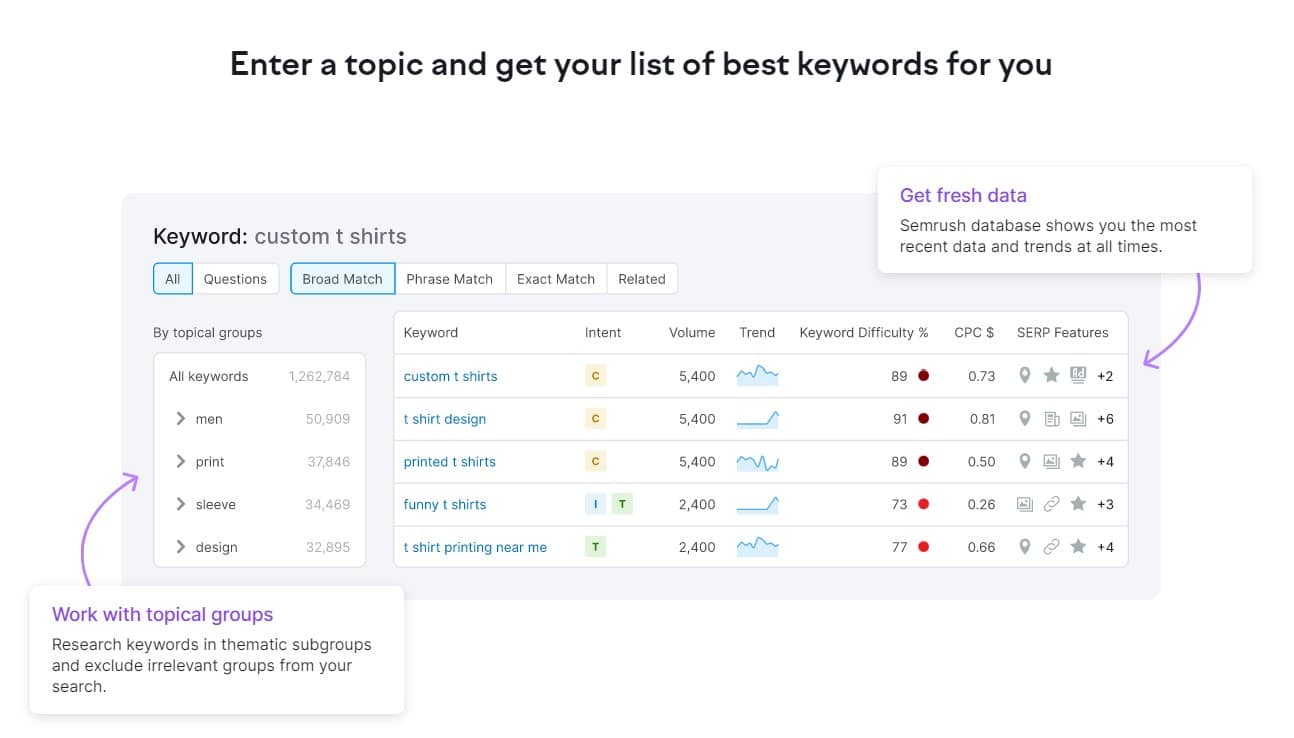
No digital marketing effort is complete without SEO. That’s why SEMRush is so valuable. It offers competitive intelligence, keyword research, backlink analysis, anchor text reports, and traffic analytics.
Ahrefs
Another great tool for SEO is Ahrefs. In addition to keyword and domain analytics, Ahrefs also includes a content explorer that lets you quickly discover the most popular content online. Then, you can incorporate this new knowledge into your sales funnel steps and produce similar content that will attract customers to your site.
Rallio
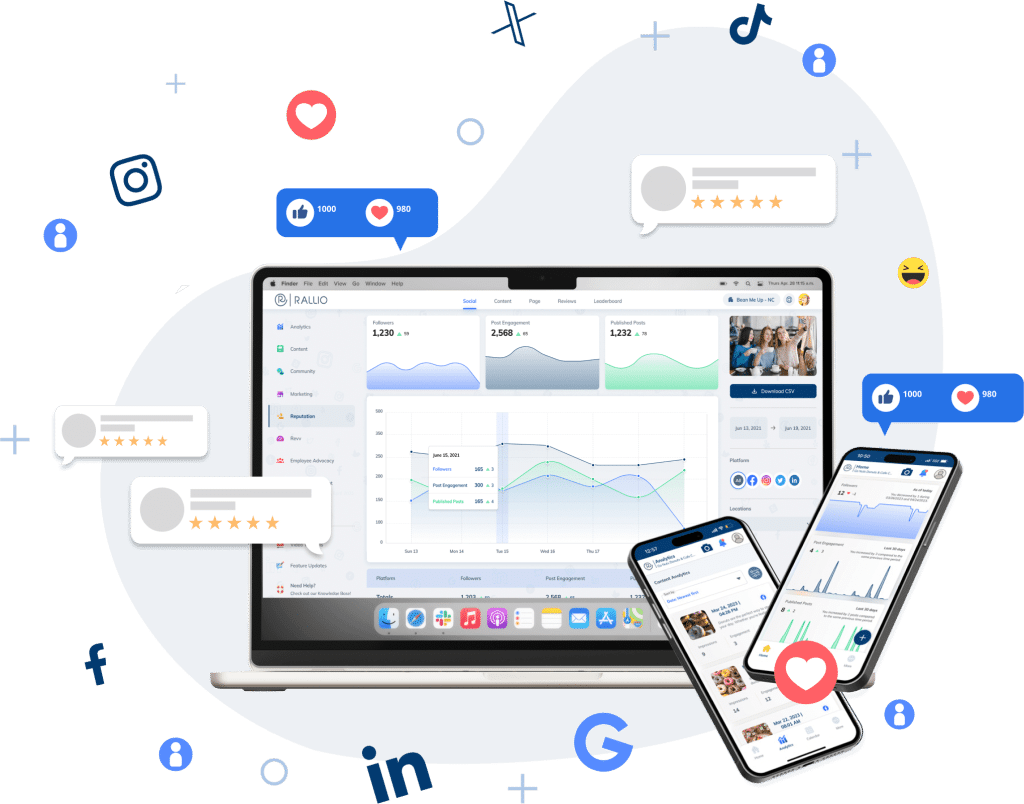
Social media marketing is an important way to help people discover your brand. Our very own, Rallio, saves you some time by enabling you to post updates to multiple social media channels all at once. Also, you can submit a number of updates at the same time and schedule them to post throughout the day so that you don’t annoy your followers with multiple updates that appear in rapid succession.
Hootsuite
Hootsuite is an alternative to Rallio. It offers a few more bells and whistles but doesn’t let you play for free (permanently, anyway). If you’re planning on using social media marketing as an integral part of your online efforts and you need the absolute best service possible, you should probably fork over the cash for Hootsuite. It helps to simplify the marketing stages and frees up your valuable time.
LinkedIn Sales Navigator
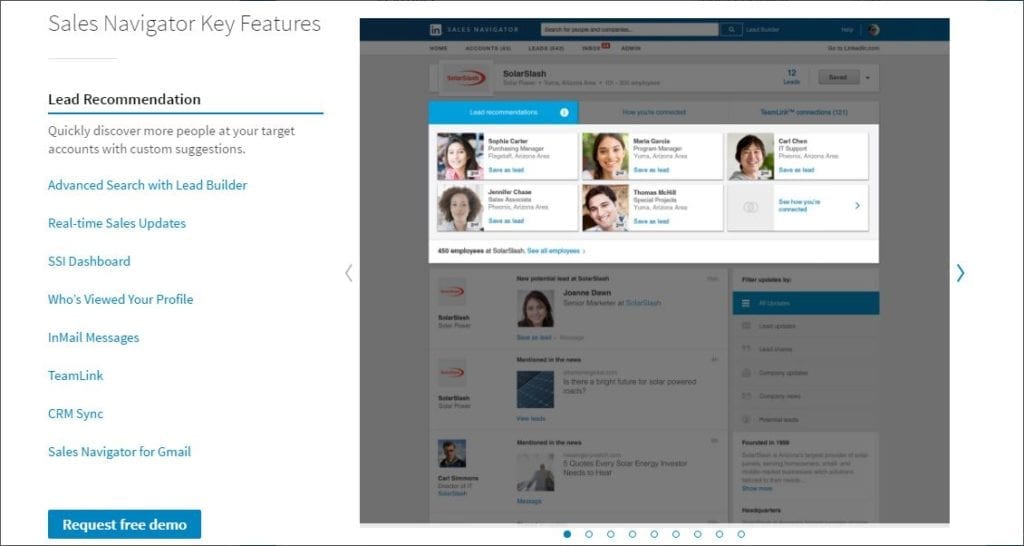
If you’re in the B2B space, then hopefully you’re actively marketing your brand on LinkedIn. With the LinkedIn Sales Navigator, you can take marketing on that social media site to the next level by finding lead recommendations that are tailor-fit to your business. It makes navigating through your sales funnel much easier.
Pitchbox
Pitchbox is a go-to platform for full-stack prospecting for advanced targeting. Marketers should use it for influencer marketing, leveraging data, link building, and more.
Sales Funnel Stage 2 Interest
Once people have learned about your brand, they’re likely to take an interest in it.
At this point, you’ve hooked the fish, but you haven’t yet reeled it in – which makes it one of the most important stages in the sales funnel.
Goal and User Mindset
Throughout the interest stage of the marketing and sales funnel, your goal will be to nurture leads and build their trust over time. Users at this point will be interested in what you have to say, but they’ll still be somewhat skeptical and want to investigate your information, claims, and brand.
The best way to appeal to people during this phase is to continue to establish authority, capture first-party data, and reduce any uncertainty that audiences might feel when connecting with your business.
Recommended Tactics and Channels
During this stage, you’ll want to focus on the following types of content:
Email Campaigns
Craft compelling messages that resonate with your audience’s interests and concerns. It’s about nurturing the spark of curiosity, gradually moving them towards conversion.
Blog Posts
Informative, engaging, and value-packed blog posts play a key role in sustaining interest. Share insights, offer solutions, and showcase your industry expertise. These posts should serve as beacons of knowledge, building your brand’s authority while keeping your audience engaged.
Lead Magnets
Offer valuable resources such as ebooks, guides, or exclusive content. These enticements not only captivate your audience but also serve as golden opportunities to collect crucial customer data for future interactions.
Chatbots
Introduce chatbots into the equation for real-time engagement. These AI-powered companions can answer questions, provide recommendations, and guide visitors down the interest-driven path. Their instant responsiveness fosters a sense of connection and assurance.
Retargeting Campaigns
Never let your engaged prospects slip through the cracks. Retargeting campaigns are the safety net. Remind your audience of their interest with targeted ads, gently urging them to take the next step. It’s a strategic move to keep your brand at the forefront of their minds.
Webinars
Drive more engagement with webinars that get people directly involved, such as interviews with industry experts and live Q&A sessions allowing audiences to ask questions. Also, make webinars available to download after recording, creating potentially evergreen content pieces that can continually engage audiences.
Assessments
Conduct surveys, provide users with quizzes, or offer industry-relevant calculators or other tools to help assess leads’ wants and needs as they move down the funnel. Asking introductory questions can help establish benchmarks and direct people to the next stage of their journey, all while giving your marketing and sales teams insights as to how you can meet each customer’s requirements early on.
Key Metrics to Track
Some critical metrics to focus on during this stage include:
- Visitor-to-Lead Conversion: The rate of people who convert from website visitors to qualified leads.
- Resource Downloads: The total number of downloads of gated or ungated assets like ebooks and webinars.
- Webinar Registrations: The number of people who register for a webinar.
- Email Clicks: The number of times people click through an email, contributing to open rates.
- Returning User Rate: The rate at which people who visited your site once before return, signaling more interest in your brand.
- Progression to Evaluation: The rate of leads who successfully move from the interest to the evaluation stage of the funnel.
- Subscriptions: Track any subscriptions, whether paid or unpaid, like email signups and subscriptions to a publication you issued.
- Return Visits: Also track return visits to your site from people who’ve already visited, which could indicate high buyer intent as people become increasingly interested in your brand and offerings.
- Resource Downloads: Set a target for and measure resource downloads, including any downloads of whitepapers, recorded webinars, ebooks, or other gated assets.
Common Mistakes to Avoid
You’ll also want to avoid the following mistakes:
- Information Overload: Overwhelming audiences with content could drive them away and diminish engagement, which is why you should gradually push relevant information in a drip campaign.
- Failing to Personalize: It’s always in your best interest to personalize marketing content and messaging to speak more directly to each lead in the funnel.
- Neglecting Social Proof: Always include case studies, testimonials, and user-generated content to connect with audiences, as 98% of people read reviews from others before making a purchase of any kind.
Stage 2 Interest Tools
Here are some sales funnel tools that you can use to prevent the big fish from getting away.
Unbounce
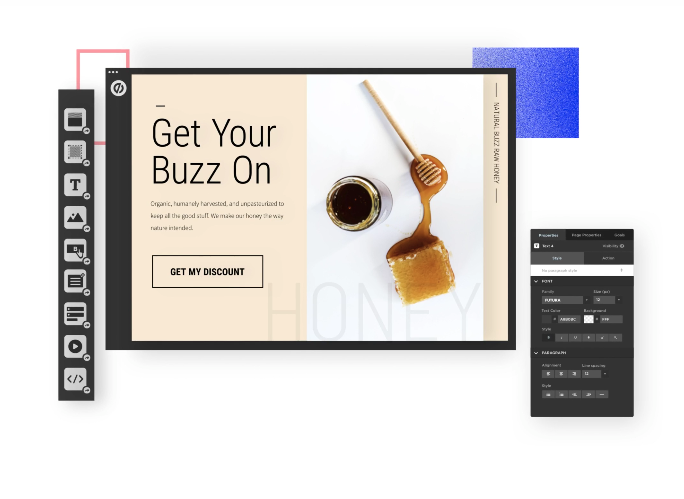
Once you get prospects to your website, the last thing you want is for them to bounce away from it, hence the name Unbounce. The company helps you produce landing pages that will keep visitors on your site and, eventually, transform them into paying customers.
CrazyEgg
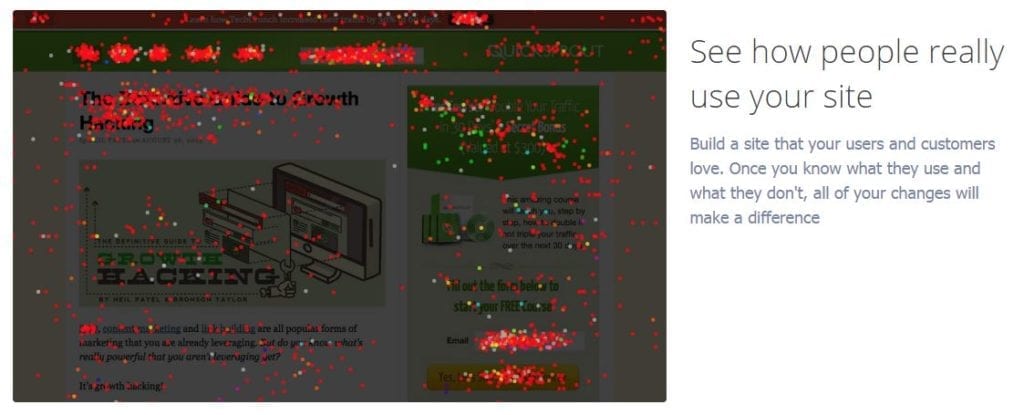
Ever wonder how people use your site? If so, then you should visit CrazyEgg to view heatmaps that show where people are clicking on your various pages. Armed with that information, you can optimize your site for maximum conversions.
Optimizely
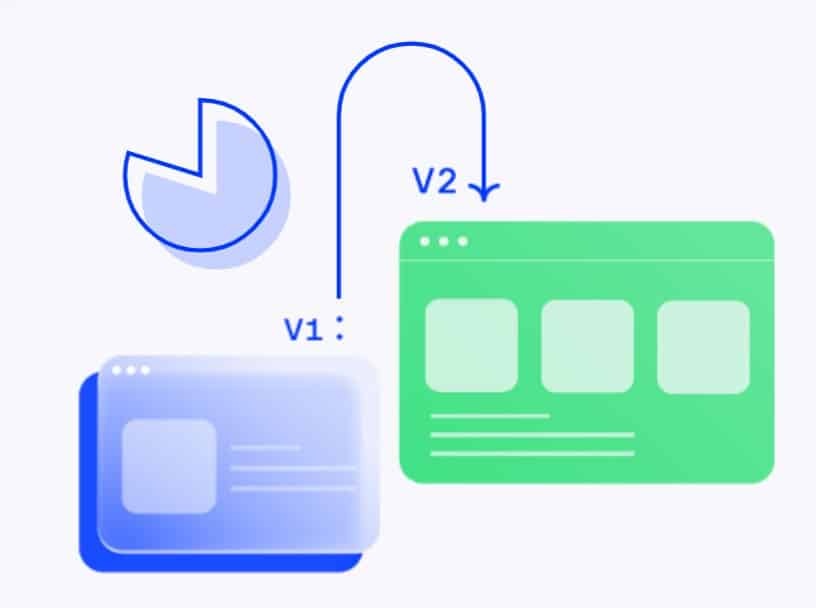
How would you like to use the same tool to optimize your site that was used by Disney and The New York Times? You can do that with Optimizely. The tool allows you to “experiment broadly across the entire customer experience, on any channel, any device, and any application.” Test out experiments and generate insights to continuously gauge your audience’s interests.
Hot Jar
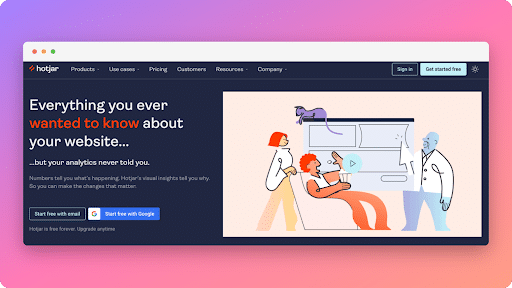
HotJar tracks how visitors use and interact with your website or product. This CRO tool allows you to get into your customer’s shoes and see firsthand what their experiences are when using your site.
Sumo
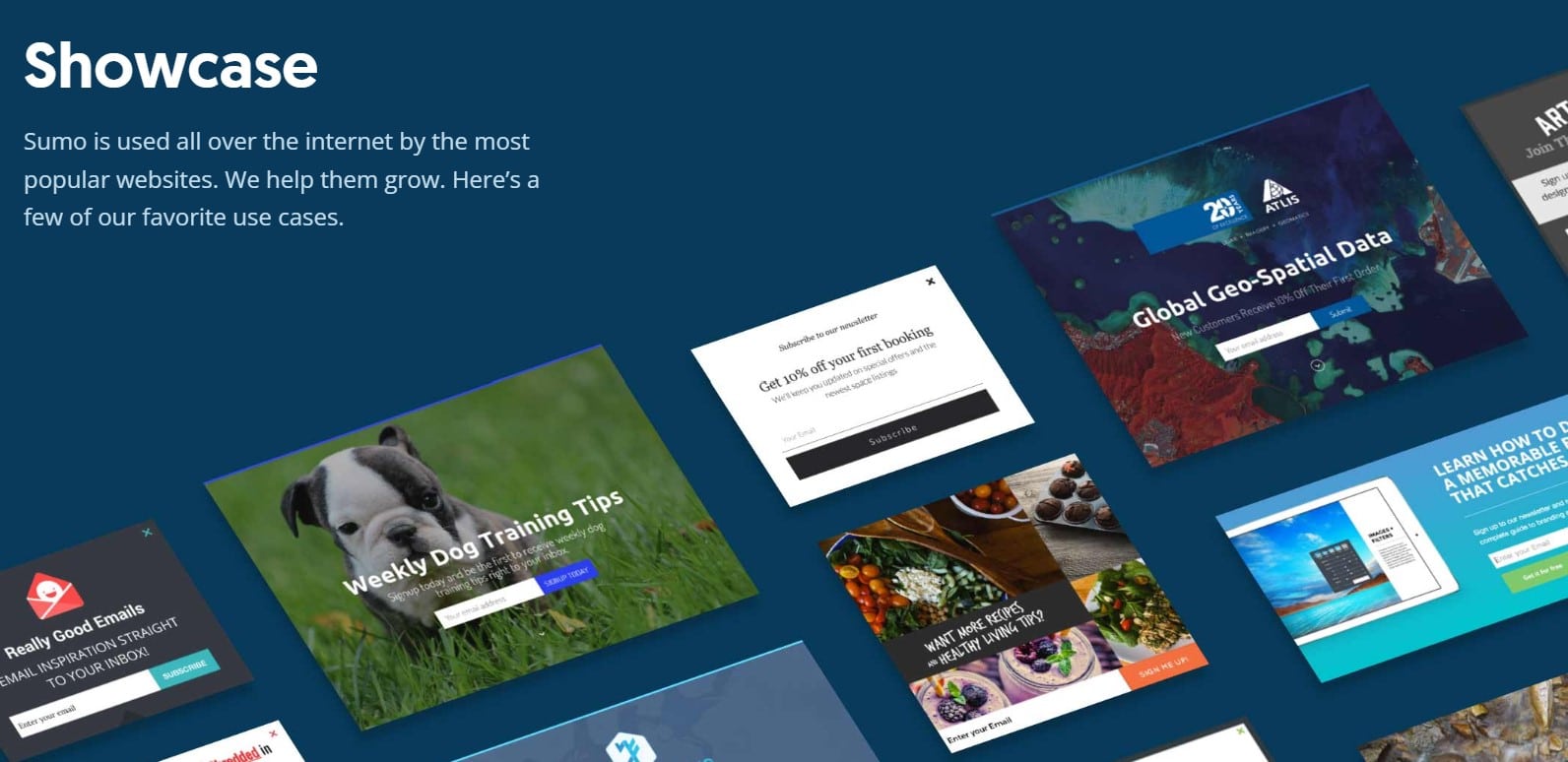
Sumo is an excellent tool to connect your email marketing to your website and design custom calls to action. As a popular tool for lead generation, this tool also doubles as great software for email capture, CRO and visitor analysis.
Instapage
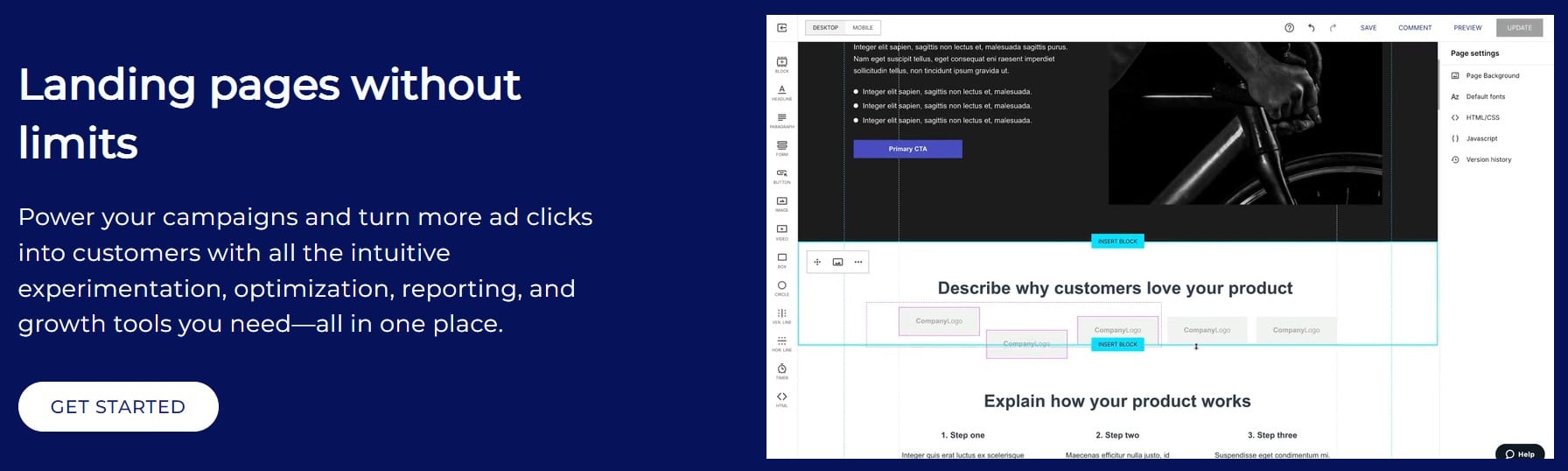
Instapage allows you to create landing pages at lightning-fast speeds with its large library of customizable templates. This tool also allows you to create fast-loading AMP landing pages which reduces bounce rates and increases conversions. The platform also provides post-click optimization for campaigns that send out a personalized thank you page and email. This is a useful sales funnel step for later on in the process.
Sales Funnel Stage 3: Evaluation
At this funnel stage, people are taking a very keen interest in your product or service. You’ve almost closed the sale, but you’re not quite there yet.
Goal and User Mindset
In moving people toward a sale, you will want to prove that your brand and offerings are the best choice among the competition. Through everything from testimonials to details about your offerings, it’s about showcasing what sets you apart as the most viable solution to your audience’s problems.
Users will want to know more about why they should trust you and your offerings, comparing you to others, making this stage your time to really shine.
Recommended Tactics and Channels
Aim for some of these content types to really reel in your customers:
Pricing Pages
Transparency is key. Lay out your pricing plans clearly and concisely. Highlight the value of each tier and emphasize the benefits customers will gain. Make sure there are no hidden fees or surprises.
Case Studies
Dive deep into success stories. Provide detailed accounts of how your product or service solved a problem for a client. These real-world examples showcase your expertise and demonstrate your ability to deliver results.
Discount & Promo Codes
Everyone loves a good deal. Offer exclusive discounts or promo codes to incentivize a purchase. Make sure these offers are time-limited to create a sense of urgency.
Live Demos or Tutorials
Take a hands-on approach. Offer live demos or tutorials that walk potential customers through your product or service. Address their pain points and show how your solution can make their lives easier.
Product Comparisons
Provide side-by-side product comparisons to highlight the unique differentiators and benefits you offer over competitors.
This is particularly important for B2B sales funnel stages, as business buyers want to confirm which solution is the best before committing to a purchase.
Key Metrics to Track
Be sure to track these essential metrics at this stage:
- Trust and Intent Indicators: High-intent resource downloads, dwell time, and free trial or demo progression
- Sales Alignment and Momentum: The conversion rate of marketing-qualified to sales-qualified leads, sales conversion rates, and lead response time
- Comparative and Competitive Performance: The rate of formal offers that move leads forward, review engagement, and win/loss ratio against each competitor
- Demo or Consultation Requests: The number of times people request a product demo or book a consultation.
- Trial Activation: The number of times people activate free or paid trials.
- Lead-to-MQL: The rate at which leads toward the top of the funnel convert into marketing-qualified leads.
- MQL-to-SQL: The rate of people transitioning from marketing-qualified to sales-qualified leads, indicating where to hand them off.
- Qualified Opportunity Rate: The percentage of all marketing- or sales-generated leads who successfully advance to viable sales opportunities.
- Response Time: The time it takes for customer support to respond to inquiries.
- Time in Stage: The amount of time people spend in the evaluation stage before moving to the purchase phase.
Common Mistakes to Avoid
To mitigate the risk of losing high-intent leads here, avoid the following:
- Opaque Pricing: Give audiences a good idea of how much your offerings will cost, even if you ultimately have them contact you for more in-depth pricing.
- Generic Social Proof: Incorporate more relevant social proof through industry-related testimonials and reviews.
- Avoiding “Anti-Selling”: Be honest about who your product is not for, as well as who might benefit from it, which can help weed out low-intent or irrelevant leads and boost conversions with truthful marketing.
- Not Using Interactive Content: Relying too heavily on static content like webinars and PDFs could make content feel like a “lecture,” which is why you should implement interactive content when possible to maximize engagement, including calculators, demos, and quizzes.
- Automated Personalization: Try to personalize content based on intent instead of relying on templates that might feel too intrusive, e.g. “Since you were checking out our API docs, here’s a developer’s guide” instead of “We see you work at [Company Name]!”
- Depending on AI: Although there are plenty of use cases for AI in marketing and AI SEO, you need to ensure your marketing has a human touch to build a more personal connection with leads.
Stage 3 Evaluation Tools
Let’s look at some sales funnel tools to help you reach that goal when customers are in this stage.
Animoto
A great way to convince reluctant prospects that you’ve got a great product or service is with the magic of video. Animoto enables you to make high-quality videos in a snap. Then, you can use the video as a marketing tool to help you lead people further down the funnel.
Wyzowl
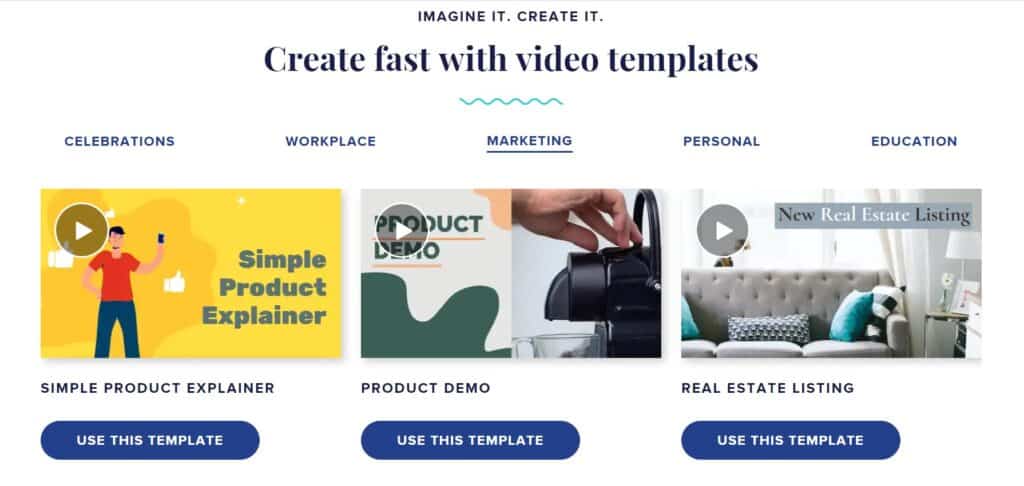
Another tool that helps you put a tutorial in video format is Wyzowl. Whether you’d like to create animated explainer videos, mobile app demo videos, or web videos, Wyzowl has a solution that you can use.
Freshdesk
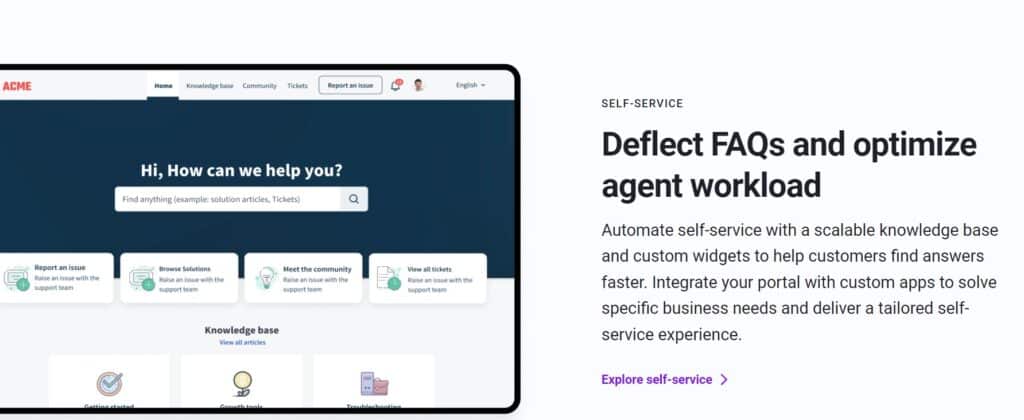
It’s often the case that during the free trial phase of the sales cycle, people will have questions about your product or service. That’s why you need a help desk solution like Freshdesk. It’s a great service that helps you deliver outstanding customer service to people who are on the brink of making a purchase.
Sales Funnel Stage 4: Purchase
At this point, you’ve made contact with your prospect. You’re ever so close to making the sale, but still not quite there.
Goal and User Mindset
Once you’ve directly connected with prospects, the goal will be to bring them home to a conversion. Further demonstrating the benefits you offer over competitors will further convince leads to go with you instead of others, leading to more sales and loyal customers.
Recommended Tactics and Channels
Since this is the “action” stage, be sure to utilize the following:
Insider or Customer Success Stories
Sharing real-life success stories from satisfied customers is like presenting a trophy to your prospects. These anecdotes reveal the genuine value your product or service has delivered to others, building trust and credibility.
Special Offers
Everyone loves a good deal. At this stage, consider crafting exclusive offers or promotions that compel your prospects to take action. Limited-time discounts or bundles can be powerful incentives that tip the scales in your favor.
Bundled Packages
Offering bundled packages not only simplifies the decision-making process for your customers but also enhances the perceived value of your offering. It’s a win-win strategy that showcases your understanding of their needs.
Follow-Up Email Campaigns
Persistence pays off. Construct well-tailored email campaigns that keep your prospects engaged and informed. Timely follow-ups nurture the relationship, provide additional information, and gently push them toward the final purchase decision.
Training Videos
In today’s digital landscape, knowledge is a valuable currency. Create educational and engaging training videos that highlight the unique features and benefits of your product or service. These videos empower your prospects and position you as an industry authority.
Proposals and Contracts
To further seal a purchase, some businesses may include a proposal that ties your solution directly to the prospect’s unique business challenges and goals, detail the scope of work in a breakdown detailing deliverables and services, and disclose all legal terms and timelines.
Contracts, along with your proposal, could give customers a sense of security in their purchase to make them even more likely to convert.
Multiple Payment Options
If you can, give customers multiple ways to buy a product or service, and make it easy for people to choose their preferred payment method.
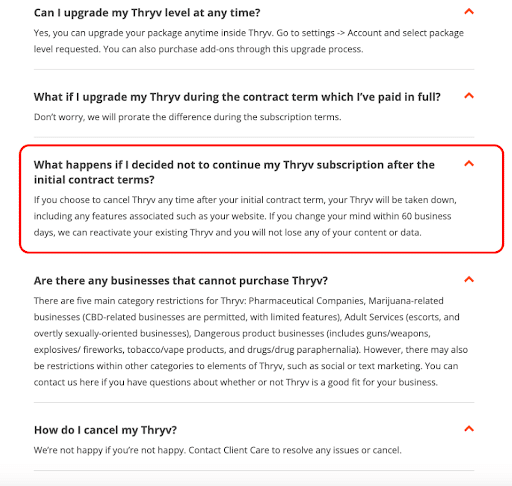
Guarantees and Cancellation Terms
To make people feel less like they’re locked into a purchase, and subsequently encourage more sales, disclose any money-back guarantees and cancellation terms, making it easy for people to see how they might go about a refund, order cancellation, or return.
Purchase Confirmation
After every purchase, send an email or an SMS text message to customers confirming their purchase with a thank you. This lets people know when they’ve made a purchase, and you may also include an order tracking link to indicate where products are during fulfillment and delivery.
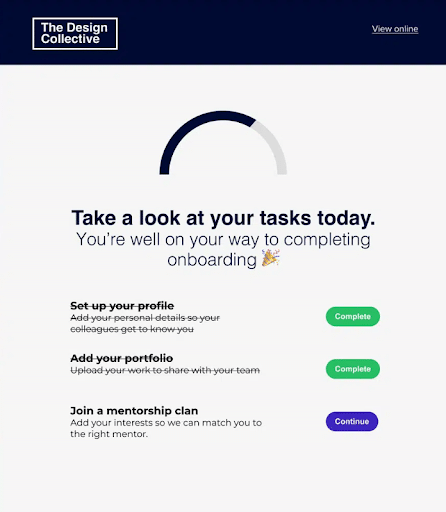
Effective Onboarding
If people are accessing a more complex product or service, keep the onboarding process simple and clear. If applicable, include a progress bar detailing where people are as they become familiar with your offering, helping them get the most from it.
Key Metrics to Track
Metrics to look at here might include the following:
- Checkout or Proposal Completion: The rate or number of prospects who finalize the checkout process or formally sign and return a sales proposal.
- Opportunity Win Rate: The percentage of fully qualified leads who achieve “Closed-Won” deal status.
- Sales Cycle Length: The average amount of time it takes for prospects to transition from initial interaction to purchase.
- Average Deal or Order Value: The average dollar amount that customers spend in a single transaction or when signing a contract.
- Customer Acquisition Cost (CAC): The total sales and marketing spend needed to acquire a single customer over a particular period.
- Purchase Conversion: The overall percentage of people who enter the funnel and ultimately complete a final purchase.
Common Mistakes to Avoid
Do your best to avert these mistakes:
- Unexpected Surprises: Never hit your leads with unexpected costs like shipping fees, taxes, and implementation costs.
- Neglecting to Confirm Purchases and Follow Up: Once a customer makes a purchase, confirm the purchase and further reassure the customer of the benefits of their purchase to prevent buyer’s remorse, giving clear next steps for effective implementation and repeat business.
- A Complex Buying Process: Customers should be able to easily complete their purchase with a frictionless buying process and straightforward payment methods.
Stage 4 Engagement Tools
Here are some sales funnel tools to help you build a positive relationship with prospective customers.
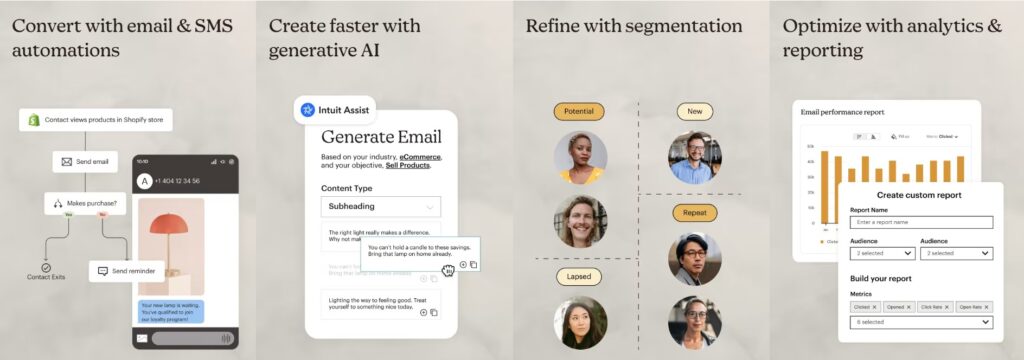
MailChimp
MailChimp is a marketing automation and email marketing platform that helps marketers manage and talk to clients and customers. The platform focuses on beautifully designed campaigns to drive engagement.
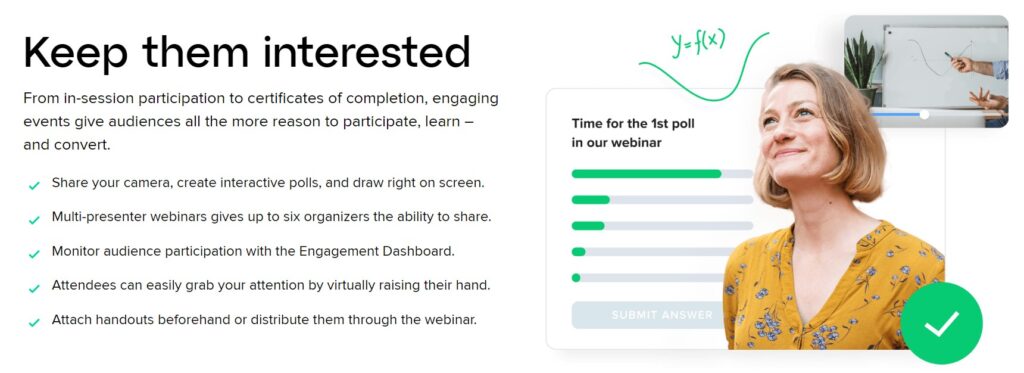
GoToWebinar
You’ve got a list of prospects, but how do you prove to them that you’re knowledgeable in your field? One way to do that is with a webinar. GoToWebinar is a valuable tool to help you cultivate an improved relationship with people who were once on the receiving end of a cold call. The tool makes it a snap to set up and host your own webinar that will ultimately boost your brand and help you reach the final funnel stages with success.
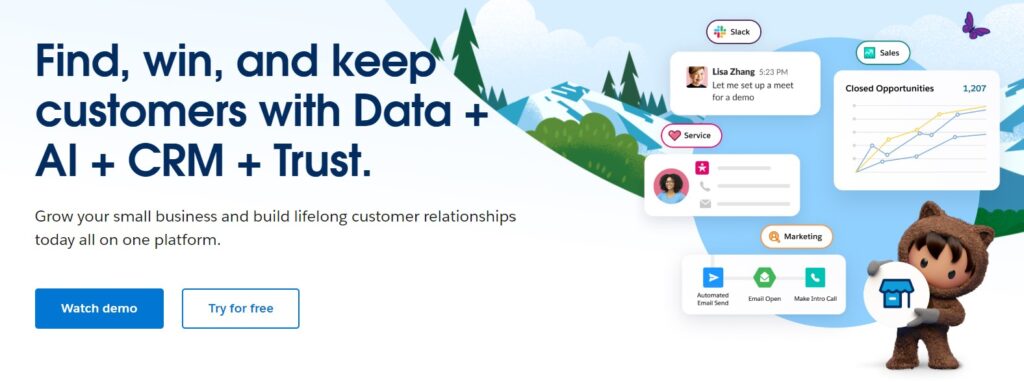
Salesforce
It’s arguably the case that the “go-to” tool for managing people who are stuck somewhere in the middle of the sales funnel is Salesforce. Of course, once you’ve said “Salesforce,” you haven’t said everything because the company offers a suite of marketing tools. At this stage, though, you’re mainly interested in the Salesforce CRM tool so that you can keep track of your prospects and gently push them forward into the final funnel stage.
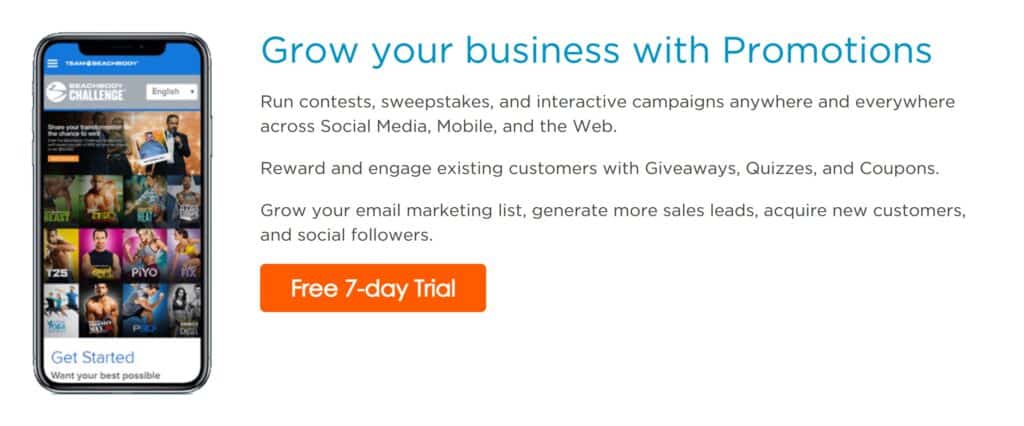
Heyo
One of the best ways to engage with your prospects is by running a contest. Heyo lets you do that without much effort. The good news about running a contest is that it not only keeps you engaged with existing prospects but also helps cultivate new leads. So this tool could work at multiple points in the sales funnel.
Sales Funnel Stage 5: Retention and Advocacy
And now we’re at the point where money changes hands. That’s what it’s all about, isn’t it?
Goal and User Mindset
Once you’ve led people to make a purchase with as little friction as possible, it’s time to turn those customers into loyal ones who not only continue to turn to your brand but also advocate for it. Users will want to engage with loyalty programs and other rewarding experiences that keep them coming back, in addition to high-quality offerings.
Recommended Tactics and Channels
Keep your customers motivated to come back with:
Referral Programs
Encourage your existing customers to become your best advocates. Implement referral programs that reward them for spreading the word about your products or services. Happy customers can be your most effective salespeople.
Upsell Campaigns
Maximize each transaction by offering complementary or upgraded products or services to your customers. Upsell campaigns are a powerful way to increase the value of each purchase and enhance the overall customer experience.
Re-Engagement Email Campaigns
Stay connected with your customers even after they’ve made a purchase. Re-engagement email campaigns can keep your brand top of mind, ensuring they return for more.
Product-Specific Videos
Bring your products to life through engaging and informative product-specific videos. Visual content can provide a deeper understanding of your offerings and help build trust with your audience. Showcase features, benefits, and real-life applications.
Feedback Polls
Show your commitment to customer satisfaction by actively seeking feedback. Construct well-designed feedback polls to gather insights into their experiences and preferences. This data can be invaluable for refining your products and services.
Reliable Support
Make sure your customer support teams are responsive and that it’s easy for people to get hold of them. Customers should be able to quickly and conveniently submit support tickets, chat with AI support bots, or otherwise get in touch with someone for help with troubleshooting or any questions they have after completing a purchase.
Adoption Assistance
Give your customers everything they need to help adopt a particular solution or product, which is particularly important for brands selling more complex offerings that might come with integration and deployment challenges.
Renewal Options
Enable people to renew subscriptions if you offer subscription services, potentially giving an incentive to people who threaten to unsubscribe at any point, such as exclusive discounts or freebies with their renewal.
Reviews
Ask customers to leave a review on platforms like Google or your own website, which could improve the visibility of your Google Business Profile and boost your overall reputation with enough positive reviews. If you receive negative reviews, don’t shy away from them; respond to them thoughtfully and show how you’re working to improve the experience, or politely counter fake bad reviews.
Referrals
Develop referral programs to encourage customers to refer you to others within their network, possibly offering rewards for each referral based on that referred party’s engagement.
Customer Win-Back
If customers seem unhappy with their order or experience, do what you can to win them back with a unique offer and an explanation as to what you plan to do to improve the experience with future engagement.
Key Metrics to Track
Here are some of the best metrics to measure at the BOFU stage:
- Activation: The moment when a customer performs a specific desired action, showing they are successfully implementing a product or service.
- Time to First Value: The total amount of time it takes from the moment a customer makes a purchase to their first positive experience with it.
- Repeat Purchase Rate: The percentage of all customers who make more than one purchase over a set period.
- Renewal Rate: The percentage of contract or subscription customers who extend their relationship with the offering and brand after the current agreement period ends.
- Churn: The percentage of customers or revenue that a business loses due to non-renewals or cancellations in a given period.
- Customer Lifetime Value (CLTV): The total gross profit a business can expect to earn from each customer throughout that customer’s entire relationship.
- Expansion Revenue: The net revenue produced from existing customers through renewals, upsells, cross-sells, usage scaling, or user license additions.
Just remember that the exact metrics you measure will depend on your business model. An ecommerce company, for example, might focus more exclusively on checkout completion and repeat purchase rates, whereas B2B sales funnel stages could prioritize qualified opportunities, stage duration, and win rates.
Mistakes to Avoid
Do your best to prevent decision paralysis and dropped sales by avoiding these errors:
- Ignoring “Silent” Churn: Some brands might rely on users who openly leave bad reviews or complaints to identify instances of disengagement when those who simply disengage could be worth discovering and bringing back with a win-back strategy.
- Unresponsive or Unhelpful Support: Companies might also neglect to provide adequate customer support, either by working to close tickets quickly rather than addressing an issue, or by simply failing to respond in time to customer complaints before they disengage.
- Poor Personalization: Keep your customers returning with personalized offers and experiences, such as tailored product recommendations and offers that could maximize retention.
Stage 5 Commitment and Purchase Tools
Here are some sales funnel tools that will make it easier to put cash in your bank account.
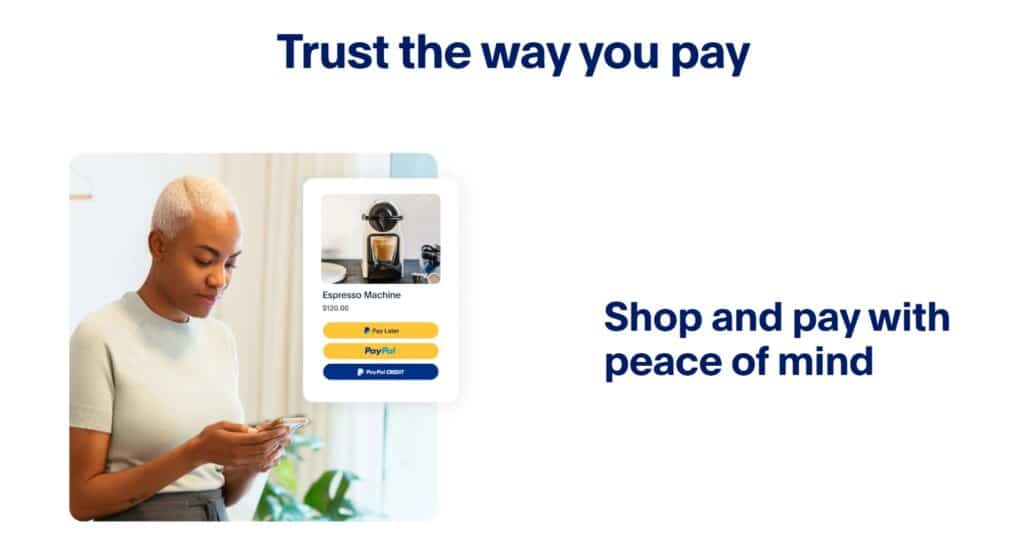
PayPal
You want to make it as easy as possible for people to pay you, right? That’s why you should enlist the aid of PayPal. Set up a business account and enable your customers to pay with money out of their own PayPal accounts. It’s one of the easiest ways to generate income online and finalize the last sales funnel step.
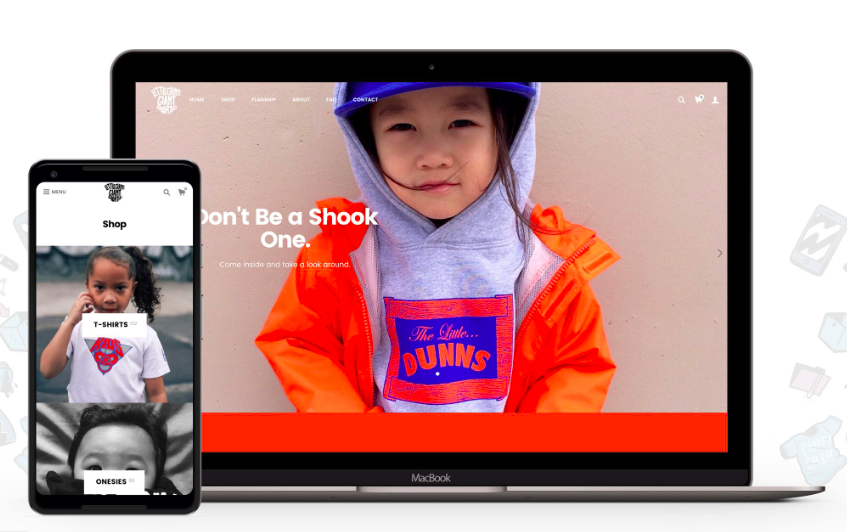
WooCommerce
How would you like to integrate a robust shopping cart solution with a platform that makes content marketing really easy? With WooCommerce, you get the best of both worlds: an e-commerce solution that sits right on top of WordPress, the world’s most popular content management system.
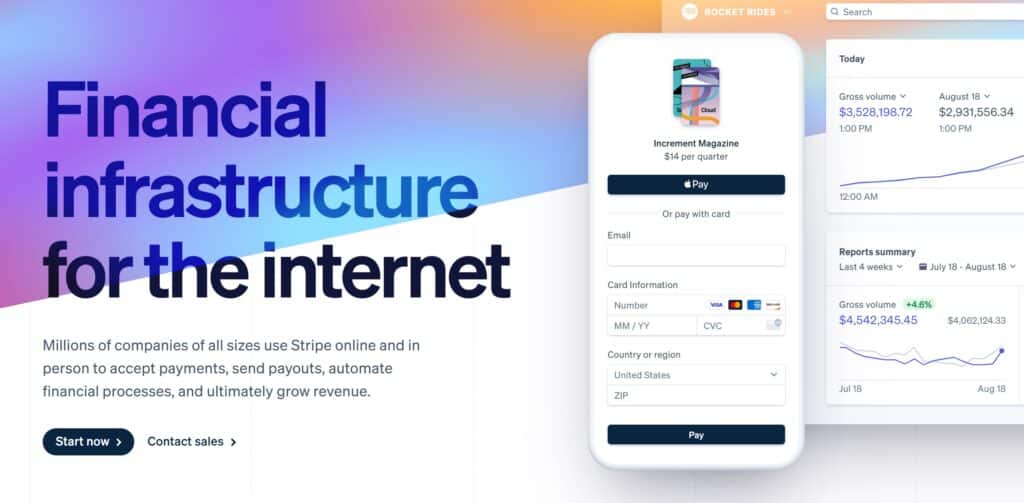
Stripe
Stripe is a complete payment platform for online businesses. In addition to making sure payments are completed quickly and securely, Stripe’s platform is geared towards building and scaling your business.
How to Recover Qualified Leads Who Drop Out of the Funnel
Re-engaging lost leads is a pivotal stage within the sales funnel, one that demands a strategic approach to maximize results. Here are a few essential strategies and tactics to effectively revive those leads and move them closer to conversion:
- Identify Where and Why the Lead Stopped: Look at your analytics and the various sales funnel stages to figure out both where and why your lead fell off, which will help you determine how to optimize the funnel to eliminate this bottleneck.
- Prioritize Appropriate Leads: Focus more on those high-value, high-intent leads who are the most ideal candidates to convert. The right leads will be those who match your audience personas or ideal customer profiles (ICPs) based on their engagement and demographics.
- Match the Outreach to the Barrier: The specific way you connect with leads should depend on the specific issue affecting their decision to disengage.
Here’s a table to help you respond the right way based on each lead’s reason for dropping off:
| Drop-off Reason | Underlying Cause | Appropriate Response |
| Slow Response Time | Representatives might take too long to respond to inquiries, or a competitor may have reached out first | Use email or SMS automation to immediately route and engage leads |
| Unresponsive | Lead might be busy, lose interest, or want to avoid high-pressure sales pitches | Implement a multi-channel sequence over the next several days to drive more engagement |
| Bad Fit or Unqualified | Lead might not have the authority or need to purchase a particular product, possibly falling outside of the target audience | Disqualify cleanly by sending an email with a helpful resource, or place the lead in a long-term drip campaign |
| Pricing or Budget Constraints | Product cost might exceed the user’s budget, or pricing might be too steep | Continue to highlight your offering’s ROI and value, offer an entry-level package, or stop current negotiations in favor of a later seasonal promotion |
| Missing Information and Poor Lead Quality | Lead forms might capture inadequate data, preventing the ability to qualify leads or personalize engagement | Update your lead capture forms to request all necessary information |
| Broken Handoff Processes | Marketing and sales teams might suffer from poor alignment or issues with lead routing | Map and automate handoffs where appropriate, with defined CRM rules to trigger notifications to designated teams or individuals |
Important Marketing Funnel Metrics
When building your marketing funnel, establish stage-specific goals to identify weaknesses and track growth. The choice of metrics depends on your strategy. Key marketing funnel metrics include:
1. Awareness
- Relevant Impressions: The number of times content or ads appear before users who match your customer profile.
- Non-Branded Search Visibility: The percentage of SERP real estate your site captures for non-branded search queries related to your industry or offerings.
- New Engaged Users: First-time visitors to a website who continue to engage after landing on the page, not contributing to bounce rates.
- Qualified Reach: The number of people within your specific target audience who have seen your brand assets at least once.
- Content Consumption: The depth of users’ interaction with your top-of-funnel resources, which you might track via metrics like watch times, scroll depth, or podcast listens.
2. Interest
- Visitor-to-Lead Conversion: The rate of people who convert from website visitors to qualified leads.
- Resource Downloads: The total number of downloads of gated or ungated assets like ebooks and webinars.
- Webinar Registrations: The number of people who register for a webinar.
- Email Clicks: The number of times people click through an email, contributing to open rates.
- Returning User Rate: The rate at which people who visited your site once before return, signaling more interest in your brand.
- Progression to Evaluation: The rate of leads who successfully move from the interest to the evaluation stage of the funnel.
3. Evaluation
- Demo or Consultation Requests: The number of times people request a product demo or book a consultation.
- Trial Activation: The number of times people activate free or paid trials.
- Lead-to-MQL: The rate at which leads toward the top of the funnel convert into marketing-qualified leads.
- MQL-to-SQL: The rate of people transitioning from marketing-qualified to sales-qualified leads, indicating where to hand them off.
- Qualified Opportunity Rate: The percentage of all marketing- or sales-generated leads who successfully advance to viable sales opportunities.
- Response Time: The time it takes for customer support to respond to inquiries.
- Time in Stage: The amount of time people spend in the evaluation stage before moving to the purchase phase.
4. Purchase
- Checkout or Proposal Completion: The rate or number of prospects who finalize the checkout process or formally sign and return a sales proposal.
- Opportunity Win Rate: The percentage of fully qualified leads who achieve “Closed-Won” deal status.
- Sales Cycle Length: The average amount of time it takes for prospects to transition from initial interaction to purchase.
- Average Deal or Order Value: The average dollar amount that customers spend in a single transaction or when signing a contract.
- Customer Acquisition Cost (CAC): The total sales and marketing spend needed to acquire a single customer over a particular period.
- Purchase Conversion: The overall percentage of people who enter the funnel and ultimately complete a final purchase.
5. Retention and Advocacy
- Activation: The moment when a customer performs a specific desired action, showing they are successfully implementing a product or service.
- Time to First Value: The total amount of time it takes from the moment a customer makes a purchase to their first positive experience with it.
- Repeat Purchase Rate: The percentage of all customers who make more than one purchase over a set period.
- Renewal Rate: The percentage of contract or subscription customers who extend their relationship with the offering and brand after the current agreement period ends.
- Churn: The percentage of customers or revenue that a business loses due to non-renewals or cancellations in a given period.
- Customer Lifetime Value (CLTV): The total gross profit a business can expect to earn from each customer throughout that customer’s entire relationship.
- Expansion Revenue: The net revenue produced from existing customers through renewals, upsells, cross-sells, usage scaling, or user license additions.
Just remember that the exact metrics you measure will depend on your business model. An ecommerce company, for example, might focus more exclusively on checkout completion and repeat purchase rates, whereas B2B sales funnel stages could prioritize qualified opportunities, stage duration, and win rates.
Funnel Optimization Best Practices
To get the best results from your funnel, implement these critical best practices:
- A/B Testing: Conduct A/B tests to try two versions of content to see which performs best, switching out a single element. For instance, you might use two iterations of landing page content or a CTA to see which drives the most engagement or conversions.
- Audience Segmentation: Break up your larger audience into groups who will each respond to different kinds of content and information, giving you a deeper understanding of your various customers.
- Personalization: Today, personalized content still performs much better than generic and impersonal communications. Many brands implement personalized sales funnels to engage audiences, such as file storage and sharing solution Dropbox, which acquires new customers by asking users what they want to use the platform for, informing a personalized journey from the start.
- Remarketing/Retargeting: Once new audiences engage with your brand, don’t let them stagnate; instead, consistently remarket to them and use retargeting ads to keep them engaged and interested, moving them closer to a sale.
- Email Flows and Drip Campaigns: Triggered email flows and drip campaigns that consistently connect with audiences can keep people moving along the funnel, as long as they aren’t too frequent and disruptive.
- Upsells/Downsells: Try to boost sales with relevant upsells when possible, but if a customer is on the fence and seems to want a better deal, downselling might be worth it to convert and drive more retention.
- Post-Purchase Follow-Ups and Loyalty: After customers buy from you, always follow up with emails and additional offers to keep those customers returning, ensuring your business stays top of mind while eliminating buyer’s remorse.
FAQs
1. What is a sales funnel and why is it important for digital marketing?
A sales funnel is a structured series of marketing and sales steps designed to guide potential customers through the buying process. It encompasses various strategies such as advertising, blogging, social media outreach, and more. It’s crucial because it helps businesses identify and convert leads into loyal customers.
2. What are the key stages of the sales funnel, and what content types are effective for each stage?
The key stages of the sales funnel include the following, with potential changes depending on your business model:
- Awareness
- Interest
- Evaluation
- Purchase
- Retention and Advocacy
Effective content types for each stage include blog posts, lead magnets, pricing pages, live demos, and referral programs, among others.
3. What are some essential tools for managing and optimizing a sales funnel?
Essential tools for managing and optimizing a sales funnel include MailChimp for email marketing, Unbounce for creating landing pages, SEMRush and Ahrefs for SEO, and Stripe for handling online payments. These tools play a crucial role in streamlining the sales process and maximizing conversions.
4. How do I map content to sales funnel stages?
There are five main digital sales funnel stages that businesses must optimize to connect with their ideal customers: Awareness, Consideration, Decision, Action, and Retention.
5. How do I map content to sales funnel stages?
To effectively develop and nurture your relationship with audiences across the sales funnel in digital marketing, align your content with the target audience’s intent. For instance, informational blog posts can establish you as a trustworthy brand in the Awareness stage, while demos can reach people toward the bottom of the funnel.
6. What are common reasons leads drop off mid-funnel and how do you fix them?
There are multiple reasons why people might fall off in the middle of the sales funnel, such as poor lead qualification, misaligned content, and a lack of personalization or follow-up. Consistently engaging with audiences and pushing personalized, relevant content to qualified leads can mitigate these issues.
7. Does every business need a sales funnel?
Generally, almost every business out there will benefit from a streamlined sales funnel process. However, depending on your industry, sales funnel management can be more complex, with B2C industries like retail often coming with a simpler funnel while B2B verticals require a more in-depth funnel.
Ready to Build a Powerful Sales Funnel?
Every business uses a sales funnel, but only the best are able to build trust with their customers and establish authority within their industry.
Ignite Visibility’s expert digital marketers are ready to help you craft a sales funnel that drives real results. Through an integrated digital marketing approach, our team uses search engine optimization strategies and PPC campaigns to turn your prospects into customers.
With our help behind your next strategy, you can:
- Identify your target audience
- Map each stage of the search funnel
- Integrate marketing funnels into your sales funnel
- Get a complete picture of the customer journey down the funnel
- Map content to every stage to maximize conversions
- Align sales with marketing for seamless handoff and shared objectives
- Continually optimize the funnel for better performance
Sound exciting? Learn more about our lifecycle marketing services today!

