People buy from brands they trust. To build trust, you need to create a brand people recognize.That’s where brand authority comes into play. Building brand authority means earning your target audience’s trust and recognition. It comes into play with AI because AI-powered search tools tend to bring up names people know and talk about.
So, what is brand authority and how do you measure it? Moz’s Brand Authority score is one option. In this blog VP of Digital PR, Morgan Thorp (Dixon), will tell you all about this specific metric and how to build Brand Authority for your website.
What You’ll Learn
- What is Brand Authority?
- Brand Authority vs. Topical Authority vs. Domain Authority
- Why Brand Authority Matters
- AI SEO and Brand Authority: The Future of Trust and Visibility
- How to Measure Brand Authority
- 7 Ways to Increase Your Brand Authority
- FAQs About Brand Authority
TL;DR
- Brand authority builds trust and recognition, helping customers and AI search tools recognize your business as a credible source.
- Track brand mentions, branded searches, customer reviews, backlinks, and qualified leads to measure your progress.
- Create useful content, engage on social media, contribute expert insights, host industry events, earn relevant links, showcase testimonials, and highlight awards.
- Strengthen AI visibility with clear authorship, accurate structured data, consistent brand messaging, and helpful, people-first content.
- Focus on relevant mentions and genuine customer trust rather than chasing authority scores or rankings alone.
- Start small: establish a baseline, publish valuable content, promote it through relevant channels, and review results over 90 days.
What is Brand Authority?
So, what is brand authority? Simply put, it’s the trust and recognition a business earns for its expertise. People know who you are, so they trust you know what you’re talking about.
Brand authority shows up in a variety of different ways, including:
- When customers mention your name
- When they search for you directly
- When they leave good reviews
- When other websites cite and link to your work
- When customers tag your social media pages in comments or posts
Moz Brand Authority™ is a proprietary benchmarking score that rates a brand’s strength on a scale of 1 to 100, with 100 being the strongest. It measures multiple signals to reach a score, including brand mentions, backlinks, engagement, and search demand, which we’ll dive into later.
A score is helpful, but it’s only one view. Brand authority is really about how people perceive your brand. That’s why building brand authority SEO efforts should follow Google’s E-E-A-T guidelines to demonstrate Experience, Expertise, Authority, and Trustworthiness in their content. A good rule of thumb here is to write for people first, bots and search engines second.
You can strengthen your brand authority in a few ways, such as:
- Earning more brand mentions
- Showing up for branded searches
- Building a strong backlink profile
- Collecting positive reviews
- Sharing your expertise through thought leadership
- Guesting on blogs and podcasts
Over time, a benchmarking score like Moz Brand Authority™ can help you see whether your efforts are working.
Expert Insight on Building Brand Authority
Brand Authority is no longer just a buzzword; it is the definitive survival metric for the AI era. Moz introduced the term when it released the Brand Authority metric in 2023 to quantify influence, but the concept has since become a core part of modern search.
Brand authority played a big role in a recent OMMA Award-winning strategy we designed for a home services franchise group. With over 5,500 locations across 19 brands, building brand authority through well-structured, well-written content was imperative.
By customizing everything from their blogs to their images, our client built brand authority that drove a 458% increase in AI Visibility Growth and a 20% increase in leads.
Beyond building their content library, tools like Moz’s metrics gave them a tangible way to track shifting sentiment, helping them identify not just where they rank, but where they truly matter.
Brand Authority vs. Topical Authority vs. Domain Authority
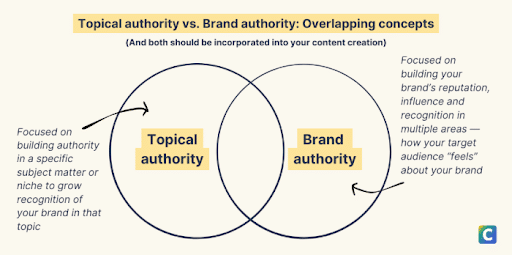
Brand authority, topical authority, and domain authority sound similar, but they measure different things. Brand authority and topical authority are broad concepts. Several tools can track them.
Domain authority is also broad, but each vendor scores it differently. Here’s a more in-depth explanation.
| Aspect | Brand Authority | Topical Authority | Domain Authority (DA) |
| Concept vs. Vendor Score | Broad concept. Moz Brand Authority is one vendor score for it. | Broad concept. No single vendor score defines it. | Broad concept. Vendors each create their own score for it. |
| What It Measures | The recognition, trust and credibility of a brand | The level of knowledge that a website has regarding a certain topic | The overall strength of a domain’s backlink profile and link equity |
| Key Signals | Branded search demand, unlinked brand mentions, and direct traffic | Content clusters and depth of coverage for certain subtopics, expert authorship, internal linking structure, and bounce rates | The volume and quality of backlinks, link relevance, referring domains, and the flow of “link juice” across the website |
| Contribution to Rankings | Builds trust in accordance with E-E-A-T guidelines and improves click-through rates for search results | Establishes a brand’s trustworthiness and expertise, indicating that a site is a primary source for a particular topic | Indicates a website’s overall strength and can lead to higher rankings for competitive terms |
| How to Build | PR, proactive brand reputation strategy, media mentions, social media engagement with audiences, top-tier customer service | Developing in-depth content clusters, building blog posts and other pages around subtopics, internal linking | Earning a large number of high-quality backlinks from other authoritative domains, natural shares from readers, and digital PR |
| Related Metrics and Tools | Tools that track mentions, Google Trends, and Moz Brand Authority (BA) | Content depth tools like Semrush Topic Clusters and Clearscope | Moz Domain Authority (DA), Ahrefs Domain Rating (DR), and Semrush Authority Score |
Remember, Brand Authority effectively supports both Domain and Topical Authority in a couple of key ways. For example, BA’s strong brand signals can attract more organic backlinks and build more content trust, which can lead to stronger authority across the board.
Why Brand Authority Matters
AI Overviews and AI Mode are changing the way people search and find information online. Many searchers now get answers before they click a single link. That makes AI brand authority even more important. When people and AI tools both recognize your name, you create more chances to be found and chosen.
Here are three ways it matters:
- Customer confidence: People feel safer choosing a brand they know and trust. That confidence makes buying decisions feel easier.
- Discover: Well-known, frequently mentioned brands give people more ways to find them. Someone might search your name, hear about you from a friend, or see you in an AI answer.
- Qualified demand: People who already trust you often arrive with clearer intent. They tend to be a better fit for what you offer.
Brand authority can also help you build demand from multiple sources. People might find you through branded search, referrals, email, social media, or AI answers. When demand comes from many places, you don’t have to rely on a single channel for lead generation.
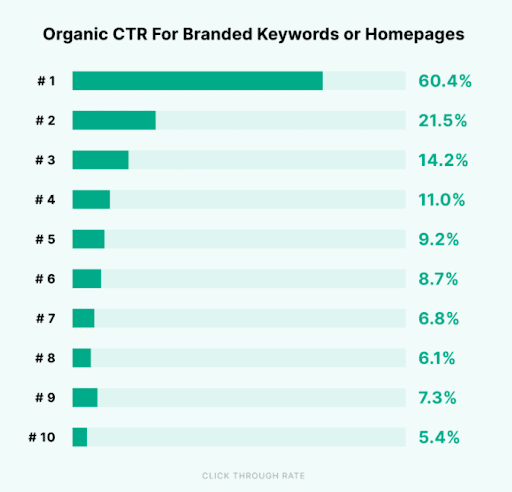
Here’s a look at how much a known name can matter. A historical Backlinko study found a 60.4% click-through rate for branded keywords or homepages in the first position. Many of those searches are navigational. The searcher already knows the brand and is looking for it.
AI SEO and Brand Authority: The Future of Trust and Visibility
People now use AI search and answer tools to research brands. Google’s AI Overviews, ChatGPT, Gemini, and Perplexity can name your brand, link your site, or do both. Although it can’t guarantee it, strong AI brand authority can improve your chances of appearing there.
Four Results to Track Separately
When it comes to AI brand authority and AI SEO, here are four results to track and what they mean:
- Brand mentions: An AI answer names your brand, with or without the link.
- Linked citations: An AI answer links to your page as a source.
- Referral visits: People click that link and land on your site.
- Conversions: Those visitors take an action, such as signing up or buying.
While these things feel similar, they’re all very different. Tracking each one shows you where you’re gaining ground and where people are dropping off.
It’s important to remember that not every AI tool handles sources the same way. Some answer from what they learned in training, while others search the web in real time and show the links. The same question can also give different results across tools and over time. Instead of getting caught up in the weeds, treat each platform as its own channel and check it on its own.
Trust Signals That Support AI Visibility
People and AI tools use several signals to help understand who you are and why you’re credible. Here are some to focus on:
- Clear authorship: Including an author bio will show audiences who wrote your content and their expertise behind the topic
- Accurate structured data: Markup gives search engines more context about your pages.
- Consistent brand messaging: Keeping your tone and voice consistent will help people recognize you and your brand across channels.
- Off-site mentions: Reputable websites and social conversations show others are talking about you.
Google’s Take on AI Visibility and Brand Authority
Google’s guidance on AI features and your website says the same foundational SEO practices apply to AI Overviews and AI Mode. That involves meeting technical requirements, following Google’s policies, and creating helpful, reliable, people-first content.
Here’s what that looks like in practice:
- Create helpful content that answers real customer questions.
- Make sure search engines can crawl your pages and read your key content as text.
- Use structured data that is accurate and matches what people see on the page.
- Write clear headings and direct answers so readers find what they need fast.
Structured data and clear formatting help search engines understand your content, but they don’t necessarily guarantee a spot in an AI answer.
How to Measure Brand Authority
No single number can tell you exactly how strong your brand is. Instead, you need to look at four different layers:
- Proprietary benchmarks: Scores from SEO tools that compare you with competitors.
- Audience recognition: Signs that people know and look for your brand.
- Customer trust: Signs that people believe in your brand and what it says.
- Business outcomes: Leads, sales, and revenue.
No one score proves authority or marketing success, but each one becomes a part of a much larger picture.
Layer 1: Proprietary Scores
For a quick benchmark against competitors, the easiest method is to use established industry metrics.
- Moz Brand Authority™: This is a benchmarking score. Use it to see how your brand compares with competitors over time.
- Semrush Authority Score: This score combines three things: backlink strength, estimated organic traffic, and spam indicators. It does not measure customer reputation.
A high score is nice to see, but it doesn’t necessarily prove that customers trust you. To do that, you need to build a broader measurement framework.
You can begin building this framework using free tools, adding in paid ones later if you need more data.
Some great baseline reporting tools include Google Analytics 4, Google Search Console, and Google Trends. You can also perform manual checks of your reviews and online mentions.
Some great, but optional, paid tools include:
- SEO tools: Ahrefs, Semrush, and Moz track authority scores, backlink profiles, and rankings
- Listening and media monitoring: Brand24, Meltwater, and Brandwatch are social listening tools that track mentions and sentiment.
- Survey and feedback tools: SurveyMonkey and similar platforms collect customer feedback.
- Review monitoring: Rallio and other similar tools track online reviews in one place.
Layer 2: Audience Recognition
The following signals provide insight into whether people are actually looking for your brand:
- Branded Search Volume: The number of users searching specifically for your company name. This is the #1 indicator of real-world authority. Take note: a rise in branded searches is not always a good thing. People may be searching for your name because of a complaint, controversy, job opening, or support need. Check the context before you celebrate.
- Google Search Console: Use Search Console to track branded-query impressions and clicks. Compare the same time periods each time, such as month over month or year over year.
- Google Trends: This tool shows normalized, relative interest. It does not show absolute search volume. It also has limits for smaller brands. If your brand is small, use it combined with other data.
- Organic Share of Voice: This shows how visible you are in search compared with other competitors. Before you start tracking it, define these five things: keywords, competitors, geography, timeframe, and calculation.
- Organic Traffic and Ranking: Don’t stop at traffic totals. Focus on relevant queries, qualified visitors, and conversions. A ranking for a broad term doesn’t show authority by itself. Ranking for the questions your customers are actually asking tells you more.
- Direct Traffic: It can be tempting to read direct traffic as brand awareness. In Google Analytics 4, direct traffic includes visits without a clear referral source. It’s not necessarily a clean measure of how many people know your brand.
Layer 3: Customer Trust
The following signals are signs that people believe in your brand and are willing to talk about it:
- Brand mentions: Look at relevance and sentiment, not just counts. A hundred mentions from the wrong audience isn’t productive.
- Reviews: Look for recurring themes. If many customers praise the same thing, that’s a strength. If they raise the same complaint, that’s a gap.
- Audience interactions: Look for meaningful engagement, such as thoughtful comments, questions, and replies. Likes and shares don’t automatically prove anything.
- Earned media and backlinks: Coverage and links from relevant, respected sources can support your credibility. Relevance matters more than volume.
- Net Promoter Score (NPS): NPS is survey-based. It measures how likely customers say they are to recommend you. You calculate it as the percentage of promoters minus the percentage of detractors. It does not measure actual referrals or search authority.
Layer 4: Business Outcomes
Visibility and trust matter most when they support your business. Track these KPIs next to your visibility metrics:
- Qualified inquiries
- Conversion rates
- CRM outcomes, such as opportunities created and deals closed
This also helps you turn brand authority into email leads. Track newsletter sign-ups, content downloads, and form submissions from people who found you through branded search or content. Then see which one of those leads became customers.
One thing to note here: If your visibility metrics and leads both rise at the same time, it doesn’t necessarily prove causation. Look at patterns over time to get more evidence on what is working for you.
Brand Authority Scorecard
Use the following scorecard to help keep your reporting consistent and accurate. Keep in mind that the cadences are just suggestions. You can adjust them to fit your business and its goals.
| Metric | Tool | Limitation | Review Cadence |
| Moz Brand Authority™ | Moz Pro | Proprietary score. It doesn’t prove customer trust or marketing success. | Quarterly |
| Semrush Authority Score | Semrush | Reflects backlinks, estimated traffic, and spam indicators. It doesn’t reflect customer reputation. | Quarterly |
| Branded search impressions and clicks | Google Search Console | Shows your site’s search appearance only. Some queries are omitted. | Monthly |
| Relative search interest | Google Trends | Normalized, not absolute volume Low-volume brands may show “0”. | Monthly or quarterly |
| Organic share of voice | Semrush, Ahrefs, or similar | Results depend on your chosen keywords, competitors, geography, and timeframe. | Monthly |
| Qualified organic traffic and conversions | GA4 and Search Console | Depends on correct conversion setup. Traffic alone doesn’t show authority. | Monthly |
| Direct traffic | GA4 | Includes visits with no clear referral source. It isn’t a clean awareness measure. | Monthly |
| Mentions and sentiment | Brand24, Meltwater or Brandwatch | Tools can miss mentions. Sentiment scoring needs human review. | Monthly |
| Review themes | Rallio or manual review | Reviews may not reflect all customers | Monthly |
| Net Promoter Score | SurveyMonkey or similar | Shows stated intent to recommend, not real referrals | Quarterly |
| Qualified inquiries, email leads, and CRM outcomes | CRM and GA4 | Shows correlation, not proof of cause | Monthly, with a quarterly review |
7 Ways to Increase Your Brand Authority
Building brand authority takes consistent effort. Before we take a look at some approaches that might help, you need to decide what you want to be known for. Brand authority is easier to build when your focus is clear. Answer these three questions:
- Who is your audience? Be specific. “Facility managers at mid-sized hospitals” is clearer than “businesses.”
- What problem do you solve for them? Choose a problem they care about and already search for.
- What is your area of expertise? Pick the topic where you have real experience and proof.
Write your answers in one sentence. For example: “We help [audience] solve [problem] with [expertise].” Then use that sentence to guide your content, outreach, and partnerships. A brand that tries to be known for everything is rarely remembered for anything.
Now, let’s get into the seven ways to increase your brand authority. Keep in mind that none of these tips will guarantee a higher Moz Brand Authority™ score, but they can help more people get to know and trust your brand better.
1. Produce High-Quality Content That Establishes Authority
One of the best ways to build Brand Authority online is to create great content your audience finds valuable. Here are some content formats that work well:
- Original research: Share new data that others in your industry can use.
- Documented case studies: Show the problem, the steps you took, and the measured results.
- Expert analysis: Explain what a trend or change means for your audience.
- Guides that answer hard customer questions: Tackle the questions your sales and support teams hear the most.
Choose a format that will connect with your audience and produce it on a consistent schedule so people know what to expect.
2. Connect on Social Media
Being present on platforms like LinkedIn, Instagram, or TikTok isn’t just about broadcasting content. It is about sparking the conversations that signal authority.
Modern brand authority is built on engagement, not just follower counts. When you consistently publish high-value content, whether it’s thought leadership on LinkedIn or educational shorts on YouTube, you aren’t just looking for “likes.” You are looking for shares, saves, and discussions.
Here are some steps to follow:
- Pick the platforms where your audience already is: LinkedIn, Instagram, TikTok, and YouTube are all great, but they have very different audiences. Find the one that works best for you.
- Publish useful content: Don’t post just for the sake of posting. Share tips, explainers, real examples, and other feedback.
- Answer questions: Keep the social in social media. Reply to comments and messages, staying active in conversations in your industry.
- Measure referrals: Use tagged links and GA4 to see which posts send visitors to your site. Then check to see which of those visitors converted.
Social activity does not directly raise any authority scores, so think of it as a possible indirect result. The goal here is to join the conversation and encourage more people to search your brand by name.
Let’s look at a practical example using Rallio.
Imagine a brand with 20 locations. Instead of scrambling to create cohesive content, Rallio streamlines the workflow so it looks like this:
- The corporate team adds approved posts to a shared content library.
- Each location customizes a post with local details, such as a neighborhood event or a local offer.
- Teams schedule posts ahead of time.
- The brand reviews analytics to see which posts connect to each location’s audience.
3. Contribute Expert Insights to Relevant Publications
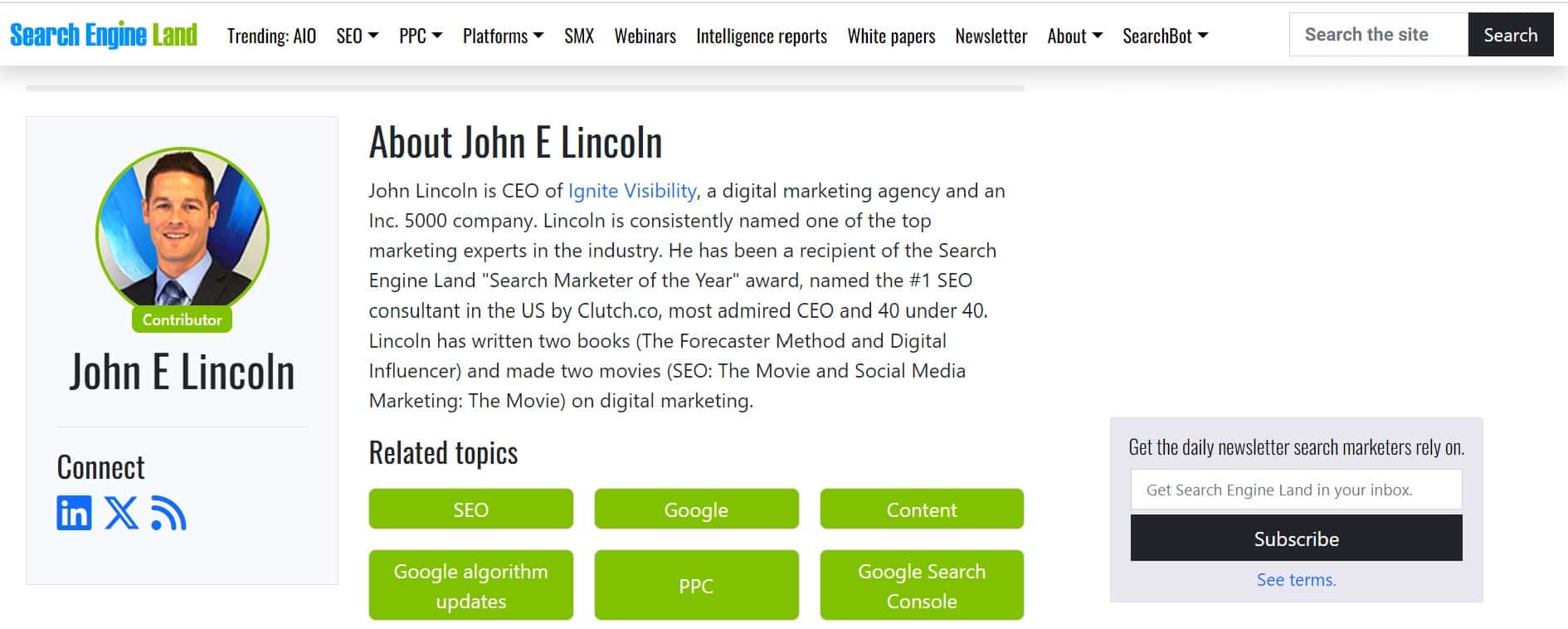
When you contribute high-value insights to authoritative publications, you are effectively “borrowing” their credibility. This is crucial for building Brand Authority because it signals to both users and search engines that your brand is a trusted peer within the industry ecosystem.
Instead of guest posting anywhere, follow these 4 steps:
- Pick the right publication: Look for magazines, websites, and news organizations your customers actually read.
- Check audience relevance: The readers should match the people you want to reach.
- Review editorial standards: Good publications have clear guidelines and real editors. Check before spending time on a publication that may not be worth it.
- Offer something useful: Share original ideas, data, or lessons from your work. Avoid thin content written only to get you a link.
A note on paid placements and links: Some publications charge for sponsored content. That’s allowed, but the links need the right labels. Google says paid links should be qualified with rel= “sponsored” or rel= “nofollow”. Link schemes meant to manipulate rankings violate Google’s spam policies.
4. Host or Contribute to Industry Conversations
Hosting an event allows you to stop following the conversation and start leading it. Whether it is an in-person conference or a high-value virtual summit, hosting positions your brand as the central hub of your industry.
Some options include webinars, panels, or local workshops where you can teach a skill, discuss topics, or meet customers face-to-face.
To get the most out of these events, be sure to:
- Pick Your Audience First: Decide who you want in the room, then choose the topic and format to match.
- Look for gaps: Ask what other events skip and cover questions that people are actively looking for.
- Promote the event: Use your own email list and social media to promote, but also ask your partners or speakers to do the same.
- Reuse the content: Turn recordings into clips, articles, blogs, or email newsletters.
- Measure the outcome: Track registrations, attendance, leads, branded searches, and motions. Compare them with your goals.
Strategically, this is one of the fastest ways to build authority signals:
- The Network Effect: Partnering with influencers and experts to speak at your event does more than fill seats. It creates a direct association between their personal brand authority and your company.
- Digital PR: Events naturally generate a high volume of brand mentions, calendar listings, and social chatter. These are dense, high-quality signals that tell search engines your brand is active and relevant in the real world.

5. Earn Relevant Links Through Useful Resources
Links from relevant, respected sites can help people find and trust your brand. The best way to earn them is to create something worth citing, like original data, studies, or in-depth guides.
A great resource still needs a plan to reach people. Don’t forget to make lists of the audiences you’d like to reach. Include people like journalists, bloggers, industry groups, or partners to increase your reach.
Build a target list of sites that cover your target audience and write a personal outreach to them. Explain what your resource is and why their audience will love it.
As you do this, focus on relevance over volume. A few links from the right sites are worth far more than a ton of links from the wrong ones.
6. Build & Showcase Testimonials for Social Proof
Brand Authority relies heavily on public sentiment. To truly signal that you are a market leader, you must actively build a repository of feedback and strategically use it to prove your value.
Building the Signal: You cannot rely on passive collection. Actively soliciting reviews ensures a steady stream of fresh data. This freshness tells search engines that your business is currently active and serving customers, which is a critical component of maintaining a high authority score.
Leveraging the Trust: Once earned, these reviews become evidence. Displaying them prominently on your site transforms subjective claims into objective facts. This directly feeds into the “Trustworthiness” pillar of E-E-A-T. By proving that real people vouch for your brand, you provide the concrete sentiment data that algorithms need to validate your authority.

As you’re collecting testimonials, keep in mind that Google and the FTC both have different rules. You should know both.
Google restricts offering incentives for reviews. It also prohibits soliciting only positive reviews.
The FTC’s rule bans fake reviews and testimonials. It also prohibits incentives tied to a positive or negative opinion.
When you’re not sure which rule to follow, go with the stricter one. Because policies can change often, always review each platform’s current policy before starting a campaign.
7. Include Awards and Important Accolades
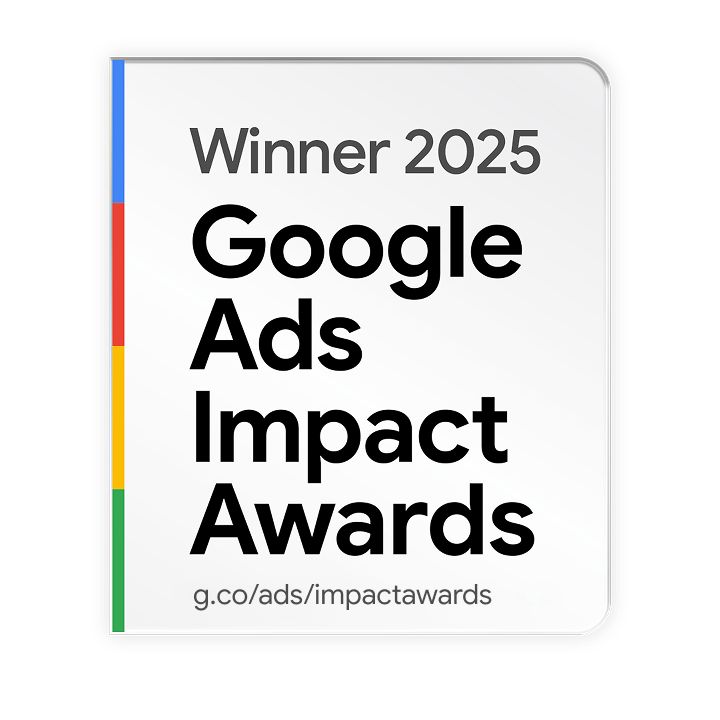
If you’ve won an award, be sure to share it across your website and social media. They serve as tangible evidence of your brand’s quality of work, innovation, and overall excellence.
This increase in visibility may produce buzz on social media or around town, bringing in new business and boosting your Brand Authority further.
Always be honest about your awards. A winner and a finalist are not the same thing. Label each one correctly so you don’t risk harming your reputation.
Small-Business Guidance on Building Brand Authority SEO
Building brand authority may look like a big undertaking, but you don’t need a big budget to get started. You also don’t need large events or expensive tools. You can start small and stay consistent. Here are four realistic options to help you get started:
- Customer evidence: Collect honest reviews and a few detailed case studies. Real results from real customers carry a lot of weight.
- Expert contributions: Answer questions in a local publication, a trade newsletter, or a podcast. Share what you know and keep it useful.
- Useful resources: Create one guide, checklist, or simple data study that answers a question your customers ask often.
- Focused distribution: Pick one or two channels where your audience already spends time. Share your work there on a consistent basis.
Free tools like Google Search Console and Google Analytics can handle your early reporting until you need more robust tools. Do a few things well before you add more bells and whistles.
Multi-Location Guidance
Brands with many locations face a different challenge. A strong national name is helpful, but it doesn’t replace local trust. People often choose a business based on what they know about the nearby location.
Here’s how to build trust at the local level:
- Feature local experts: Highlight the team members at each location. Share their credentials, their experience, and their advice.
- Share location-specific customer stories: A story from a local customer feels more relevant than a generic national one. Just make sure you get permission before you post anything.
- Manage reviews at each location: Monitor reviews and respond to them. Ask every customer for honest feedback and follow platform rules.
- Keep brand standards consistent: Give locations approved messaging, visuals, graphics, and guidelines. Explain how to add local details and information without losing national brand identity.
90-Day AI Visibility and Brand Authority Starting Plan
Do you need some help getting started? Here is an implementation plan to follow. Keep in mind that this is not a promise of results or a guaranteed timeline. Brand authority takes time, and results vary by industry, competition, and effort.
Day 1 to 30: Establish a baseline
- Write your positioning sentence.
- Record your current branded search impressions and clicks in Google Search Console.
- Write down your review count and common review themes.
- List your top competitors and the topics you want to be known for.
Day 31 to 60: Publish and distribute
- Publish one piece of content, such as original research, a case study, or an in-depth guide.
- Share it through relevant channels, such as your email list, social media channels, or partner networks.
- Reach out to a short list of people who you think would find it useful and encourage them to share it.
Day 61 to 90: Review and adjust
- Compare your results with your baseline using the same time periods.
- Check which channels sent qualified visitors and leads.
- Note what worked and what didn’t. Remember that rising numbers don’t prove cause and effect.
- Choose your next piece of content and repeat this process.
FAQs About Brand Authority
1. What is Brand Authority?
What is authority marketing, exactly? In short, Brand Authority is a way to measure a brand’s authority based on its reputation among its audience and a score, such as Moz’s BA score measuring from 1 to 100.
2. How do you measure Brand Authority?
You can measure authority using various metrics and KPIs, including branded search volume, direct traffic, referral traffic, earned media and brand mentions, share of voice, backlinks, and social media engagement.
3. Does Brand Authority affect SEO?
Yes, brand authority influences how AI bots and search engines like Google view your brand. While greater authority does not guarantee higher rankings, it definitely plays a role.
4. How long does it take to build Brand Authority?
The answer to this will vary depending on several factors, including your website’s age and existing authority, how well-established your brand is, and competition level. Based on these and other factors, it can take anywhere from months to years to build authority.
5. What’s the difference between Brand and Topical Authority?
Brand and Topical Authority feed into each other, but they have some critical differences to keep in mind. An authoritative brand benefits from greater trustworthiness and a strong reputation as an entity, while topical authority shows knowledge and expertise in a particular topic and related subtopics.
6. Is Moz Brand Authority™ a ranking factor?
No. Moz Brand Authority™ is a benchmarking score. It isn’t a Google factor and has no effect on search results. However, it can still help you compare your brand with others and see where you stand. Your score supports your SEO ranking, but it doesn’t directly impact it.
7. What is a good Brand Authority™ score?
It depends on your industry and goals. Moz scores brands from 1 to 100. A “good” score also varies by niche and aspiration. Instead of chasing a number, use the score to compare your brand to your closest competitors.
8. Can small businesses build authority without Moz?
Absolutely! Moz is just one measurement option. It’s not a requirement. Brand authority comes from the trust and recognition you earn and you can build that without any paid tool.
9. Can high search demand coexist with a poor reputation?
Yes. Search demand shows that people are looking for you. It doesn’t necessarily reflect how they feel about your brand. People can search your name for great reasons, but they can also do it due to a complaint, controversy, product problem, or support need.
Build Your Brand Authority with Ignite Visibility
Brand authority grows when your content, PR, and social efforts all work together. This may sound overwhelming, but Ignite Visibility can take the stress off your plate. Our team of experts can help you build a coordinated strategy around your business goals that will:
- Effectively measure Brand Authority
- Get more brand mentions on social media
- Land more high-quality backlinks
- Develop and host brand-building events
- And much more!
Ready to turn brand authority into email leads and return on equality? Explore how our digital PR services can help you supercharge your business today!