

Without effective branding, your company is far less likely to stand out in your industry, especially with so much online competition today. Just consider the fact that 84% of consumers state that brand authenticity affects their buying decisions, while 68% of businesses claim that brand consistency accounts for about a 10% to 20% increase in total revenue growth.
In this blog, Brian Gallegos, Digital PR Manager, will explore how to create a brand guide that sets you apart from competitors, builds consistency, and establishes a clear, defined identity that resonates with your target audiences.
What’s Covered:
- What Are Brand Guidelines?
- Why Are They Important?
- What to Include in Your Brand Guidelines
- Creating Brand Guidelines In-House vs. Hiring an Agency
Expert Opinion on How to Create a Brand Guide
The fact is that people have become increasingly inundated with brands, regardless of industry. Every day, a person sees on average anywhere from around 4,000 to 10,000 ads, which is why it’s so crucial to do what you can to differentiate yourself.
I’ve found that an established brand guide is the key to aligning marketing and sales teams to build and maintain a consistent, recognizable, and unique brand. To get the most from this brand guide, you need to include everything from a visual identity and unique brand messaging to guidelines for influencers and other third parties to follow.
A well structured brand guide can also serve as the foundation for public relations. Journalists and media outlets frequently reference brand materials when covering a company. Without clear messaging frameworks, spokesperson guidance, and approved positioning, external coverage can easily drift away from the intended narrative. Strong brand guidelines ensure that every piece of coverage reinforces the same brand identity.

Now, let’s go deeper into what brand guidelines are and how to create a brand identity guide that gives you a lasting competitive edge.
What Are Brand Guidelines?
Before exploring how to create a brand style guide for your business, what are brand guidelines? In short, brand guidelines detail creative design elements that match your company’s specific aesthetics, messaging, and core values.
There are many assets that brand guidelines can cover, such as:
- Logos
- Color schemes
- Images and videos
- Illustrations
- Fonts
- Brand mission
- Icons
These guidelines would then give clear instructions for both internal and external teams to properly implement all branding components, keeping your marketing and sales materials consistent and cohesive across platforms.
The perfect brand guides also include communications frameworks used for media relations. These may include press boilerplates, approved spokesperson messaging, crisis communication protocols, and positioning statements used in interviews or guest articles. Including these elements ensures that the brand voice remains consistent not only in marketing materials but also in earned media coverage.
Why Are They Important?
It’s important to know how to create a branding guide for a number of key reasons, including:
Maintaining Brand Consistency
One of the main advantages of knowing how to create a style guide for your brand is the ability to keep all of your branding consistent. Over time, your audiences will come to understand what your brand is all about as they gain more exposure to your voice, visuals, and expressed values. On the flip side it may become easier for media outlets to accurately represent the company’s positioning and expertise.
In turn, you’ll have an easier time standing out from the myriad competitors trying to get by with inconsistent branding, enabling you to ultimately earn your audience’s trust to attract their business.
Simplifying Communication Across Parties
Additionally, learning how to create a brand guide can make sure everyone within (and without) the organization is on the same page regarding your brand and what it’s about.
For example, if you’re developing an influencer marketing campaign, you can provide clear guidelines detailing the kind of language they should use when promoting your company or specific offerings. At the same time, you could allow that influencer to adapt that language or message into their own style to help align your branding with what’s familiar to that influencer’s audience.
Reduced Rework and Efficient Creative Design Processes
Throughout the design process, you can move things along more smoothly with established brand guidelines, providing everyone with all of the assets and details they need from the start. If there’s no room for misinterpretation, you’ll be able to prevent potential issues requiring rework and revisions, ultimately saving you more time and resources.
Knowing how to create a brand style guide is particularly important for multi-location and franchise businesses, as these brands need to make sure the marketing at all locations and through external parties remains cohesive yet adaptable.
What to Include in Your Brand Guidelines
In learning how to create a brand guide, the following are some of the main elements to include:
A Defined Visual Identity
You need to develop branding with unique and instantly recognizable visual elements. Here, you want to keep things simple yet original, making it easy for people to differentiate you from competitors.
Specifically, visual elements will include:
- Logos: Without words, your logo should instantly convey your brand to audiences, with a defined size, a design that works in multiple colors (including black and white), and multiple variations.
- Color Schemes: You also need to consider the colors that people will associate with your brand. Some of the most memorable brands use a simple color scheme, usually of no more than two or three main colors, that best represent your brand and tone.
- Fonts and Typography: All of your written online and offline marketing content should incorporate specific brand-approved fonts and typography that can help visually align your messaging with your branding.
- Icons: All types of iconography, from favicons in people’s browser tabs to buttons within your app, should be distinctive and feature or supplement your logo and color scheme.
- Imagery: Another element to consider is the visual integrity of all images you use across channels, whether they’re photos, graphics, illustrations, or even video content.
As an example, take Nike. The company’s branding guidelines cover all visual components, including the logo’s color variations, size, and other characteristics on web pages and other content.

Brand Voice and Tone
You also need to determine how to create a brand voice guide that establishes what your brand will sound like in all of your content.
You might use certain terminology or phrasing that speaks to your brand and sets you apart, with that brand voice changing based on the tone you use, whether you use emotions like humor and joy or more serious and professional tones.
Let’s look closer at each component and how they play into each other:
- Messaging: Your brand messaging will use taglines, phrases, or core values that establish what drives your brand and contribute to a clear identity.
- Voice: The voice you use determines how you convey your message, and it could involve more formal, informal, authoritative, or friendly language, depending on the nature of your brand and industry.
- Tone: The tone will feed into your voice, dictating whether it comes across as funny, sad, happy, energetic, or another way to help develop your brand personality.
In the example below, Just2Wheels has created a chart detailing how the brand voice changes based on tone.

Keep in mind that your brand voice and tone might change from platform to platform. For example, your social media channel might use a more humorous method of communication with audiences, while advertising for your brand and products might take on a more serious tone.
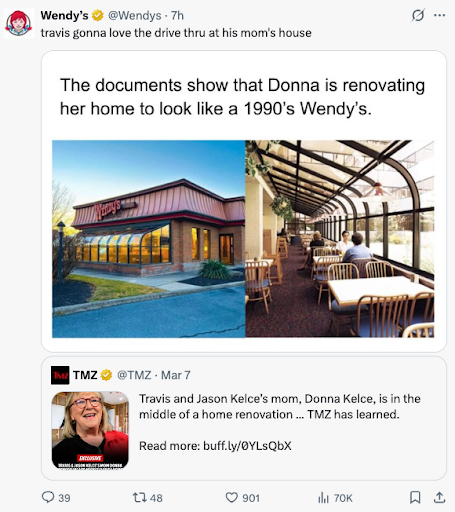
Just consider how fast-food chain Wendy’s has played with its X posts to develop a uniquely entertaining social media persona, while TV commercials tend to be a little more formal while sticking with unique branding aesthetics.
Cross-Channel Guidelines
As you determine how to create a brand style guide, it should cover all of the channels you’ll use to adapt branding to various environments and applications.
For instance, if you look at the above example of the Nike logo, you can see that the guidelines discuss how to implement the company logo in the corner of web pages, including strict pixel widths and color combinations.
Subway is another brand that has mastered branding on its apps, more specifically its dedicated mobile app. The aesthetics prominently feature the signature green and yellow colors of the company logo, with unique fonts and button designs that further reinforce this branding.

Some components to optimize here include the following:
- User Experience (UX) and User Interface (UI): Guidelines should cover both of these when it comes to how people interact with your website and mobile apps, creating a cohesive experience that’s easy for people to navigate, with fast page load speeds and elements that keep users engaged.
- Social Media: Your social channels could also incorporate unique guidelines to streamline posting standards, with guidelines for various formats like vertical videos, caption language guidance, and templates for posts.
- Offline Materials: Think about branding outside of your digital campaigns, with guidelines for brochures, booklets, business cards, signage, direct mail pieces, and other materials.
PR and Media Messaging Guidelines
You should also know how to create a style guide for your brand that media outlets and publications can follow. Brand authority is one of the most powerful digital assets a company can build and strengthen over time.
For example, you might want to determine how to create a brand style guide PDF specifically for social media influencers and publications, instructing them on how to talk about your brand and product, or use certain language for including backlinks in descriptions and other content.
Together, all of these elements combine to form a comprehensive brand style guide that helps you build and sustain your brand identity in the long run. Over time, you can make adjustments to these guidelines, whether you need to rebrand or simply scale your marketing efforts to focus on new channels and opportunities. When PR elements are built into the brand guide, every interview, article, or mention reinforces the same story about the company.
Creating Brand Guidelines In-House vs. Hiring an Agency
Learning how to create a brand identity guide can help your in-house team get started, but it’s often best to work with an agency with experience in both the development and implementation of branding guidelines.
The following are some of the main benefits of hiring an agency to handle branding:
Connect With a Team of Experts
One major advantage of hiring an agency for brand guideline development is the ability to work with a team of skilled and experienced professionals, from designers and content writers to SEO experts, social media managers, and public relations specialists who help shape how the brand appears in media coverage. Each of these experts can determine how to integrate your branding into various campaigns on all platforms.
Explore New and Innovative Ideas
With the help of dedicated branding experts, you’ll also be able to get a fresh perspective and innovative approaches to branding that your in-house team might not be able to develop on its own, especially if you’re focused primarily on building your business.
The right agency will know what works for various industries and help you determine the best ways to get your brand to shine.
Maximize ROI
You might be reluctant to hire an agency because of higher initial costs, but the profitability of working with a dedicated team will become apparent early on. You’ll get off to a good start as you discover how to create a branding guide that effectively increases brand awareness and ultimately drives more conversions and sales, leading to significantly higher ROI than what you might see on your own. In addition to improving marketing performance, strong brand guidelines can improve the effectiveness of public relations campaigns. Consistent messaging often leads to stronger media coverage, more accurate brand mentions, and improved visibility in earned media channels.
Easily Scale Your Guidelines As Needed
As your business grows and your branding needs change, your agency partner can help you determine how to create a brand style guide PDF or another format that fosters growth while ensuring all internal and external teams are working with the latest iterations.
The ability to scale is particularly crucial for franchises and businesses with multiple locations, enabling you to adapt your brand voice and visuals to different areas and cultures while maintaining compliance with your specific brand guidelines.
Learn How to Create a Brand Guide With Ignite Visibility
While this guide can help you determine how to create a branding guide, you may need some outside help to get the best results from your efforts. Whether you’re a small business or a growing franchise, Ignite Visibility can develop branding guidelines that help your brand flourish.
With the help of our experts, you can:
- Develop a unique visual identity that connects with audiences
- Establish a clear brand voice, tone, and message
- Produce high-quality creative for use on every channel
- Integrate branding into a content marketing strategy
- Connect with audiences on social media, email, and through Digital PR efforts.
Want to get started? Contact us to request a free proposal and find out how we can help elevate your brand.
