Travel marketing is essential for travel agents, advisors, tour operators, and hospitality businesses to connect with audiences at every stage. It involves identifying target audiences, creating impactful marketing materials, and measuring performance across channels. Ultimately, a travel agency marketing strategy should effectively promote travel services to generate inquiries, bookings, and repeat customers to maximize profitability. The right approach will also depend on whether customers book online or consult an advisor before moving forward.
A travel marketing agency can effectively showcase your services and destinations, enhancing direct connections with audiences. Learn how to leverage travel marketing strategies in this guide to travel marketing agencies, which will cover five main channels, including paid search, email, social media, SEO, and conversion optimization.
What You’ll Learn:
- What’s Changed in Travel Marketing?
- Travel Marketing: PPC Strategies
- Travel Marketing: Email Strategies
- Travel Marketing: Social Media Strategies to Try
- Travel Marketing: SEO & AI Search
- Travel Marketing: Conversion Rate Optimization
What’s Changed in Travel Marketing?
Before jumping into digital marketing for the travel industry, let’s look at some industry trends that might inform that strategy when working with travel marketing companies:
- AI-Assisted Planning: Travelers may use Google AI Mode to compare travel packages and companies, as well as to plan their trips, making it crucial to maintain accurate and useful destination content to connect with users and maximize your AI visibility.
- More Ways to Convert: Depending on your business model, people may engage with you through various conversion events, from requesting itineraries and scheduling consultations to booking a trip directly with you.
Personalization With Permission: Allow audiences to consent to providing relevant information to fuel personalized recommendations, such as travel interests, budgets, and available dates. - Authentic Experiences: Travelers increasingly seek authentic, local experiences, favoring unique sights over mainstream tourism.
- Remote Work Travel: Post-pandemic, there’s a rise in remote workers traveling for both business and leisure, blending work and travel.
- Eco-Conscious Travel: Environmental awareness is shaping travel choices, from sustainable transportation to eco-friendly destinations.
Travel Marketing: PPC Strategies
PPC (Pay-per-click) advertising is beneficial for all businesses, particularly in travel marketing, where selecting the right keywords is crucial for reaching your target audience.
PPC offers immediate visibility and the potential to generate quick bookings and sales, making it a highly effective channel for promoting limited-time offers and last-minute deals.
Although travel marketing benefits from the inherent appeal of its product, there are strategies to maximize your paid advertising budget’s effectiveness:
1. Match Your Ads to Your Travel Specialty
Marketing for travel companies must match their specific customers. Be sure to highlight the destination, experience, or traveler you serve, complete with relevant landing pages and a clear next step to drive conversions.
2. Target Searches That Show Booking Intent
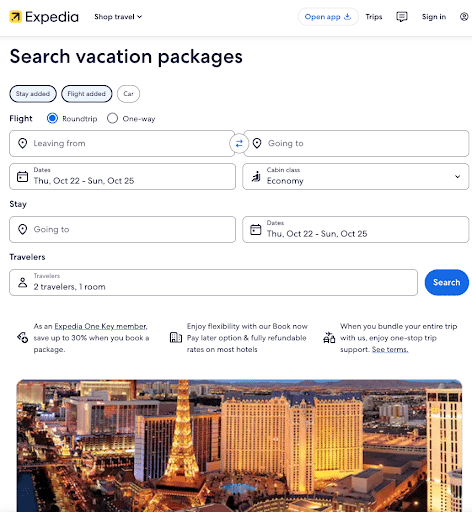
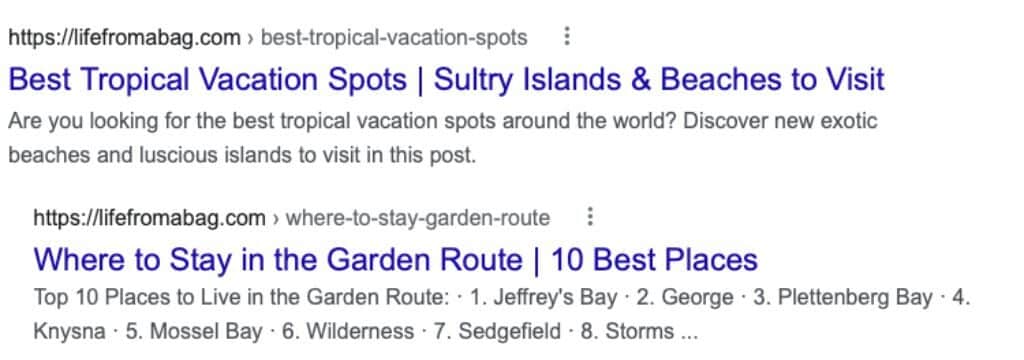
Prioritize specific services and destinations instead of broader travel terms, e.g., “book a trip to jamaica online” or “europe travel packages.”
Additionally, marketing for travel companies should match campaign goals to qualified inquiries or completed bookings, showing how efforts actually translate into profits and ROI.
3. Plan Campaigns Around Booking Windows
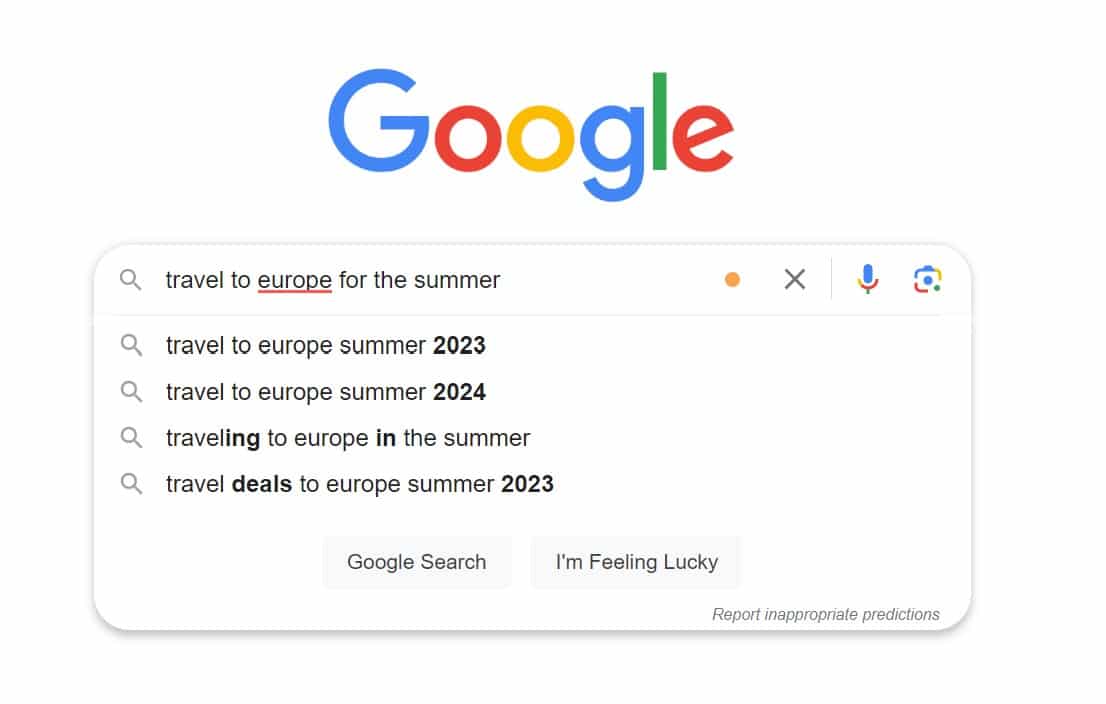
Travel PPC is all about seasonality and timing.
Before launching time-sensitive deals, identify the peak periods when customers are most active. Then, tailor your keywords to attract travelers looking for a summer getaway or a winter retreat, maximizing your ad budget’s efficiency.
In the process, use past inquiry and booking data to time seasonal promotions, and distinguish between people researching at the top of the funnel and those ready to book a trip.
4. Use Negative Keywords to Reduce Wasted Spend
For optimal results in a travel agency’s marketing strategy, incorporating negative keywords in PPC campaigns is essential.
Negative keywords, which are terms you choose not to target, help refine your ad reach, ensuring they are seen by the most relevant audience. Take time to review all search terms and exclude any irrelevant queries.
Only use exclusions that fit your particular offer; for instance, some luxury agencies may exclude keywords like “cheap,” while others may actually want to target those types of keywords that advertise more affordable packages.
5. Test Long-Tail Keywords
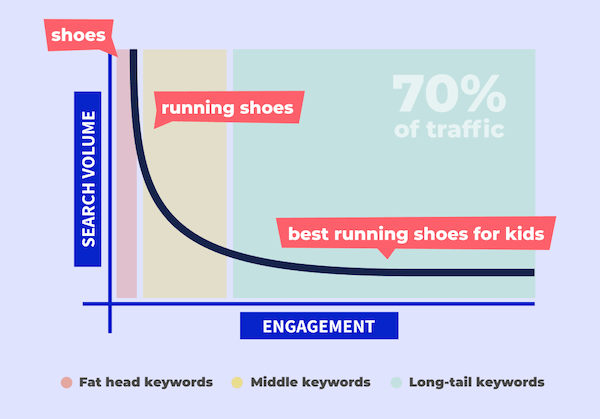
If you want to stay competitive and reach more specific audiences, include long-tail keywords in your PPC ads.
Long-tail keywords are those terms that tend to consist of longer phrases and, subsequently, come with a lower overall search volume due to their niche nature.
For instance, you might use long-tail terms like “best deals on holiday travel packages to Europe” in an ad as opposed to targeting broad terms like “Europe travel.”
Judge results based on lead quality and booking cost, going after terms that bring in high-intent leads who are ready to convert.
You can use various keyword tools to find some low-competition long-tail terms that yield worthwhile search volumes.
If you want some help finding the right long-tail keywords from a travel marketing company, Ignite Visibility is here for you with our PPC management services, which can assist with targeting, budget management, and conversion tracking.
Travel Marketing: Email Strategies
Email marketing remains a vital and targeted tool in the travel industry, known for its cost-effectiveness in reaching guests and boosting bookings. To keep subscribers engaged and encourage sharing, it’s essential to craft compelling content with attractive offers and deliver them at optimal times.
Key insights from leading travel marketing companies on maximizing email marketing effectiveness include:
6. Give Travelers a Reason to Subscribe
Marketing for travel agents and other businesses in the travel industry should make email subscriptions compelling for audiences.
To encourage customers to subscribe to your mailing list, offer helpful content like destination guides, planning checklists, and relevant deals with clear opt-in language.
7. Follow Up on Travel Inquiries
Don’t leave leads hanging, follow up to keep them moving down the funnel.
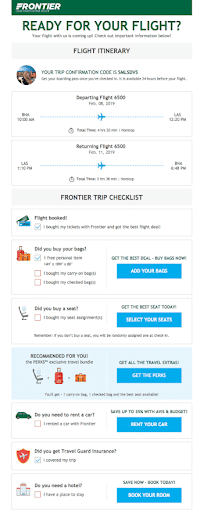
Email follow-ups can help quickly resolve consultation requests and unfinished queries, keeping leads from going stale and falling off.
Once someone books, have automations stop inquiry sequences to avoid spamming inboxes.
8. Send Offers When Customers Are Planning
Guests are more likely to look for deals in the lead-up to peak periods. Your travel agency marketing strategy can use travel dates, booking history, and time zones to improve timing.
Send them personalized reminders with holiday-themed emails or last-chance summer vacation deals.
If your audience spans different time zones, sending emails at an appropriate time for each segment ensures that everyone receives the email when it’s most convenient for them.
Consider the timing of your competitors’ emails. Sending your email when there is less inbox competition can improve your chances of standing out.
9. Personalize With Customer Preferences
Most travel bookings occur online, where customers expect to provide email and personal details.
Leverage this information for post-booking communication, including confirmations, reminders, and time-sensitive offers, facilitating upselling and increased revenue. Additionally, this data enables you to present personalized offers, crucial for customer engagement and loyalty.
Segment your audiences by traits like destination, budget, trip type, and travel dates.
For example, a travel agency might send a personalized upsell to people traveling to Asia who intend to rent a car once they reach their destination, with an offer to help handle the vehicle rental and get a lower rate.
Further enhance personalization by tailoring email content to individual user preferences, focusing on features of services or locations that align with their interests.
This approach can guide users to specific landing pages with content most likely to engage them, deepening the connection with both potential and existing customers.
Ignite Visibility’s travel marketing services can help with this, with lifecycle marketing services that address follow-ups, pre-trip communication, and repeat-booking campaigns.
10. Write Clear Subject Lines and Calls to Action
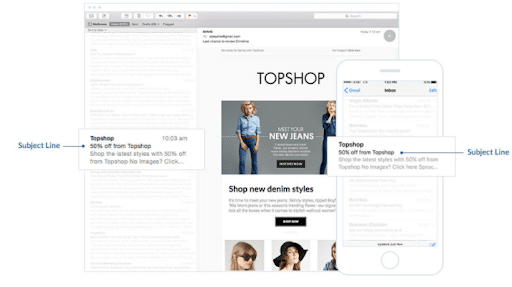
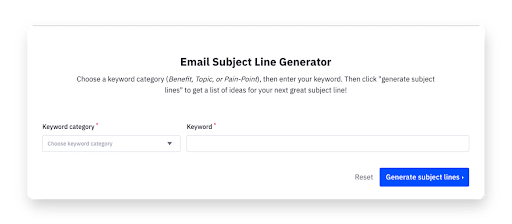
Short copy often takes a lot longer to perfect than longer pieces of content. Subject lines should be short, direct, and contain a clear benefit that encourages customers to open.
For each subject line, promise a specific benefit, potentially personalized based on the recipient’s specific interests or needs.
Inside, maintaining engagement is crucial. Ensure your emails are friendly and personalized, and include incentives to spur action. Examples include:
- Offering discounts in exchange for customer feedback
- Inviting direct bookings on your website with discounts or prize opportunities
- Presenting time-sensitive offers or rewards that encourage immediate bookings
Just ensure that each email only provides one main action for recipients to complete, which will keep you from overwhelming them with multiple options or paths.
Travel Marketing: Social Media Strategies to Try
Social media can be the key to connecting with your audiences with the help of a travel marketing agency.
Start using your platform to showcase visually appealing destinations and experiences, engaging potential travelers through enticing visuals and storytelling.
Additionally, social media allows for direct interaction with customers, enabling real-time engagement, customer support, and the opportunity to build a loyal community of travelers.
Here are some tips for using social media in digital marketing for the travel industry:
11. Share Customer Travel Content With Permission
A good travel marketing company knows that user-generated content (UGC) is one of the best ways to create endless content.
Reusing customers’ photos or videos created during their experience with your services can greatly assist your travel agency marketing strategy. However, you should always ask before integrating others’ assets into your ads and other content, and always credit creators.
You can use hashtags to encourage people to share their content on social media platforms and link them to your specific brand, but a branded hashtag alone doesn’t automatically give you permission to reuse content from other posters.
12. Show What the Experience Is Actually Like
Vivid travel images and videos on your website and social media play a crucial role in influencing potential customers’ booking decisions.
Enhance your marketing strategy by incorporating videos. While photos capture attention, videos offer a comprehensive view of destinations, rooms, and facilities, providing a more immersive experience.
More specifically, use short videos, destination previews, and practical travel tips that use more bite-sized content to engage and connect with users.
For instance, Dubai’s Atlantis the Palm effectively utilizes video to showcase its amenities. These videos give potential guests a feel for experiences like swimming with dolphins or exploring the resort, significantly enhancing the appeal of the destination.
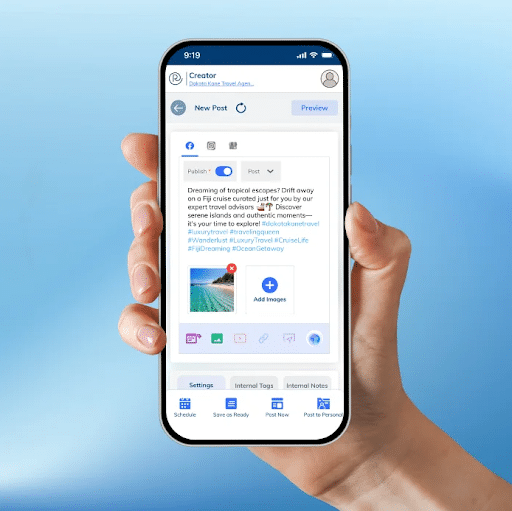
To empower social marketing for travel companies, consider using Rallio for Travel Advisors to help produce ready-to-post travel content and simplify scheduling.
13. Choose Relevant Influencer Partnerships
15. Run Giveaways With a Clear Business Goal
Hosting contests and giveaways can create a positive association between your brand and the feelings of excitement and generosity. People are more likely to remember and favor brands that provide enjoyable experiences.
Not only do contests and giveaways foster engagement, but they also help you grow your customer base by collecting valuable data.
When hosting a contest or giveaway be sure to:
- Define clear objectives and rules
- Explicitly state requirements and deadlines
- Create compelling and visually appealing content
- Select prizes relevant to your ideal travelers
- Make marketing consent equally explicit
Travel Marketing: SEO & AI Search
Search engine optimization (SEO) is a long-term digital marketing practice that involves keyword research, content creation, link building, and more.
SEO helps travel companies enhance their online visibility and attract targeted traffic, making it a cost-effective way to compete in the travel industry.
Here are some helpful SEO tips for travel websites:
16. Answer Real Trip-Planning Questions
Using blogs and other helpful content, answer the questions your audiences have as quickly and helpfully as possible, helping them along the way as they research and eventually plan their trip.
In your content, cover costs, timing, accessibility, itinerary choices, and common booking concerns.
To structure your content, you could also develop pillar page content, such as an extensive travel guide that links out to individual blog posts covering relevant subtopics to answer long-tail questions.
17. Publish Firsthand, Current Travel Advice
Travel advertising agencies should also ensure content offers a unique perspective, providing personal experiences combined with relevant advice to guide audiences.
Include advisor insights, original images of destinations or features, and clear author credentials, which can significantly help establish credibility in AI SEO.
Before publishing any content, check all changeable details to ensure they’re accurate and relevant.
18. Make Your Services and Next Steps Clear
People should know what actions to take and what they’re getting with every interaction, which is why travel marketing companies need to establish a brand’s specific services and next steps.
Content should explain specialties, destinations served, and how consultations or bookings work to keep things simple and straightforward.
Also, make it easy for people to find you with accessible contact information, with contact details in website footers along with a dedicated contact page.
19. Maintain a Google Business Profile if Eligible
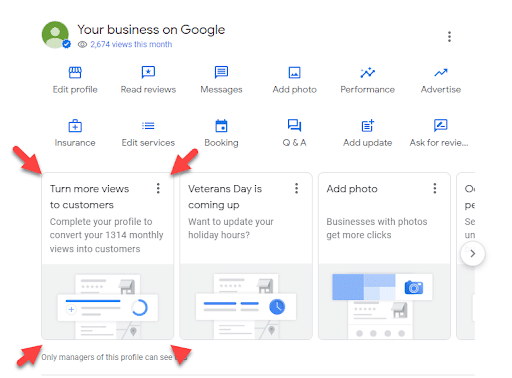
You should also build a Google Business Profile (GBP) to further differentiate your travel agency, as long as you have an in-person customer contact requirement; online agencies without a physical component won’t be eligible.
This profile includes all contact details and other relevant information about your business, along with directions to your physical locations. Each GBP should also contain accurate, up-to-date business information.
Ultimately, a GBP with accurate contact details can help fully optimize your digital presence for a better travel marketing strategy.
20. Support Visibility in Local and AI Search
Besides optimizing your website and GBP, you can rely on local SEO to help you compete with other local travel companies and businesses.
Stand out in local searches by creating content around “near me” search terms as well as location-based keywords, branded keywords, localized variations of keywords, and more. Useful location pages and specialty pages can help with this where appropriate.
Keep in mind that Google’s AI features still rely on established SEO practices, with no need for any specialized AI structured data markup or other AI-specific optimizations.
While it’s not SEO, exploring geo-targeted ads will help you reach customers who are in your vicinity, taking advantage of location-specific campaigns.
Need help from travel marketing companies to optimize for AI and traditional search? Our AI SEO services can improve discoverability and increase your chances of appearing in citations and mentions.
Travel Marketing with Conversion Rate Optimization
Conversion Rate Optimization (CRO) is crucial in travel marketing as it directly impacts the ability to convert website visitors into paying customers, maximizing the return on marketing investments.
By optimizing the user experience and streamlining the booking process, CRO ensures a more effective and satisfying customer journey. This leads to increased bookings and revenue, making CRO an indispensable part of successful travel marketing strategies.
Start implementing these strategies to improve your travel marketing CRO:
21. Test the Entire Mobile Journey
Mobile optimization is essential in travel marketing, including good mobile SEO. For a seamless mobile experience, ensure your website adheres to these principles:
For a seamless mobile experience, ensure your website adheres to these principles:
- Web copy should be readable with appropriate spacing, fonts, and colors
- Enable click-to-call functionality for easy contact
- Integrate Google Maps for location guidance
- Minimize pop-up use to enhance user experience
- Ensure the logo links back to the homepage
- Make calendar and search functions easily accessible
- Use auto-fill on forms for returning customers
Before finalizing, travel marketing services should also check all forms, date selectors, click-to-call buttons, and checkout processes on mobile to ensure a frictionless cross-device experience.
22. Make Important Booking Details Easy to Find
Customers should have no trouble finding all the details they need to book a trip with you.
In further creating a seamless experience, travel marketing companies should also work to make all pricing conditions, inclusions, cancellation terms, and contact options clear and easy to locate across the website and in your marketing.
23. Simplify the Right Conversion Path
The best travel marketing services for tour operators and others will also help create a straight path to conversion for all leads. The specific path you optimize will depend on your specific business model.
For example, travel advisors will want to streamline consultation and itinerary request forms, while hotels and tour operators will focus on simplifying online or over-the-phone booking and payment.
Hotels and others in a similar hospitality space will also need to sync their online room inventory with actual vacancies, which can keep them from overbooking and leaving customers with a frustrating experience.
24. Test Improvements and Measure Business Outcomes
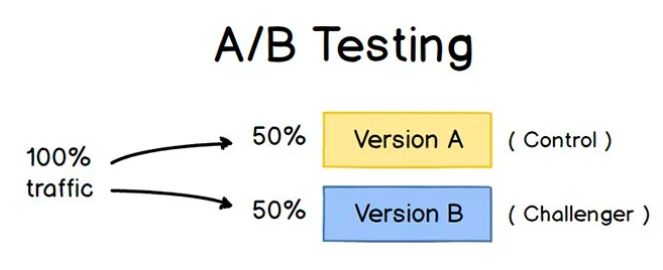
Regularly conducting A/B testing on key travel website elements like landing pages, headlines, forms, and calls-to-action will help you determine what works best in engaging and converting visitors.
Coupled with in-depth analytics, this strategy helps in understanding user behavior and preferences, allowing for continuous improvement of the user experience and conversion rate.
In your analytics, track qualified inquiries, consultations, completed bookings, and revenue across platforms.
For more help from a top travel marketing company, consider our conversion rate optimization (CRO) services, which work to find and fix conversion barriers that might otherwise hold you back.
25. Build Trust With Reviews
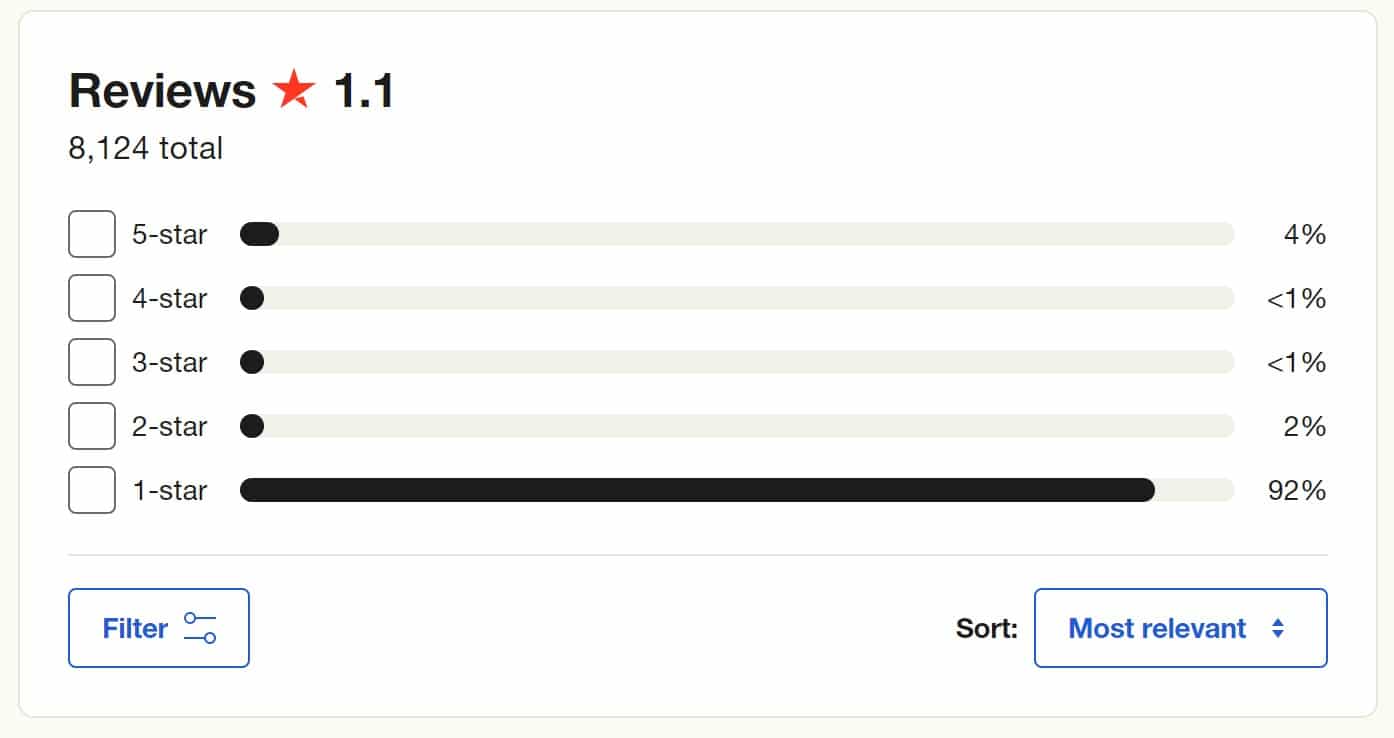
Encouraging guests to leave online reviews is vital in travel marketing. Avoid offering incentives as this may appear as buying positive reviews, and only request honest reviews where platform rules allow. In fact, Google has a strict incentive ban, and Yelp explicitly advises against review solicitation.
Instead, simplify the review process. Use tools like TripAdvisor’s widget for easy onsite feedback, and Yelp’s Review Badges to display positive reviews as a visual prompt, along with a call-to-action (CTA) linking to your Yelp page.
Addressing negative reviews is also crucial. Ignoring them can create a negative impression, as seen on Expedia’s Trust Pilot page. Responding to complaints shows customers they are valued and can transform negative experiences into positive ones.
Rallio for Travel Advisors can also assist you here, with centralized review management and AI-assisted replies, though we always recommend conducting a human review of responses before posting.
Partner with Ignite Visibility for Travel Marketing
As you can see, successful travel marketing depends on implementing a wide range of strategies from PPC to video, to making sure your site is optimized for mobile bookings. You need to identify and address your biggest gap, be it visibility, inquiry follow-up, or booking completion.
Employ these SEO tips for travel websites and more above, and you’ll have a top travel marketing company in no time.
Want to get the best results with your travel marketing approach? Turn to one of the leading travel advertising agencies for travel businesses and get the help you need.
At Ignite Visibility, we can help you with everything from search engine optimization and PPC to email marketing and conversion improvement to build a complete travel marketing campaign based on your unique requirements.
In doing so, we’ll help:
- Locate and reach your target market
- Develop fully optimized campaigns that get results
- Continually monitor and measure performance
- Perfect your efforts to get increasingly great results
Our Rallio solution can provide additional support for consistent social activity and review management, keeping you on top of your social media marketing.
Want to work with one of the top-rated destination marketing firms for travel companies? Request an assessment of where potential travelers drop off and which improvements to prioritize in your marketing.