

The term “omnichannel” is everywhere these days.
It may be a buzzword, but omnichannel marketing represents a big shift in both the marketing landscape and customer experience.
According to a joint research report from the CMO Council and Netsertice, 94% of marketers believe that getting the omnichannel experience right is essential to the success of their business.
In this article, I’ll explain what omnichannel marketing entails and how to update your strategy to keep pace with change.
What You’ll Learn:
- What is the definition of omnichannel marketing
- The importance of having an omnichannel strategy
- How you can get started
- Omnichannel marketing examples
What is Omnichannel Marketing?
Before we get down to business, let’s quickly establish an omnichannel marketing definition.
Omnichannel marketing is a strategy that aims to provide a seamless user experience across all channels that make up the buyer’s journey. This strategy combines multiple touchpoints including social media platforms, apps, review sites, your website, any physical stores, your featured snippets, literally everything.
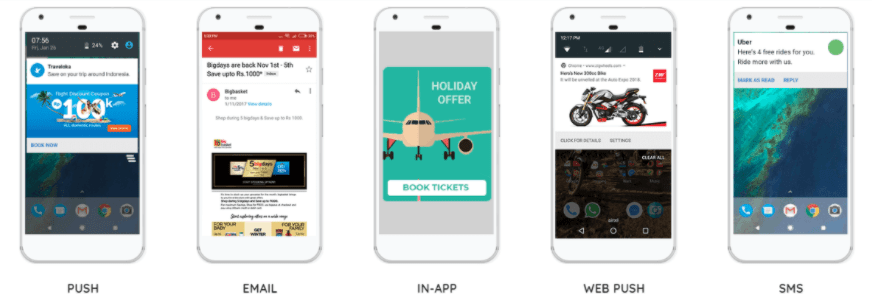
While many people (even experienced marketers) use the terms omnichannel and multi-channel interchangeably, it’s important to understand the distinction between the two.
Multichannel strategies, as you might guess, span multiple channels, just like omnichannel. However, multichannel fails to consider how the experience cuts across each channel.
For example, customers interacting with the company might receive different messages from the website versus on the phone. Or, they might notice that a brand’s YouTube channel takes on a completely different tone than its Facebook and Instagram accounts.
Omnichannel seeks to resolve that problem. The strategy begins by looking at the customer and provides a consistent experience across all channels.
Why You Need to Have an Omnichannel Marketing Strategy
The primary reason you should be doing omnichannel marketing is that it contributes to positive experiences with your brand. Done right, the omnichannel experience is seamless.
This matters because the way people shop today looks way different than it did even five, ten years ago. People research products before they buy–they read a ton of reviews, watch videos, and price compare before they talk to a salesperson.
Additionally, customers are searching for information on smartphones, computers, and tablets–switching between devices and channels frequently.

According to the Digital Marketing Institute, customers visit up to 10 different channels to check out their options before making a purchasing decision.
For a lot of brands, catering to these new buying habits can present some new challenges. For example, if you have one person handling social media and another writing blog content with little communication between the two, you’re already opening up the risk of conflicting information.
Then, consider every channel, profile, and touchpoint where you might cross paths with a customer. It’s easy to see where disconnects can make things harder for your customers, and unfortunately, cause them to look elsewhere.
Walmart CEO, Doug McMillon puts it well:
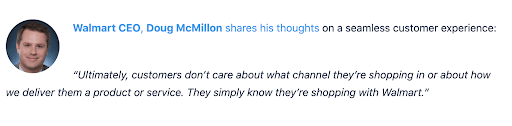
People don’t care if they’re shopping in-store, on the website, or the app–the key thing that matters is, they know they’re shopping with Walmart.
How to Develop an Omnichannel Strategy
Get to Know Your Customer. Really Well.
First things first. Before you start adopting new social media platforms and ramping up content production, you’ll want to revisit your personas.
What are your audience’s preferences, behaviors, and buying habits? How do they prefer to communicate? Work with your entire team to put together comprehensive personas to represent a diverse cross-section of your buyers.
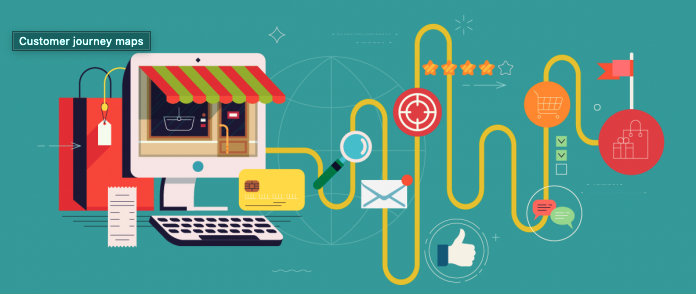
Look at how purchases are made, and how frequently people buy. Consider where the bulk of your traffic is coming from, and how people interact with your channels.
You’ll also want to go through the buying experience.
- What’s the browsing experience like?
- How long does it take to check out?
- What’s it like to order a product from a landing page or file a support claim?
Record any pain points you encounter during the journey–are any of the steps confusing or unreasonably slow? Is the messaging consistent between channels?
Look Toward Your First-Party Data
You’ll also want to talk to actual customers, use social listening tools to gauge brand perception and read customer reviews.
Dig into your first-party data, which includes:
- Engagement with content
- Subscription data
- Purchase history
- Customer service data
- Tech support data
- Customer-submitted information like name, birthday, opt-in preferences, age, gender, location.
- Meta data such as location, identity, location, and customer lifecycle attributes.

From there, you can use that information to do the following:
- Audience targeting & segmentation. Understanding your customers’ entire history with your brand allows you to create content that matches where they are on the journey based on persona and channel.
- Your data can also be used to serve up custom product recommendations or related content.
- Optimize and refine campaigns. Over time, you’ll start to see patterns emerge. Certain content formats (i.e. video vs. still images) might vary based on platform, and different groups might respond differently to different types of messaging. This data allows you to ensure that messages are always tailored to each audience and channel.
Use Data to Inform Your Omnichannel Content Strategy
Omnichannel content anticipates audience needs and delivers content that meets those needs.
Once you’ve collected your customer data, you’ll be able to build content around the topics that matter to that group. Map out each persona’s journey and consider what their goals are at each stage. What kind of content will they need to see to move forward?
Additionally, it’s worth mentioning that you don’t have to start from scratch.
One of the most intimidating things about embracing an omnichannel strategy is coming up with enough content to keep all of these channels well-stocked with relevant posts.
But here’s the thing: you don’t need to create as much content as you think. Instead, you can repurpose content across multiple channels.
Turn blog posts into infographics you can share on social media. Chop up longer YouTube videos into Instagram Stories or share them on LinkedIn. The possibilities are endless.
Additional Considerations:
- Mobile Responsive Pages. Don’t make customers pinch, scroll, and zoom. When customers access content on multiple devices, it needs to be easy to use no matter how they choose to interact with your brand.
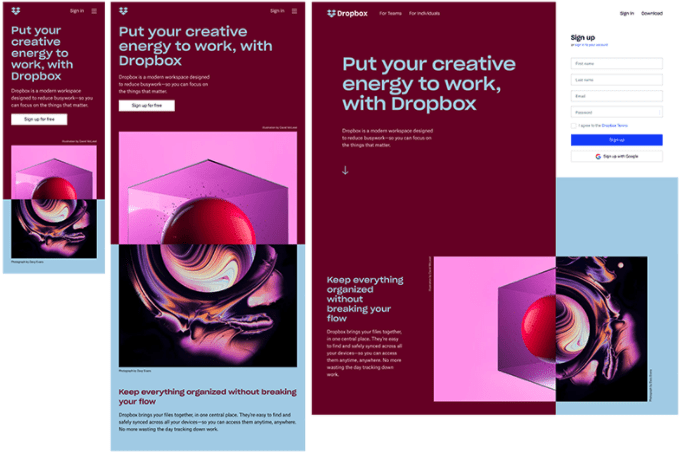
- Cross-Channel Consistency: A seamless experience hinges on consistency on every channel and format. Brands should make sure that all content delivers similar messaging that represents their unique value proposition, identity, services, and mission.
Get the Whole Team on Board
GI Insight’s The Omnichannel Imperative report found that 71% of customer journeys begin online, yet only 42% actually buy online. 18% of customers say they’ll visit a shop with the intent to purchase, yet 31% end up purchasing something in the store. What’s more, 25% of customers reported that they don’t have one “usual” purchasing channel.
The point is; if you want to create a seamless end-to-end journey, you’ll need to make omnichannel a collaborative effort.
Siloed organizational structures–think the historical disconnect between marketing and sales or the chasm between the in-store and online experiences–these need to go.
While it’s well-documented that silos aren’t so great for the customer experience, sales, PR, product teams, customer service, and marketing all work somewhat separate from one another.
Restructuring roles can help companies make the customer experience everyone’s responsibility, allowing them to develop a clear understanding of how each channel contributes to the journey.
Ultimately, your goal is to establish a single set of objectives for your omnichannel strategy. And as such, you’ll need to start by mapping out a strategic plan.
Start by answering the following questions:
- What channels do your customers use? This includes everything from your website to your social profiles, physical stores, chatbots, review sites, and more.
- Who is responsible for managing these channels?
- Do you have a brand style guide?
- Are all teams using the same messaging?
Track Success by Channel
Once you’ve established a framework for your omnichannel marketing strategy, you’ll need to continuously measure your performance.
Look at the following areas and take stock of anything that needs to be adjusted.
- Who is your customer?
- Who shops on this channel?
- How do people interact with this channel? Are they actively shopping or browsing? Consider the difference between someone looking at products on Pinterest or Instagram versus Amazon or Google.
- How much of a branded experience do customers get when using this channel?
- What is the average order value on this channel?
- How likely are customers to make repeat purchases?
- What is the average lifetime value?
Remember, omnichannel is an iterative strategy. Brands should consistently measure their performance using the metrics relevant to each channel and its impact on loyalty, sentiment, profitability, and so on.
Omnichannel Marketing Examples from Real Brands
Disney
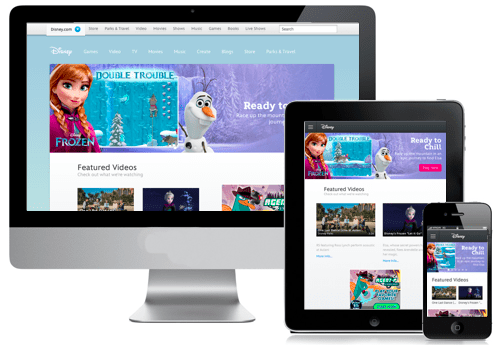
Disney’s team are experts at omnichannel, maintaining consistency across its parks, IP, and it’s the brand’s mobile-responsive website. They’ve even got a trip planning tool called, My Disney Experience that allows users to plan and share vacation details for park visits.
REI
Another example comes from the outdoor retailer, REI. The brand’s omnichannel strategy relies on shared data between its many store locations, its website, and mobile app, eliminating any confusion about stock levels or price.
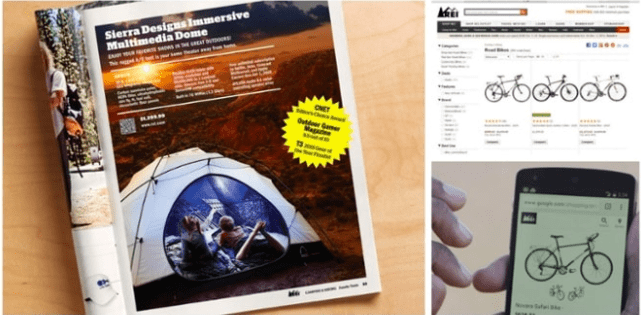
REI associates have Wi-Fi-enabled devices with them to assist customers from the showroom floor–no more calling other locations or long search missions in the back room.
Additionally, REIs loyalty program refers to customers as Co-op members and allows them to not only earn points but also share in the company’s profits.
Each Spring, members receive Annual Dividend that can be exchanged for merchandise or cash. Other perks include travel deals, members-only sales, and more.
Ikea
Ikea is another brand that really nails it on the omnichannel front. Their mobile e-commerce experience includes an AR feature that allows users to see what furniture might look like in their home before they visit a store.

In-store, the customer experience is just as well-planned. Customers can walk through the store’s connected showroom, and use the Ikea app to add items to a shopping list. The app also shows users exactly where each item is located in the warehouse, making the experience of combing through all of those shelves much easier.
Starbucks
Starbucks approaches omnichannel as a funnel, designed to attract new customers to their loyalty program and nurture that relationship long-term. For example, when customers use the in-store WiFi, they’ll be prompted to sign up for the company newsletter, which offers discounts to new subscribers.
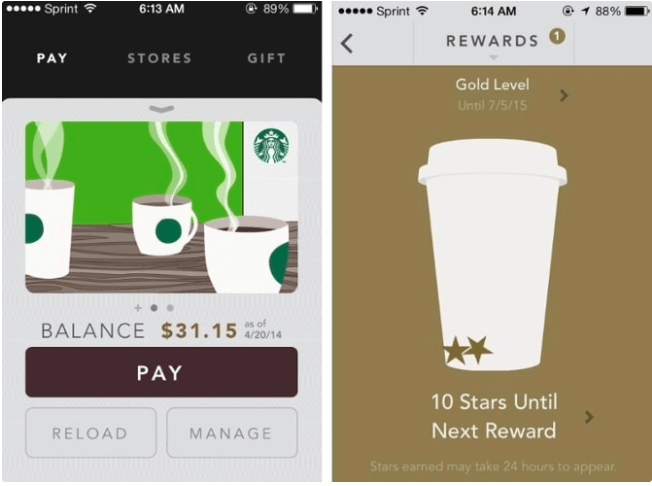
After taking advantage of one or two of those deals, Starbucks will encourage users to signup for the rewards program for even more special offers, which can be redeemed with the Starbucks app.
Wrapping Up
In an omnichannel world, “the customer is always right” takes on new meaning. Marketers need to develop a cohesive strategy around what the customer wants and how that changes based on where they enter the journey.
The process starts with data, content, and cross-departmental collaboration.
And while it’s certainly a big undertaking, the results speak for themselves–loyal, satisfied customers and a big boost to your bottom line.
