

Marketing at scale is a different game, and Ignite Visibility wants to help you cut through the chaos. As innovators and thought leaders in the franchise and multi-location marketing industry, you can rely on us to provide the news most relevant to your business.
Whether you are managing brand consistency across hundreds of locations or trying to win the local search battle in a specific ZIP code, the stakes are higher at scale. We monitor shifting algorithms, local SEO trends, and multi-location advertising technology so you don’t have to.
Our goal is to provide high-impact updates that help you make faster, more informed decisions for your brand. Keep reading for the top news.
Franchise and Multi-Location Marketing News 10/5/2026
1. Google Strengthens Its Guidance on AI-Generated Content
Google has updated its AI-content guidance to emphasize that manually fact-checking and reviewing AI-generated material before publishing is “critical.”
The October 1 update covers more than page copy. Titles, meta descriptions, structured data, and image alt text also need review for accuracy and trustworthiness.
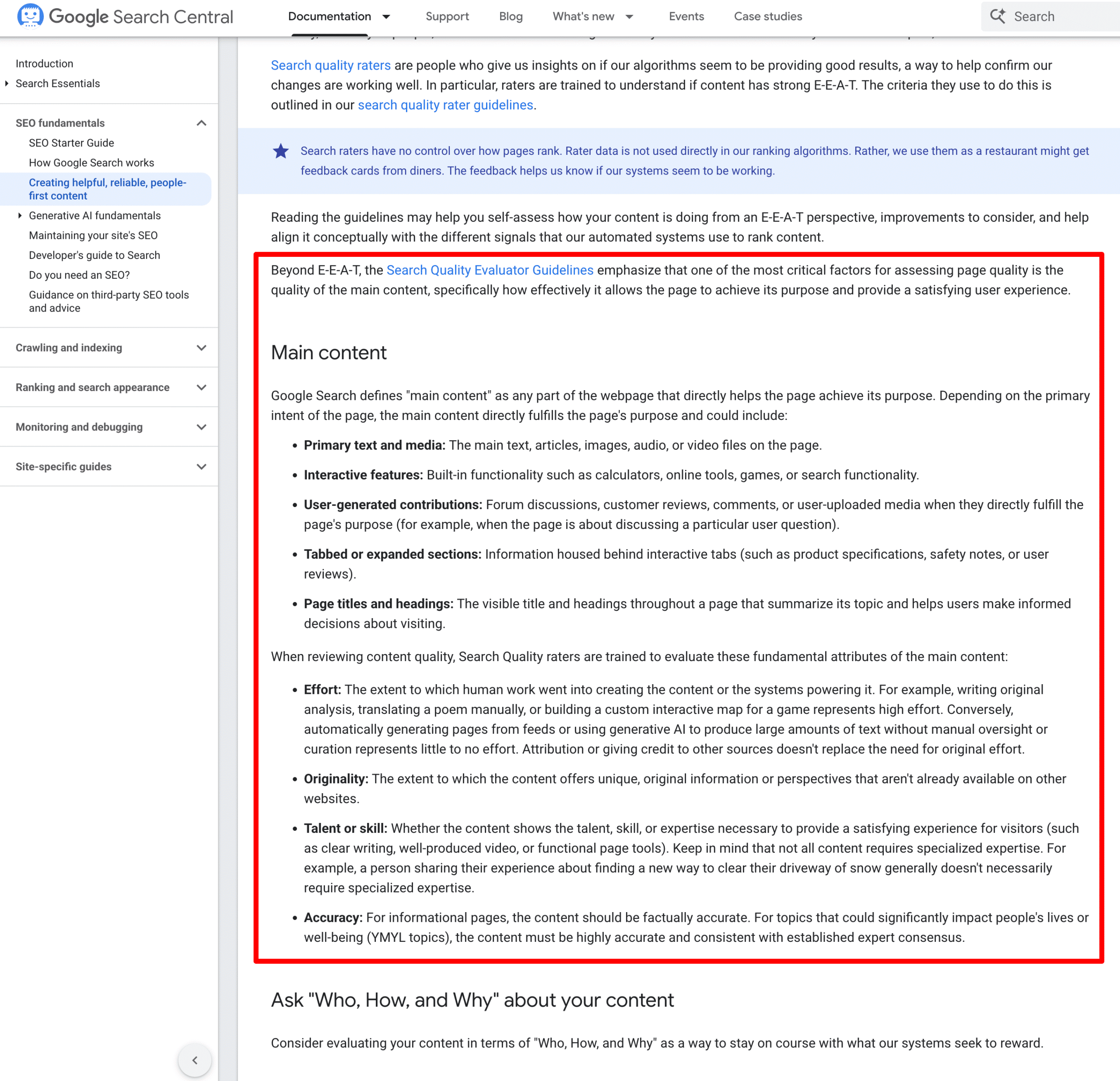
Google also expanded its helpful-content guidance, reported October 2, to explain how quality raters assess effort, originality, talent or skill, and accuracy. These are documentation changes, not an announcement of a new ranking factor.
For franchise brands, content errors can multiply quickly when the same workflow produces hundreds of location pages. Incorrect service details, unsupported claims, or generic city-swapped copy can weaken the customer experience across an entire network.
Key Takeaway: Build human review into every stage of AI-assisted publishing. Check local facts, verify claims, and give each location page useful information that goes beyond changing the business address.
2. ChatGPT Ads Adds Tools for Managing Larger Campaigns
OpenAI has introduced new ChatGPT Ads management features, according to a September 30 report based on an email sent to advertisers.
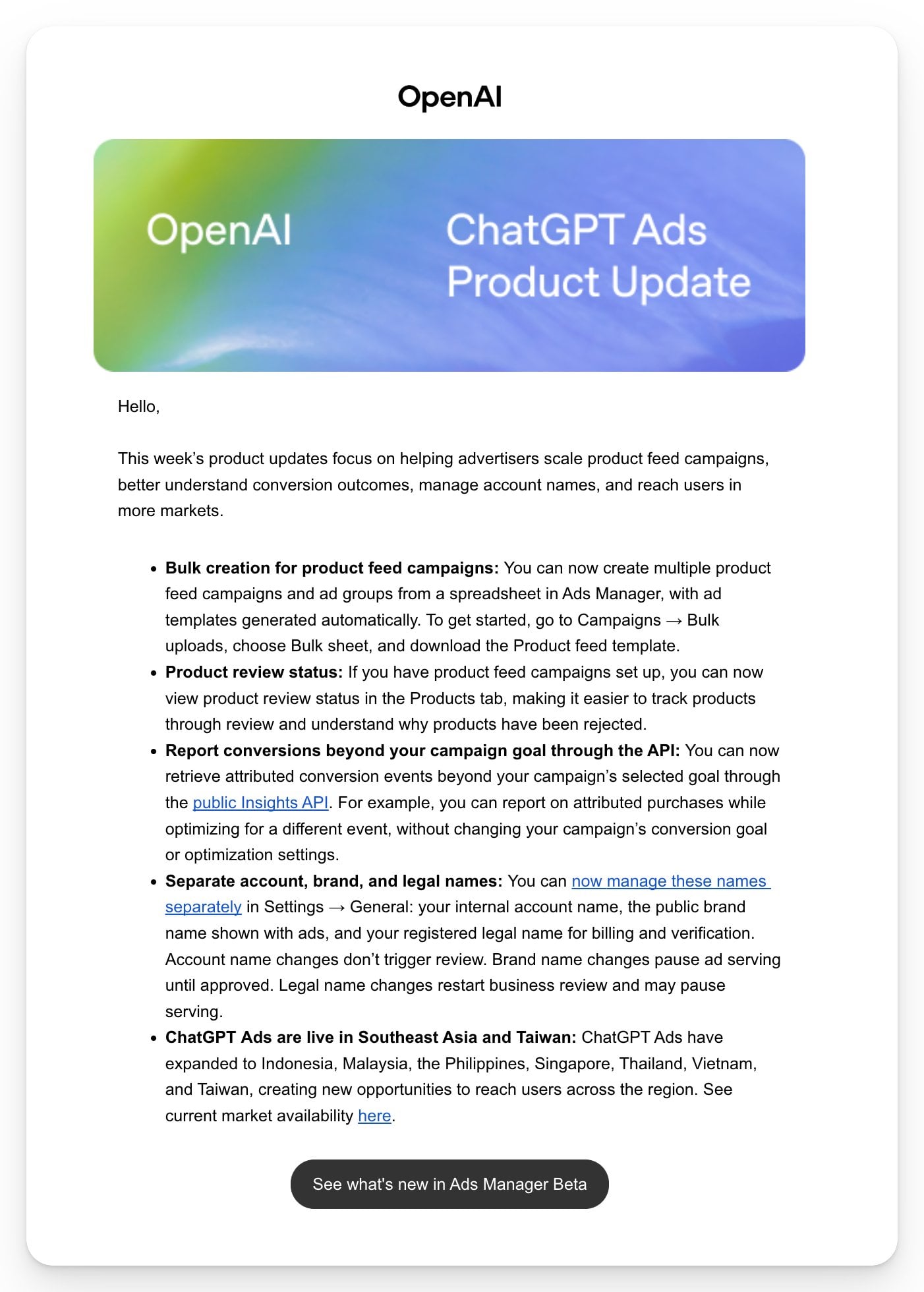
The updates include:
- Spreadsheet uploads to create multiple product-feed campaigns and ad groups.
- Product review statuses to help identify rejected listings.
- API reporting for attributed conversions beyond a campaign’s selected optimization goal.
- Separate internal account names, public brand names, and legal business names.
Ad availability also expanded into Southeast Asia and Taiwan.
These controls could make ChatGPT Ads easier to manage for retailers with large catalogs and franchise systems operating under different legal entities. However, public brand-name changes pause ad delivery until approved, so account changes require planning. www.seroundtable.com
Why We Care: Easier campaign creation reduces administrative work, but franchise teams still need to confirm how campaigns support local targeting, location-level reporting, and qualified customer acquisition before expanding investment.
3. Google Adds Loyalty Benefits to Its AI Shopping Guidance
Google’s Merchant Center documentation now says eligible loyalty benefits can appear in AI Mode and Gemini Apps in the United States. Benefits can include member pricing, redeemable points, and free shipping.
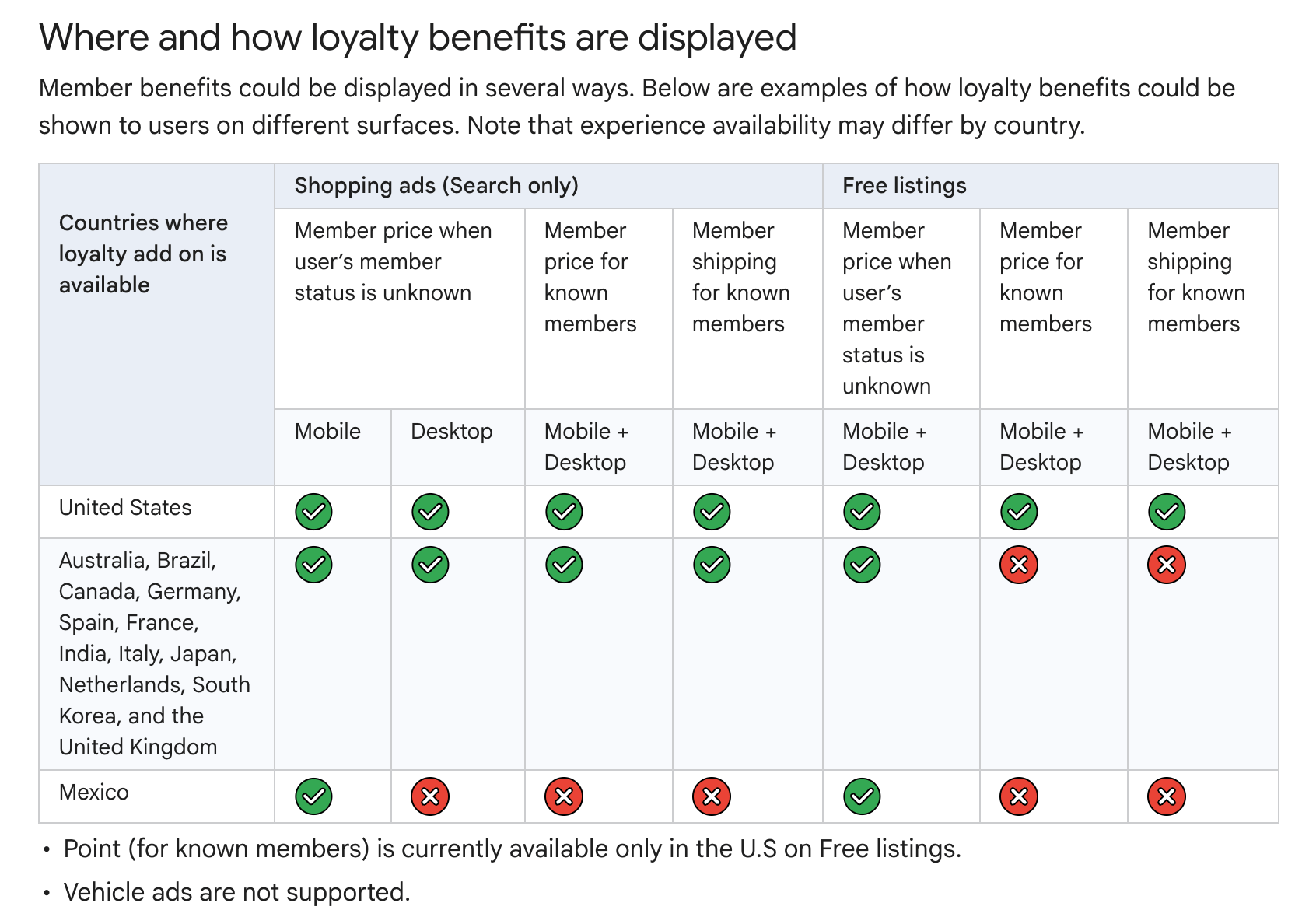
The documentation changes were reported October 2. They also expand the countries covered by the guidance and clarify that merchants can participate through free listings without running ads. Availability varies by country and feature; the report does not establish a single rollout date for every change.
For franchise retailers, loyalty information could give shoppers another reason to choose the brand while comparing products through AI. That makes accurate benefit descriptions and location participation especially important.
Key Takeaway: Review the loyalty information submitted through Merchant Center. Make sure member prices, eligibility rules, and participating locations match what customers will actually receive.
4. Meta Expands Muse With Small-Business Marketing Tools
Meta announced Muse for Small Business on September 29, adding business-focused capabilities to its personal AI agent available in the US and Canada.
Muse can connect with Facebook Pages, Instagram professional analytics, and Meta ad accounts, alongside tools including Shopify, HighLevel, Klaviyo, QuickBooks, and Canva.
Businesses can use it to analyze campaigns, draft content, and develop growth plans. Meta says publishing, sending messages, and spending still require user approval.
For franchisees with limited marketing support, this could make routine analysis and content preparation more accessible. Franchisors should also consider how local teams connect accounts and approve AI-assisted work.
Key Takeaway: Set clear rules for account access, brand voice, promotional claims, and approvals before introducing AI agents across locations.
5. Microsoft Advertising Expands Access to Controlled Campaign Tests
Microsoft Advertising’s optimization experiments are now generally available across Search, Shopping, Audience, and Performance Max campaigns, according to reporting published October 1.
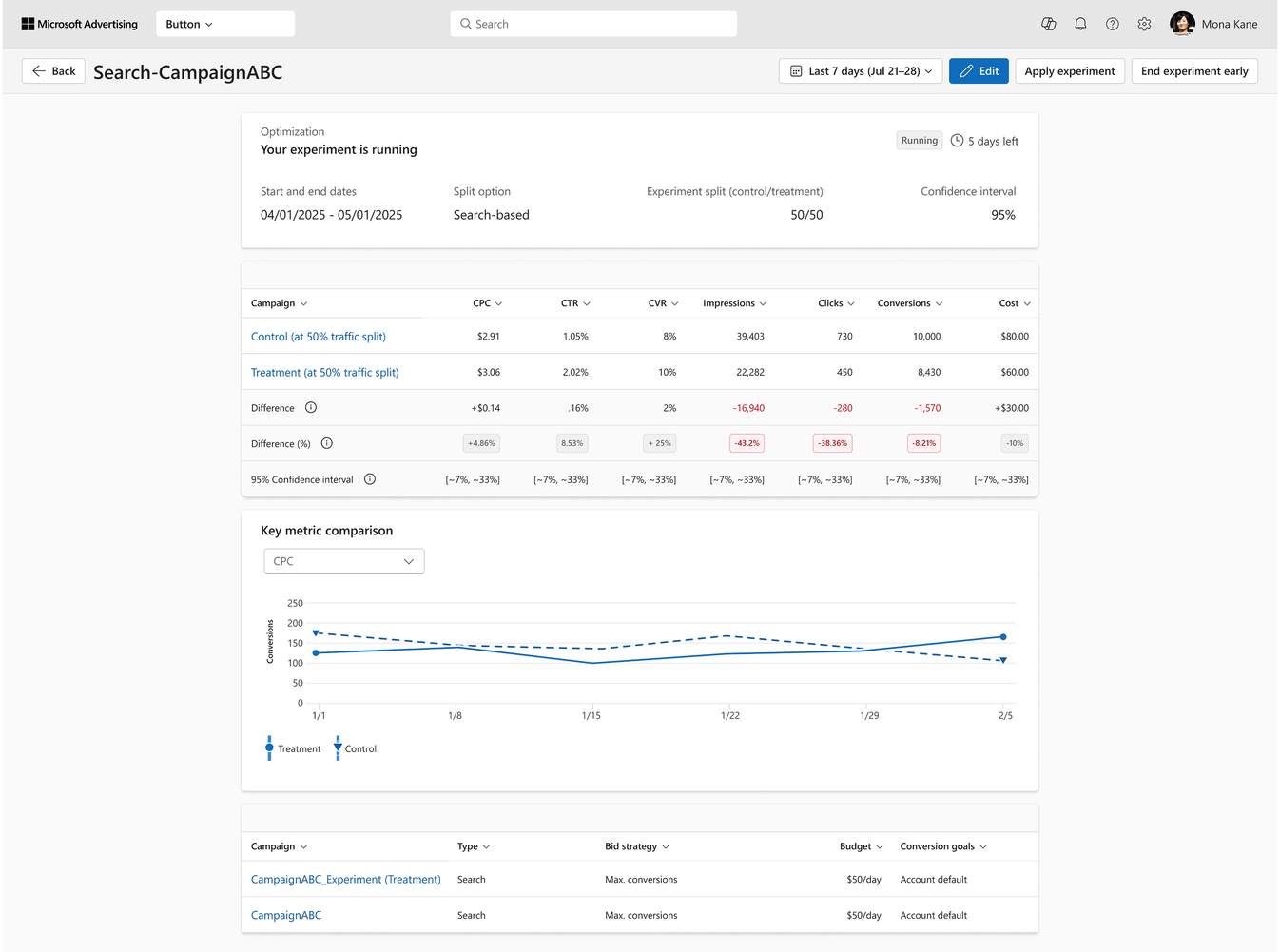
Advertisers can test changes to bidding, targeting, creative, and other settings. The platform divides traffic and budget between a control campaign and a treatment campaign, allowing teams to compare results before applying a successful change.
For multi-location advertisers, this provides a more structured way to evaluate campaign changes before extending them across a larger network.
Action Item: Start with one clear hypothesis, such as whether regional messaging improves qualified leads. Use consistent conversion tracking and evaluate lead quality and acquisition costs before applying the results more broadly.
Franchise and Multi-Location Marketing News 9/28/2026
1. Google Gives Businesses Less Time to Catch GBP Changes
Google has clarified that businesses now have just 4 days to review and approve certain suggested Google Business Profile edits before Google may publish them automatically using information from other trusted sources.
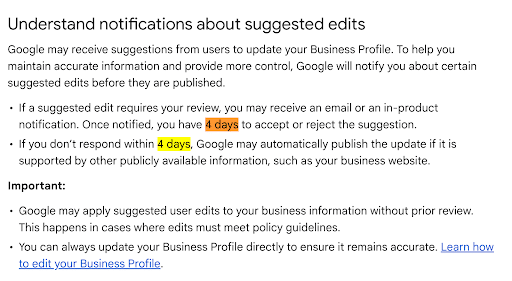
Some profile changes can still appear without advance review.
Key Takeaway: A weekly profile check may no longer be enough. Multi-location brands should assign ownership of GBP notifications and make sure website information stays aligned with profile details to reduce unwanted changes.
2. Google’s September Spam Update Is Rolling Out
Google launched its September 2026 Spam Update on September 24.
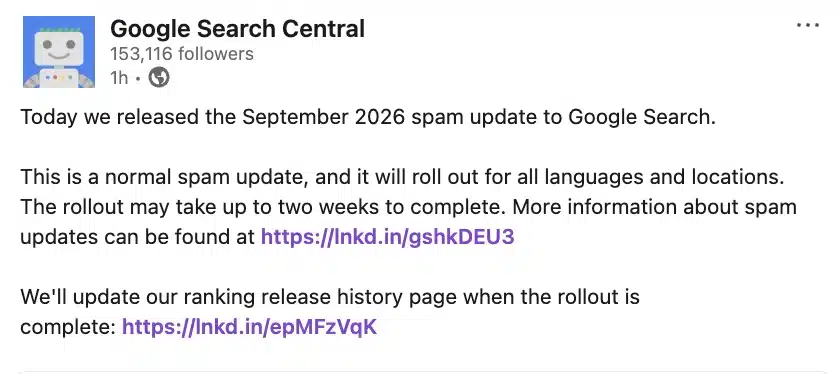
The update applies globally across all languages and may take up to two weeks to finish rolling out. Google has not shared which spam signals or tactics are being targeted.
Expect ranking volatility over the next couple of weeks.
Action Item: Instead of reacting to every movement, monitor traffic, leads, and rankings by location and page type before making major SEO changes.
3. Demand Gen Expands Local Advertising Opportunities
Google announced new Demand Gen features.
These include:
- Affiliate location extensions for Maps promoted pins
- One-tap landing page access from eligible Shorts and Gmail image ads
- Sign-ups for Business Agent, a conversational AI experience that lets viewers ask questions alongside YouTube ads. Availability varies by feature.
Retailers, dealerships, and franchise brands now have more ways to connect awareness campaigns with nearby locations.
Teams testing conversational ad experiences should also verify that AI-generated responses accurately reflect products, pricing, and offers.
4. Search Console Now Tracks Visual Search Traffic
Google Search Console is rolling out a new multimodal search filter that reports traffic from Google Lens, Circle to Search, image uploads, and Chrome image searches.
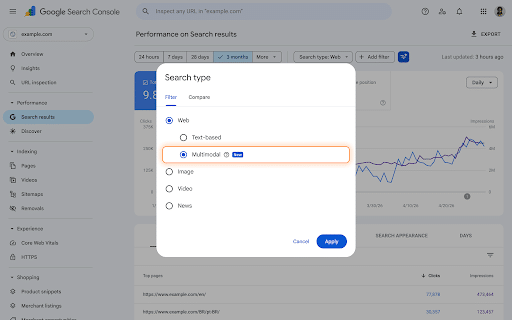
The data is available in both Search results and Generative AI reporting where applicable.
Why We Care: Brands can finally measure how visual search contributes to website traffic. For retailers, restaurants, home services, and image-heavy websites, this creates a new way to evaluate the performance of visual content and imagery.
5. Google Tightens Rules Around Contact Information in GBP Posts
Google has updated its Google Business Profile post guidelines to clarify that posts containing unverified phone numbers, email addresses, or social media handles may be removed.
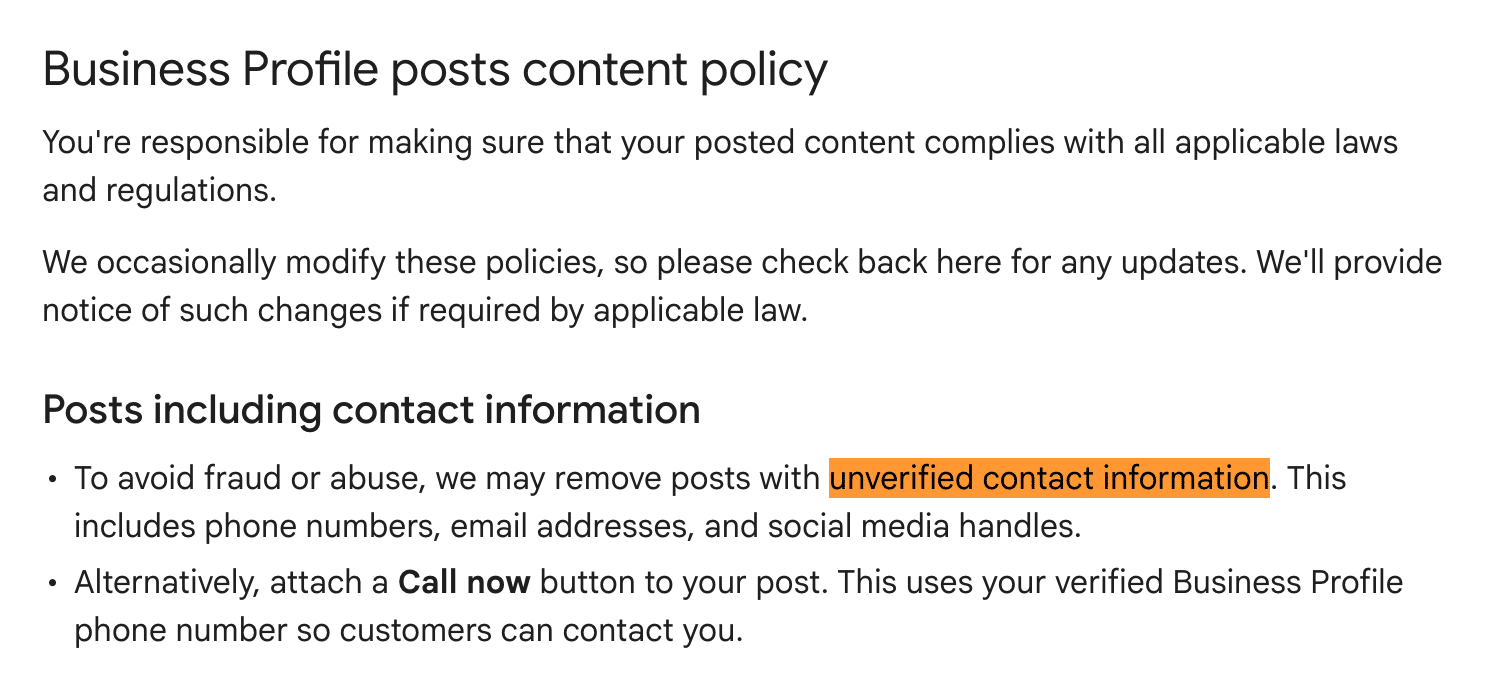
The company also notes that phone numbers included in post descriptions can be rejected if Google cannot verify their connection to the business.
Instead, Google recommends using the Call now button, which pulls from the profile’s verified phone number.
Why We Care: Brands that publish posts across multiple locations should review contact details before distributing content at scale. This update also challenges older GBP guidance that treated phone numbers in post copy as automatically prohibited. Going forward, the issue appears to be verification, not simply the presence of contact information. Using verified profile information and Google’s built-in call features can help reduce the risk of post removals.
Franchise and Multi-Location Marketing News 9/10/2026
1. Google’s Spam Update Triggers Major Ranking Turbulence Across Search
New data shows Google’s August spam update caused significantly more ranking disruption than normal search volatility, with an 82% increase in top-10 URLs dropping outside the top 100 compared to a baseline period without a confirmed ranking update.
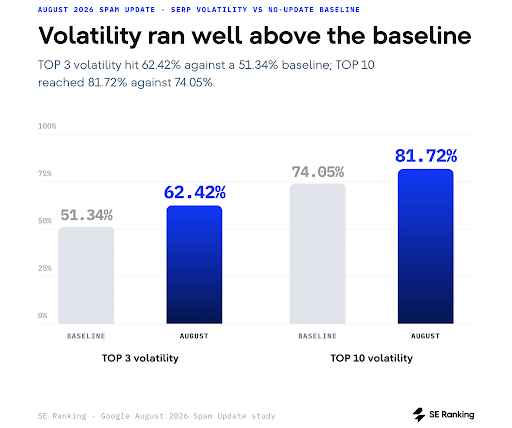
SE Ranking analyzed 100,000 keywords across 20 industries and found that 16.71% of URLs previously ranking in the top 10 fell beyond position 100 during the update, compared with 9.2% during the baseline period.
The study did not determine whether AI-generated, templated, or programmatic pages were hit harder than other content. However, Google separately warns that creating large volumes of low-value or unoriginal pages, including with generative AI, can violate its scaled content abuse policies.
For franchise and multi-location brands, this puts renewed attention on location-page quality. When hundreds of store or service-area pages rely on the same thin template, weaknesses can be repeated across an entire network.
Search volatility is increasing the cost of low-value content at scale.
Key Takeaway: Franchise brands should review location and service-area pages for genuinely useful local differentiation, including unique services, staff expertise, photos, community information, FAQs, and other details that make each page valuable beyond simply swapping out a city name.
2. Yelp Data Is Now Powering Local Business Recommendations Inside ChatGPT
Yelp has expanded its relationship with OpenAI, with Yelp ratings and reviews now helping power ChatGPT’s local discovery experience in relevant business categories.
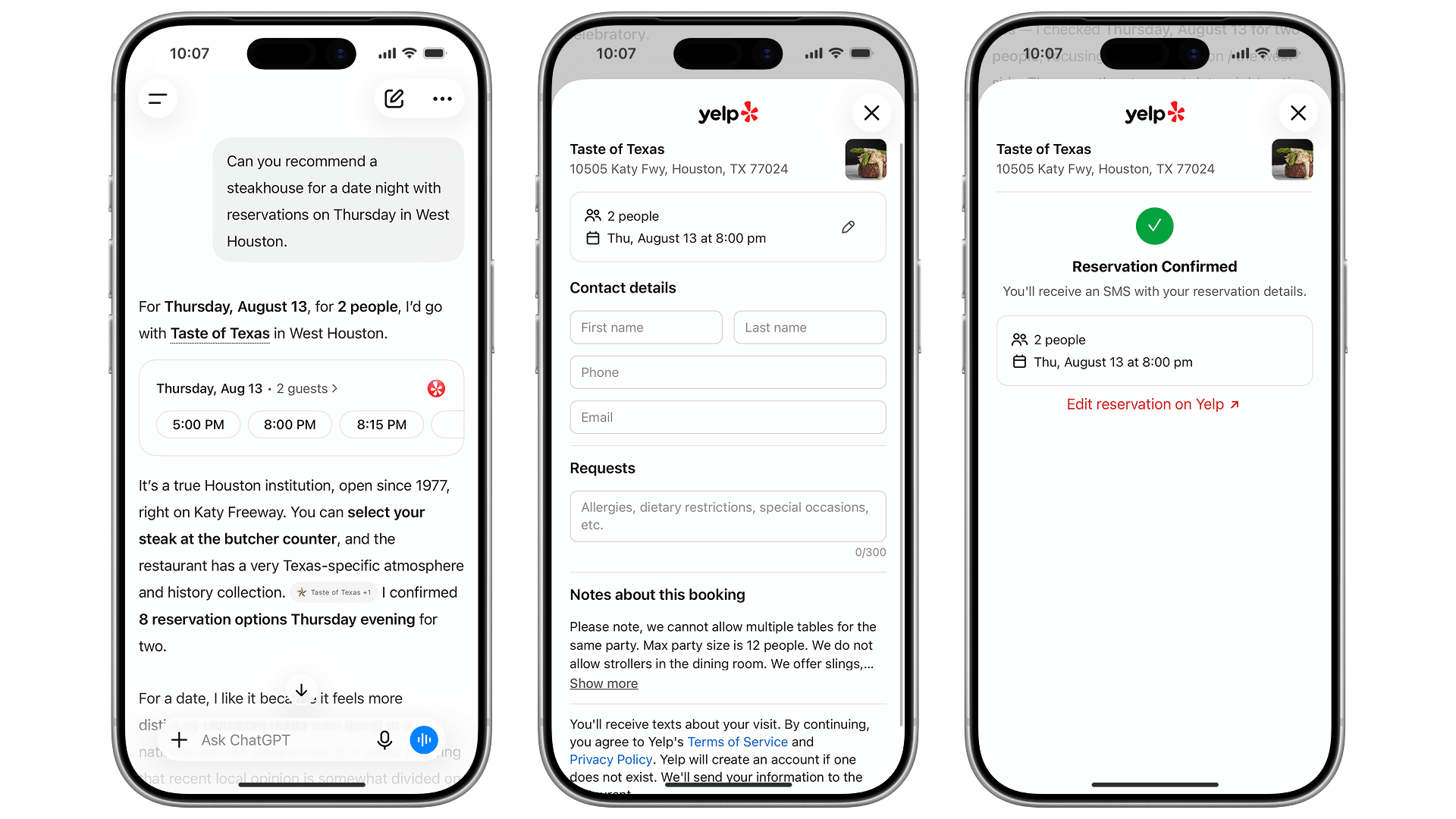
The integration gives ChatGPT access to Yelp’s local business information, including reviews, ratings, photos, and other listing details, providing another source of real-world context when users ask for recommendations about restaurants, home services, retailers, and other nearby businesses.
Yelp is also expanding transactional integrations across AI platforms, signaling a broader shift from AI simply answering local questions toward helping consumers take action after choosing a business.
For franchise and multi-location brands, this makes Yelp visibility more important beyond Yelp itself. Listing accuracy, review volume, customer sentiment, photos, and business information can increasingly influence how a location is represented across third-party AI experiences.
Local reputation data is becoming part of the infrastructure behind AI recommendations.
Key Takeaway: Multi-location brands should manage Yelp listings with the same discipline as Google Business Profiles by keeping location information accurate, maintaining strong review-generation and response programs, and monitoring how individual locations appear across AI-powered local search experiences.
5. Public Facebook Groups Are Now a Major Google Search Surface
Ahrefs analyzed 145 million U.S. Google search results and found Google’s Discussions and forums feature appearing in approximately 11.7% of them. Facebook appeared in 38.3% of SERPs where the feature was present, placing it second behind Reddit and ahead of Quora.
Every Facebook URL Google surfaced came from a public Facebook Group.
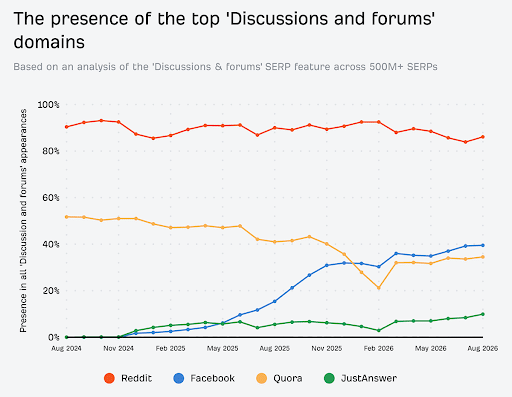
Neighborhood recommendations such as “best plumber in Scottsdale,” “where should I take my kids for pizza?” or “best gym near me?” can increasingly create search visibility beyond Facebook itself.
This strengthens the connection between local community reputation, social conversation, and Google search visibility.
It does not, however, mean that generating Facebook mentions directly boosts conventional rankings.
Key Takeaway: Franchise brands should give local operators clear guidelines for authentically participating in relevant public community groups, answering questions, helping residents, and building genuine local recognition rather than using groups for repetitive promotional posts.
4. Meta Business Agent Brings 24/7 AI Customer Service to WhatsApp
Meta has launched Meta Business Agent, an AI-powered customer service and sales assistant designed to help businesses respond to customers across WhatsApp, Messenger, Instagram, and Meta Business Suite.
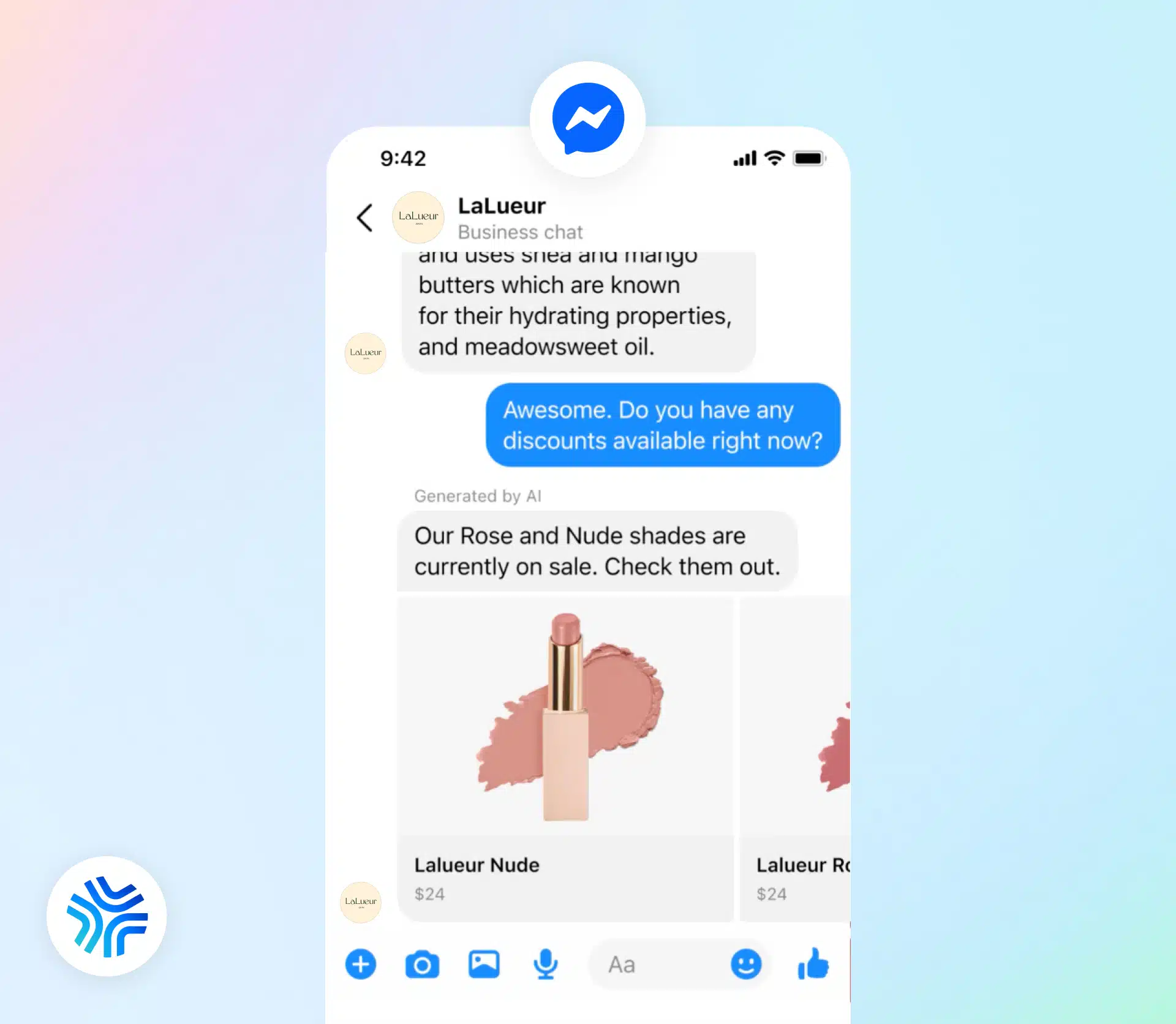
The agent can answer business-specific questions, recommend products from a company’s catalog, qualify incoming leads, book appointments, close sales, and determine when a human employee should step into the conversation. Meta says more than one million businesses are already using Business Agents across WhatsApp and Messenger.
For franchise and multi-location brands, the technology could help solve one of the most persistent local marketing challenges: inconsistent response times at the individual location level. Prospects can receive immediate answers and move further through the conversion process even when local employees are busy or the location is closed.
Meta is turning messaging channels into always-on customer service and conversion platforms.
Key Takeaway: Multi-location brands should evaluate AI agents for high-volume, repeatable customer interactions such as FAQs, lead qualification, product questions, and appointment scheduling while maintaining clear escalation paths for conversations that still require human judgment.
5. ChatGPT Ads Are Moving Toward More Conversational Customer Journeys
OpenAI is building ChatGPT advertising around the context of user conversations rather than traditional keyword searches, and the company has signaled that future ad experiences could become more interactive than standard static ads and landing-page links.
OpenAI has specifically described a future where someone could see an advertisement and ask follow-up questions directly to help make a purchase decision. Current ChatGPT ads still appear as clearly labeled sponsored placements below responses and typically direct users to an advertiser’s landing page, so direct appointment booking inside an ad itself is not yet a confirmed feature.
However, ChatGPT is already moving toward transactions elsewhere in the platform, with integrations that allow users to complete actions such as restaurant reservations without leaving the conversation.
For franchise brands, the direction is significant: AI advertising could eventually compress discovery, consideration, qualification, and conversion into one conversational environment.
Advertising is beginning to move from clicks toward conversations.
Key Takeaway: Franchise marketers should start preparing for AI-native advertising by developing strong answers to the questions customers typically ask before converting, while ensuring pricing, services, availability, locations, and conversion systems are structured clearly enough to support increasingly conversational customer journeys.
6. Meta Is Bringing Muse Image to Advantage+ Creative
Meta is bringing its new Muse Image model to Advantage+ creative, expanding the role of generative AI in the production and variation of paid social advertising.
Muse Image is designed to understand more complex creative instructions and generate or refine visual assets through conversational prompts. Meta says advertisers and agencies will be able to use the technology through Advantage+ creative as the rollout expands.
For franchise and multi-location marketing teams, the biggest opportunity is creative scale. Instead of manually building dozens or hundreds of visual variations, corporate teams could use AI-assisted workflows to adapt approved creative concepts for different markets, products, services, promotions, and audience segments much faster.
The technology does not remove the need for brand controls. Multi-location organizations will still need clear standards around logos, offers, product accuracy, location information, imagery, and final approvals before AI-generated variations are deployed.
Localized advertising is becoming easier to produce at enterprise scale.
Key Takeaway: Franchise brands should build an AI creative governance process now, combining centrally approved brand assets and messaging with AI-assisted variation so local campaigns can become more relevant without sacrificing brand consistency or accuracy.
7. Google Search Console Finally Makes AI Visibility Measurable at Scale
Google completed the worldwide rollout of dedicated Generative AI performance reports in Search Console on August 31. Brands can now isolate impressions generated through Google’s generative search experiences, including AI Overviews and AI Mode, and break them down by page, country, date, and device.
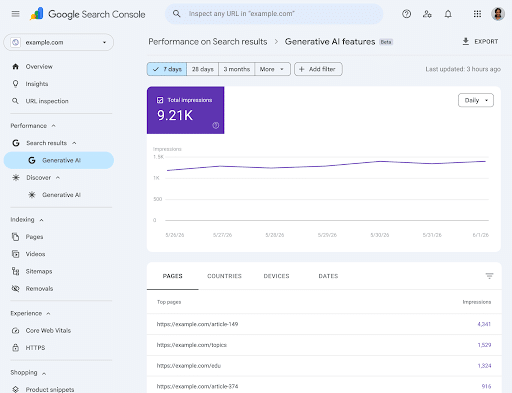
Corporate teams can finally identify which location and service pages Google is actually surfacing inside generative search rather than relying entirely on third-party AI visibility tools.
That creates an opportunity to compare visibility across markets and find franchise locations that are effectively invisible in AI results.
Action Item: Create a baseline by location, service category and market now. Track which page templates consistently earn AI impressions and use those findings to improve weaker location groups.
8. Traditional Google Search Ads Are Starting to Enter AI Mode
Google confirmed a small experiment allowing traditional Search campaigns using exact and phrase match keywords to serve text ads inside AI Mode when Google detects explicit, direct intent.
Until now, AI Mode advertising has been much more closely associated with Google’s automated products such as AI Max and Performance Max.
This could give multi-location advertisers something they badly need in AI advertising: reach without surrendering all campaign control.
Strategic Takeaway: Watch existing Search campaigns for AI Mode delivery before restructuring budgets. If Google expands the test, controlled exact- and phrase-match campaigns could become an attractive entry point into AI search advertising.
Franchise and Multi-Location Marketing News 8/27/2026
1. Google’s August Spam Update Appears to Target Low-Quality AI Content
Google has completed its August Spam Update, and early reports suggest the rollout focused heavily on mass-produced, AI-generated content created primarily for rankings rather than users.
Several site owners reported ranking declines after relying on fully automated publishing workflows, while websites using AI-assisted content with human review and editorial oversight appear to have performed much better. The update also follows Google’s recent work on systems designed to detect and reduce large-scale AI-generated spam.
Importantly, Google’s policies don’t target AI content specifically. Instead, they focus on content created to manipulate search results, regardless of whether it was written by a human or AI.
Why We Care: AI isn’t the problem. Low-quality, scaled content is. If you’re using AI in your content workflow, prioritize human review, originality, and user value over publishing content at scale.
2. ChatGPT Ads Just Made Its Biggest International Expansion Yet
OpenAI announced that ChatGPT Ads would expand to 31 European markets on August 24, including Germany, France, Spain, Italy, Sweden, Norway, Denmark, the Netherlands, and Austria. The platform has also expanded beyond basic CPM/CPC buying to support conversion optimization, geo-targeting, custom audiences, the OpenAI Pixel, Conversions API, and third-party measurement integrations.
OpenAI says tens of thousands of marketers have already advertised on ChatGPT since testing began in the U.S. six months ago.
Why Franchise & Multi-Location Brands Should Care
This is starting to look less like an experimental ad placement and more like a genuine customer-acquisition channel. Geo-targeting is especially important for franchise systems because it creates the potential to reach customers during high-intent conversations and connect campaigns to specific markets.
It also signals that paid visibility inside conversational AI may become a meaningful complement to Google, Meta, and other performance channels.
3. Google Gives Advertisers More Control Over AI Max, and Location Guardrails
Google introduced new AI Max testing and planning capabilities, including the ability to test different budgets and ROI targets across multiple Search campaigns in one A/B experiment. The feature is scheduled to begin rolling out in September.
Importantly for multi-location advertisers, Google says AI Max experiments can now operate while keeping brand and location controls enabled.
Why Franchise & Multi-Location Brands Should Care
One of the biggest objections to AI-driven advertising for franchises has been loss of control. A national campaign that sends demand into the wrong territory, location, or franchisee market can create operational and attribution problems.
Google explicitly supporting location guardrails while testing AI Max makes broader adoption more practical for distributed businesses.
Strategic Takeaway: Do not roll AI Max across the entire franchise system at once. Build controlled market-level A/B tests and evaluate incremental leads, revenue, CPL, and territory integrity before scaling.
4. Meta AI Is Moving From Assistant to Marketing Analyst and Operator
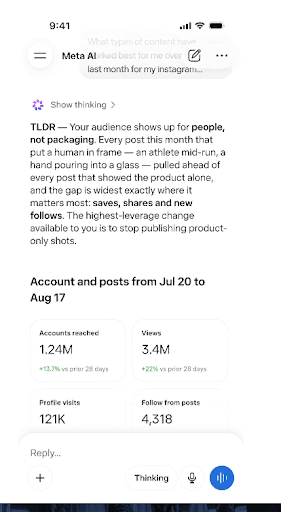
Meta introduced new business-focused Meta AI capabilities that can work across Facebook and Instagram analytics, Meta Ads, and Google Workspace. Meta says the system can surface insights, audit and optimize campaigns, benchmark performance against similar companies, and generate presentations, documents, and spreadsheets.
It can also perform recurring tasks and reminders.
Why Franchise & Multi-Location Brands Should Care
This hints at a future where franchisees and local managers can ask questions such as, “Why did leads fall in my market?” or “Which campaign performed best this month?” without requiring deep platform expertise.
That could dramatically expand access to marketing intelligence across distributed organizations, but it also increases the need for standardized permissions, data definitions, and governance.
5. AI-Referred Shoppers Are Becoming Some of Retail’s Highest-Value Visitors
AI-driven traffic to U.S. retail websites increased 62% year over year in July, according to Adobe data reported by EMARKETER. More importantly, AI-referred traffic converted 60% better than non-AI traffic, marking the 11th consecutive month in which AI traffic outperformed other sources on conversion.
Those visitors also spent 59% more time on retail websites and were 33% less likely to bounce.
Why Franchise & Multi-Location Brands Should Care
AI search may send less traffic than traditional search today, but the visitors it sends can arrive much further down the funnel because the AI assistant has already helped them compare their options.
That fundamentally changes the value equation. A brand could lose overall organic click volume while still gaining higher-intent AI-driven customers.
Strategic Takeaway: Stop measuring AI visibility purely through traffic. Segment AI referrals, conversion rate, revenue, booked appointments, calls, and store visits to determine whether these visitors have disproportionate business value.
6. Consumer Spending Is Holding Up, but Franchise Leaders Still Face a Complicated Value Environment
The National Restaurant Association described the consumer outlook as “cautiously optimistic,” noting softer labor-market indicators alongside continuing pressure from gasoline prices. It reported that the national average for regular gasoline had remained near or above $4 per gallon for more than four months.
At the same time, newer Bank of America data indicates household financial health remains relatively solid, with spending increasingly converging across income groups rather than following the pronounced “K-shaped” pattern seen previously.
Why Franchise & Multi-Location Brands Should Care
The consumer is not simply “strong” or “weak.” Spending power varies dramatically by geography, income, product category, and occasion.
That makes national discounting especially risky: locations may sacrifice margin in markets where customers were willing to pay full price while failing to address real value concerns elsewhere.
Franchise and Multi-Location Marketing News 8/17/2026
1. Google Maps Is Becoming a Transaction Layer for Local Commerce
Google expanded Ask Maps from a discovery tool into an agent capable of completing multi-step local-commerce tasks. A consumer can describe what they want to eat, have Maps identify suitable restaurants along their route, and move directly toward ordering; Google says the experience is being built with partners including Square, Toast and Uber Eats, alongside a Universal Commerce Protocol for Food.
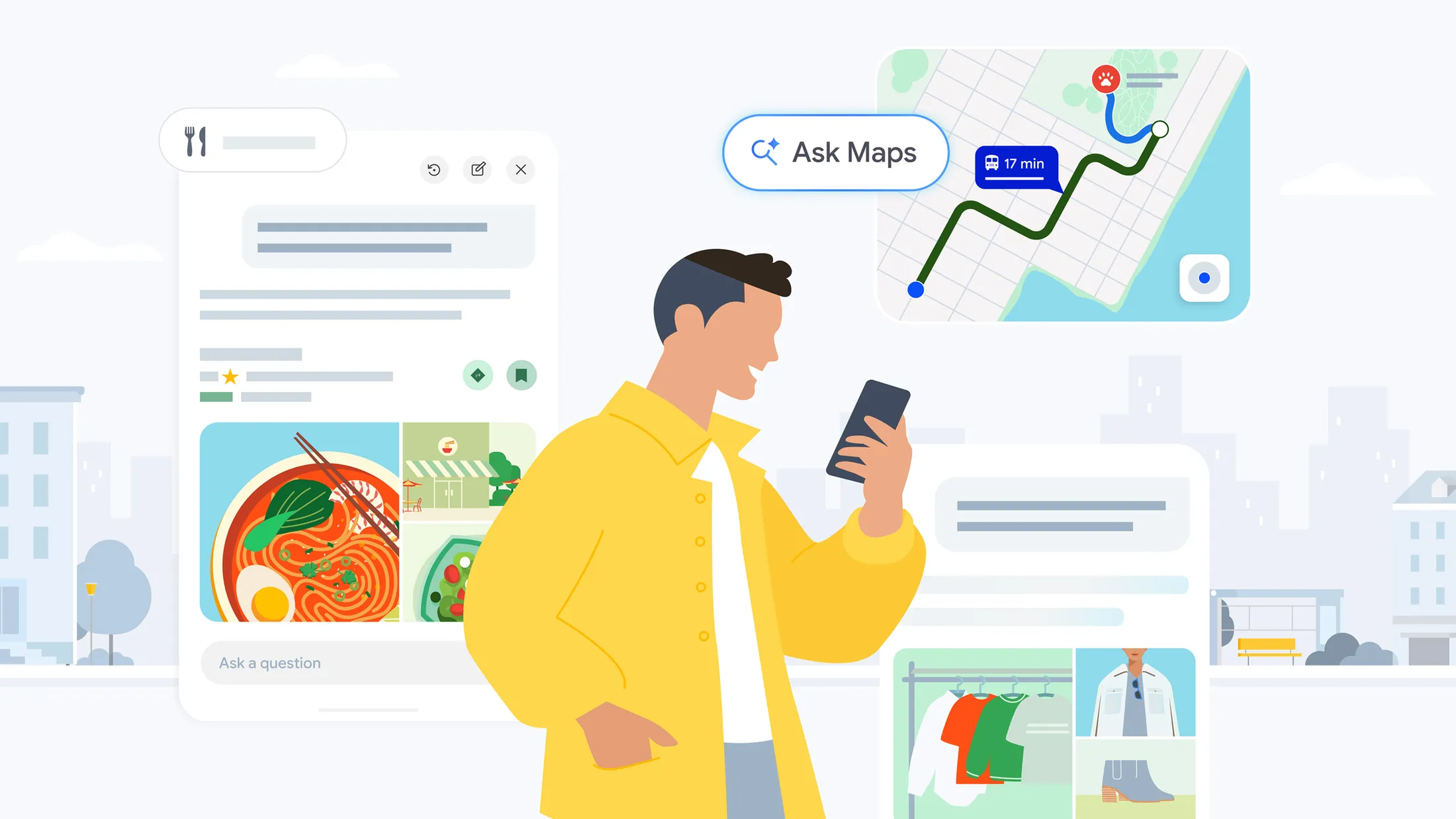
This is a meaningful change in the local customer journey: Maps is beginning to collapse search, recommendation and transaction into the same interface rather than sending every consumer through a traditional website or app.
Why Brands Should Care: For restaurant and other location-based brands, local visibility will increasingly depend on whether AI systems can accurately understand inventory, menus, hours, dietary attributes, availability and ordering pathways, not merely whether a location ranks well for a keyword. A strong Google Business Profile may remain foundational, but structured operational data and commerce integrations are becoming part of discoverability.
It also raises the stakes of location-level data consistency. If an AI agent selects a restaurant and prepares the transaction on the customer’s behalf, incorrect hours, unavailable products or weak ordering integrations could become direct revenue losses rather than minor listing problems.
Strategic Takeaway: Audit the machine-readable customer journey for every location: business data, menus/services, hours, ordering links, availability and third-party integrations. The next local-search battleground is increasingly about being actionable by an AI agent, not simply visible to a human searcher.
2. Google Is Giving Store-Goal Campaigns a New Way to Find High-Intent Nearby Customers
Google introduced Local customer optimization for Performance Max campaigns using store goals. The feature is designed to prioritize people near or interested in a business area who appear ready to take action, including consumers navigating, planning trips or conducting nearby searches across Google Maps, Waze and local Search surfaces.
The optimization can work toward offline outcomes including store visits, store sales, calls and directions, making it unusually relevant to businesses whose revenue is realized at physical locations.
Why Brands Should Care: This brings Google’s automation closer to one of the hardest marketing problems: turning enterprise advertising budgets into measurable location-level foot traffic and offline revenue. It could be particularly valuable for brands with hundreds of stores whose demand varies sharply by trade area, commute pattern or local intent.
It also makes clean location feeds and offline conversion measurement more consequential. A brand cannot fully benefit from local-intent optimization if its store data, conversion signals or attribution infrastructure are fragmented across franchisees.
3. Retailer-Owned AI Is Winning the Checkout, At Least for Now
EMARKETER estimates that retailer-native AI assistants will drive 54.1% of U.S. AI-driven retail ecommerce sales in 2026, remaining ahead of general-purpose AI platforms through 2030. Its analysis also found that only 10% of AI-assisted digital shoppers usually finish the transaction on the AI platform, while 69% move to a retailer’s website or app to buy.
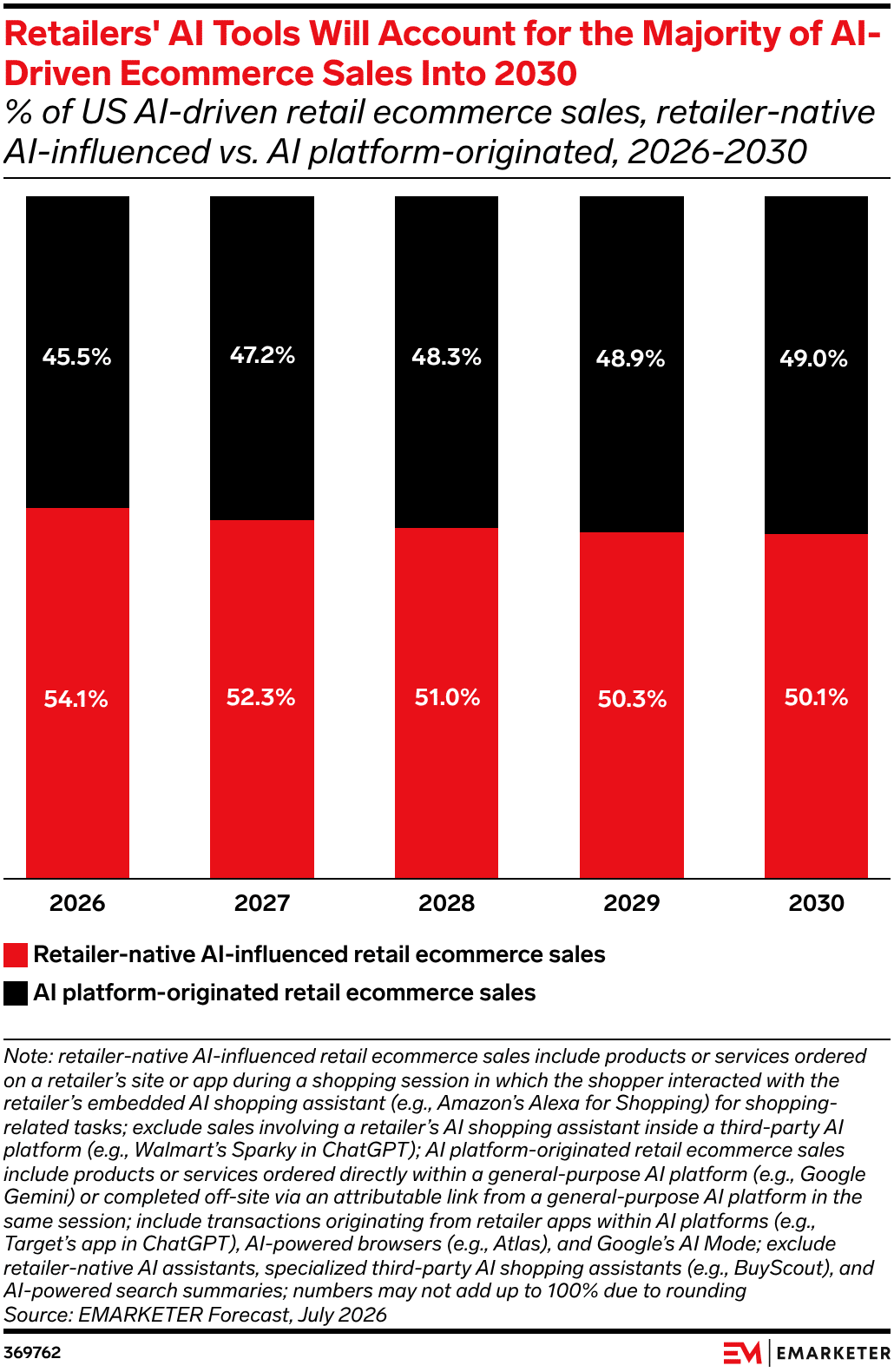
Trust appears to be a major reason: one-quarter of U.S. shoppers surveyed said they trusted retailers most to handle the entire shopping experience, versus 16% for a Google-like technology company and 7% for an AI platform such as ChatGPT.
Why Brands Should Care: The data argues against treating third-party AI assistants as replacements for owned digital experiences. AI may increasingly originate discovery, but customers still want a trusted brand environment when they move closer to purchase.
For multi-location brands, that means the website, app, location pages, loyalty system and first-party data stack remain strategic assets. Those channels need to work both for humans arriving from AI discovery and for AI systems trying to understand the brand.
Strategic Takeaway: Fund AI-channel visibility and owned-channel conversion rather than choosing between them. The near-term advantage may go to brands that allow AI to create demand while keeping checkout, loyalty enrollment and customer data inside their own ecosystem.
4. Google Is Automating More of Marketing Analysis, Benchmarking and Decision-Making
Google announced a new set of AI and agentic capabilities across Google Ads and Google Analytics. Google Analytics now surfaces AI-generated summaries of performance changes; Google Ads provides personalized insight cards; natural-language prompts can generate visual dashboards; and Ask Advisor can benchmark campaign performance against anonymized averages from similar businesses.
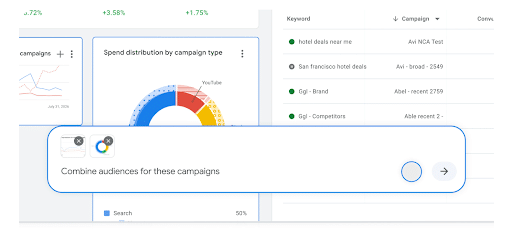
Google says the tools are intended to move users more quickly from identifying a performance change to understanding it and taking action. Several Ask Advisor capabilities are currently available in beta for English-language accounts.
Why Brands Should Care: The real opportunity is not simply saving analyst time. Multi-location organizations routinely struggle to detect which markets, regions or locations are deviating from systemwide trends early enough to intervene.
AI-generated diagnostics could make sophisticated analysis accessible to regional managers or marketing teams that do not have dedicated analysts. The corresponding risk is allowing automated recommendations to flatten genuine local differences or optimize toward incomplete conversion data.
5. AI Visibility Measurement Is Starting to Standardize
The IAB released what it calls a standardized framework for measuring brand visibility in AI-powered discovery. The organization said more than 20 companies were already selling AI-visibility measurement products using methodologies capable of producing different answers for the same brand.
Its framework organizes measurement around four concepts: Presence, Prominence, Portrayal and Persuasion. Metrics extend beyond whether a brand appears at all to include citation rate, placement, recommendation strength, factual accuracy and even hallucination rate.
Why Brands Should Care: Multi-location brands face an additional AI-discovery problem that national brands do not: an assistant can accurately understand the parent brand yet still get a particular location’s services, availability, policies or hours wrong. Measuring only corporate-level “AI visibility” can therefore conceal operationally important failures.
The inclusion of portrayal and factual inaccuracy is especially relevant. In AI discovery, being mentioned is not necessarily beneficial if the answer contains incorrect location information.
6. Gemini Is Turning Local Booking Platforms Into AI Distribution Channels
Google announced a new slate of services that users will be able to connect directly to Gemini. In the local category, Gemini will be able to help consumers book experiences, reserve restaurants, rent cars and find event tickets through services including Fever, GetYourGuide, Localiza, OpenTable in the U.K. and Ticketmaster; Google also listed service platforms such as Angi, Thumbtack and Zocdoc in the broader rollout.
The integrations are scheduled to roll out over the following weeks, extending Gemini from answering questions toward orchestrating real-world tasks.
Why Brands Should Care: For restaurants, home services, wellness businesses and experience-based brands, third-party booking platforms are becoming potential AI distribution infrastructure. The importance of an OpenTable, marketplace or service-platform presence may therefore extend beyond traffic generated inside that platform itself.
Brands will need to know which intermediaries make their locations available to AI assistants and whether information supplied through those intermediaries matches first-party location data.
Action Item: Map every important booking and marketplace partner to the AI assistants it can feed. Distribution strategy should increasingly ask not only, “Where do customers browse?” but also, “Which systems can an AI agent transact through on our behalf?”
7. Microsoft Is Connecting AI Discoverability to What Customers Do After the Click
Microsoft expanded the positioning of Clarity around AI Visibility, giving brands a way to examine how AI systems discover and cite their content and then connect that discovery to behavioral analytics after visitors arrive. Clarity’s existing heatmaps, session recordings and behavioral signals can help reveal whether AI-referred visitors engage, struggle or convert after landing.
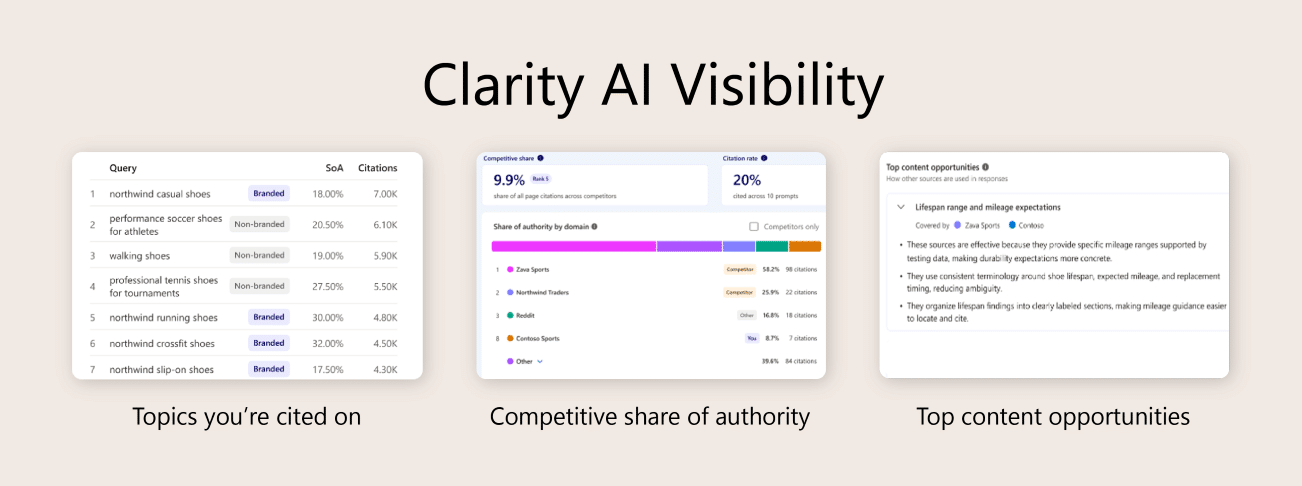
Microsoft’s framing is significant because AI visibility is moving beyond a new ranking report and toward a measurable customer journey connecting recommendation to behavior.
Why Franchise & Multi-Location Brands Should Care: Multi-location organizations should resist creating a separate AI-reporting silo disconnected from business results. A location appearing frequently in AI answers means little if those recommendations produce poor-quality visits, confusing landing experiences or no incremental revenue.
The more valuable question is whether AI referrals behave differently by market, location type, device or customer intent, and whether local landing pages are capable of converting that demand.
8. July Retail Sales Fell 0.6%, Raising the Stakes for Efficient Local Demand Generation
U.S. retail and food-services sales totaled an estimated $763.6 billion in July, falling 0.6% from June while remaining 5.0% higher than July 2025. Sales over the May-through-July period were 6.3% above the same three months a year earlier.
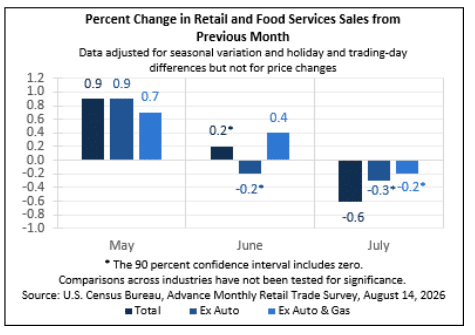
The combination points to a consumer market that has not collapsed but is showing meaningful month-to-month volatility, important context for brands trying to distinguish a local marketing problem from broader demand softness.
Why Brands Should Care: When overall demand slows, franchise systems can easily overreact by increasing discounts or blaming individual operators for traffic declines that are partly macroeconomic. Conversely, systemwide averages can hide markets that are materially outperforming or underperforming local conditions.
Brands with large location networks have an advantage: they can compare store performance against regional and category trends instead of making one national assumption.
9. A Softer Labor Market Is Changing the Staffing Equation for Multi-Location Operators
U.S. nonfarm payroll employment declined by 23,000 jobs in July, while the unemployment rate was 4.1%. BLS specifically reported employment declines in retail trade and local-government education, a notable reversal from the exceptionally tight labor conditions that shaped many location-based businesses earlier in the decade.
The result matters less as a single monthly number than as another signal that labor availability and consumer demand may be entering a different operating environment.
Why Franchise & Multi-Location Brands Should Care: A cooler employment market can reduce hiring pressure and improve applicant availability, but it may simultaneously weaken household spending. That combination means operators should not view easier recruiting as an unqualified positive.
For franchise systems, the opportunity is to recalibrate staffing by local demand rather than maintaining emergency-era labor assumptions across every market.
Takeaway: Revisit labor models market by market. A period of improving applicant supply is an opportunity to raise hiring standards, strengthen retention and improve customer experience, rather than simply cutting hours.
Franchise and Multi-Location Marketing News 7/31/2026
1. The American Franchise Act Moves Closer to Redefining Franchisor–Franchisee Risk
The U.S. House Committee voted 18–15 to report the American Franchise Act, H.R. 5267, as amended. The bill would establish a franchise-specific joint-employer standard centered on whether a franchisor possesses and exercises substantial, direct and immediate control over essential employment conditions; it must still pass Congress and be signed before becoming law.
Why Franchise & Multi-Location Brands Should Care: Joint-employer uncertainty affects how confidently franchisors can provide operating systems, training, technology, customer-experience standards and field support without appearing to control franchisee employment decisions. A more durable standard could encourage investment and consistency, but the committee vote does not reduce current legal exposure.
Action Item: Map every brand requirement touching hiring, wages, scheduling, discipline or supervision, distinguishing employment control from legitimate brand standards. Have counsel review that boundary now rather than waiting for the bill’s outcome.
2. Meta AI’s Leap From Answers to Actions Could Reroute Local Discovery
Powered by Muse Spark 1.1, Meta AI can now plan multi-step activities, connect to calendar and email apps, conduct research and complete recurring tasks. Meta specifically demonstrates it finding restaurants and coordinating a birthday dinner, while also positioning posts, Reels and shared products as inputs to shopping decisions; the features began rolling out in select markets, with WhatsApp expansion planned.
This means that discovery inside Meta is moving from “show me content” to “build my shortlist and plan the occasion.” Restaurant, fitness, retail, entertainment and service brands could be included, or omitted, before a consumer ever visits a store locator, making accurate location information, social proof and bookable inventory more valuable.
Action Item: Test the 20 most common location-level customer requests in Meta AI. Document missing locations, inaccurate details and weak recommendations, then align hours, menus, reservation links and local social content across first-party and Meta properties.
3. New Jersey Draws a Regulatory Line Around AI-Driven Personalized Pricing
New Jersey enacted a law prohibiting retailers from using personal information, including location, purchase history and online activity, to charge different prices for identical groceries and other necessities.
Loyalty programs and broadly available discounts remain permitted, while the state imposed a one-year moratorium on new electronic shelf-label deployments as it studies their effects.
Why Franchise & Multi-Location Brands Should Care: National pricing, loyalty and promotion systems may now require state-specific logic, especially when algorithms combine customer data with individualized offers. The broader signal is important: regulators are beginning to separate acceptable segmentation and loyalty benefits from opaque, person-level price discrimination.
Action Item: Inventory every pricing model, vendor and data input used across stores, apps and delivery channels. Establish clear state-level guardrails, and consumer-facing explanations, before expanding AI pricing or electronic shelf-label programs.
4. ChatGPT Ads Is Becoming a Measurable Customer-Acquisition Channel
OpenAI documented conversion-optimized cost-per-click campaigns that can direct delivery toward purchases, sign-ups, lead submissions or another supported conversion event. Campaigns support location targeting and bid caps but still charge per click; advertisers need conversion tracking and must create new campaigns because existing CPC or CPM campaigns cannot be converted.
Why Franchise & Multi-Location Brands Should Care: ChatGPT Ads is moving beyond experimental reach toward an outcome-oriented channel that can be evaluated against appointments, leads and purchases. The challenge for distributed brands will be generating enough conversion signal while correctly routing customers and attributing results to the appropriate location.
Takeaway: Pilot regionally rather than splitting learning across hundreds of low-volume store campaigns. Feed back qualified-lead or completed-sale data and judge incremental location revenue, not platform conversions alone.
5. AI May Search for the Brands It Already “Remembers”
In an exploratory study spanning nine industries, 66 U.S. buyer questions, nearly 4,000 responses and 13,281 follow-on searches, brands appearing in a model’s top-ten memory were searched 3.2 times as often as brands it did not initially recall, 55.7% versus 17.4%. The researchers explicitly describe this as an association, not proof of causation.
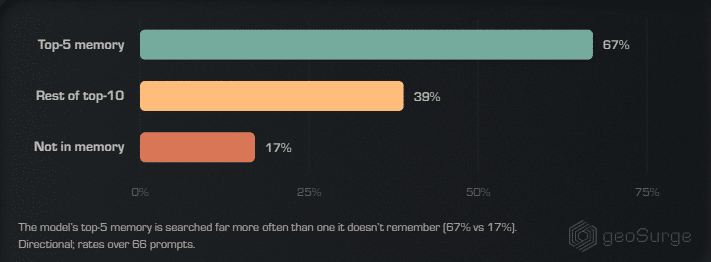
AI discovery may be biased toward brands that have accumulated longstanding category associations before the customer asks a question. That means individual location pages cannot compensate fully for weak national authority, inconsistent brand positioning or limited third-party coverage.
Key Takeaway: Treat AI recall as a brand-health measure. Track whether major assistants spontaneously associate the brand with its category and markets, then reinforce that association through consistent positioning, credible coverage, partnerships and local community prominence.
6. Google AI Mode Is Splitting Search Visibility Into Three Separate Contests
SE Ranking’s snapshot of 50,032 U.S. commercial queries found text ads in 29.45% of Google AI Mode results; 71.1% of those results contained two competing ads. Only 11.53% of advertiser domains were also cited by AI Mode, and roughly 85% did not appear in organic results for the same query.
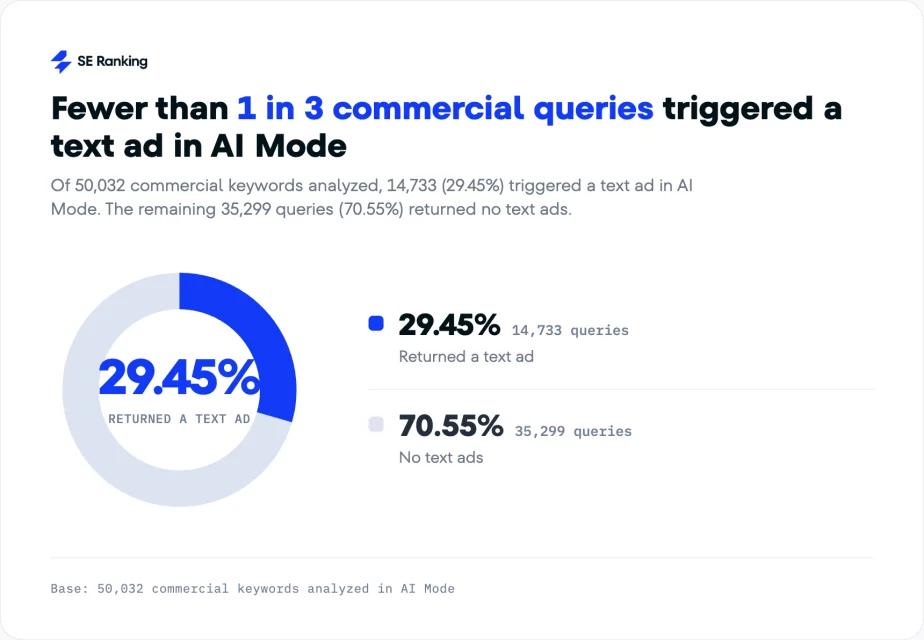
Why Franchise & Multi-Location Brands Should Care: Buying an AI Mode placement does not automatically make a brand a trusted source or improve its unpaid presence. Multi-location organizations now face at least three distinct visibility challenges: winning sponsored exposure, earning AI citations and appearing in organic or local results.
Takeaway: Stop reporting “search visibility” as a single metric. Maintain separate scorecards for sponsored presence, AI recommendation or citation share, and local/organic visibility, then connect each to store-level outcomes.
7. Shoppers Use AI for Research but Still Resist Letting It Buy
Across 15 markets, Ipsos found that 27% of AI-aware consumers already use AI for product research, but only 9% permit autonomous purchases. Seventy-one percent believe AI should be approached cautiously, and adoption varied by as much as 50 percentage points between countries.
AI is gaining influence earlier in the buying journey faster than consumers are surrendering final control. Accurate recommendations must therefore be backed by visible prices, availability, reviews, policies and access to a human, particularly for appointments, services and higher-consideration purchases.
Action Item: Design AI experiences as decision support, with clear confirmation and human-handoff points. Avoid applying one global automation strategy to markets with materially different trust levels.
Franchise and Multi-Location Marketing News 7/1/2026
1. Google Completes June 2026 Spam Update: Stricter Detection and AI Citation Safeguards
Google officially rolled out and completed its June 2026 spam update between June 24 and June 26, 2026. While the search giant characterized the release as a routine global update affecting all languages and regions, SEO monitoring tools and local search professionals reported high levels of ranking volatility. This is the second major spam-focused rollout of the year, following the March 2026 update, and it follows the massive May 2026 broad core update.
Unlike traditional spam rollouts that focus heavily on link-building manipulation, the June 2026 update specifically targets content deception. This includes cloaking, sneaky redirects, scaled content abuse, and keyword stuffing. Crucially, industry analysts note that Google’s automated spam systems have been upgraded to identify and demote content designed specifically to manipulate generative AI search answers, such as Google’s own AI Overviews and competitor chatbots.
For multi-location and franchise brands, this update serves as a warning against using low-cost, template-driven AI generators to churn out local landing pages. Brands that have automated the creation of thousands of low-value, city-specific landing pages without unique local context or genuine customer value are likely to see drops in organic visibility. Instead, the algorithm rewards sites that demonstrate authentic, regional expertise and real-world local signals.
Key Takeaway: AI-driven scale must be matched with human editorial oversight and local authenticity. Programmatic SEO remains a viable strategy, but only when landing pages provide unique, location-specific value that Google’s quality systems do not flag as scaled content abuse.
2. AI Search Results Change Based on User Intent and Search Mode
A new study from Semrush found that only 25.6% of citations remain consistent between ChatGPT’s Instant and Thinking modes.
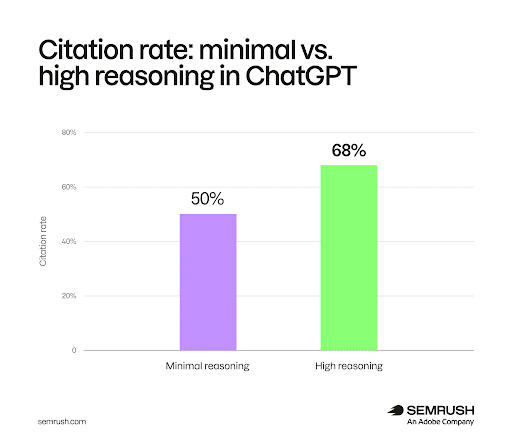
As users move into deeper research journeys, AI platforms cite more official websites, support documentation, academic resources, and authoritative sources while reducing reliance on Reddit and user-generated content.
For franchise brands, this reinforces the importance of maintaining strong, authoritative website content at both the corporate and location levels. Franchise systems that invest in location pages, FAQs, service documentation, and locally relevant content may have a better chance of appearing in AI-generated recommendations as consumer research becomes more sophisticated.
3. Google Renames Local Services Ads Guidelines to “Requirements” to Enforce Quality Standards
Google announced last month that it will update its Local Services Ads (LSA) policies, effective July 6, 2026. A key change is the renaming of existing advertiser guidelines to “requirements.” While this adjustment may seem semantic, search marketing experts warn that it signals a major shift toward stricter platform enforcement. Google is transitioning from a self-regulatory advisory model for local advertisers to a strict compliance model designed to eliminate spam, lead fraud, and coordinate mismatches.
Under the new policy, businesses using LSAs must strictly adhere to licensing, insurance, and physical address verification requirements. Google has historically struggled with lead brokers and fraudulent advertisers creating fake local businesses to capture leads and resell them. By elevating guidelines to requirements, Google is making it easier to instantly suspend advertiser accounts that fail to verify their credentials or provide inconsistent business details across their LSAs and Google Business Profiles.
For multi-location home services, legal, and medical brands, this update requires an immediate audit of all LSA accounts. Any inconsistency in licensing names, corporate registrations, or local address details could trigger automatic ad suspension. Marketing teams must ensure that their local license documents are up to date and that they have completed the required background checks for all active locations to prevent any disruption in ad delivery.
Key Takeaway: Local paid media channels are entering an era of zero-tolerance compliance. Multi-location brands must proactively audit their LSA credentials, ensuring complete alignment between corporate registries, local licenses, and digital ad profiles.
4. Meta Launches Integrated Appointment Booking for Lead Ads
Meta now allows users to schedule appointments directly inside Lead Ads through integrations with Calendly and HighLevel, with HubSpot support arriving soon.
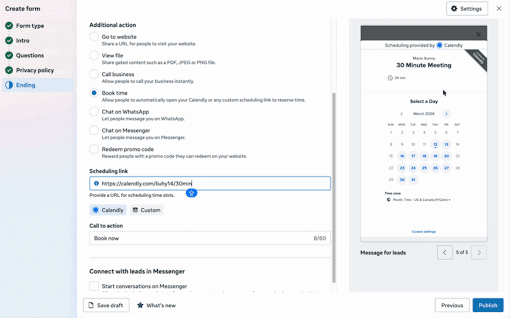
This is a significant development for service-based franchise brands such as:
- Healthcare clinics
- Dental practices
- Fitness centers
- Home services
- Beauty and wellness franchises
- Automotive service centers
Key Takeaway: Reducing friction between ad engagement and booking could improve lead conversion rates across multiple locations. Franchise marketers should evaluate how appointment scheduling can be integrated into local lead generation campaigns.
5. Yelp’s 2026 Fastest-Growing Brands Report: Hyper-Customization and Drive-Thru Convenience Dominate Scale
Yelp released its third annual Fastest-Growing Brands report on June 9, 2026, identifying the 50 consumer-facing brands in the United States that experienced the most significant growth in new locations, search volume, and consumer engagement. The report highlights a major consumer shift toward hyper-customization and “affordable indulgences.” Brands that allow customers to tailor their experiences, such as mixing custom beverages or adjusting food spice levels, dominated the rankings.
Drive-thru beverage chains and fast-casual concepts claimed a significant share of the list, holding 31 of the 50 spots. The drive-thru coffee and beverage chain 7 Brew secured the number one position, experiencing a 244% growth in consumer interest. Other top-performing brands include Smoothie King, Bojangles, Paris Baguette, Sprouts Farmers Market, and Wingstop. The rise of these brands demonstrates that modern consumers value a combination of high-speed convenience, personalized options, and experiential retail.
For franchise and multi-location marketers, the Yelp data provides clear guidance on consumer expectations. To drive local engagement, brands must highlight customization features in their local marketing campaigns. Additionally, the success of drive-thru and small-footprint concepts underscores the importance of optimizing digital ordering channels, local search presence, and click-and-collect capabilities to support high-convenience consumer journeys.
Key Takeaway: Personalization and convenience are the primary drivers of modern brand expansion. Franchise systems must design their local marketing and digital ordering infrastructure to support highly customized customer experiences.
6. Pinterest Expands International Advertising Insights
Pinterest introduced AI-powered multi-country campaign management, allowing advertisers to run campaigns across multiple markets from a single dashboard.
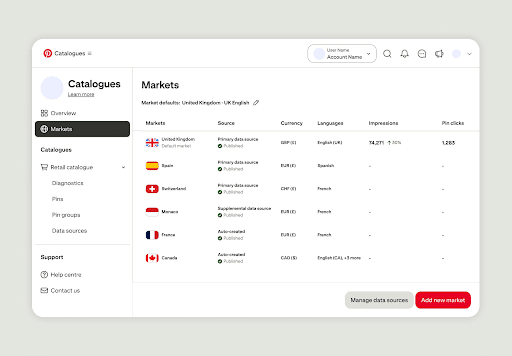
Key Takeaway: For franchise systems with international footprints or expansion plans, centralized campaign management can simplify operations while maintaining visibility into regional performance. Multi-market insights may help franchise development teams identify emerging demand trends and optimize regional advertising investments.
Franchise and Multi-Location Marketing News 6/18/2026
1. GarageExperts Expands Franchise Model With First Corporate-Owned Territories in Dallas-Fort Worth
GarageExperts has launched its first corporate-owned territories in Dallas-Fort Worth while simultaneously expanding franchise ownership across key submarkets, creating a dual-model strategy for testing, training, and system optimization.
The corporate-operated locations will serve as real-world testing environments for marketing, operations, and installation processes, allowing the brand to refine best practices before rolling them out to franchise owners. At the same time, new franchise agreements in North Dallas, Plano, and Frisco support continued market expansion.
This hybrid structure reflects a growing trend in franchising where brands maintain corporate-owned units to validate systems and improve operational standards across the network.
Franchise systems are increasingly using corporate-owned territories as live laboratories for system-wide optimization.
Key Takeaway: Franchise brands that integrate corporate-owned test markets into their expansion strategy can improve operational consistency, refine systems faster, and reduce risk when scaling into new territories.
2. Fresha Becomes Core Infrastructure for Multi-Location Beauty and Wellness Businesses
Fresha is seeing accelerated adoption among multi-location beauty and wellness brands as businesses increasingly shift toward unified platforms that combine scheduling, payments, marketing, and operational management into a single system.
The platform reports strong growth across enterprise operators, with multi-location businesses driving billions in gross merchandise value and showing faster growth rates than single-location users. This reflects a broader industry shift away from fragmented software stacks toward integrated, AI-enabled business infrastructure.
For multi-location operators, the appeal lies in centralizing operations while maintaining visibility and control across all locations, particularly in scheduling efficiency, customer management, and revenue tracking.
Multi-location service brands are consolidating operations into unified systems that function as the operational backbone of their business.
Key Takeaway: Brands that move away from fragmented tools toward unified operational platforms will gain better visibility, improved efficiency, and stronger scalability across multi-location networks.
3. Meta Advertising Case Study Shows Strong Lead Generation Performance for Home Services Campaigns

A recent marketing study from Infinite Media Resources highlights the continued effectiveness of Meta advertising for home services lead generation, with a campaign generating 184 qualified leads in 30 days at an average cost per lead of approximately $94.
The campaign demonstrated consistent lead flow across multiple service categories and showed strong performance when paired with financing-focused messaging and targeted audience segmentation. The findings also reinforce the growing industry shift toward owned lead generation systems rather than reliance on third-party lead providers.
While the results are specific to a home exterior services campaign, they reflect broader trends in how service-based businesses are approaching digital acquisition strategies and lead quality control.
Performance advertising continues to play a key role in building owned customer acquisition systems for service-based businesses.
Key Takeaway: Businesses that invest in structured, owned advertising systems rather than third-party lead marketplaces can gain greater control over lead quality, cost efficiency, and long-term customer acquisition performance.
Franchise and Multi-Location Marketing News 5/28/2026
1. TikTok’s New Local Feed Is Changing How Franchise Brands Get Discovered
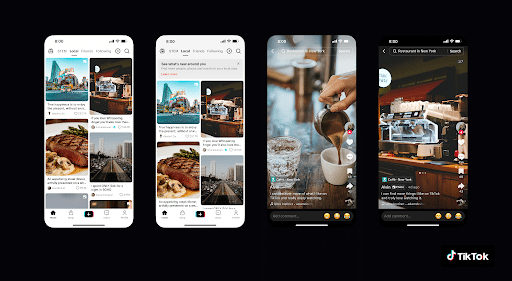
TikTok is rolling out a new Local Feed that surfaces nearby businesses, events, and geographically relevant content based on a user’s location.
For franchise and multi-location brands, this signals a major shift toward hyper-local discovery. Instead of prioritizing polished national campaigns, TikTok’s algorithm is expected to favor authentic local content tied to neighborhoods, community events, staff, and real-time activity.
The update also increases the importance of decentralized content strategies. Brands that empower individual locations to create local content may see stronger visibility than businesses relying solely on corporate-produced creative.
TikTok is becoming a local discovery platform, not just a viral content platform.
Key Takeaway: Multi-location brands should start investing in scalable local content strategies by giving individual locations the tools, guidelines, and flexibility to create authentic, community-driven content that feels native to their market.
2. AI-Powered Direct Mail Is Bringing Performance Marketing to Home Services Franchises
Imaginuity has launched AI Mail, a new direct mail platform designed for home services franchise and multi-location brands.
Powered by machine learning, the system analyzes more than 350 property- and household-level signals to identify homes most likely to convert. According to the company, early campaigns produced double-digit improvements in response and conversion efficiency compared to traditional broad-targeted mail campaigns.
The platform also focuses heavily on attribution, helping brands connect direct mail performance to online searches, calls, form fills, and closed deals across channels.
Direct mail is becoming more data-driven, measurable, and performance-focused.
Key Takeaway: For home services brands, AI-powered targeting is helping turn traditional mail into a modern acquisition channel that supports localized marketing while maintaining national-level consistency and attribution.
3. AdMax Local Adds AI Campaign Auditing to Its Franchise Management Platform
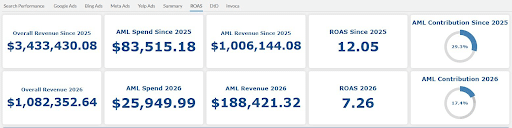
AdMax Local has introduced AI Insights, a new capability within its Franchise Management Portal that delivers real-time campaign auditing and performance diagnostics for multi-location brands.
The system automatically analyzes campaigns to identify inefficiencies, flag risks such as keyword or campaign overlap, and recommend optimizations across locations. It also provides ongoing visibility into key performance metrics like lead generation and ROAS across all franchise locations in one centralized dashboard.
The goal is to reduce wasted spend and improve consistency across multi-location marketing programs by surfacing issues faster than manual reviews typically allow.
AI is shifting franchise marketing from reactive reporting to continuous optimization.
Key Takeaway: Brands that adopt automated auditing and real-time diagnostics will be able to identify performance issues faster, reduce inefficiencies across locations, and maintain more consistent campaign performance at scale.
4. Square and Homegrown Launch $24M Expansion Capital Program for Multi-Location Brands
Homegrown has partnered with Square to launch a $24 million expansion financing program designed specifically for multi-location operators ready to scale.
The program offers eligible Square sellers access to expansion capital of up to $1 million with terms of up to four years. It is built for proven multi-location businesses such as restaurants, fitness studios, coffee shops, and retail brands looking to open new locations, fund acquisitions, or complete remodels.
Unlike traditional financing, the program uses revenue-based repayment structures and does not require personal guarantees or equity dilution, making it more flexible for operators managing multiple locations.
Access to growth capital is becoming more embedded within commerce and payment ecosystems.
Key Takeaway: For multi-location brands, this reflects a broader trend: operational platforms like Square are evolving into end-to-end growth partners, combining payments, financing, and expansion support in one ecosystem.
Franchise and Multi-Location Marketing News 5/7/2026
1. QSR Growth Slows as Brands Shift Into Efficiency Mode
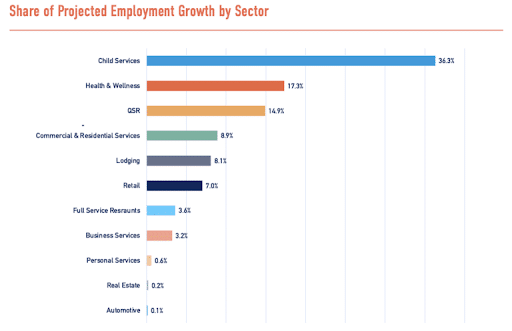
Quick-service restaurants are still one of the largest forces in franchising, but growth is becoming far more measured.
According to the IFA outlook cited by QSR Magazine, QSR franchise establishments are projected to grow just 0.5% in 2026, reaching approximately 281,000 units and employing 5.2 million people.
That signals an important shift: QSR is no longer growing on momentum alone. Brands are being forced to compete harder for traffic, profitability, and loyalty.
McDonald’s illustrates the pressure well. The company reported 3.8% global same-store sales growth and $6.52 billion in Q1 revenue, driven largely by value offers and limited-time menu items. At the same time, leadership acknowledged softer demand from lower-income consumers and ongoing pressure tied to fuel prices and economic uncertainty.
Meanwhile, Yum! Brands showed what stronger execution can look like at scale. The company reported 6% worldwide system sales growth, opened more than 1,000 new units, and reached a record 63% digital sales mix. Taco Bell posted 8% same-store sales growth, while KFC expanded global unit count by 7%.
The brands outperforming right now are improving speed of service, optimizing digital ordering, strengthening loyalty ecosystems, and creating value-focused offers without sacrificing margins or operational flow.
Key Takeaway: QSR brands need to balance affordability with efficiency. Review your offers, ordering experience, and local marketing strategy to ensure every location communicates value while maintaining strong operational performance.
2. Restaurant “Value Wars” Are Putting Franchise Margins Under Pressure
Consumers are still spending, but they are becoming much more intentional about where and how they spend.
Across recent restaurant earnings reports, the dominant themes have been value bundles, loyalty incentives, entry-level pricing, and customer trade-down behavior.
Papa John’s reported North American comparable sales down 6.4% and revenue down 7.7%, highlighting how inflation-sensitive consumers are becoming more selective.
At the same time, franchise-heavy systems are facing growing pressure around store-level economics.
Domino’s Pizza offers a strong example. With independent franchisees operating 99% of stores, the company’s performance depends heavily on unit-level profitability. Food costs, same-store sales, advertising contributions, and labor efficiency are becoming increasingly critical metrics across franchise systems.
For franchise marketers, this changes the strategy conversation entirely.
Competing purely on price is becoming riskier. Constant discounting may increase short-term traffic, but it can also reduce margins, weaken franchisee profitability, and condition customers to wait for deals.
The stronger approach is building a smarter value architecture:
- Entry-level offers
- Bundled promotions
- Loyalty incentives
- Premium upgrades
- High-margin add-ons
This applies far beyond restaurants. Whether the category is fitness, home services, wellness, childcare, or retail, consumers want to clearly understand the value they are receiving and why it justifies the price.
Action Item: Audit your local offers and promotions. Are they driving profitable customer behavior or simply attracting discount-driven traffic? Focus on offers that support both conversion and long-term margin health.
3. Fitness Franchises Continue Expanding Despite Rising Scrutiny
The fitness franchise sector is sending two messages at once: oversight is increasing, but expansion is still accelerating for strong operators.
Xponential Fitness recently reached an FTC settlement tied to franchise disclosure concerns. At the same time, the company announced its largest development agreement ever, with Riser Fitness planning to open 127 Club Pilates locations across six states over the next five years.
That contrast says a lot about the current state of boutique fitness franchising.
Demand remains strong. Expansion capital is still flowing into the category. But expectations around transparency, support systems, and operational performance are getting much higher.
For fitness, wellness, beauty, and preventive-care brands, growth narratives now need to be backed by measurable operational proof.
Prospective franchisees are looking deeper into:
- Ramp timelines
- Retention metrics
- Membership performance
- Staffing models
- Cost structure
- Local support systems
Consumers are also demanding greater consistency across locations, especially in service-driven categories where trust and customer experience heavily influence retention.
Key Takeaway: Fitness and wellness remain strong growth categories, but credibility matters more than ever. Franchise development messaging should prioritize transparent economics, operational support, and local retention strategies.
4. Franchise Closures Reveal Where Business Models Are Under Pressure
Recent reports show LEON closing 23 UK locations following restructuring efforts, while multiple A&W Restaurants closures across California, Idaho, and Minnesota highlight ongoing pressure around staffing, profitability, traffic patterns, and aging operating models.
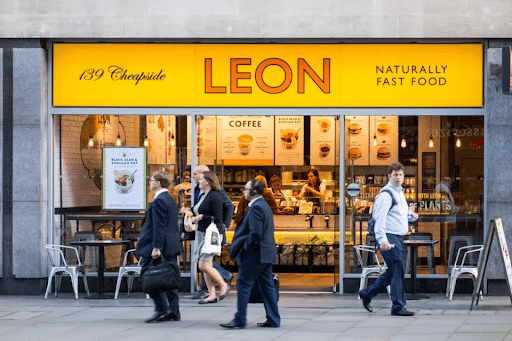
That does not necessarily indicate a shrinking franchise industry.
Instead, it points to a more selective operating environment.
Investment is increasingly shifting toward:
- Smaller and more efficient footprints
- Drive-thru and carryout formats
- Lower labor complexity
- Co-branded concepts
- Businesses with stronger recurring demand
For multi-location marketers, closures should also be treated as strategic market signals.
When locations underperform or close, they often expose deeper issues tied to:
- Real estate costs
- Labor availability
- Competitive saturation
- Weak local marketing
- Declining brand relevance
- Insufficient local demand
Strong franchise systems use those insights to improve site selection, optimize local launch strategies, strengthen franchisee support, and redirect investment toward higher-potential markets.
Action Item: Treat underperforming locations as diagnostic opportunities. Review local search visibility, customer reviews, paid media efficiency, staffing realities, and competitor density before expanding into similar trade areas.
Franchise and Multi-Location Marketing News 4/24/2026
1. Local Search Evolution: Yelp Becomes an “Action Engine” for Franchises
Yelp is officially pivoting from a passive review site to an “Answers and Action” platform. By integrating a new AI assistant, Yelp now allows consumers to ask complex questions, book service professionals, and place food orders directly within the chat interface.
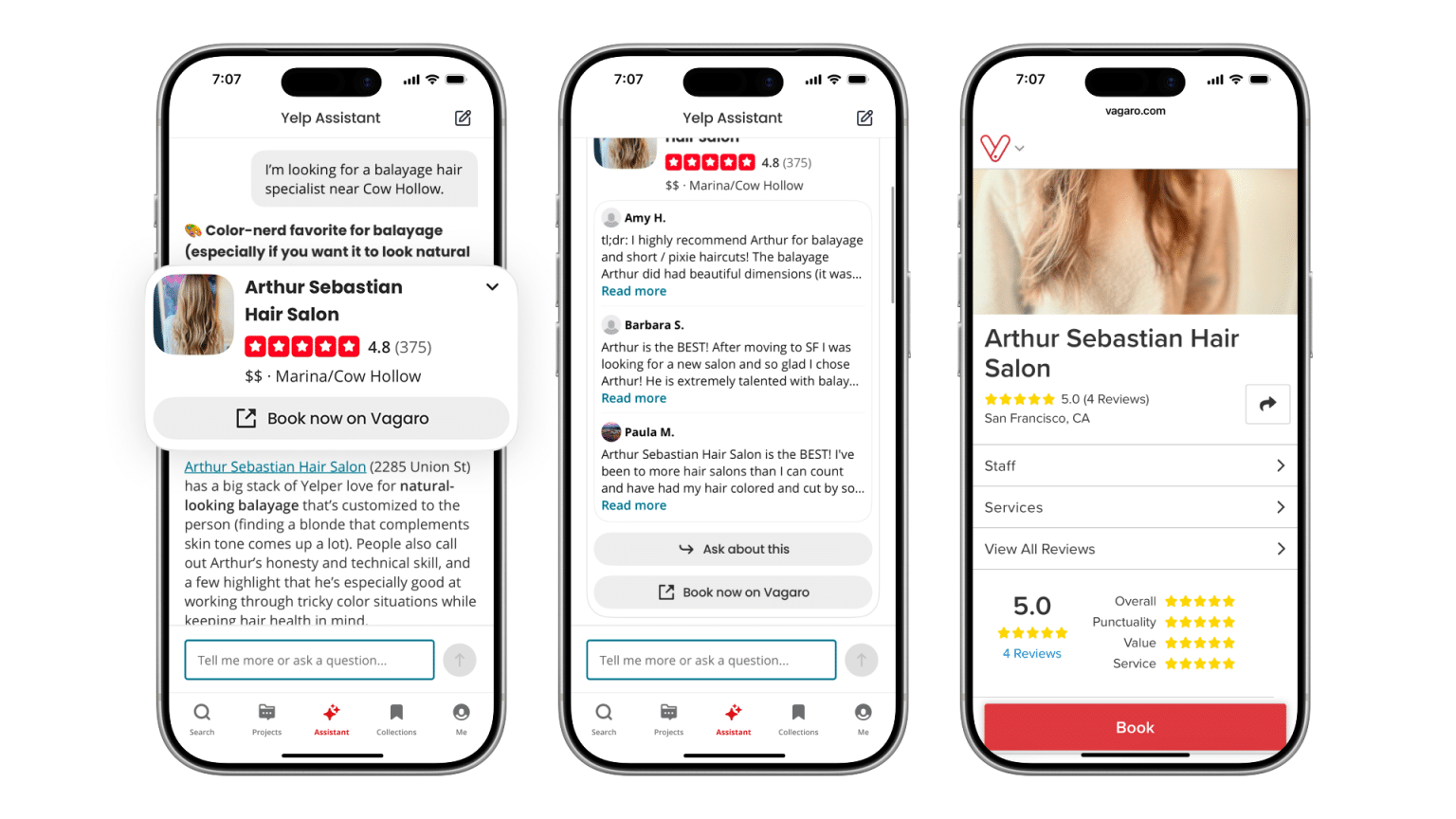
For multi-location businesses, this means Yelp is moving further down the sales funnel, transforming from a place where people read about your locations to a place where they transact with them.
In the past, franchise marketers viewed Yelp primarily as reputation management. Now, it is a lead-generation and point-of-sale tool. This shift requires corporate teams to ensure that every single location’s menu, service list, and booking integration is flawlessly synced. If your franchise units haven’t updated their Yelp “Action” buttons, you aren’t just losing visibility, you’re losing direct revenue to competitors who are “bookable” via AI.
Key Takeaway: Your Yelp profile is no longer a static billboard; it is a digital storefront. Multi-location brands must audit their local profiles to ensure AI-driven “Actions” (ordering, booking, and quoting) are enabled across all territories.
2. The “User Fetch” Surge: AI Crawlers Drive 320% Increase in Human Traffic
A massive study of 858,000 sites reveals that AI crawlers aren’t just “bots”, they are acting as high-intent proxies for human users. Specifically, “User Fetch” activity (real-time AI answers) now accounts for 56.9% of all crawler activity.
When a ChatGPT user asks, “Where is the best place to get a transmission flush in Chicago?”, the AI is “fetching” your franchise data in real-time to provide the answer. Sites optimized for these fetches are seeing over 3x the referral traffic from humans following those AI links.
For multi-location marketers, this changes the priority of local landing pages. You are no longer just “indexing” for Google; you are “feeding” AI agents. If your franchise location pages are buried behind heavy JavaScript or complex menus, the AI won’t “fetch” them during a real-time query, effectively erasing your brand from the AI-powered local search results.
Key Takeaway: Real-time data accessibility is the new SEO. Ensure your local franchise pages use clean, “crawl-friendly” schemas so that when an AI agent looks for a local solution, your brand is the one it presents to the user.
3. High-Intent Precision: ChatGPT Launches CPC Bidding for Local Dominance
OpenAI has moved away from flat-rate impressions and introduced Cost-Per-Click (CPC) bidding, with prices currently ranging from $3 to $5. Simultaneously, they are testing a scalable “Ads Manager” dashboard. This marks the transition of ChatGPT from an experimental brand-awareness play to a performance-marketing channel where advertisers only pay for actual engagement.
This is a game-changer for multi-location brands with high-ticket services (e.g., restoration, senior care, or home remodeling). A $5 click in a highly conversational, high-intent AI environment is often more valuable than a $10 click on a distracted social media feed. With a centralized Ads Manager, franchise systems can now begin to scale local “conversational ads” across different regions, targeting users exactly when they are asking for local recommendations.
Key Takeaway: Start carving out a “conversational search” budget. As ChatGPT moves toward a self-serve model like Google Ads, early-moving franchises will be able to capture “intent-rich” local leads at a lower cost before the platform becomes saturated.
4. Map Pack Disruption: Video Content Hits Google Local Ads
Google is currently beta-testing Video Content within Local Map Pack ads. Instead of the traditional “Name, Address, Phone Number” (NAP) listing, select advertisers can now display engaging video clips directly in the map results. This allows a local unit to show off its interior, highlight a specific promotion, or showcase “human” staff members before a user even clicks on the website.
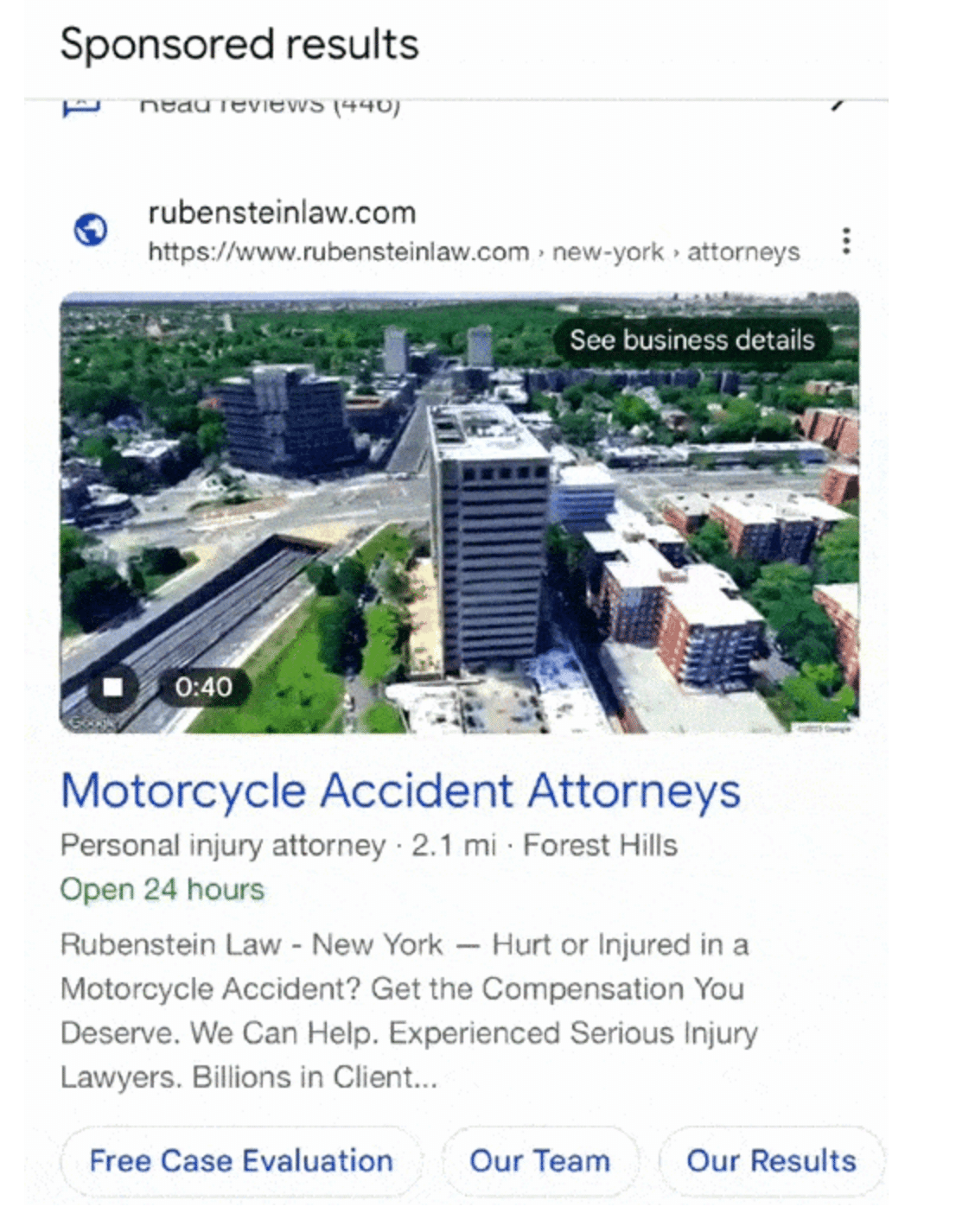
This bridges the gap between the growth of video (which is currently growing at 25-32%, outpacing search) and the necessity of local maps. For a franchise, this means “local store marketing” just got more visual. A franchisee can now stand out in a crowded map pack of 20 similar businesses by having a 15-second video showing the “vibe” of their specific location.
Key Takeaway: Multi-location brands should begin producing “Micro-Local” video assets. You don’t need a national commercial; you need short, authentic clips of individual storefronts that can be deployed to capture attention in the high-stakes “Local Map Pack” battleground.
5. The “Read More” Guardrail: Google Sets Rules for Content Visibility
Google has issued strict guidance on how to handle “Read More” links in search snippets. Specifically, content must be immediately visible and not hidden behind “expandable” sections or triggered by complex JavaScript. This is part of Google’s effort to ensure that when a user clicks a “Read More” link from a search result, they are taken directly to the relevant information without friction.
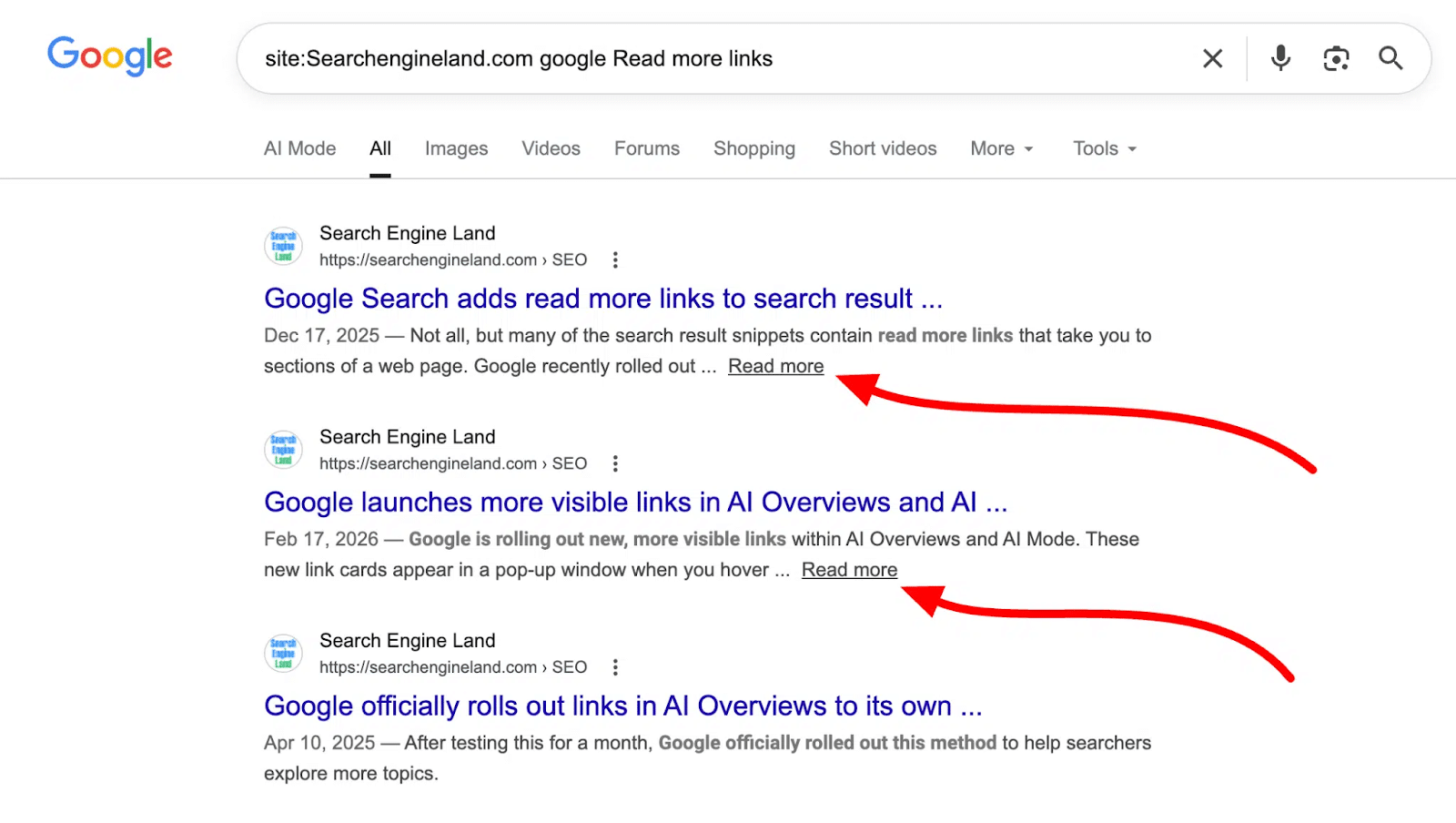
According to these new rules, if your local store hours, address, or service descriptions are “hidden” until a user clicks, you are likely hurting your search visibility. Google wants that content “surface-level” so it can be accurately snippeted.
Key Takeaway: Audit your local landing page templates. Ensure all “critical local data” (services, FAQs, and store details) is rendered plainly on the page. If it’s hidden behind a “plus” sign or a “read more” toggle, you’re likely being penalized in the new search hierarchy.
Franchise and Multi-Location Marketing News 4/17/2026
1. Franchise Legislation Gains Momentum Across Multiple States
Franchise-related legislation is advancing across several U.S. states, signaling a shift toward increased regulation and protection within the industry.
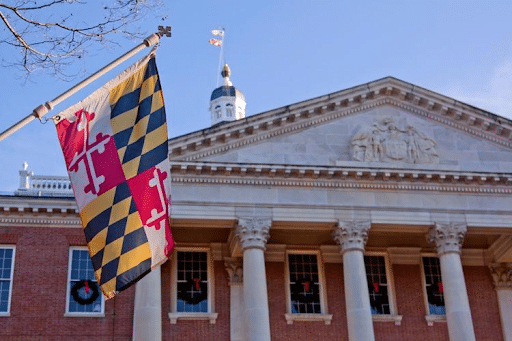
Maryland is moving forward with reforms aimed at improving franchise processes and expanding franchisee rights, while Virginia has passed legislation banning non-compete clauses in franchise agreements. Other states, including Arizona and Vermont, are exploring additional regulatory changes.
The growing wave of legislation highlights ongoing debates around franchisee protections, operational control, and long-term industry stability.
Key Takeaway: As state-level regulation evolves, franchise brands must stay proactive, monitoring policy changes and adapting strategies to maintain compliance and protect system-wide growth.
2. IFA Launches New Resource Hub and AI Tool to Support Franchise Growth
The International Franchise Association is enhancing its digital ecosystem with the launch of a new Member Resource Hub and an AI-powered assistant designed to improve how members access insights and tools.
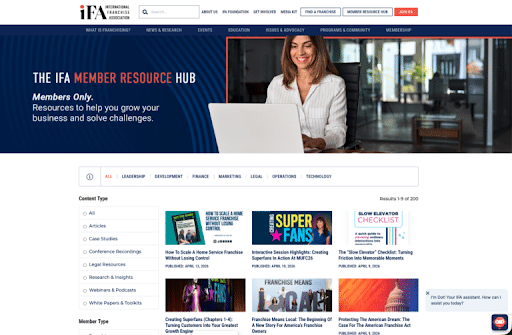
The centralized hub brings together research, best practices, and educational content into a more streamlined experience, while the AI assistant helps users quickly find relevant information. Together, these updates aim to reduce friction and make it easier for franchisors, franchisees, and suppliers to take action.
The move reflects a broader trend toward smarter, more accessible knowledge-sharing platforms within the franchise space.
Key Takeaway: As the franchise industry evolves, access to centralized insights and AI-powered tools will play a bigger role in helping brands make faster, more informed decisions.
3. Google Ads Glitch Highlights Risks of Platform-Driven Disruptions
A recent wave of unexpected Google Ads disapprovals is raising concerns about platform reliability after campaigns were flagged for technical issues that didn’t appear to exist.
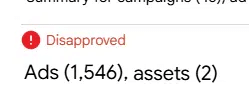
Advertisers reported DNS and server errors leading to mass disapprovals, causing sudden drops in traffic and revenue. The issue likely stems from automated review systems misinterpreting temporary or crawler-specific errors.
The situation underscores a growing reality: even well-optimized campaigns can be impacted by platform-level glitches.
Action Item: Strengthen monitoring processes and be ready to quickly troubleshoot, appeal, and escalate issues when platform errors threaten campaign performance.
4. Google Retires Dynamic Search Ads in Shift Toward AI-Driven Campaigns
Google is phasing out Dynamic Search Ads (DSA) in favor of its AI-powered campaign solution, AI Max, marking a major shift in how search advertising is managed.
Beginning in September, existing DSA campaigns will be automatically migrated, with new campaign creation already being phased out. The move reflects Google’s broader push toward automation, with AI handling targeting, matching, and creative adjustments.
For advertisers, the transition offers new capabilities, but also less manual control if not proactively managed.
Action Item: Start preparing for the shift now by testing AI Max and migrating campaigns early to maintain control over performance, data, and optimization strategies.
5. Allegra Expands Local Footprint with Strategic Acquisition
Allegra Marketing Print Mail is expanding its presence in Michigan through the acquisition of a long-standing local print provider, consolidating operations to better serve regional businesses.
The move allows Allegra to broaden its service offerings, from traditional print to full-scale marketing support, while maintaining continuity for existing customers. It also highlights how franchise brands can grow by integrating trusted local businesses into a larger, more scalable platform.
Key Takeaway: Strategic acquisitions can strengthen local market presence while expanding service capabilities, helping franchise brands deliver more value to small business clients.
6. Batteries Plus Builds Momentum with Strong Franchise Growth and Recognition
Batteries Plus is kicking off 2026 with steady franchise expansion and increased brand visibility, signaling continued momentum across its network.
In the first quarter alone, the brand added new units and attracted new franchise owners, while also earning multiple industry recognitions. These milestones reflect both operational strength and growing credibility in the market, two factors that continue to attract prospective operators.
Alongside development, the company is investing in leadership and brand initiatives to support long-term growth.
Key Takeaway: Consistent development paired with strong brand recognition can accelerate franchise growth by attracting new operators and reinforcing market credibility.
Franchise and Multi-Location Marketing News 4/10/2026
1. 1 in 5 ChatGPT Clicks Go to Google
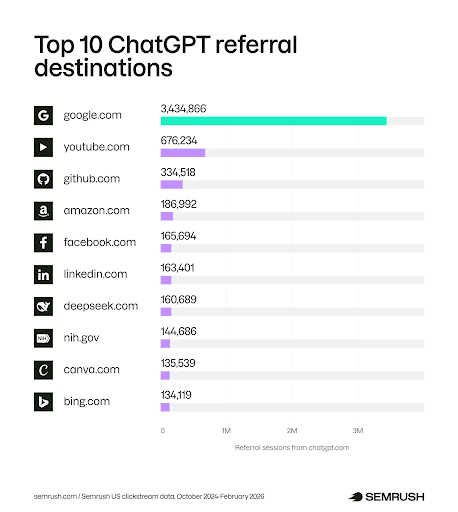
The “AI vs. Search” war is starting to look more like a partnership. A new study from SEMRush reveals that 20% of ChatGPT’s referral traffic flows directly back to Google.
The Breakdown:
- Changing Habits: In 2024, only 14% of ChatGPT clicks went to Google; by January 2026, that jumped to over 21%.
- Intent Shift: The study found that 65-85% of ChatGPT prompts are conversational, moving from “Navigational” (finding a site) to “Transactional” (buying a service).
- The “Top 10” Rule: 30% of all outgoing ChatGPT traffic goes to just 10 domains.
Why We Care: For franchises, this proves that being “found” by AI is a secondary way to win on Google. If ChatGPT recommends your franchise and the user clicks a source link to “verify,” they are often landing back on a Google search or a Google-indexed review. To win here, your content needs to be structured conversationally. Think “FAQ” styles that answer specific local questions.
2. Google March 2026 Core Update is Complete
The dust has settled. Google confirmed that the March 2026 Core Update finished its rollout in exactly 12 days and 4 hours.
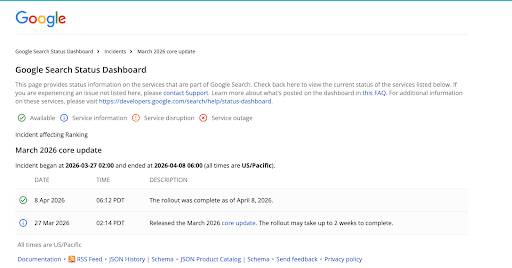
Pro Tip for Franchises: Now is the time to audit your local landing pages. Check your analytics to see which locations gained or lost ground. Since Google didn’t release “recovery” guidance, focus on E-E-A-T (Experience, Expertise, Authoritativeness, and Trustworthiness). Ensure your local pages have unique, location-specific content rather than “cookie-cutter” text used across every territory.
3. YouTube Testing 90-Second Unskippable Ads on TVs
YouTube is coming for the “Big Screen” experience. Some viewers are now seeing 90-second unskippable ad blocks on connected TVs.
Why We Care: For franchise brand awareness, this creates a “premium” TV-like environment without the massive price tag of traditional cable. You can now run longer, more emotional brand stories with the precision of digital local targeting. It’s the perfect format for “Grand Opening” or “Local Hero” campaigns.
4. 58% of Users Turn to Snapchat for Health & Wellness
If you run a fitness, spa, or health-related franchise, you might be missing a massive audience on Snapchat . According to a new study:
- 58% of daily users use the app for health research.
- Snapchatters are 1.6x more likely to spend more on high-quality wellness services.
- 59% have changed real-world behaviors based on what they saw on the app.
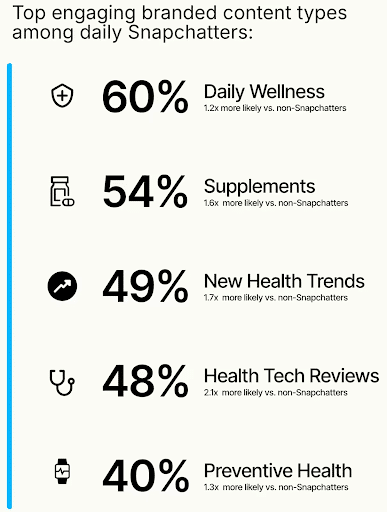
5. Google Maps Taps Gemini for Easier Local Reviews
Google is making it easier your customers to leave high-quality reviews by using AI to help them write captions for their photos and videos.
Users can now ask Gemini to create captions for the photos they upload to your Google Maps listing.
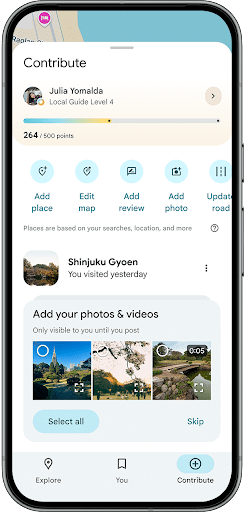
Why it Matters: High-quality, keyword-rich reviews are the lifeblood of Local SEO. If Google makes it easier for a customer to describe their “great experience at [Franchise Location],” your local ranking in the “Map Pack” will naturally rise.
Franchise and Multi-Location Marketing News 4/3/2026
1. Reddit, YouTube, and LinkedIn Dominate AI Search Citations
If you want your franchise locations to appear in AI-generated answers, you need to look beyond your own website.
A new study of 30 million sources shows that AI tools (ChatGPT, Perplexity, etc.) are heavily prioritizing “human” platforms.
The Breakdown:
- Reddit is King: It is the most-cited source across all major AI tools due to its depth of real-world user discussions.
- Review Sites: For “near me” or recommendation queries, Yelp and G2 are surfacing frequently in the citations.
- The “Authority” Mix: While Wikipedia provides the facts, platforms like LinkedIn and YouTube provide the “social proof” AI models crave.
Why We Care: For franchises, this means your “owned” content (your website) is only half the battle. To win the AI search game, you need local “brand mentions” on Reddit and video tours of your locations on YouTube. AI wants to see what people say about your franchise, not just what your corporate marketing says.
2. ChatGPT Introduces Location Sharing for More Personalized Local Results
This is a massive development for brick-and-mortar franchises: ChatGPT is officially getting “proximity aware.”
With new user-permissioned location sharing, ChatGPT can now access precise device data to recommend nearby services and stores.
Why We Care: Previously, ChatGPT gave “general” recommendations based on its training data. Now, it can act as a direct competitor to Google Maps.
Action Item: Ensure your franchise location data (Address, Phone, Hours) is consistent across the web. ChatGPT uses this “NAP” (Name, Address, Phone) data to confirm you are actually “nearby.”
3. ChatGPT Hits $100 Million in Ad Revenue, Opening Self-Serve Ad Access in April
OpenAI’s ad business is no longer a small-scale test, it’s a $100 million powerhouse, and you can soon access it directly.
OpenAI confirmed that its self-serve ad dashboard will launch this month. This will allow brands to bid on “Discovery” queries within the ChatGPT interface.
Why This Matters: For franchises, this is a chance to capture “high-intent” leads. If someone asks, “What’s the best way to clean my gutters?” and your franchise appears as a suggested solution, that is an incredibly qualified lead.
Franchise and Multi-Location Marketing News 3/27/2026
1. Steak Escape Invests in Unified Tech to Power Franchise Growth
Steak Escape is upgrading its operations by adopting Square’s unified commerce platform across its 23 locations, signaling a broader push toward modernization and scalability.
The move replaces a previously fragmented tech stack with a fully integrated system designed to streamline everything from in-store ordering to drive-thru, kiosks, and backend reporting. For franchise operators, this means improved visibility, faster execution, and more consistent performance across locations.
As franchise systems grow more complex, having real-time data and centralized tools is becoming essential. Steak Escape’s shift reflects a larger trend: brands are prioritizing technology that not only improves the customer experience but also empowers operators with better insights and efficiency.
Action Item: Audit your current tech stack. If systems aren’t fully integrated, you may be limiting visibility, slowing operations, and missing opportunities to scale effectively.
2. Franchise Groups Push Back on Joint Employer Challenge
A coalition led by the International Franchise Association is urging the D.C. Circuit Court to dismiss a legal challenge targeting the 2020 joint employer standard, arguing the case lacks both jurisdiction and merit.
At the center of the debate is how “joint employer” relationships are defined. The current rule requires direct and immediate control over working conditions, while the opposing proposal would expand that definition to include indirect or even unexercised control. According to industry advocates, that shift could create significant uncertainty for franchise businesses.
With joint employer standards already changing multiple times over the past decade, franchise leaders warn that continued instability could disrupt operations, increase legal risk, and complicate growth strategies. The push for clarity is also fueling support for broader legislative solutions like the American Franchise Act.
Why We Care: Ongoing legal battles over joint employer definitions highlight the need for clear, consistent standards, giving franchise brands the stability required to scale and operate confidently.
3. New Labor Rule Update Reinforces Franchisee Independence
The International Franchise Association is backing a proposed update to the independent contractor rule, calling it a critical step in protecting the franchise business model.
The revised framework would replace the 2024 rule with guidance more aligned to earlier standards, reinforcing the idea that franchisees operate as independent business owners, not employees of the brand. This distinction is especially important as franchise operators navigate ongoing labor shortages and rely more heavily on flexible workforce models.
For franchise systems, the clarity could help reduce legal ambiguity while preserving the entrepreneurial structure that fuels growth across locations. It also supports franchisees’ ability to make independent hiring decisions and adapt to local labor market conditions.
Key Takeaway: Clearer independent contractor guidelines help protect franchisee autonomy, giving operators more flexibility to manage labor while maintaining the integrity of the franchise model.
4. Franchising Set for Steady Growth in 2026 Despite Economic Headwinds
Franchise businesses are entering 2026 on solid footing, with new data pointing to continued expansion across the industry.
According to the latest economic outlook, franchising is expected to add more than 12,000 new units this year, alongside steady increases in employment, output, and overall GDP contribution. The sector’s resilience is being driven by a combination of improving economic conditions, operational efficiencies, and increased investment in areas like AI.
Growth is expected to be especially strong in regions like the Southeast and Southwest, while industries such as child services and home services are leading the way. Interestingly, consumer behavior is also shifting, full-service restaurants are projected to outpace quick-service growth as demand for more experiential dining increases.
Key Takeaway: Franchising remains a resilient growth engine, but success in 2026 will depend on adapting to shifting consumer preferences, regional opportunities, and scalable operational strategies.
5. Slim Chickens Expands to California with Multi-Unit Growth Deal
Slim Chickens is continuing its rapid expansion with a new six-unit development agreement that will bring the brand to California for the first time.
Partnering with experienced operator Roper Foods, the move builds on existing success in Nevada and reflects strong confidence in the brand’s growth trajectory. The expansion targets high-density markets, signaling increasing demand for premium, chicken-focused fast-casual concepts.
Beyond just adding locations, the deal highlights a broader strategy: scaling with proven operators who can execute consistently across multiple markets. With flexible development formats and a growing pipeline of over 1,000 units, Slim Chickens is positioning itself for both domestic and international growth.
Key Takeaway: Strategic partnerships with experienced multi-unit operators remain a key driver of franchise expansion, especially in competitive, high-growth markets like California.
6. New Playbook Positions Local Advertising as a Franchise Growth Engine
Tiger Pistol has released a new Franchise Marketing Enablement Playbook, offering a fresh perspective on how brands can turn local advertising into a scalable, system-wide growth driver.
The core idea: local marketing shouldn’t be treated as a series of disconnected tactics, but rather as a structured operating model. The playbook outlines how franchise systems can evolve from simply supporting franchisees to fully enabling them, through a combination of automation, training, standardized tools, and shared performance insights.
With rising media costs and increasing pressure to prove ROI, the shift toward localized execution is becoming more critical. Brands that equip franchisees with the right systems and guardrails can drive more consistent performance while maintaining brand integrity across locations.
Action Item: Evaluate whether your franchise marketing approach is truly scalable. Investing in systems, training, and shared data, not just campaigns, can help transform local efforts into a repeatable growth engine across your network.
7. American Franchise Act Gains Momentum with Bipartisan Backing
Support is building for the American Franchise Act as the bipartisan Problem Solvers Caucus officially endorses the legislation, signaling growing alignment across both sides of the aisle.
The bill, which now has 77 cosponsors in the House, aims to bring long-needed clarity to the “joint employer” standard, a rule that has shifted multiple times over the past decade, creating uncertainty for franchise businesses. At its core, the legislation would define when franchisors can be held responsible for franchisee employees, focusing specifically on cases where there is direct and immediate control.
For franchise systems, this kind of consistency could be a game-changer. Constant regulatory changes have made it difficult for brands and operators to plan long-term, manage risk, and scale effectively. A standardized framework would help reduce confusion and allow businesses to focus more on growth and less on compliance uncertainty.
The full bill text is available here. A summary of the legislation is available here.
Key Takeaway: Regulatory stability around joint employer rules could unlock more confident growth for franchise brands, making it easier to scale operations, support franchisees, and plan long-term marketing and hiring strategies.
Franchise and Multi-Location Marketing News 1/31/2026 to 2/6/2026
1. Why Franchise Marketing ROI Can’t Be Measured One Way Anymore
Franchise marketing leaders are rethinking how ROI is measured, and many agree that traditional metrics alone no longer tell the full story.
While some experts emphasize tracking performance at both the brand and local unit level, others argue that outcomes like closed deals, unit-level revenue, and long-term value matter more than surface metrics such as impressions or cost per lead.
Across the board, alignment between franchisors and franchisees is emerging as a critical factor.
Campaigns tied to clear objectives, from lead generation to unit growth, are easier to measure, optimize, and scale.
As franchising continues to expand, marketers face increasing pressure to prove impact across dozens, hundreds, or thousands of locations. Measuring ROI in silos leads to confusion, misalignment, and wasted spend. Franchise systems that share performance data, track KPIs in real time, and connect marketing activity to revenue are better positioned to drive sustainable growth.
Key Takeaway: Franchise marketing ROI isn’t about one metric, it’s about connecting brand-level strategy to unit-level performance with clear goals, shared data, and accountability.
2. 7 Lessons Bad Bunny’s Rise Teaches Franchise Marketers About Brand Power

Bad Bunny’s rise to global stardom offers a clear reminder that authenticity and cultural relevance scale better than manufactured mass appeal. By leaning into his identity, language, and community, he built one of the strongest brands in entertainment, without diluting who he is to reach new audiences.
Franchise and multi-location brands face a similar challenge: how to grow while staying consistent and real. The strongest franchise systems don’t rely on generic messaging. They connect with local communities, tell real stories, show up where their audience already is, and protect brand standards as they expand.
Bad Bunny’s success reinforces a key franchise truth: growth works best when it’s grounded in clear values, consistency, and purpose, not trend-chasing.
Key takeaway: Franchise brands that stay culturally aware, authentically tell their story, and balance growth with control are better positioned to build trust, loyalty, and long-term relevance across every location.
3. Ford’s Garage Modernizes to Power Its Next Growth Phase
Ford’s Garage is investing in technology, menu innovation, and brand updates as it prepares for its next phase of franchise growth. The automotive-themed burger concept has expanded to 34 units across eight states since franchising began in 2015 and expects to surpass 40 locations in 2026.
Under president Billy Downs, the brand is modernizing its tech stack to improve speed and convenience, refreshing in-store design elements, and introducing new menu options, including a recently launched health-focused menu aimed at appealing to younger diners without alienating loyal customers.
Why We Care
For franchise and multi-location marketers, Ford’s Garage highlights a growing industry reality: modernization is no longer optional. Brands that fail to evolve technology, menu strategy, and in-store experience risk losing relevance with Gen Y and Gen Z consumers.
At the same time, Ford’s Garage shows how franchises can modernize without sacrificing brand identity, using its long-standing partnership with Ford Motor Company as a competitive advantage while refining execution at the unit level.
Key takeaway: Franchise brands that balance heritage with innovation are better positioned to attract franchisees, drive unit-level performance, and scale sustainably in a changing market.
4. SaaS Brands See 30-50% Visibility Drops on “Best Of” Listicles
After Google’s December 2025 core update, some brands noticed a 30-50% drop in organic visibility, especially on self-promotional “best of” listicles.
For franchise marketers, this is a critical reminder: franchise websites must maintain credible, third-party-backed content. Ranking yourself first without genuine local or peer validation can hurt visibility across multiple locations.
Franchise businesses rely heavily on local SEO to attract customers to each location. If your corporate or local content over-promotes itself without authentic reviews or third-party validation, Google may penalize the content.
Key Takeaway: Consistent, evidence-backed marketing ensures each location ranks well while maintaining brand trust.
Weekly Homework
- Track marketing performance both at the corporate/brand level and individual franchise locations.
- Connect campaigns to real outcomes like leads, unit revenue, and long-term customer value, not just impressions or clicks.
- Share performance data across the franchise system to align franchisor and franchisee goals.
- Use dashboards or reporting tools that show real-time KPIs for every location, allowing optimization and accountability.
Franchise and Multi-Location Marketing News 1/23/2026 to 1/30/2026
1. AI Local Visibility Is Up to 30x Harder Than Ranking in Google
SOCi’s 2026 Local Visibility Index found that AI assistants recommend a tiny share of locations compared to Google’s local pack: about 1.2% in ChatGPT, 11% in Gemini, and 7.4% in Perplexity, versus 35.9% appearance in Google’s local 3-pack.
The report also notes profile data accuracy issues on some AI platforms, making visibility and trust even harder to earn.
For franchise and multi-location brands, strong local SEO rankings no longer guarantee being recommended by AI assistants, as AI is acting more like a gatekeeper than a ranking system.
This raises the bar on review quality, listing accuracy, and cross-platform consistency (Maps, Yelp, Facebook, site content), because AI filters locations out entirely if confidence signals are weak.
What to Watch Next: Treat AI local visibility like “qualification” (data + sentiment + differentiation) and prioritize review ratings/response rates and ecosystem-wide location data accuracy, not just Google Business Profile optimization.
2. Consumer Confidence Is Up, but Customers Are Still Watching Their Wallets

University of Michigan sentiment ticked up in January (56.4 vs. 52.9), and macro indicators show improvement, but consumers remain anxious about prices and job security. The result is continued spending, paired with stricter selectivity around value, convenience, and consistency.
Franchise and multi-location marketing wins in this environment come from value clarity + operational consistency across locations. Brands that make pricing simple, deliver reliably, and reinforce “everyday utility” will earn repeat visits, even while discretionary or premium categories face more scrutiny.
Action Item: Refresh value messaging and offers by segment (budget-sensitive vs. convenience-driven), and audit location-level experience consistency so marketing promises match delivery.
3. Nathan’s $450M Sale Highlights Franchise Consolidation Pressure
Smithfield Foods acquired Nathan’s Famous in an all-cash deal valued at approximately $450 million, purchasing shares at $102 per share. Smithfield had already served as Nathan’s exclusive manufacturer in North America, making the acquisition a strategic consolidation move.
Nathan’s operates more than 230 global locations, including virtual kitchens, kiosks, and domestic restaurants, and reported $148 million in sales in 2024. CEO Eric Gatoff called the deal “a natural fit” that delivers strong value for shareholders.
The acquisition reflects a broader franchise consolidation trend as brands face inflationary pressure and rising operating costs. For franchise and multi-location marketers, ownership changes often bring shifts in growth priorities, brand strategy, and performance expectations.
At the same time, FAT Brands and Twin Hospitality Group are set to be delisted from Nasdaq following a Chapter 11 filing, highlighting the widening gap between well-capitalized franchise systems and those under financial strain.
Key takeaway: Franchise brands with scalable models, diversified location strategies, and strong marketing performance are better positioned to survive economic pressure, and attract acquisition interest.
4. 75% of ChatGPT Users Use Keywords to Find Local Services
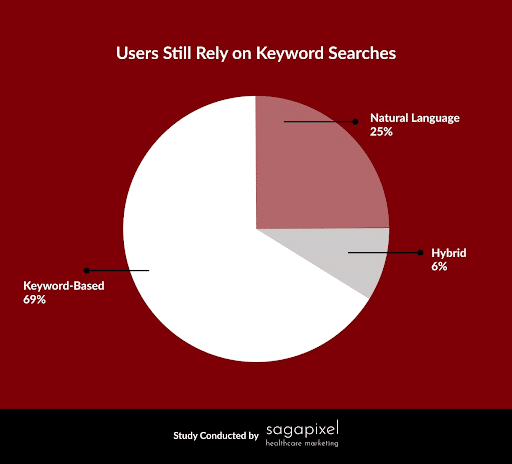
Observed user sessions show that 75% of people searching for local services in ChatGPT still use short, keyword-style prompts (e.g., “dentist 11214”) rather than long conversational requests.
This suggests “traditional” keyword behavior persists even inside AI interfaces.
For franchises, this is good news: local keyword strategy still matters (services + geo modifiers), even as AI becomes a discovery layer.
It also means franchise brands should align local pages, listings, and reviews around the same real-world “keyword intent” people continue to use.
Key Takeaway: Do not abandon keyword research. Map your top local service keywords to dedicated location/service pages and ensure listings and review content reinforce those terms naturally.
5. Nearly 2 Million Llm Sessions Shows AI Discovery Is Platform-Fragmented
Analysis of nearly 2 million LLM sessions shows AI discovery is platform-fragmented: ChatGPT leads overall trackable discovery, while other tools can dominate in specific “jobs-to-be-done” and workflows. The core takeaway is that a single-platform AI strategy won’t hold in 2026.

Multi-location brands are especially exposed to attribution gaps and channel fragmentation: you can’t optimize only for one AI surface and expect consistent visibility. The brands that win will build durable brand recall + distributed authority across the sources these systems trust, and measure success beyond last-click traffic.
Action Item: Establish an “AI discovery” measurement layer (brand search lift, time-lag, assisted conversions) and diversify visibility signals beyond the website to include platforms and citations.
Weekly Homework
- Upgrade local AI visibility fundamentals: tighten location data accuracy across the ecosystem and raise review quality/response discipline (AI filters hard).
- Rework value messaging for 2026: clarify pricing/value props and ensure cross-location delivery matches the promise.
- Keep (and modernize) local keyword strategy: build service + geo coverage across location pages and listings.
- Stop relying on one AI platform: implement broader AI discovery measurement and diversify authority/citation sources.
Franchise and Multi-Location Marketing News 1/17/2026 to 1/23/2026
1. ChatGPT Begins Testing Ads in the United States
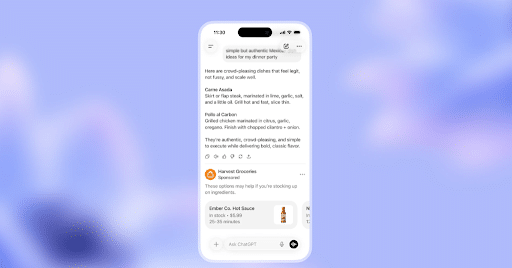
OpenAI announced it will begin testing ads for ChatGPT Free and Go users in the U.S., placing clearly labeled sponsored recommendations at the bottom of relevant responses. Paid tiers (Pro, Business, Enterprise) will remain ad-free.
If ads in conversational AI scale, discovery may shift toward high-intent, problem-solving moments rather than keyword-based targeting. For franchise brands, this could eventually influence local discovery, services, and location-based recommendations.
Action Item: Monitor how ads perform in conversational interfaces and prepare creative strategies focused on relevance and usefulness rather than volume or interruption.
2. Franchise SEO vs. GEO Isn’t the Real Risk, Volatility Is, New Research Shows
An analysis of 75 leading SEO influencers’ LinkedIn posts revealed widespread volatility in how AI-era search is discussed, with fewer than one-third maintaining consistent sentiment or terminology over time. Despite new acronyms, SEO fundamentals remain the foundation of visibility.
Franchise and multi-location brands should resist chasing every new AI-search acronym. Consistency in content strategy, category authority, and local relevance matters more than reacting to industry hype cycles that can distract from execution.
Action Item: Reaffirm the Franchise and Multi-Location SEO fundamentals: content hubs, local authority, and digital PR, while cautiously testing AI-discovery optimizations without rebranding your entire strategy.
3. 56% of CEOs Report No Revenue Gains From AI, PwC Finds

PwC’s Global CEO Survey found that 56% of executives have not seen revenue gains or cost savings from AI investments over the past year. Only 12% reported achieving both revenue growth and cost reduction, largely due to stronger AI foundations and roadmaps.
For franchise and multi-location marketers, this reinforces that tactical AI experiments won’t move the needle on their own. Real impact comes from integrating AI into scalable systems like demand generation, local marketing execution, and customer experience, not isolated tools.
Action Item: Audit AI usage across marketing and operations to identify where AI can be embedded system-wide versus used as a one-off productivity tool.
Weekly Homework
- Stay grounded in SEO fundamentals while selectively testing AI-discovery tactics
- Avoid chasing AI-search acronyms; prioritize consistency and authority instead
- Track the evolution of ads inside conversational AI and assess long-term franchise implications
Franchise and Multi-Location Marketing News 1/10/2026 to 1/16/2026
1. 2026 Franchise 500 Reveals Market Shifts Toward Stability and Care-Based Models
Entrepreneur’s 2026 Franchise 500 rankings highlight a shift toward recession-resistant, infrastructure-driven brands, with Jersey Mike’s taking the top spot. Growth is also surging in home services, childcare, senior care, and other “care economy” franchises.
Franchise development marketing must increasingly emphasize stability, utility, and long-term demand, not just brand recognition or growth hype. Investor psychology is clearly favoring dependable models over trend-driven concepts.
Action Item: Align franchise marketing and sales messaging with themes of resilience, essential services, and long-term support infrastructure.
2. Google Announces AI Mode Checkout and Branded Business Agents
Google unveiled new AI Mode features allowing users to complete purchases directly within Search and chat with branded AI “Business Agents.”
Powered by the Universal Commerce Protocol, checkout happens on Google while retailers remain the seller of record.
This fundamentally changes the franchise ecommerce funnel, as customers may research, compare, and purchase without ever visiting a brand’s website.
Visibility inside Google’s AI surfaces now directly impacts conversions, not just traffic.
Action Item: Evaluate Merchant Center readiness and assess whether AI Mode checkout participation aligns with franchise revenue, attribution, and brand control goals.
3. LinkedIn Articles Are Becoming a Key Citation Source in AI Search
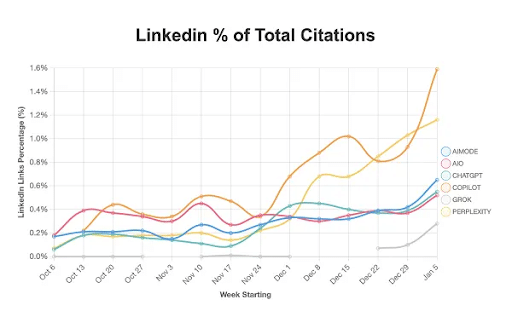
New research shows referral traffic from Google Search and Discover continues to decline, largely due to AI-powered search experiences. At the same time, AI tools like ChatGPT and Perplexity are increasingly citing LinkedIn, especially LinkedIn Pulse articles, as trusted sources in responses.
For franchise and multi-location brands, this signals a shift from traditional SEO traffic toward visibility within AI-generated answers. Executive thought leadership and brand expertise published on LinkedIn may now influence discovery and credibility more than website content alone.
Action Item: Develop a LinkedIn article strategy for brand leaders and franchise executives to increase AI citation visibility and category authority.
Weekly Homework
- Launch or expand LinkedIn thought leadership to increase AI search visibility and citations
- Review ecommerce and local product strategies in light of Google’s AI Mode checkout shift
- Reframe franchise development messaging around stability, essential services, and recession resistance
Franchise and Multi-Location Marketing News 1/2/2026 to 1/9/2026
1. Cooling Labor Market Fuels New Franchise Growth Opportunities

Recent Labor Department data shows a cooling U.S. labor market, with unemployment rising to 4.6% and hiring slowing, particularly in white-collar roles.
This shift is driving more professionals to explore franchising as a stable alternative to traditional employment.
Why We Care: Franchise marketers are seeing a new wave of “corporate escapees” and younger workers drawn to recession-resistant, service-based brands. Messaging that emphasizes stability, control, and long-term income potential will resonate more strongly in this environment.
Action Item: Audit franchise development messaging to ensure it directly addresses job-market uncertainty, financial security, and ownership stability.
2. How AI Is Transforming Restaurant Operations and Franchises
AI in restaurants is evolving beyond backend analytics into real-time decision-making tools that improve scheduling, forecasting, hospitality, and guest experience.
These tools are now accessible to emerging and mid-sized franchise brands, not just large chains.
AI-driven consistency is becoming a competitive differentiator for franchise systems, reinforcing one of the core promises of franchising: reliable customer experience across locations.
Smaller and growing brands can now market operational sophistication without enterprise-level budgets.
Action Item: Identify one AI-powered operational or customer-facing capability (e.g., scheduling, personalization, ordering) to spotlight in franchise sales and consumer marketing.
3. 40% of Marketers Are Using AI for Social Media Management
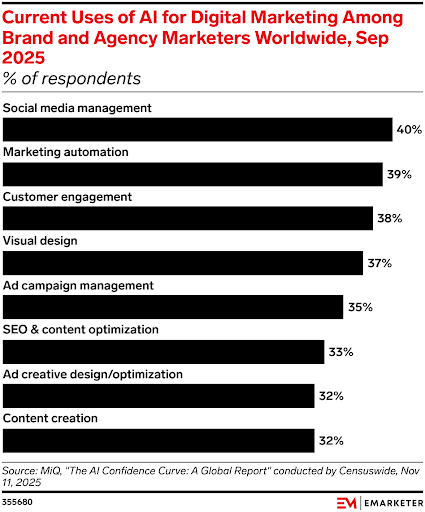
A new eMarketer study found that 40% of marketers now use AI for social media management, with strong adoption also seen in marketing automation and customer engagement. Many marketers identify as intermediate in AI maturity.
For franchise and multi-location brands, AI-powered social tools make it easier to scale local content while maintaining brand consistency. This lowers the operational burden on individual locations and increases participation across the system.
Action Item: Evaluate whether your current social media stack supports AI-driven content creation and engagement at the local level.
4. December Core Update: More Brands Win “Best Of” Queries
Google’s December core update rewarded category-specific expertise over generalist content, particularly for “best of” and mid-funnel queries.
Specialized brands and retailers gained visibility, while publishers and broad platforms saw volatility, especially in Discover and News.
For franchise and multi-location brands, this reinforces the value of localized and category-specific SEO strategies. Brands with clear topical authority now have a stronger chance to outrank national publishers for high-intent searches.
Action Item: Shift SEO strategy toward deeper category and service-specific landing pages rather than broad “best of” or generic informational content.
5. Experts Say Content Curation is Vital to Keeping Consumers in 2026
Research shows consumers increasingly value curated experiences over content volume, with Gen Z and millennials (73% and 67% respectively) relying heavily on social media to discover products. Shoppers report greater confidence and loyalty when brands narrow choices and personalize experiences.
Franchise and multi-location marketers must balance brand-level messaging with localized relevance.
Smarter content curation, rather than more content, helps locations stand out while reducing noise across channels.
Weekly Homework
- Refine franchise development messaging to address job-market uncertainty and ownership stability
- Highlight at least one AI-powered operational or guest-experience advantage in brand marketing
- Build deeper, category-specific SEO pages to capture mid-funnel and “best of” search intent
- Assess AI-powered social media tools to better support local franchise participation
- Simplify and curate national and local content strategies to improve relevance and conversion
Franchise and Multi-Location Marketing News 12/19/2025
This week: AI citations rarely overlap, Franchise liability rules shift, and 2026 franchise marketing trends emerge.
Here’s what happened this week in Franchise and Multi-Location Marketing:
1. Cited Sources for Google’s AI Mode & AI Overviews Have Little Overlap
A new report from Ahrefs reveals a significant disconnect between Google’s AI Mode (the conversational assistant) and AI Overviews (the snapshots at the top of search results). While both features usually agree on the answer, they rarely agree on who to cite.
According to the study, AI Mode and AI Overviews cite the same URLs only 13.7% of the time. Despite this low overlap in sources, the two features share an 86% “semantic similarity,” meaning they reach the same conclusion but pull their “proof” from different corners of the web.
The report also found that AI Mode tends to produce longer responses, mentions more brands, and favors text-heavy sources like Wikipedia and Reddit. In contrast, AI Overviews lean more heavily into video content, citing YouTube significantly more often.
The Takeaway for Multi-Location Brands:
For brands managing dozens or hundreds of locations, this data confirms that “winning” a spot in one AI feature does not guarantee visibility in the other.
- Diversify Your Local Content Formats: Because AI Overviews favor video and AI Mode favors long-form text/entities, your local pages need both. A location page with only a map and a few sentences is likely to be ignored by AI Mode, while a page without video content may miss the AI Overview cut.
- The “Double-Front” Visibility Trap: You can no longer track “AI rankings” as a single metric. A multi-location brand might be the top-cited authority in a local AI Overview but completely absent from a conversational AI Mode response for the same query. Brands must optimize for both the concise “summary” style and the more detailed “entity-rich” conversational style.
- Brand Mentions are the New Backlinks: AI Mode mentions nearly three times as many brands and entities as AI Overviews. To stay relevant at scale, focus on local PR and community-specific mentions. The more your specific locations are mentioned across different high-authority “entity” sources (like local news or niche directories), the more likely you are to be pulled into AI Mode’s longer, more detailed responses.
2. Consortium Brand Partners to Acquire California Pizza Kitchen
Consortium Brand Partners led a buyout of California Pizza Kitchen (CPK), naming new operational leadership and signaling a push to rebuild and expand the brand via franchising and CPG growth.
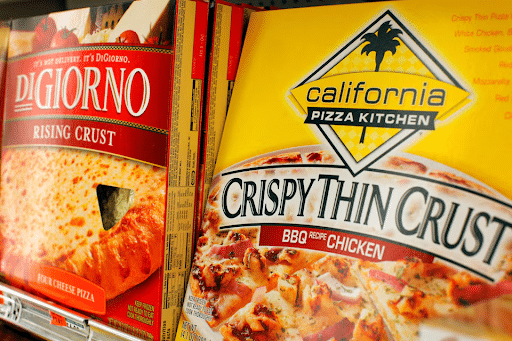
The deal follows years of footprint shrinkage and positions the investor group to accelerate franchised growth.
3. “American Franchise Act” / Joint-employer rule momentum
Legislative activity and industry commentary around the “American Franchise Act” continued in the last month.
The bill aims to clarify joint-employer liability for franchisors and reduce legal uncertainty around franchising relationships. This is being discussed across lobbying groups and franchising trade press.
If the law tightens or clarifies franchisor independence, corporate teams may be able to centralize more marketing controls (templates, data access, performance mandates).
Action Item: Franchise marketers should map which parts of local execution require legal/operational sign-off today, and design scalable governance (playbooks + automated approvals) to take advantage of any expanded brand governance.
4. Reshift Media releases 2026 Franchise Digital Marketing Trends report
Reshift published a 60+ page trend report projecting how AI, automation, attribution, and local lead-gen will shape franchise marketing next year, with benchmarks and vendor evaluation frameworks for franchisors.
“Technology and consumer behavior are evolving faster than ever, and that has profound implications for franchise organizations,” said Steve Buors, co-founder and CEO of Reshift Media. “Franchise brands must operate at national or even global scale while remaining locally relevant in thousands of individual markets. By understanding the trends shaping 2026, franchise leaders can identify practical opportunities to strengthen performance across their entire system.”
According to the report, 2026 franchise digital marketing trends include:
- The evolution of artificial intelligence from experimental pilots to foundational marketing infrastructure, with industry research showing that two thirds of businesses now use AI in at least one internal process.
- The decline of traditional “ten blue links” search results, as platform data indicates users are nearly 50% less likely to click when AI generated search overviews are present.
- The continued rise of short form video and social commerce, with more than 90% of Gen Z and Millennial consumers engaging with short form video content on a daily basis.
Key Takeaway: Use the report as a checklist to measure where you are on AI adoption, local attribution, and standardized reporting. Prioritize filling one measurable gap (e.g., multi-location attribution or automated review generation) and bake that into next year’s budget so growth targets are supported by measurable tech investments.
Weekly Homework
- Optimize for both AI Mode and AI Overviews. Build location pages with long-form, entity-rich text plus video, and track AI visibility as mentions and citations, not just rankings.
- Make brand mentions a priority, not just links. Invest in local PR, community partnerships, and authoritative listings to increase brand and location mentions across trusted sources.
- Prepare for more centralized franchise marketing control. Create scalable playbooks, templates, and approval workflows now so you can move fast if franchisor governance expands.
- Turn AI into core infrastructure, not an experiment. Commit to one measurable AI investment (attribution, reviews, reporting) that directly supports multi-location growth.
- Shift from click-based SEO to discovery-first marketing. Increase short-form video, TOFU content, and first-party data capture as AI reduces traditional search clicks.
