

Marketing at scale is a different game, and Ignite Visibility wants to help you cut through the chaos. As innovators and thought leaders in the franchise and multi-location marketing industry, you can rely on us to provide the news most relevant to your business.
Whether you are managing brand consistency across hundreds of locations or trying to win the local search battle in a specific ZIP code, the stakes are higher at scale. We monitor shifting algorithms, local SEO trends, and multi-location advertising technology so you don’t have to.
Our goal is to provide high-impact updates that help you make faster, more informed decisions for your brand. Keep reading for the top news.
Franchise and Multi-Location Marketing News 1/31/2026 to 2/6/2026
1. Why Franchise Marketing ROI Can’t Be Measured One Way Anymore
Franchise marketing leaders are rethinking how ROI is measured, and many agree that traditional metrics alone no longer tell the full story.
While some experts emphasize tracking performance at both the brand and local unit level, others argue that outcomes like closed deals, unit-level revenue, and long-term value matter more than surface metrics such as impressions or cost per lead.
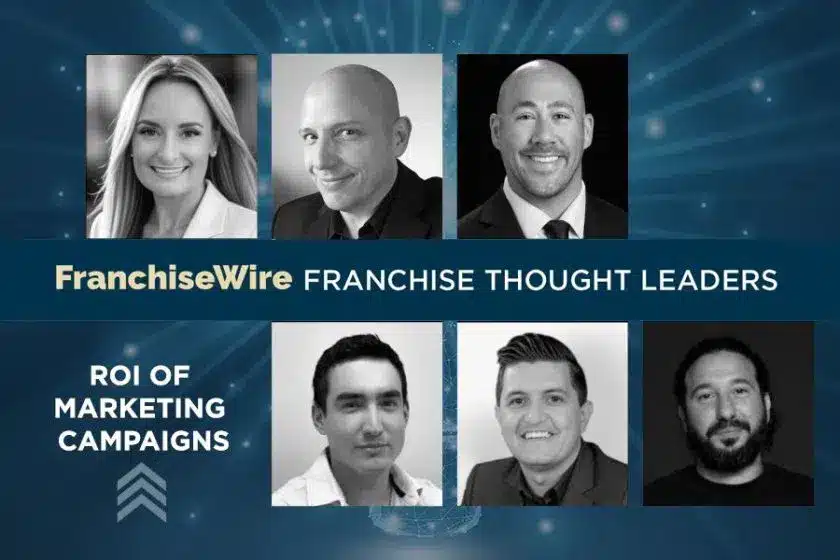
Across the board, alignment between franchisors and franchisees is emerging as a critical factor.
Campaigns tied to clear objectives, from lead generation to unit growth, are easier to measure, optimize, and scale.
As franchising continues to expand, marketers face increasing pressure to prove impact across dozens, hundreds, or thousands of locations. Measuring ROI in silos leads to confusion, misalignment, and wasted spend. Franchise systems that share performance data, track KPIs in real time, and connect marketing activity to revenue are better positioned to drive sustainable growth.
Key Takeaway: Franchise marketing ROI isn’t about one metric, it’s about connecting brand-level strategy to unit-level performance with clear goals, shared data, and accountability.
2. 7 Lessons Bad Bunny’s Rise Teaches Franchise Marketers About Brand Power

Bad Bunny’s rise to global stardom offers a clear reminder that authenticity and cultural relevance scale better than manufactured mass appeal. By leaning into his identity, language, and community, he built one of the strongest brands in entertainment, without diluting who he is to reach new audiences.
Franchise and multi-location brands face a similar challenge: how to grow while staying consistent and real. The strongest franchise systems don’t rely on generic messaging. They connect with local communities, tell real stories, show up where their audience already is, and protect brand standards as they expand.
Bad Bunny’s success reinforces a key franchise truth: growth works best when it’s grounded in clear values, consistency, and purpose, not trend-chasing.
Key takeaway: Franchise brands that stay culturally aware, authentically tell their story, and balance growth with control are better positioned to build trust, loyalty, and long-term relevance across every location.
3. Ford’s Garage Modernizes to Power Its Next Growth Phase
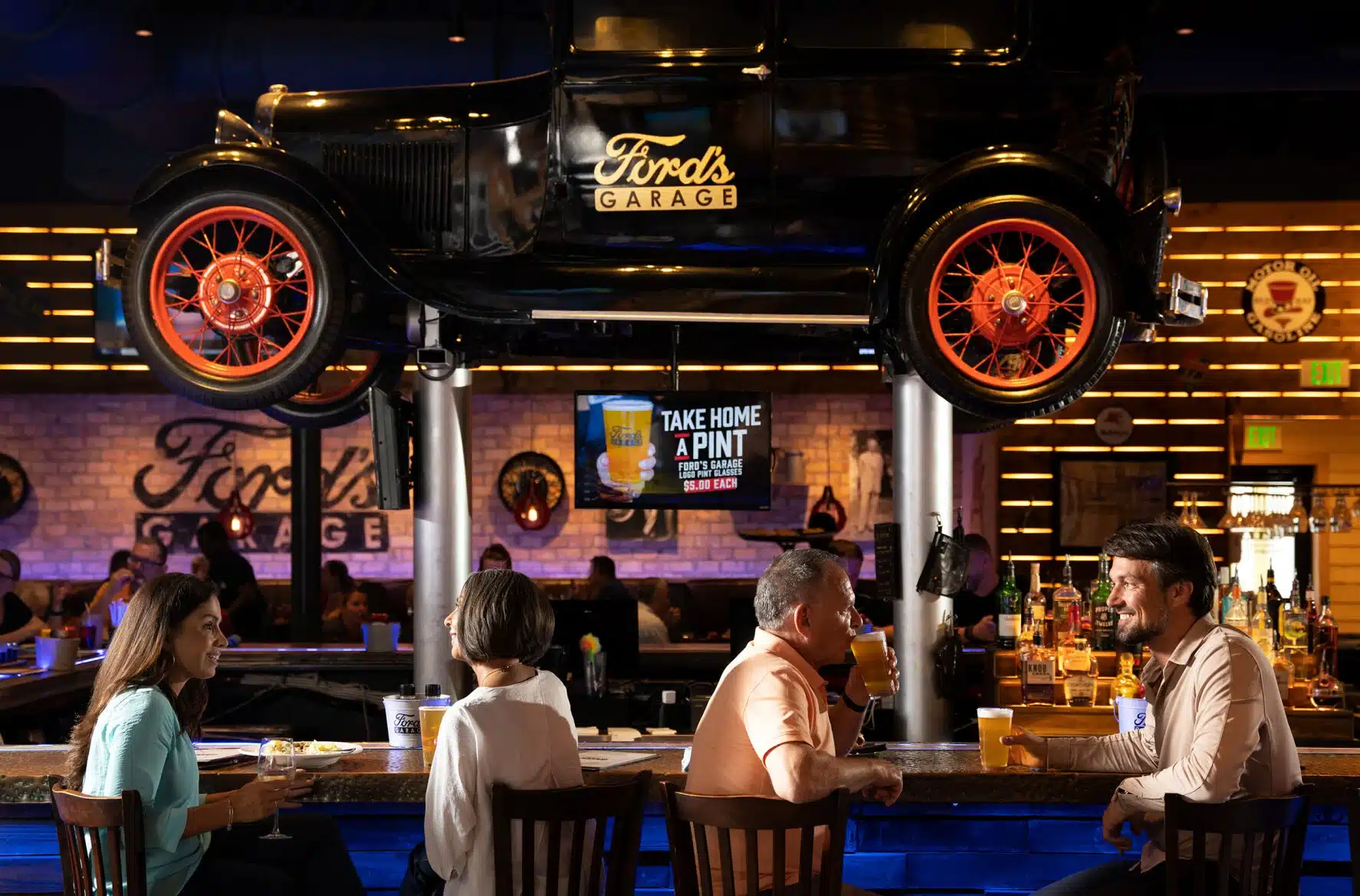
Ford’s Garage is investing in technology, menu innovation, and brand updates as it prepares for its next phase of franchise growth. The automotive-themed burger concept has expanded to 34 units across eight states since franchising began in 2015 and expects to surpass 40 locations in 2026.
Under president Billy Downs, the brand is modernizing its tech stack to improve speed and convenience, refreshing in-store design elements, and introducing new menu options, including a recently launched health-focused menu aimed at appealing to younger diners without alienating loyal customers.
Why We Care
For franchise and multi-location marketers, Ford’s Garage highlights a growing industry reality: modernization is no longer optional. Brands that fail to evolve technology, menu strategy, and in-store experience risk losing relevance with Gen Y and Gen Z consumers.
At the same time, Ford’s Garage shows how franchises can modernize without sacrificing brand identity, using its long-standing partnership with Ford Motor Company as a competitive advantage while refining execution at the unit level.
Key takeaway: Franchise brands that balance heritage with innovation are better positioned to attract franchisees, drive unit-level performance, and scale sustainably in a changing market.
4. SaaS Brands See 30-50% Visibility Drops on “Best Of” Listicles
After Google’s December 2025 core update, some brands noticed a 30-50% drop in organic visibility, especially on self-promotional “best of” listicles.
For franchise marketers, this is a critical reminder: franchise websites must maintain credible, third-party-backed content. Ranking yourself first without genuine local or peer validation can hurt visibility across multiple locations.
Franchise businesses rely heavily on local SEO to attract customers to each location. If your corporate or local content over-promotes itself without authentic reviews or third-party validation, Google may penalize the content.
Key Takeaway: Consistent, evidence-backed marketing ensures each location ranks well while maintaining brand trust.
Weekly Homework
- Track marketing performance both at the corporate/brand level and individual franchise locations.
- Connect campaigns to real outcomes like leads, unit revenue, and long-term customer value, not just impressions or clicks.
- Share performance data across the franchise system to align franchisor and franchisee goals.
- Use dashboards or reporting tools that show real-time KPIs for every location, allowing optimization and accountability.
Franchise and Multi-Location Marketing News 1/23/2026 to 1/30/2026
1. AI Local Visibility Is Up to 30x Harder Than Ranking in Google
SOCi’s 2026 Local Visibility Index found that AI assistants recommend a tiny share of locations compared to Google’s local pack: about 1.2% in ChatGPT, 11% in Gemini, and 7.4% in Perplexity, versus 35.9% appearance in Google’s local 3-pack.
The report also notes profile data accuracy issues on some AI platforms, making visibility and trust even harder to earn.
For franchise and multi-location brands, strong local SEO rankings no longer guarantee being recommended by AI assistants, as AI is acting more like a gatekeeper than a ranking system.
This raises the bar on review quality, listing accuracy, and cross-platform consistency (Maps, Yelp, Facebook, site content), because AI filters locations out entirely if confidence signals are weak.
What to Watch Next: Treat AI local visibility like “qualification” (data + sentiment + differentiation) and prioritize review ratings/response rates and ecosystem-wide location data accuracy, not just Google Business Profile optimization.
2. Consumer Confidence Is Up, but Customers Are Still Watching Their Wallets

University of Michigan sentiment ticked up in January (56.4 vs. 52.9), and macro indicators show improvement, but consumers remain anxious about prices and job security. The result is continued spending, paired with stricter selectivity around value, convenience, and consistency.
Franchise and multi-location marketing wins in this environment come from value clarity + operational consistency across locations. Brands that make pricing simple, deliver reliably, and reinforce “everyday utility” will earn repeat visits, even while discretionary or premium categories face more scrutiny.
Action Item: Refresh value messaging and offers by segment (budget-sensitive vs. convenience-driven), and audit location-level experience consistency so marketing promises match delivery.
3. Nathan’s $450M Sale Highlights Franchise Consolidation Pressure
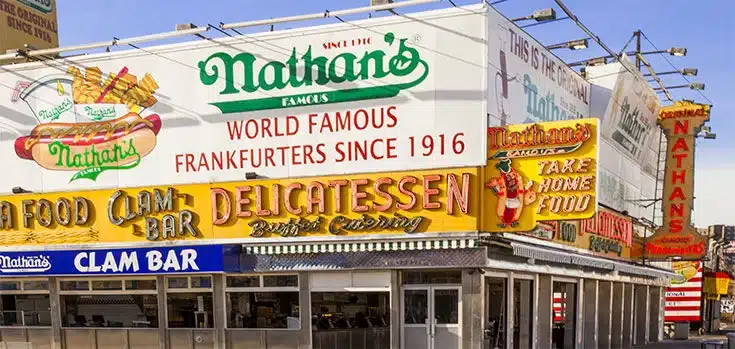
Smithfield Foods acquired Nathan’s Famous in an all-cash deal valued at approximately $450 million, purchasing shares at $102 per share. Smithfield had already served as Nathan’s exclusive manufacturer in North America, making the acquisition a strategic consolidation move.
Nathan’s operates more than 230 global locations, including virtual kitchens, kiosks, and domestic restaurants, and reported $148 million in sales in 2024. CEO Eric Gatoff called the deal “a natural fit” that delivers strong value for shareholders.
The acquisition reflects a broader franchise consolidation trend as brands face inflationary pressure and rising operating costs. For franchise and multi-location marketers, ownership changes often bring shifts in growth priorities, brand strategy, and performance expectations.
At the same time, FAT Brands and Twin Hospitality Group are set to be delisted from Nasdaq following a Chapter 11 filing, highlighting the widening gap between well-capitalized franchise systems and those under financial strain.
Key takeaway: Franchise brands with scalable models, diversified location strategies, and strong marketing performance are better positioned to survive economic pressure, and attract acquisition interest.
4. 75% of ChatGPT Users Use Keywords to Find Local Services
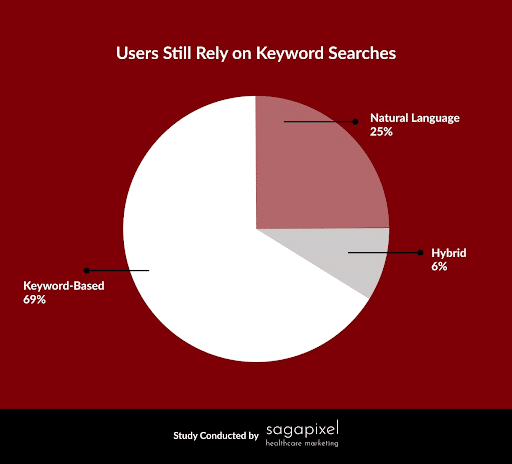
Observed user sessions show that 75% of people searching for local services in ChatGPT still use short, keyword-style prompts (e.g., “dentist 11214”) rather than long conversational requests.
This suggests “traditional” keyword behavior persists even inside AI interfaces.
For franchises, this is good news: local keyword strategy still matters (services + geo modifiers), even as AI becomes a discovery layer.
It also means franchise brands should align local pages, listings, and reviews around the same real-world “keyword intent” people continue to use.
Key Takeaway: Do not abandon keyword research. Map your top local service keywords to dedicated location/service pages and ensure listings and review content reinforce those terms naturally.
5. Nearly 2 Million Llm Sessions Shows AI Discovery Is Platform-Fragmented
Analysis of nearly 2 million LLM sessions shows AI discovery is platform-fragmented: ChatGPT leads overall trackable discovery, while other tools can dominate in specific “jobs-to-be-done” and workflows. The core takeaway is that a single-platform AI strategy won’t hold in 2026.

Multi-location brands are especially exposed to attribution gaps and channel fragmentation: you can’t optimize only for one AI surface and expect consistent visibility. The brands that win will build durable brand recall + distributed authority across the sources these systems trust, and measure success beyond last-click traffic.
Action Item: Establish an “AI discovery” measurement layer (brand search lift, time-lag, assisted conversions) and diversify visibility signals beyond the website to include platforms and citations.
Weekly Homework
- Upgrade local AI visibility fundamentals: tighten location data accuracy across the ecosystem and raise review quality/response discipline (AI filters hard).
- Rework value messaging for 2026: clarify pricing/value props and ensure cross-location delivery matches the promise.
- Keep (and modernize) local keyword strategy: build service + geo coverage across location pages and listings.
- Stop relying on one AI platform: implement broader AI discovery measurement and diversify authority/citation sources.
Franchise and Multi-Location Marketing News 1/17/2026 to 1/23/2026
1. ChatGPT Begins Testing Ads in the United States
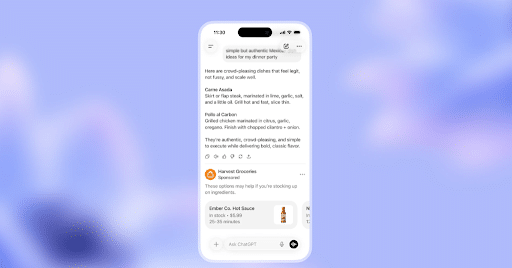
OpenAI announced it will begin testing ads for ChatGPT Free and Go users in the U.S., placing clearly labeled sponsored recommendations at the bottom of relevant responses. Paid tiers (Pro, Business, Enterprise) will remain ad-free.
If ads in conversational AI scale, discovery may shift toward high-intent, problem-solving moments rather than keyword-based targeting. For franchise brands, this could eventually influence local discovery, services, and location-based recommendations.
Action Item: Monitor how ads perform in conversational interfaces and prepare creative strategies focused on relevance and usefulness rather than volume or interruption.
2. Franchise SEO vs. GEO Isn’t the Real Risk, Volatility Is, New Research Shows
An analysis of 75 leading SEO influencers’ LinkedIn posts revealed widespread volatility in how AI-era search is discussed, with fewer than one-third maintaining consistent sentiment or terminology over time. Despite new acronyms, SEO fundamentals remain the foundation of visibility.
Franchise and multi-location brands should resist chasing every new AI-search acronym. Consistency in content strategy, category authority, and local relevance matters more than reacting to industry hype cycles that can distract from execution.
Action Item: Reaffirm the Franchise and Multi-Location SEO fundamentals: content hubs, local authority, and digital PR, while cautiously testing AI-discovery optimizations without rebranding your entire strategy.
3. 56% of CEOs Report No Revenue Gains From AI, PwC Finds
PwC’s Global CEO Survey found that 56% of executives have not seen revenue gains or cost savings from AI investments over the past year. Only 12% reported achieving both revenue growth and cost reduction, largely due to stronger AI foundations and roadmaps.
For franchise and multi-location marketers, this reinforces that tactical AI experiments won’t move the needle on their own. Real impact comes from integrating AI into scalable systems like demand generation, local marketing execution, and customer experience, not isolated tools.
Action Item: Audit AI usage across marketing and operations to identify where AI can be embedded system-wide versus used as a one-off productivity tool.
Weekly Homework
- Stay grounded in SEO fundamentals while selectively testing AI-discovery tactics
- Avoid chasing AI-search acronyms; prioritize consistency and authority instead
- Track the evolution of ads inside conversational AI and assess long-term franchise implications
Franchise and Multi-Location Marketing News 1/10/2026 to 1/16/2026
1. 2026 Franchise 500 Reveals Market Shifts Toward Stability and Care-Based Models
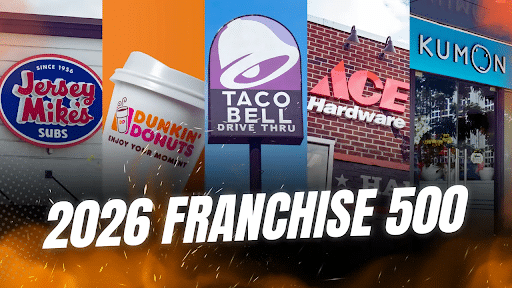
Entrepreneur’s 2026 Franchise 500 rankings highlight a shift toward recession-resistant, infrastructure-driven brands, with Jersey Mike’s taking the top spot. Growth is also surging in home services, childcare, senior care, and other “care economy” franchises.
Franchise development marketing must increasingly emphasize stability, utility, and long-term demand, not just brand recognition or growth hype. Investor psychology is clearly favoring dependable models over trend-driven concepts.
Action Item: Align franchise marketing and sales messaging with themes of resilience, essential services, and long-term support infrastructure.
2. Google Announces AI Mode Checkout and Branded Business Agents
Google unveiled new AI Mode features allowing users to complete purchases directly within Search and chat with branded AI “Business Agents.”
Powered by the Universal Commerce Protocol, checkout happens on Google while retailers remain the seller of record.
This fundamentally changes the franchise ecommerce funnel, as customers may research, compare, and purchase without ever visiting a brand’s website.
Visibility inside Google’s AI surfaces now directly impacts conversions, not just traffic.
Action Item: Evaluate Merchant Center readiness and assess whether AI Mode checkout participation aligns with franchise revenue, attribution, and brand control goals.
3. LinkedIn Articles Are Becoming a Key Citation Source in AI Search
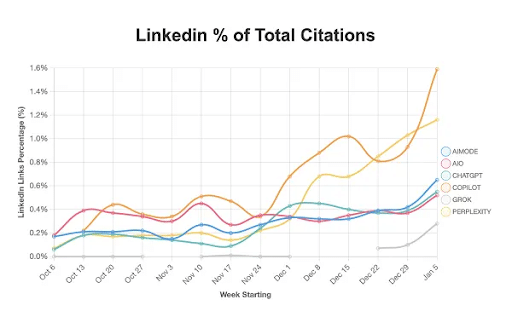
New research shows referral traffic from Google Search and Discover continues to decline, largely due to AI-powered search experiences. At the same time, AI tools like ChatGPT and Perplexity are increasingly citing LinkedIn, especially LinkedIn Pulse articles, as trusted sources in responses.
For franchise and multi-location brands, this signals a shift from traditional SEO traffic toward visibility within AI-generated answers. Executive thought leadership and brand expertise published on LinkedIn may now influence discovery and credibility more than website content alone.
Action Item: Develop a LinkedIn article strategy for brand leaders and franchise executives to increase AI citation visibility and category authority.
Weekly Homework
- Launch or expand LinkedIn thought leadership to increase AI search visibility and citations
- Review ecommerce and local product strategies in light of Google’s AI Mode checkout shift
- Reframe franchise development messaging around stability, essential services, and recession resistance
Franchise and Multi-Location Marketing News 1/2/2026 to 1/9/2026
1. Cooling Labor Market Fuels New Franchise Growth Opportunities

Recent Labor Department data shows a cooling U.S. labor market, with unemployment rising to 4.6% and hiring slowing, particularly in white-collar roles.
This shift is driving more professionals to explore franchising as a stable alternative to traditional employment.
Why We Care: Franchise marketers are seeing a new wave of “corporate escapees” and younger workers drawn to recession-resistant, service-based brands. Messaging that emphasizes stability, control, and long-term income potential will resonate more strongly in this environment.
Action Item: Audit franchise development messaging to ensure it directly addresses job-market uncertainty, financial security, and ownership stability.
2. How AI Is Transforming Restaurant Operations and Franchises
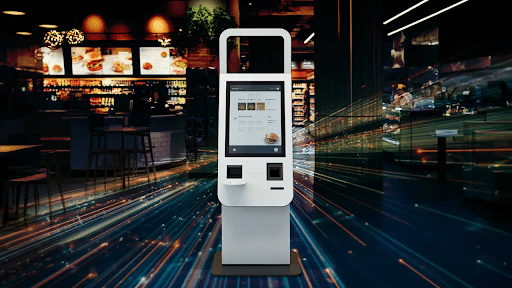
AI in restaurants is evolving beyond backend analytics into real-time decision-making tools that improve scheduling, forecasting, hospitality, and guest experience.
These tools are now accessible to emerging and mid-sized franchise brands, not just large chains.
AI-driven consistency is becoming a competitive differentiator for franchise systems, reinforcing one of the core promises of franchising: reliable customer experience across locations.
Smaller and growing brands can now market operational sophistication without enterprise-level budgets.
Action Item: Identify one AI-powered operational or customer-facing capability (e.g., scheduling, personalization, ordering) to spotlight in franchise sales and consumer marketing.
3. 40% of Marketers Are Using AI for Social Media Management
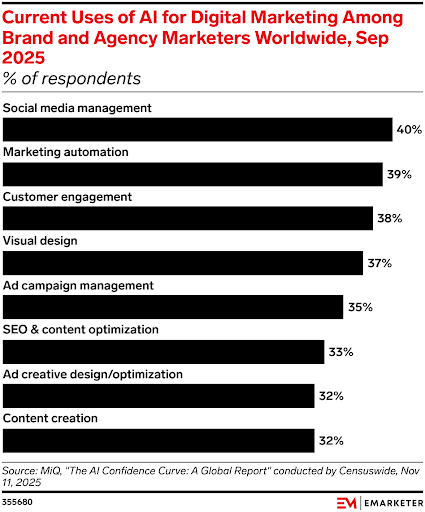
A new eMarketer study found that 40% of marketers now use AI for social media management, with strong adoption also seen in marketing automation and customer engagement. Many marketers identify as intermediate in AI maturity.
For franchise and multi-location brands, AI-powered social tools make it easier to scale local content while maintaining brand consistency. This lowers the operational burden on individual locations and increases participation across the system.
Action Item: Evaluate whether your current social media stack supports AI-driven content creation and engagement at the local level.
4. December Core Update: More Brands Win “Best Of” Queries
Google’s December core update rewarded category-specific expertise over generalist content, particularly for “best of” and mid-funnel queries.
Specialized brands and retailers gained visibility, while publishers and broad platforms saw volatility, especially in Discover and News.
For franchise and multi-location brands, this reinforces the value of localized and category-specific SEO strategies. Brands with clear topical authority now have a stronger chance to outrank national publishers for high-intent searches.
Action Item: Shift SEO strategy toward deeper category and service-specific landing pages rather than broad “best of” or generic informational content.
5. Experts Say Content Curation is Vital to Keeping Consumers in 2026
Research shows consumers increasingly value curated experiences over content volume, with Gen Z and millennials (73% and 67% respectively) relying heavily on social media to discover products. Shoppers report greater confidence and loyalty when brands narrow choices and personalize experiences.
Franchise and multi-location marketers must balance brand-level messaging with localized relevance.
Smarter content curation, rather than more content, helps locations stand out while reducing noise across channels.
Weekly Homework
- Refine franchise development messaging to address job-market uncertainty and ownership stability
- Highlight at least one AI-powered operational or guest-experience advantage in brand marketing
- Build deeper, category-specific SEO pages to capture mid-funnel and “best of” search intent
- Assess AI-powered social media tools to better support local franchise participation
- Simplify and curate national and local content strategies to improve relevance and conversion
Franchise and Multi-Location Marketing News 12/19/2025
This week: AI citations rarely overlap, Franchise liability rules shift, and 2026 franchise marketing trends emerge.
Here’s what happened this week in Franchise and Multi-Location Marketing:
1. Cited Sources for Google’s AI Mode & AI Overviews Have Little Overlap
A new report from Ahrefs reveals a significant disconnect between Google’s AI Mode (the conversational assistant) and AI Overviews (the snapshots at the top of search results). While both features usually agree on the answer, they rarely agree on who to cite.
According to the study, AI Mode and AI Overviews cite the same URLs only 13.7% of the time. Despite this low overlap in sources, the two features share an 86% “semantic similarity,” meaning they reach the same conclusion but pull their “proof” from different corners of the web.
The report also found that AI Mode tends to produce longer responses, mentions more brands, and favors text-heavy sources like Wikipedia and Reddit. In contrast, AI Overviews lean more heavily into video content, citing YouTube significantly more often.
The Takeaway for Multi-Location Brands:
For brands managing dozens or hundreds of locations, this data confirms that “winning” a spot in one AI feature does not guarantee visibility in the other.
- Diversify Your Local Content Formats: Because AI Overviews favor video and AI Mode favors long-form text/entities, your local pages need both. A location page with only a map and a few sentences is likely to be ignored by AI Mode, while a page without video content may miss the AI Overview cut.
- The “Double-Front” Visibility Trap: You can no longer track “AI rankings” as a single metric. A multi-location brand might be the top-cited authority in a local AI Overview but completely absent from a conversational AI Mode response for the same query. Brands must optimize for both the concise “summary” style and the more detailed “entity-rich” conversational style.
- Brand Mentions are the New Backlinks: AI Mode mentions nearly three times as many brands and entities as AI Overviews. To stay relevant at scale, focus on local PR and community-specific mentions. The more your specific locations are mentioned across different high-authority “entity” sources (like local news or niche directories), the more likely you are to be pulled into AI Mode’s longer, more detailed responses.
2. Consortium Brand Partners to Acquire California Pizza Kitchen
Consortium Brand Partners led a buyout of California Pizza Kitchen (CPK), naming new operational leadership and signaling a push to rebuild and expand the brand via franchising and CPG growth.
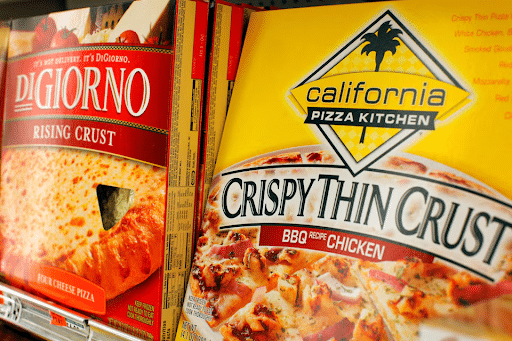
The deal follows years of footprint shrinkage and positions the investor group to accelerate franchised growth.
3. “American Franchise Act” / Joint-employer rule momentum
Legislative activity and industry commentary around the “American Franchise Act” continued in the last month.
The bill aims to clarify joint-employer liability for franchisors and reduce legal uncertainty around franchising relationships. This is being discussed across lobbying groups and franchising trade press.
If the law tightens or clarifies franchisor independence, corporate teams may be able to centralize more marketing controls (templates, data access, performance mandates).
Action Item: Franchise marketers should map which parts of local execution require legal/operational sign-off today, and design scalable governance (playbooks + automated approvals) to take advantage of any expanded brand governance.
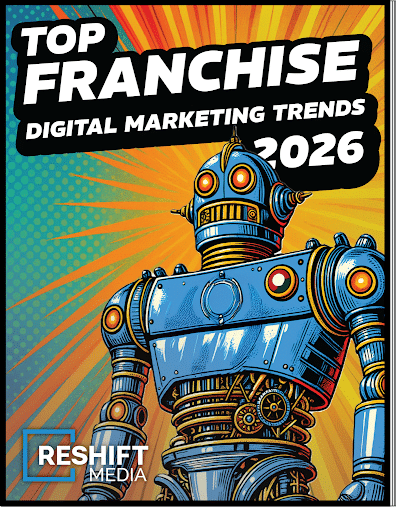
4. Reshift Media releases 2026 Franchise Digital Marketing Trends report
Reshift published a 60+ page trend report projecting how AI, automation, attribution, and local lead-gen will shape franchise marketing next year, with benchmarks and vendor evaluation frameworks for franchisors.
“Technology and consumer behavior are evolving faster than ever, and that has profound implications for franchise organizations,” said Steve Buors, co-founder and CEO of Reshift Media. “Franchise brands must operate at national or even global scale while remaining locally relevant in thousands of individual markets. By understanding the trends shaping 2026, franchise leaders can identify practical opportunities to strengthen performance across their entire system.”
According to the report, 2026 franchise digital marketing trends include:
- The evolution of artificial intelligence from experimental pilots to foundational marketing infrastructure, with industry research showing that two thirds of businesses now use AI in at least one internal process.
- The decline of traditional “ten blue links” search results, as platform data indicates users are nearly 50% less likely to click when AI generated search overviews are present.
- The continued rise of short form video and social commerce, with more than 90% of Gen Z and Millennial consumers engaging with short form video content on a daily basis.
Key Takeaway: Use the report as a checklist to measure where you are on AI adoption, local attribution, and standardized reporting. Prioritize filling one measurable gap (e.g., multi-location attribution or automated review generation) and bake that into next year’s budget so growth targets are supported by measurable tech investments.
Weekly Homework
- Optimize for both AI Mode and AI Overviews. Build location pages with long-form, entity-rich text plus video, and track AI visibility as mentions and citations, not just rankings.
- Make brand mentions a priority, not just links. Invest in local PR, community partnerships, and authoritative listings to increase brand and location mentions across trusted sources.
- Prepare for more centralized franchise marketing control. Create scalable playbooks, templates, and approval workflows now so you can move fast if franchisor governance expands.
- Turn AI into core infrastructure, not an experiment. Commit to one measurable AI investment (attribution, reviews, reporting) that directly supports multi-location growth.
- Shift from click-based SEO to discovery-first marketing. Increase short-form video, TOFU content, and first-party data capture as AI reduces traditional search clicks.
