

Any ol’ marketer can spend a year’s revenue on paid media only to find out it’s done naught for your brand.
How do you keep this from happening?
By learning how to measure brand lift from paid media so you can make smarter, more tactical marketing decisions.
What We’ll Cover:
- The objective of brand lift
- How to measure for each stage of buyer’s journey
- Google brand lift studies for YouTube campaigns
- How does Facebook do brand lift tests?
- How to use keyword research tools to measure brand lift
- Using page traffic to indicate brand lift
- Google Insights tools to use
What Is Brand Lift?
Brand lift studies have been around since 2005, with a company called Vizu exposed people to ads and then surveyed them on it.
Over time, this tactic worked — so much so that Nielsen bought Vizu in 2012 and transformed it into The Digital Brand Effect.
It’s not enough to rely on vanity metrics or even overall engagement of an ad campaign. You need to dig deeper into how it affects your brand, all while considering the consumer’s journey.
While engagement measurements on any particular piece of content are important in determining its success, brand lift goes beyond that.
Brand lift asks the question, “How does this paid campaign affect the metrics of the brand itself?”
Using these metrics, brand lift studies help to accurately determine the effect that paid campaigns have on your consumers’ perceptions and behaviors toward your brand. At the core of the matter, are your campaigns achieving what they set out to — namely heightened brand interest and awareness?
What Measurements Should You Study To Determine Brand Lift?
For companies hoping to analyze brand lift, the measurements you focus on will differ for each part of the buyer’s journey. This includes the awareness, consideration and decision-making stage. The top of the funnel is most relevant here, but that doesn’t mean you should discount folks nearing the conversion line.
Regardless of which stage you’re focusing on, you can get results in two ways: controlled surveys and digital data.
1. Awareness Stage
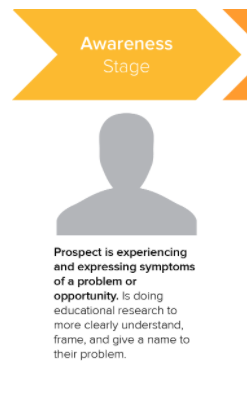
Attention: You can measure this by performing a survey and showing the sample an advertisement with all branded representations removed from eyesight. If they remember the unbranded advertisement, that means it’s unique and impressionable. Considering all the clutter in the digital space, grasping a consumer’s attention in the first place is critical.
Brand linkage: Once you know your unbranded ad sells, it’s time to focus on brand linkage. This piece of the puzzle helps you confirm that customers actually identify your brand when an ad pops up. To measure it, perform a survey and show consumers an unbranded advertisement. Ask them to link the ad with the brand, if possible.
If a buyer is unaware of your brand before a paid campaign, but manages to know who you are afterward s, you’ve done your job. There’s so much competition out there that consumers often ignore advertisements, even when they’re not obstructed by ad blockers. That’s not to mention a general distrust that accompanies brand unfamiliarity (which is exactly why referral marketing brings a 25% higher customer lifetime value than other forms of marketing). All that aside, paid media does work in the awareness stage; you just have to tweak your ads based on consumer feedback.
Bounce rates: This is relevant in every stage of the buyer’s journey, but we’ll start here. Bounce rates are a digital metric that determine the percentage of a user’s total sessions on a particular site, specifically when they leave (or “bounce”) after viewing one page. This could mean they clicked the “back” button, headed to a new URL or exited the page. High bounce rates are concerning if you’re looking to drive leads. But if you’re after awareness and that person returns, it could be a sign of brand lift.
Referral rates: Referral traffic is a digital metric that can help you figure out your paid campaign’s impact beyond first sight. You’ll use external links to get referrals in the first place.
2. Consideration Stage
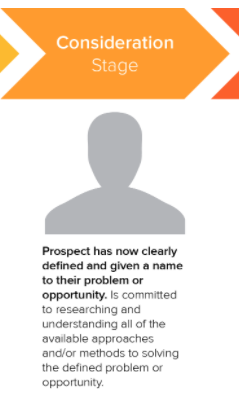
Message communication: Sure, the goal of your ad is ultimately to sell a product or service. But there’s probably some sort of deeper communication going on there, and you’ll want to ensure you’re communicating your message properly. Ask survey respondents what the main idea of the ad was, aside from purchase messaging. In addition, you can ask them how important, trustworthy and unique that idea is.
Brand attributes: Determine a surveyed group’s perceptions of your brand and what it stands for. See if it matches up with your brand’s primary attributes. Compare these responses with that of a control group who hasn’t been exposed to your campaign.
Engagement diagnostics: If your ad is performing well, why? If it’s failing, why? Aside from surveys, you can utilize digital behavioral data such as length of time viewed, likes, shares, comments, read or view completion rates, interaction rate and other engagement metrics.
Brand favorability: This aspect asks how surveyed consumers feel after experiencing the ad campaign. Are their feelings more favorable toward the brand? If the opposite happened and they’ve been turned off, you’ve got some fine-tuning to do on your paid media.
Keyword search volume: Are your branded or campaign-related keywords performing better since the ad took off? Why or why not? Organic traffic increase is a major sign that your brand is lifting off. Use digital data to figure this out. (Read on for more about using keyword tools to measure brand lift.)
Organic page traffic: Digital data can tell you how your landing pages are performing since the ad campaign began. Are views up? Are people spending time on your site? This is a good indicator that your consumer’s perceptions are moving in the right direction. (Read on for more about using landing pages to measure brand lift.)
3. Decision-Making Stage
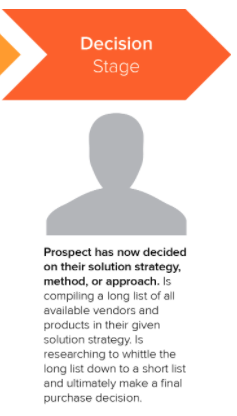
Conversion: If you’re tackling buyers deep in the sales funnel, conversions are a smart and straightforward digital metric you can use to determine brand lift. If they convert, the campaign worked. If they reversed, you may still have work to do.
Persuasion: Aside from pure conversions, knowing whether or not a consumer has been persuaded by your advertisement is a valid analysis. This survey-based measurement asks, “Are you more likely to purchase from this brand or use it more often?”
Returning vs new customers: How many of your customers are returning vs how many are new? This can tell you two things: 1) How effective your paid media campaigns are at recruiting new customers beyond the awareness stage and 2) How effective your paid media campaigns are at maintaining relationships with existing customers.
Google’s Brand Lift Studies for YouTube Campaigns
With a whopping two billion active monthly logged-in users, it’s no wonder analyzing YouTube marketing data is such a lucrative act. If you’re one of the many brands utilizing video campaigns through YouTube, you may just want to take a peek at this insightful service.
Think with Google performs studies that measure brand lift on YouTube videos using both surveys and search analytics. This service is specifically associated with YouTube video ad campaigns and attempts to show brands how their media affects brand metrics, not just video engagement.
Google Brand Lift works over the course of a few days to analyze metrics and perform studies.
Using surveys comprised of two groups — a random group who hasn’t been exposed to your ad, and a group that has been exposed to your ad — Google measures:
- Brand awareness: After seeing your video, do people become more familiar with your brand?
- Ad recall: Do they remember seeing your brand’s video at all?
- Consideration: How likely are people to purchase from your brand after seeing the ad?
- Favorability: Do people like your brand?
- Purchase intent: Would your brand come out on top when pitted against others?
Meanwhile, using organic search data from both Google and YouTube — again using a random group who hasn’t been exposed to your ad, and a group that has been exposed to your ad — they measure:
- How often they search for branded or campaign-related keywords
- Which keywords they search most
- Their searching behavior during and after ad exposure
Ultimately, Google’s goal for their Brand Lift service is to help businesses who invest in paid YouTube video campaigns to pivot and grow in real time, even when their ad is already in the jungle.
These Brand Lift studies help marketers measure the effects of their video campaigns, primarily focusing on consumer perception and behavior.
While the study itself is free to run through the YouTube platform, you do have to have a minimum campaign budget in order to be eligible. This helps Google deliver statistically significant metrics that have a meaningful effect on your marketing efforts.
For the Brand Lift study, you have two options:
- Brand Lift 1.0: This is only available via a Google representative. You receive the results when the study is complete, which typically only takes a few days. Campaign budget requirements are lower by a few thousand dollars, which makes this option better for smaller businesses or more nuanced campaigns.
- Brand Lift 2.0: You can launch this study right in your YouTube channel. View results as Google collects them, and make any necessary shifts or changes in your campaign on the fly. You can segment results more than Brand Lift 1.0, and you can analyze your content on a wider range of key performance indicators. Budget requirements are higher, which makes this option better for larger businesses or more robust campaigns.
Not all paid media comes from YouTube, so Google’s Brand Lift service is just a part of the advertisement picture. However, it does help us understand the core of brand lift, and where marketers should be looking when determining consumer perception and behavior.
Facebook Also Performs Brand Lift Tests
If you want to see how your Facebook ads affect brand perception, you may want to use the Facebook Brand Lift test.
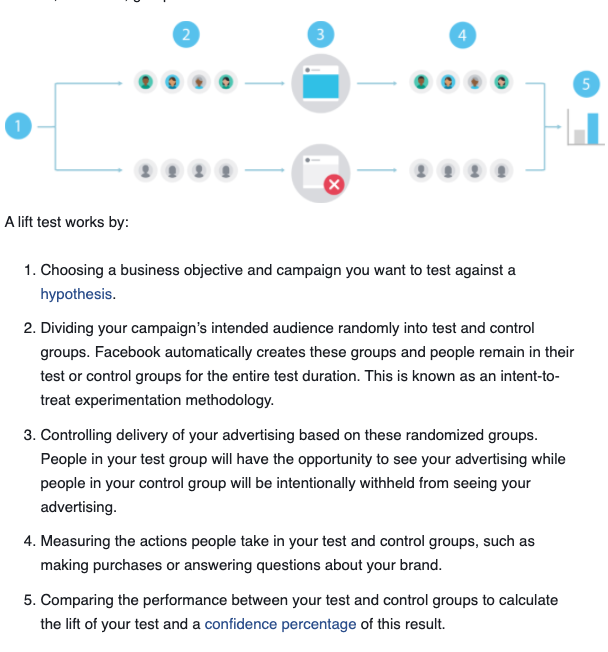
Similar to the Google Brand Lift studies, Facebook collects randomized groups (both test and control) to determine the performance of your Facebook ads. These studies exclude any marketing efforts you may have off of the social platform.
You choose your audience, and Facebook generates randomized groups within those demographics. They’ll conduct polls to measure ad recall, brand awareness and message association, to name a few.
To get your lift measurements, Facebook determines the difference in results between the test and control groups.
If you have a Facebook Account Representative, you can contact them to start your Brand Lift test. Otherwise, head to the platform’s Experiments tool and begin a brand survey test to accompany your existing advertising campaigns.
Use Keyword Tools To Measure Brand Lift
This should be obvious, but if your paid media isn’t boosting your brand’s relevance, it’s not doing its job. After all, ad campaigns don’t exist in a vacuum, and they’re not supposed to simply sit there and look pretty.
And since not all paid media exists on YouTube and Facebook, you may want to delve into keyword tools to help you measure brand lift, regardless of your campaign’s home.
When it comes to measuring brand lift, keyword tools are your friend. In this case, you’ll want to specifically look at keywords related to your brand and paid ads, as these keywords will inform you of a campaign’s effectiveness. In particular, you’ll want to know if a keyword’s search rate has increased since you launched your campaign.
Here are two primary tools you can use to get started on keyword analysis:
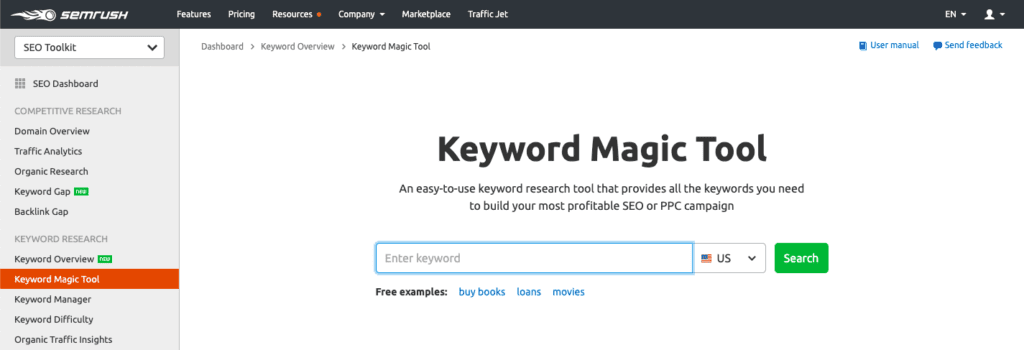
SEMRush: Use SEMRush to measure branded keyword search rates, inbound links and more. While the Keyword Magic tool helps you choose which keywords to use in the first place, the Keyword Overview tool is better suited for the purpose of measuring brand lift. Analyze keywords based on trends as well as organic and paid search.
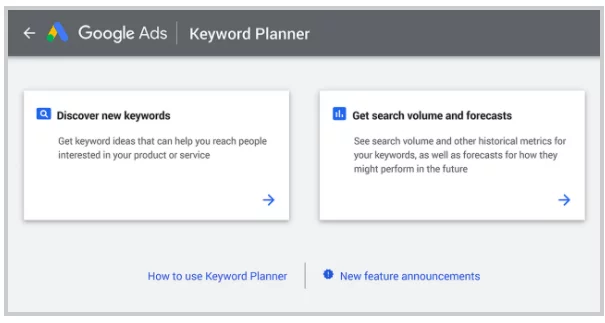
Google Keyword Planner: This free tool isn’t quite as inquisitive as a paid SEO platform, but it’s still valuable. For this purpose, you can use the Keyword Planner to mark the search rate of your branded keywords before, during and after a campaign begins. Note any differences between the historical monthly searches to determine your media’s effectiveness in regards to keyword search volume. You can also export these monthly searches and deliver concise charts to your marketing team.
Page Traffic Is a Primary Indicator of Brand Lift
One way to measure brand lift from paid media is analyzing organic page traffic, especially when that page is dedicated to your campaign.
Remember to dedicate a landing page for your campaigns. You can use an existing page that aligns with one of your core marketing objectives and serves as a destination for any CTAs you may include in your paid media. This makes it easier to see exactly how effective the advertisement is in boosting your clickthrough rates (CTR) and conversions.
CTR is a solid indicator of brand interest and all the other factors that accompany it, so it’s a crucial metric to keep in your pocket. If you have multiple campaigns going on simultaneously, you can use tracking parameters to figure out their contribution ratios. Making the most of a dedicated landing page is a simple way to accomplish this analysis.
More Google Insights to Focus On
It may seem like Google has an endless stream of features — and honestly, that may be true…
With so many insights to offer, marketers would be remiss to skip out on analytics regarding their paid media.
Google consumer insights tools include:
- Shopping Insights: Find the most popular products and brands within your niche.
- Find My Audience: This is a targeted approach that eclipses demographics.
- Google Surveys: What do people really think?
- Think With Google Search: Search the Think with Google platform for in-depth knowledge specifically tailored to your offering.
- Google Predictive Search: How are buyers searching, researching and ultimately making a decision?
This is hardly the extent of Google’s offerings, but these features are worth shedding light on. If you want to measure brand lift accurately and effectively develop ad campaigns, knowing which tools are available to you is key.
Measuring Brand Lift Helps You Dig Below the Surface of Paid Media
Ron Popeil’s Showtime Rotisserie Oven made “set it and forget it” a classic phrase. But while it may work for your chicken, it’s not something you should do for your paid media.
Measuring brand lift through inquisitive studies will help you move beyond the scope of content engagement itself. Following the right metrics will help you unearth a deeper story, one that determines the perception and behaviors of your brand’s consumers within the buyer’s journey — all as a result of your paid ad campaigns.
