

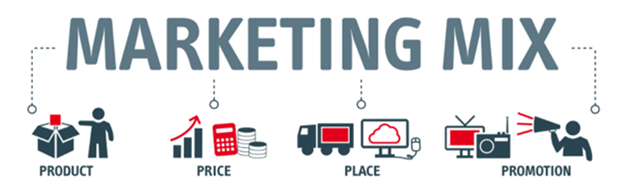
Most marketing strategies fail not because of a lack of effort, but because of a lack of alignment. If you have a world-class product but the wrong price, or a perfect price but no way for customers to find it, your growth will stall. That’s where the 4 P’s of Marketing (Product, Price, Place, and Promotion) come in. This classic framework forms the foundation of a strong marketing mix, helping businesses align their strategy for real results.
When each element works together, you’re better positioned to stay competitive and drive sustainable growth. In fact, with 45% of marketers focused on business growth, getting the marketing mix right is more important than ever.
In this article, Ashley Mushayabasa, Digital Marketing Coordinator, breaks down each component and shows you how to build a strategy that works.
What We’ll Cover:
- What are the 4 P’s of Marketing?
- Overview of the 4 P’s
- How They Work Together
- How to Use the 4 P’s in Your Marketing Strategy: Step-by-Step
- FAQs
What Is the Marketing Mix?
The term “Marketing Mix” was popularized in the 1960s by Neil Borden, but its core principle remains timeless: You must strike the right balance between what you sell and how you sell it.
When you align all four components, you do more than just sell; you create a cohesive customer experience that maximizes ROI and builds long-term loyalty.
Expert Opinion on the Four Ps of Marketing
Having seen the results of a cohesive marketing strategy, I’m a firm believer in the concept of the 4 P-based marketing mix and its crucial function in any company’s campaigns.
Even if you’re not offering a tangible product per se, the four Ps are still fundamental to marketing.
For instance, at Ignite, we were able to help position a quick-service restaurant franchise as an industry leader to attract franchisees through a full-funnel marketing strategy that aligned messaging, ad creative, and landing pages to optimize conversion rates, refined paid media targeting to reach the right prospects (Promotion), and demonstrated the value of franchising opportunities by appealing to Product and Price in the marketing mix.
The result was a 14% quarter-over-quarter increase in organic leads, 1,144 more leads across all channels, and a 15% decrease in cost per lead, forming a truly efficient strategy with the marketing mix as its foundation.
By incorporating the four Ps into your strategy, you’ll be well on your way to long-term growth as you capture the right audiences and promote your offerings in a way that not only attracts new customers but efficiently moves them to the bottom of the funnel.
The 4 P’s at a Glance
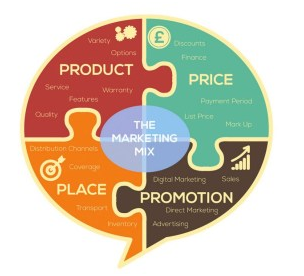
Here’s a quick breakdown on how the 4 P’s of marketing work:
| The P | Definition | Key Components | Questions to Ask |
| Product | The actual product or service a company offers to meet customer needs | Quality, features, packaging, design, branding, and variety |
|
| Price | The amount customers pay and the actual monetary value of the product | Premium vs. budget pricing, credit terms, discounts, list price |
|
| Place | Where and how you distribute and sell your product | Online ecommerce platforms, distribution channels, physical locations, inventory |
|
| Promotion | Communication methods used to build brand awareness and attract high-intent audiences | Paid ads, SEO, social media, PR, email marketing, and influencer partnerships |
|
A Deep Dive into the 4 P’s of Marketing
1. Product: Solving for the Customer
The product is the heart of the mix. It can be a tangible good, a digital service, or even an experience.
During the product stage, you have to identify your target audience, test the product and make sure it works, and decide where exactly it fits within the marketplace. Positioning is essential here, as you want to show how your product stands apart from competitors’ offerings with superior quality, features, and accessibility.
And prior to officially marketing your product, you’ll need to have a clear understanding of its unique value proposition. What differentiates your product to make it a worthwhile offering to your customers? Maybe you offer a specific feature or benefit that people won’t find elsewhere, or perhaps your product resolves a particular problem that competitors don’t even discuss.
This may seem intuitive since it’s obviously your product and you’ll likely know it like the back of your hand. But as products move through a product life cycle, it can be easy to overlook certain elements.
Here are a few questions you should ask yourself if you want to determine which product you want to market:
- Who is this product for?
- What pain points is it addressing for customers?
- What features are included in this product?
- What category does the product fall under?
- How does it stand out from similar products on the market?
Decisions regarding your product marketing rollout will depend on factors like:
- Design
- Brand name
- Product variety
- Packaging
- Quality
A few examples of products include:
- Lyft: A ridesharing platform that connects passengers looking for a ride with nearby drivers.
- Burger King: Multinational fast-food chain that specializes in flame-broiled hamburgers.
- Amazon: An online retailer and cloud services provider that sells electronics, books, software, apparel, furniture, and much more.
- Salesforce: A CRM and marketing automation platform that gives marketing, sales, and service departments a shared view of each customer.
- Old Navy: An apparel company that offers affordable clothing and accessories for men, women, and children.

2. Price: The Signal of Value
Price is more than a number. It’s a communication tool. Set it too low, and you may signal “cheap quality.” Set it too high without a clear benefit, and you lose the market.
For instance, if you’re in the craft beer industry, understanding a comprehensive beer cost breakdown can greatly aid in setting competitive prices that balance profitability and customer satisfaction.
When it comes to pricing, you’ll want to keep the following in mind:
- How much should your product cost?
- How are competitors pricing similar products?
- Which type of pricing structure makes the most sense for your organization?
- What are your cost-of-goods, overhead costs, and distribution fees?
- What discounts or promotions are you willing to run to market the product?
Keep in mind, this stage requires a ton of research. With the advent of the internet, people can easily browse online and find similar products or services at a variety of price points. That’s why it’s crucial to make sure the price is right for your customers. Otherwise, they’ll purchase from your competitors instead.
Remember that in general, less competition means you can price higher. In very crowded markets, you can expect customers to price shop, which means you’ll need to price your product accordingly to stay competitive.
There are a number of pricing models that businesses can choose from, including:
- Bundle: Combines several products into one package and sells for a lower price than if they were sold individually. For example, an SaaS company might offer multiple solutions in a more affordable software suite, whereas each software might cost more separately.
- Value: Appeals to the specific benefit that your product offers over competing solutions, demonstrating how your offering is worth the purchase, even at premium prices. Examples might include luxury brands that position their products as imbuing a higher social status or prestige, while a B2B company could demonstrate the business impact of their offerings through specialized features, increased efficiency, or boosted revenue.
- Subscription: Periodic payment made at regular intervals in order for customers or organizations to be able to access your product or service.
- Competitive: Takes competitor prices into account when creating your own pricing strategy. For instance, an ecommerce brand could list price comparisons of their products, showing how their deals fall below market prices.
- Economy: Based on the interaction between supply and demand.
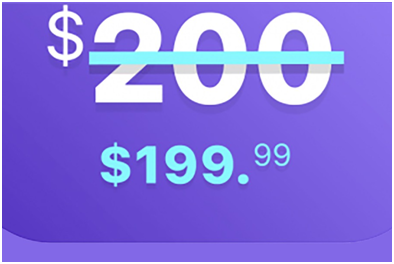
- Discount: Temporarily reduces the price of goods to increase customer traffic, clear old inventory, and boost sales. Ecommerce brands often use this strategy by showing the base price crossed off beside the new, lower price.
- Psychological: Sets prices in a way that psychologically and emotionally appeals more to consumers. One strategy here is called Charm Pricing, which involves listing prices as $9.99 or $9.95 instead of $10 to make the product appear cheaper than it is, as people would perceive the product as costing closer to $9 than $10.
3. Promotion: Connecting with High-Intent Audiences
This is the fun part! Now that you’ve got your bases covered, you can start actively marketing your product or service.
During the promotion phase, you have two main objectives: to inform potential buyers about your product and to persuade them to make a transaction.
Historically, promotion was limited to television and radio ads, billboards, and word of mouth. Now, marketers have more options than ever before. With the proliferation of social media and other digital marketing channels, there are numerous platforms that can be adopted across the B2B and B2C space.
But, with so many choices, it’s best not to blindly implement every strategy and just invest in the right marketing channels for your business.
It’s also a good idea to find out which promotional methods your competitors are using, the channels your target audience uses most often, and the projected ROI from each of these channels.
Generally, it’s in your best interest to use a blend of offline and online promotion to reach people at every touchpoint.
Some of the top strategies you can use for promotion include:
- Advertising: Typically paid, with little or no personalized messaging and distributed to mass media like television, radio, or newspapers.
- Personal Selling: Aims to create a personal connection between the customer and the brand.
- Public Relations: Increases product visibility and facilitates relationship-building with journalists, bloggers, influencers, and media outlets.
- Direct Marketing: Targets specific potential users via telemarketing and customized letters, postcards, and emails.
- Sales Promotion: Short-term offerings like contests, coupons, and seasonal discounts that seek to encourage a spike in sales.
- Digital Marketing Channels: Harnesses the power of cohesive digital marketing campaigns to connect with audiences online, using search engine optimization, paid media advertising, social media marketing, and email marketing strategies, among others.
4. Place: The Path of Least Resistance
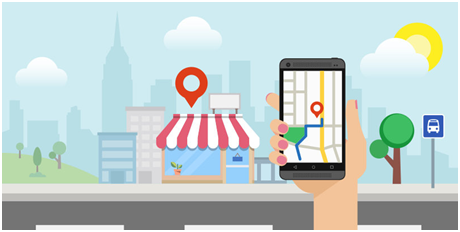
Whether you’re selling your product at a brick and mortar store or online, place refers to how you get your products and services in front of potential customers. Where will they be made available for sale?
Place is a vital component of the marketing mix because how people receive your product plays a major role in how it should be marketed.
If you’re running a local retail business, it will make more sense to direct sales at your location or through an online store. Or you can sell through a wholesaler or reseller as they may have a larger distribution network and customer base.
Mobile apps are also helping businesses process electronic transactions. Not only is it practical with more users using smartphones to shop, but apps are ideal for repeat business. It’s never been easier for companies to launch campaigns and deliver push notifications directly to customers.
Ultimately, an omnichannel approach often works best by getting your product out there on all relevant platforms, especially for ecommerce brands selling products on their website, on third-party platforms, and through shoppable social media posts, maximizing sales wherever possible.
A few things to remember when thinking about place include:
- Did you conduct any market research to see how your target audience shops?
- Where do consumers typically buy similar products from your competitors?
- Which channels provide the best experience for your consumers?
- Do you need dedicated sales reps to assist with selling your product?
- Is there an opportunity for customers to purchase your items through a new channel?
Also, keep in mind modern buying behavior, as people conduct more research into products and brands before buying, and they want more personalized shopping experiences that cater to their specific wants and needs.
Real-World Mastery: The Apple Example
Tech giant Apple is the gold standard of the 4P strategy.
- Product: Apple has clearly defined products, including its iPhone and iPad products, which emphasize sleekness, user-friendly intuitive designs, and cutting-edge technology. The products stand apart through unique design and operating systems, along with a conveniently connected Apple ecosystem, e.g., iCloud.
- Price: Apple’s prices may be some of the highest in the tech industry, but the company can get away with this because of the perceived quality people get with these products, with many loyal customers committed to purchasing Apple products over competitors’ offerings.
- Place: Apple has also mastered placement of its products, choosing to sell via proprietary retail stores, its own online platform, and authorized resellers that make the product accessible through trusted channels.
- Promotion: To promote its products, Apple positions itself as a premium brand through aspirational messaging, prioritizing its products’ creative applications, excellent user-friendliness, respect for security and privacy, and reliable, recognizable design. The company’s “Think Different” slogan is instantly memorable and continues to set the company apart.

How to Use the 4 P’s in Your Marketing Strategy: Step-by-Step
If your current strategy isn’t hitting its targets, use this checklist to find the leak:
Step 1: Define Your Product
Before you develop your marketing mix, you must define your product or service. Consider what kinds of problems your offerings resolve and what features might matter most to your audience.
How does your product fit into your industry and the overarching marketplace?
A well-defined product will guide the rest of your strategy.
Step 2: Set Your Pricing Strategy
The next step will entail determining how to price your product.
Remember, the price should reflect your product’s quality and what customers in your niche are willing to pay for it. You can use all types of pricing models to guide your strategy, from psychological to competitive approaches that help pin down the right price point.
Always look at competitors to see what similar products are going for, which can further help pinpoint the perfect pricing structure.
Pricing can then serve as a backbone to the promotion stage.
Step 3: Choose Distribution Channels
You can then figure out how and where to promote your offerings.
For example, you might offer products both online through ecommerce channels and in-store inventory. In doing so, you might be able to sell your products directly through social media channels or in a dedicated app.
You’ll want to ensure people can easily find and purchase your product to reduce friction and maximize accessibility.
Step 4: Build Your Promotion Strategy
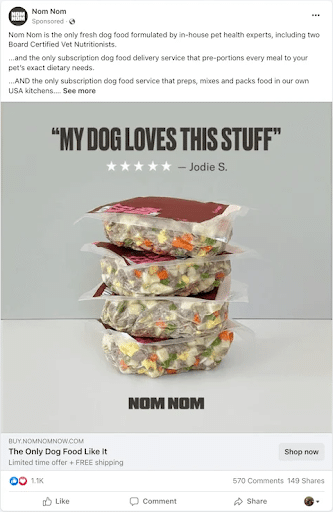
Finally, it’s time to promote your product via all relevant channels.
Choose the right messaging to guide promotion, speaking to particular pain points, benefits, and pricing options that will appeal to your customers.
You should also choose all relevant channels to extend your reach wherever your customers are, including a combination of online and offline channels, from direct mail and TV ads to paid PPC ads and social media advertising.
Additionally, use AI to help automate marketing processes and personalize content to speak more directly to target audiences.
Modern Marketing With the 4P Strategy
As you move your marketing strategy into the future, there are some considerations to inform your campaigns based on modern marketing practices.
One element to think about is the use of the 7 Ps in marketing, going beyond the 4 Ps of marketing. In a 7P strategy, which is especially good for service-based businesses delivering a complete solution, you’ll add the following three Ps:
- People: Refers to the people within your organization, including support staff, salespeople, and employees behind your offerings, putting a face to your brand and products or services.
- Process: The specific systems, procedures, and workflow that enable you to efficiently deliver your solutions to customers.
- Physical Evidence: More tangible components that help customers evaluate your offerings, from production facilities and office spaces to a well-designed and user-friendly website reflecting the quality of your products or services.
You also need to consider the effect of AI and digital experiences that shape both 4P and 7P strategies. For instance, AI marketing automation is making it easier to personalize digital marketing experiences to connect more directly with audiences and analyze the results of your campaigns for continual optimization.
FAQs
1. What are the 4 P’s of marketing?
The 4P strategy focuses on these key items: Product, Price, Placement, Promotion. Each P represents an approach to marketing, with all four feeding into each other to contribute to a holistic marketing strategy that drives high-intent traffic and sales.
2. What is the marketing mix?
The marketing mix refers to a foundational framework that consists of the four Ps of marketing. So, what are the four Ps of the marketing mix? Product, Price, Place, and Promotion. Each element informs marketing strategies at various stages and how to connect with audiences by promoting at the right time, place, and price.
3. Why are the 4 P’s important?
The four Ps of marketing are integral to marketing campaigns as they help develop a more cohesive solution that appeals to customers’ wants and needs while boosting profitability, making full use of all relevant marketing channels in the process.
4. How do you use the 4 P’s in marketing?
You can use each of these elements in your marketing by first analyzing the product and its value to customers, followed by determining the right price for the product, placing it on the right ecommerce platform or offline channel, and promoting the product to the right audience with appropriate messaging.
5. What is the difference between 4 P’s and 7 P’s?
While many marketing strategies rely on the four main Ps of marketing, some extend to seven, including People, Process, and Physical Evidence. The 7 Ps are ideal for service-based businesses that focus on the people behind the scenes, their process for developing and delivering solutions, and elements supporting intangible services, e.g., websites and facilities.
6. Are the 4 P’s still relevant today?
Yes, marketing strategies still benefit from the 4 P’s of marketing to develop effective marketing strategies that establish a strong connection with audiences and drive more sales, giving customers the information they need to make a sound buying decision and encouraging them to convert, all while positioning the promoting brand as an industry leader.
7. How do the 4 P’s apply to digital marketing?
With the help of digital marketing channels, brands can implement a 4P strategy that harnesses the power of data-driven, interactive, and personalized marketing solutions that effectively promote products through unique virtual experiences, dynamic pricing, and digital storefronts.
8. What is an example of the 4 P’s?
One example of a brand using this strategy is Apple, which positions its products as both high-end and innovative, uses premium pricing to emphasize quality over competing products, uses a combination of online platforms and Apple stores for placement, and continually promotes offerings through sleek advertising that sets its products apart.
Make Full Use of a 4P Strategy With Ignite Visibility
With a better understanding of the 4P strategy of digital marketing, you can fully equip your strategies to fuel long-term success. However, having experts with plenty of experience handling these campaigns can help you more effectively factor in product, price, place, and promotion with every strategy.
With Ignite Visibility’s assistance, you’ll have the chance to:
- Develop a comprehensive marketing strategy tailored to your goals
- Adapt to an ever-evolving marketing environment
- Effectively promote your brand and offerings to drive conversion
- Regularly measure your efforts to gauge progress
- Follow the four Ps of marketing at every stage
Check out our lifecycle marketing services to see how we can put into place the perfect full-scale marketing strategy for your business.

