

Email marketing is one of the most effective ways to drive engagement, leads, and revenue, but success isn’t always clear. Understanding what is a good open rate for email, how it’s measured, and the key factors behind it is essential to improving performance and benchmarking results.
In this blog, Joel Staniszewski, Lifecycle & Email Marketing Strategist, will break down what a good email open rate looks like today, how open rates are calculated, and the key strategies you can use to improve engagement across your email campaigns.
What You’ll Learn:
- What is an email open rate and how is it calculated
- What determines a good open rate percentage?
- 2026 Email Open Rate Benchmarks
- Key Factors That Influence Email Open Rates
- Tips to improve your email open rates
- Common Mistakes and Misleading Practices
- FAQs
The mass adoption of email makes email marketing a critical component of your overall marketing strategy. Here are a few statistics to put this into perspective:
- The average working professional receives 120 emails per day.
- Business communication is mainly email-based, resulting in 5 billion business emails being sent and received every day.
- Email is shown to be 40 times more effective at capturing new leads than social platforms like Facebook or Twitter.
- When compared to social media and direct mail marketing, email marketing has the highest conversion rate at 66 percent.
Looking at these numbers can be pretty intimidating, but don’t worry, we’re here to show you how to do email marketing the right way so your emails can stand out in even the most crowded inboxes.
What is the Average Email Open Rate?
Before we delve into some more data, we need to first define what an email open rate is and why it’s an important metric for your business.
An open rate is the rate of people who open an email after receiving it.
Email service providers typically calculate the open rate by taking the number of recipients who open your email and dividing it by the number of emails that were sent (and didn’t bounce).
For example, let’s say you send out 100 emails within a given time frame and 20 of them bounce. This leaves you with 80 delivered emails. If 10 people open these delivered emails, that means your open rate is 12.5 percent.
Put simply, your email open rate is one of the most vital performance metrics you can track.
With email campaigns being the most popular delivery method for B2B organizations worldwide,
My Expert Opinion on What Is a Good Open Rate for Email
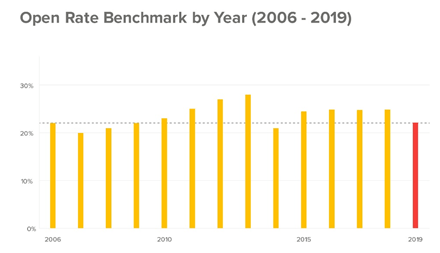
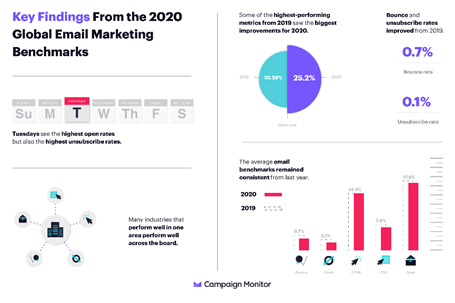
What is a good email open rate, exactly? The answer will depend largely on your industry average email open rate. According to Campaign Monitor, a generally good email open rate falls somewhere around 17-28%. One report on email open rate benchmarks found that the overall average email open rate across industries was 21.5%.
Typically, the industries that see higher standard email open rates are those pertaining to hobbies and essential services, such as government, education, and health and fitness, while retail and other less essential industries tend to see lower rates.
When looking to increase your email open rates, there are many steps you can take, including cleaning your email list, writing effective subject lines, and conducting A/B tests to see which version of your email gets the best results.
So, what is a good open rate for email marketing, and how can you increase your open rate? Let’s explore some industry standard email open rates and benchmarks to achieve with your email campaign.

What is a Good Email Open Rate?
The success of your email campaign hinges on your open rates. But, how can you determine what is a good open rate for email?
A good email open rate is typically consistent with the average open rate, which according to a sampling of 25 million emails, is currently 37 percent across 28 industries. However, depending on your target audience, a good open rate might fluctuate and fall below or climb above this average.
How Email Open Rates Are Measured and Why It Matters Today
Typically, pixels help track open rates. These are 1×1 px images that users cannot see in email bodies. When users open an email containing a pixel, the pixel loads and sends a signal to the email’s sender’s analytics platform, indicating that the recipient has opened the email.
While historically this measure has been a reliable means of measuring the average email campaign open rate, new privacy changes have made it harder to depend on pixels for tracking campaigns.
More specifically, Apple Mail has implemented a Mail Privacy Protection (MPP) measure that pre-loads image content within emails when they reach people’s inboxes. Because of this, pixels load within the email even if the user hasn’t opened it, falsely indicating to marketers that the email was opened.
Thankfully, there are other metrics that marketers can track to help overcome this challenge and supplement open rates, including:
- Click-through Rate (CTR): Keep track of the percentage of users who click a link in emails across your campaigns, usually through a call to action (CTA). You can measure this metric with this formula: (Number of Clicks / Number of Delivered Emails) x 100.
- Click-to-Open Rate (CTOR): This metric measures content engagement based on the percentage of users who click a link after opening an email; measure CTOR with the following formula: (Unique Clicks / Unique Opens) x 100.
- Additionally, you can verify email engagement by checking associated web traffic and attributed revenue from your campaigns. Many email service providers now allow you to view open and click rates both with and without MPP/bot activity, giving you a clearer picture of how real users are interacting with your emails.
2026 Email Open Rate Benchmarks
What is a good open rate for email marketing in each industry? Here are some industry average email open rates, according to sources like iPost, Hubspot, and Campaign Monitor:
| Industry | Average Email Campaign Open Rate |
| Retail | 15% to 20% |
| B2B Services | 39.48% |
| Nonprofit | 26.6% to 46.49% |
| SaaS | 20% to 30% |
| Advertising and Marketing | 20.5% |
| Education | 28.5% |
| Financial Services | 27.1% |
| Government and Politics | 19.4% |
| Healthcare | 20% to 25% |
| Professional Services | 19.3% |
Key Factors That Influence Email Open Rates
Now that you know more about what is a good open rate for emails, there are some factors to consider that can help you achieve your initial email open rate benchmarks.
These factors include:
Sender Name
The reputability and trustworthiness of the sender will largely dictate whether people open an email. Senders should build their brand name and use email addresses that don’t look fishy with a lot of characters or a suspicious domain.
Subject Line
The subject line is also crucial in boosting open rates, as this is the first item people see when encountering your emails.
Subject lines should be short and punchy, with a clear value proposition and, depending on the circumstances and the recipient, personalized with the recipient’s name or segment messaging.
You can run an A/B test for two iterations of a subject line, with a single element changed, whether it’s length, personalization, questions, urgency, emojis, product mentions, or other components.
Platforms like Mailchimp, MailerLite, and GMass (Gmail) can help you run A/B tests with all of your email content to see which versions do best.
Preheader
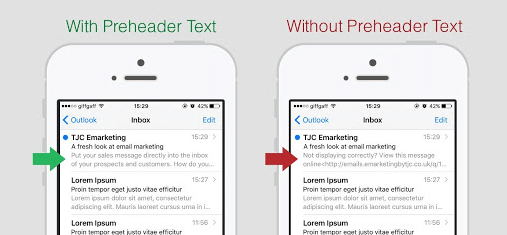
Preheaders function as little previews of email content that people can see before opening the email. Make sure your emails include this in the form of a couple of lines that can hint at what the email is about and encourage people to open it more effectively.
In your preheaders, you can also try out two different introductory phrases, content summaries, value propositions, or general messaging.
Segmentation
You should also incorporate audience segmentation into your email strategy to get even better results. Learn more about your audiences and break them up into groups with audience personas, which will inform your messaging and offers to speak more directly to each target audience.
There are multiple elements that can help with segmentation, such as:
- Demographics: These factors apply to the recipient’s age, occupation, income level, gender, and other characteristics that could influence your email’s messaging.
- Behavior: You might also segment audiences based on user behavior, such as pages they visited on your website and expressed interests.
- Purchase History: You might send emails to existing customers with personalized offers or updates based on the types of products or services they previously purchased.
For example, you might use a recipient’s name to personalize an email, with a subject line like “[Name], Unlock X% Off Your Next Purchase!”
Meanwhile, an email sent to a previous customer might sound something like “Thanks for Being a Loyal Customer, [Name]. Check Out These Other Great Deals!”
Timing
Nail the timing and frequency of your emails to reach the right people at the right time. Determining when your audience is most actively checking emails could help you establish a better connection. At the same time, you want to engage audiences consistently without annoying them with too many emails, sending an email around two to three times a week at most.
The timing and frequency will depend on your specific audience and what appeals to them. Try to schedule tests targeting various audiences and different time zones to see which schedule yields the highest open rates.
When it comes to frequency, specifically, things can get a little tricky. According to MailerLite, open rates decrease with increased frequency, with their report finding opens to be at their highest (35.11%) when businesses send emails less than once per month but at their second highest (33.48%) when sending one to three emails per month.
Around 89% of businesses send at least one email per month, and 52% send at least one every week.
Based on these stats, you can try sending emails around once per week with the right timing to maximize engagement, sending more or less frequently to experiment and adjusting accordingly.
Of course, your industry will influence send frequency, with B2B businesses sending emails around one to four times per month, while B2C verticals typically send around one to three emails a week.
List Quality
The overall quality of your email list is also essential, as you should ensure that your emails are only going to people who are actively interested in your brand and offers. Take time to clean up your list as needed, removing inactive subscribers and integrating an opt-in process with the right audiences.
Relevance
Your email content should be relevant and build a meaningful connection with audiences. Otherwise, irrelevant topics and emails will likely wind up overlooked and unopened in the long run. Relevance is why effective audience targeting is so critical when developing your email campaigns.
Automation
You can also harness the power of automated email marketing to get the best results from your strategy. Drip emails and automated personalization can help make sure your emails consistently resonate among recipients, with developments like AI and machine learning helping continually optimize your campaigns for better performance.
Email List Health and Hygiene Tactics
When it comes to how to improve email open rates, you need to identify how your email delivers value to your subscribers. What would prompt them to open the email, and what would make them consider taking action?
Here are a few suggestions:
1. Treat email subject lines like headlines
Crafting subject lines of your email follows a similar format as creating great headlines.
Much like a blog post headline, your email subject line is your first line of defense against being pushed into a spam folder and helps get your email open rates up where they should be. The best subject lines have a few characteristics:
- Keep it short and sweet: The fewer words you use, the easier it is to understand for your readers.
- Refrain from using all caps: It should go without saying that using all caps and exclamation points will only tarnish your credibility and make you appear desperate.
- Don’t be misleading: People do not want to be tricked or manipulated into opening your email. Therefore, your subject line should clearly communicate to your reader what to expect. If they know what to expect, they’ll be more likely to open the email and stay loyal to your brand.
2. Customize your message to the specific person you’re emailing
This involves plenty of research on your part. Whether you personalize your subject line with the recipient’s name or another pertinent piece of information, you want the subscriber to know that your email is relevant to them and can help address their pain points.
3. Adhere to length limits
A good rule of thumb to be aware of for subject line length is to limit it to 50 characters or less. While it’s technically possible to use more than 50, it’s encouraged to keep it to nearly half of that amount. This is because emails are read on a variety of different devices spanning desktop, mobile, and tablets. And many mobile email tools, in particular, tend to cut off subject lines at the 25-character mark.
4. Send emails from a person, not a business
Every message in your inbox is made up of three components—sender name, subject line, and message preview. Since there’s not a ton of real estate to work with, you need to make the most out of the limited space you do have.
To help foster a stronger connection with your subscribers, the “from” portion of your email should come from you, and not your company. HubSpot even conducted an A/B test experiment to see if “Hubspot” or “Maggie Georgieva, HubSpot” would receive a higher open rate. They discovered that emails coming from a person yield both a higher open rate and click-through rate.
5. Make the first sentence count
With most email software programs nowadays, you can see the first few words of the first sentence in your inbox. That means you have to be just as strategic in writing the first sentence as you are with writing the subject line of your email. Why? It turns out that many of your readers are going to skim through dozens of emails in their inboxes and use both the subject line and the first line to determine whether they should open it or not.
6. Cater your copy to the customer’s interests
Providing what’s best for your customers doesn’t just involve being a brand advocate for your company. A powerful way to promote your brand without coming off as too self-aggrandizing is by assuming a more objective tone. Speak less to the “what” products or services your audience needs and more to the “why” your audience needs those products or services.
7. Utilize email authentication
Unfortunately, scamming and hacking has made it easy for someone to claim they are you through email. To combat this trend, email providers like Gmail and Yahoo! have an authentication system in place to verify if the sender is who they say they are. Take advantage of these features to protect your subscribers from scam emails.
8. Segment your email list wisely
There are numerous ways to segment your list depending on the type of business you’re running. It may be laborious in the beginning but doing so will allow you to deliver content that’s much more tailored to your subscribers’ interests and of course, lead to better open rates. You can segment based on the industry of your subscribers, purchase history, previous interactions, and much more.
9. Routinely clean out your email list
When discussing improving email open rates, it’s based on the percentage of the number of emails that are opened divided by the number of emails sent. If you don’t regularly purge your email list of addresses that are no longer valid, are bouncing, or are fake, your list will likely have plenty of dead weight. Make sure to clean your email list often so that you can get more accurate open rates.
10. Review before sending out
There’s nothing more terrifying than sending out an email to hundreds of prospects only to realize later that it was full of embarrassing typos and grammatical errors. Making mistakes that are completely avoidable can reflect poorly on your business. So, to ensure you don’t have to run into this problem in the future, check and triple-check EVERY email you plan to send out.
11. Remove inactive subscribers
To boost your average email open rate, be sure to remove any inactive subscribers from your email list. If you notice that some recipients haven’t engaged in a long time, take the opportunity to clean up your list even further.
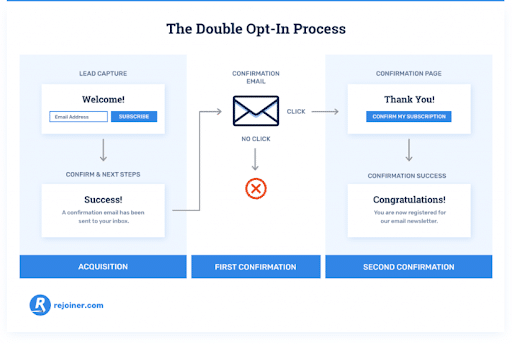
12. Implement double opt-in
You can also make sure recipients of your emails will be active by using a double opt-in process. This would involve having subscribers confirm their subscription with a verification email to complete the signup process.
13. Bounce handling
Monitor email bounce rates and take steps to address high bounce rates. Bounce rates could include soft bounces resulting from full inboxes or other temporary delivery issues, while hard bounces indicate permanent delivery failure due to an invalid address or a server block. Based on the bounce categorization, you can determine whether to retry sending an email or remove an inactive subscriber from your email list.
Common Mistakes and Misleading Practices
When figuring out what is the average open rate for email marketing and trying to reach your benchmarks, the following are some key mistakes to avoid as you build your strategy:
- Using Vague Subject Lines: Make sure your subject lines are specific and exciting to recipients; think about the 4 U’s rule to make your subject lines Urgent, Unique, Ultra-specific, and Useful, and keep them around 30 to 50 characters to prevent them from cutting off in mobile inboxes.
- Missing Authentication: Before sending any emails, authenticate your domain and ensure compliance with SPF, DMARC, and DKIM, while also monitoring your “credit score” within Gmail Postmaster Tools.
- Sending Emails to “Dead” Addresses: If you see a lot of hard bounces with emails, it’s time to clean your list and remove these addresses. Generally, it’s best to remove subscribers who haven’t engaged with your emails in around six to 12 months.
- Neglecting to Segment: Try to personalize your emails for each audience segment based on the kinds of messaging and offers that appeal most to them.
- Sending From Unrecognizable Names: Make it clear in your subject lines, “from” addresses, and preheaders who is behind the email, helping boost brand recognition and trust.
FAQs
1. What is an email open rate?
An email open rate is the rate at which email recipients actually open an email. High email open rates indicate that emails are connecting with people and encouraging them to engage with the email’s content, likely due to relevance and compelling subject lines.
2. What is a good open rate for email?
Generally, a good email open rate is around 15-25%, but this number will vary based on certain factors, including your specific industry and corresponding industry standard email open rates.
3. Why are my email open rates so low?
If you are struggling with low email open rates, there are multiple reasons that could be behind them, including poor list hygiene, spammy or uninteresting subject lines, lack of personalization, poor timing, and sending emails too frequently.
4. How do I increase my email open rates quickly?
There are plenty of quick ways you can boost your open rates, such as developing enticing subject lines, cleaning your email list to reach people who are more likely to engage, and mastering timing to ensure recipients see your emails.
5. Does subject line length really affect email open rates?
Yes, subject line length can impact open rates; your subject lines should be concise and strong, getting to the point with a compelling value proposition and, when appropriate, personalization.
Wrapping Up
Determining where and how to invest your marketing dollars is never an easy decision. As a marketer, you’re aware of the fact that you need to attract new prospects and keep your existing customers engaged, but you can’t afford to allocate time and resources into something that you’re not sure is going to deliver the results you want.
But luckily for you, a successful email marketing campaign offers a cost-effective solution, one in which you have the power to reach customers instantaneously via their inbox.
