

Email marketing remains a cornerstone of effective B2B communication in today’s ever-evolving digital landscape. With an ROI of $36 for every $1 spent, you can’t afford to overlook it.
In this blog, Joel Staniszewski, Lifecycle & Email Marketing Strategist, delves into the lesser-known tactics, techniques, and insights that will elevate your campaigns and help you create a lucrative email marketing strategy.
What You’ll Learn:
- What is an Email Marketing Strategy?
- Building and Growing Your Email List: Developing an Email Marketing Strategy
- Segmentation and Personalization in Email Marketing Strategies
- Crafting Compelling Email Content for Campaign Strategy
- Design & Deliverability: Email Marketing Strategy Template
- Analyzing Email Marketing Campaign Strategy Performance
- Winning Strategies for Email Marketing Success
- Pros & Cons of Email Marketing
- FAQs About Email Marketing Strategies
My Expert Opinion on Effective Email Marketing Strategies
Digital marketing is becoming increasingly diversified by the day, which means you need multiple touchpoints to reach your target audience. Email marketing is one of the most effective ways to communicate with them.
Developing an email marketing strategy will help you stay top of mind for your audience. The most effective strategies extend beyond simply sending emails. They are carefully crafted to connect with your audience, nurture relationships, and inform them of sales and other opportunities.
If you want to turn customers into raving fans, you need a strategy that excites, educates, and encourages them to engage with you and your content.
What is an Email Marketing Strategy?
Email marketing, at its core, is the strategic practice of using targeted email campaigns to engage, nurture, and convert prospects into customers, as well as foster long-term relationships with existing customers.
It goes beyond just sending mass emails. Email marketing involves:
- Carefully crafting messages tailored to specific audience segments
- Leveraging data-driven insights
- Continuously optimizing campaigns to drive engagement and conversion rates.
A successful email marketing strategy incorporates multiple elements, such as:
- List building: Growing a high-quality, permission-based list of subscribers genuinely interested in your content and offerings.
- Segmentation: Categorizing subscribers based on various factors, such as demographics, behaviors, or preferences, to deliver personalized content that resonates with them.
- Content creation: Crafting compelling and valuable email content that serves your subscribers’ needs and aligns with their interests.
- Design & deliverability: Ensuring your emails are visually appealing, responsive across devices, and reaching your subscribers’ inboxes without being flagged as spam. Explore the best email signature examples to enhance professionalism and brand consistency.
- Testing & optimization: Regularly monitoring key performance indicators (KPIs) and conducting A/B testing to refine and improve your email campaigns for better results.
- Automation & triggered emails: Streamlining processes and enhancing the customer journey through automated email sequences and triggered messages based on specific actions or events.
By implementing these elements into your email marketing strategy, you can build trust, cultivate loyalty, and ultimately drive business growth.
Building and Growing Your Email List: Developing an Email Marketing Strategy
Once you’ve established why you want an email list and who you want to email, you have to get them on your list! Here are some ways to build an email list that will make your brand a true influencer in your industry.
Organic Growth with Email Marketing Campaign Strategies
Growing your email list organically focuses on attracting subscribers who genuinely want to hear from you. This will often result in higher engagement rates and better ROI.
Start by optimizing your website with strategically placed sign-up forms. Consider exit-intent popups, sidebar widgets, and embedded forms within your highest-performing content.
Don’t underestimate the power of social media in driving list growth. Share snippets of your email content to demonstrate value, host contests requiring email sign-ups, or create exclusive communities accessible only to subscribers. Remember to leverage your existing subscriber base by implementing referral programs that reward both the referrer and the new subscriber.
Organic growth takes time but creates a foundation of engaged subscribers who are genuinely interested in your offerings.
Lead Magnets for Email Marketing Success
A lead magnet is like a little gift you give people in exchange for their email address, and it’s one of the most effective ways to grow your list.
It’s a win-win: they get something valuable, and you get a new subscriber. Just make sure your lead magnet is irresistible and relevant to your audience.
Here are some lead magnet ideas:
- Ebooks or guides: Share your expertise and help your audience solve a problem with a handy ebook or guide.
- Checklists or templates: Save your subscribers some time and effort with a ready-made checklist or template they can use.
- Webinars or video courses: Offer exclusive access to a webinar or video course packed with valuable insights and tips.
- Discounts or free trials: Give new subscribers a sweet deal, like a discount on their first purchase or a free trial of your service.
- Email-exclusive content: Promise subscribers they’ll get exclusive content or insider tips that they won’t find anywhere else.

Opt-In Forms that Strengthen Your Email Marketing Strategy
Now that you’ve got an awesome lead magnet, you need to make it easy for people to sign up.
Enter opt-in forms! These are the sign-up boxes where future subscribers can enter their email addresses and hit “subscribe.”
Ensure your opt-in forms are eye-catching and easy to find on your website, blog, and social media profiles. Here are some tips for designing killer opt-in forms:
- Keep it simple: Don’t overwhelm your potential subscribers with too many fields. Just ask for their email address and, if necessary, their name.
- Be clear and concise: Tell people exactly what they’ll get when they sign up. Mention your lead magnet and other perks they can expect.
- Add a strong call-to-action (CTA): Use action-oriented language that encourages people to sign up, like “Get Your Free Ebook” or “Join the VIP List.”
- Make it visually appealing: Your opt-in form should be easy on the eyes and match your brand’s look and feel.
- Test and optimize: Experiment with unique headlines, CTAs, and form placements to see what works best for your audience.
With strong lead magnets and easy-to-use opt-in forms, you’ll be well on your way to growing an email list with engaged subscribers.
Segmentation and Personalization in Email Marketing Strategies
Marketers used to just send out the same email message to their entire list. Now, we know that the more effective email marketing strategies hinge on delivering relevant content to the right people at the right time.
This is where segmentation and personalization play a crucial role. Working this into your email marketing campaign strategy can transform generic broadcasts into targeted conversations that drive engagement and conversions.
Let’s talk about some of the most common types of segmentation.
Behavioral Segmentation in Email Marketing Campaign Strategy
This type of segmentation sends emails based on how subscribers interact with your brand. By segmenting your list according to website browsing patterns, purchase history, and email engagement, you can effectively reach each customer at their stage in the customer journey.
You can also implement triggers for abandoned carts, product views, or content consumption to deliver email content that matches their current interests. For example, a subscriber who repeatedly views your pricing page warrants different messaging than someone who only reads your educational content.
Demographic Segmentation in Email Marketing Campaign Strategy
With demographic segmentation, you target people based on factors such as their location, age, level of education, or professional role.
The more you email your customers, the more you’ll learn about them. The more you know, the better you can gradually build comprehensive buyer profiles to ensure you’re targeting them with the right messaging.
For example, you wouldn’t send an email about a sale on mittens and parkas to someone who lives in Key West, Florida. But you would send that email to someone who is shopping in Fargo, North Dakota.
Engagement-based Segmentation
This type of segmentation is based on how each subscriber interacts with your email content. Your email marketing campaign strategy will look different for someone who reads every single one of your emails than someone who only opens the occasional sale email.
Here are some effective types of engagement-based segmentation emails:
- Reengagement campaigns for dormant subscribers
- New reward programs for loyal readers
- Abandon cart emails for website browsers
- Survey emails for recent purchasers
The more you monitor open rates, click patterns, and frequency preferences, the better you can refine your approach and send content to the people who are most likely to read it.
You don’t have to stick to just one type of segmentation. The most effective email marketing strategies combine these segmentation approaches into a cohesive framework.
When properly implemented, personalization extends far beyond inserting a subscriber’s name. It creates experiences that feel custom-designed for each recipient. When your customers feel like you really see and understand them, it will improve both short-term metrics and long-term customer lifetime value.
Crafting Compelling Email Content for Campaign Strategy
Once you know who you want to send emails to, it’s time to craft your content.
Each campaign has its own purpose, so you’ll want to make sure you’re using the correct one to send messages to your audience at the optimal time in their customer journey.
No matter what type of campaign you decide to send, there are a few key things to make sure you include:
- Exciting and curiosity-driven subject lines: An inbox is a busy place. If you want people to notice your content, you have to give them a reason to focus on it.
- Embrace storytelling in your content: Don’t just highlight a sale or fill your email with industry jargon. Share authentic, value-driven content that builds an emotional connection between you and your reader.
- Deliver value-driven content: Give your readers a reason to open your email time after time. Fill each email with valuable content that resonates with your audience and leaves them excited to open your next communication.
Keeping those best practices in mind, here are some email marketing strategy examples that you can use to craft compelling email copy that gets read:
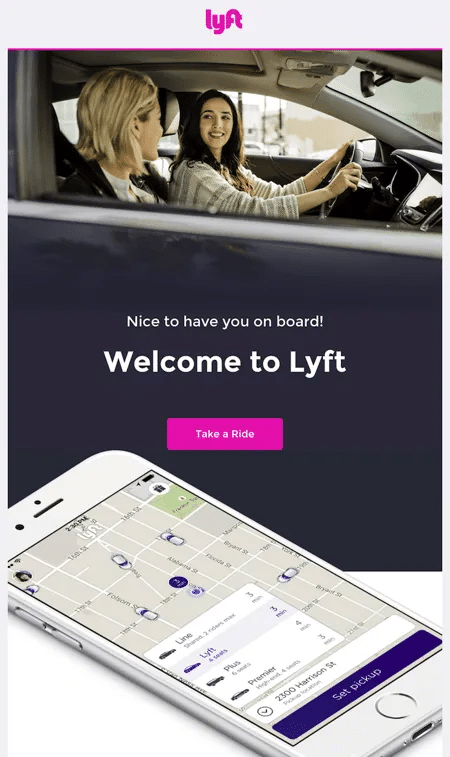
Welcome Series
Roll out the red carpet for your new subscribers with a welcome series. Introduce your brand, share what they can expect from your emails, and maybe even throw in a special offer. Keep it warm, friendly, and inviting.
Promotional Campaign
Promotional campaigns should be your go-to when you’ve got a sale, product launch, or special event. Highlight the benefits and features of your offer, create urgency, and use persuasive CTAs. Keep the focus on the offer and make it irresistible.
Seasonal Campaign
Tap into holidays, special occasions, or seasonal trends with a timely campaign. Align your message with the season’s spirit, and show your subscribers how your offer fits into their festive plans.

Action-Triggered
Send personalized emails based on your subscribers’ specific actions, like signing up for a webinar or browsing a product page. Acknowledge their action, provide relevant information, and guide them to the next step. Make it tailored and helpful.
Post-Purchase
Keep the conversation going after a customer makes a purchase. Thank them, provide order details, and offer helpful resources or product recommendations. Show appreciation and offer added value.

Newsletter Content that Fuels Your Overall Inbound Strategy
Share valuable content, updates, or news in a regular newsletter with your subscribers. Curate a mix of informative, educational, and entertaining content that aligns with your audience’s interests. Keep it engaging and useful.
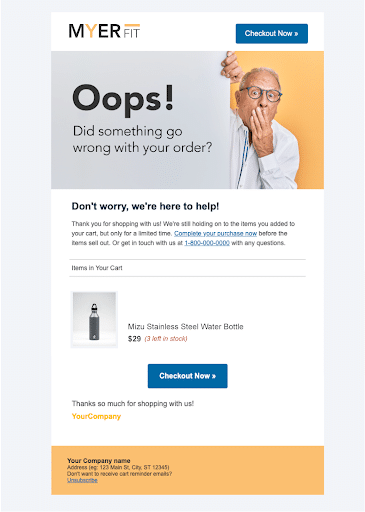
Abandoned Cart
Abandoned cart emails remind subscribers of items they left in their shopping cart with a gentle nudge. Highlight the product’s benefits, offer assistance, and consider adding an incentive to encourage them to complete the purchase. Make it persuasive and supportive.
Reengagement
Win back inactive subscribers with a reengagement campaign. Show them what they’ve been missing, offer an irresistible incentive, and ask for feedback on their preferences. Make it personal and enticing.
With these different types of email campaigns, you can create an email marketing strategy that keeps your subscribers excited and engaged. Experiment, learn, and have fun with it!
Design & Deliverability: Email Marketing Strategy Template
The most compelling email content is worthless if it’s never seen. That’s why you also need to focus on balancing design with deliverability.
Email Design Best Practices for Effective Campaigns
Just like with website development, mobile optimization isn’t optional. It’s essential. With 50-60% of email opens occurring on mobile devices, your campaigns must shine on small screens. Increase mobile optimization by:
- Embrace single-column layouts
- Larger fonts: minimum 14px for body text
- Touch-friendly buttons: at least 44×44 pixels
- Streamlining content for quick consumption
Most email platforms offer responsive designs, but always be sure to test your draft before sending it. You’ll want to ensure that all your tables, images, and breakpoints rearrange properly on smaller screens.
Email Deliverability
You also need to focus on avoiding that pesky spam filter! Here are some ways to ensure your email gets delivered to the inbox:
- Maintain a healthy sender reputation by regularly cleaning your list of bounces and unengaged subscribers.
- Avoid excessive punctuation and trigger words in subject lines, such as “free” or “guaranteed”
- Balance text-to-image ratios
- Include proper authentication protocols, such as SPF, DKIM, and DMARC
- Provide plain text alternatives for every campaign
- Ensure links work properly
- Keep HTML code clean
- Test load times
- Optimize image sizes
Building engagement gradually with new subscribers will also help email providers understand that you are actually sending valuable content, not just spamming people.
When deliverability issues arise, analyze bounce reports thoroughly to identify and address specific problems rather than making blind adjustments.
Testing & Optimization
You can’t develop a lucrative email marketing strategy overnight. It requires a ton of testing and relentless optimization.
Here are some things to do as you work on developing an email marketing strategy that will work for your brand:
A/B testing
A/B testing gives you the data you need to make necessary improvements. Begin by testing high-impact elements, such as subject lines, preheader text, and call-to-action buttons.
Be sure to test only one variable at a time, or you could risk creating flawed data. As you analyze your findings, move beyond open rates to measure how variations affect downstream metrics, such as conversions and revenue.
Multivariate Testing
Take experimentation one step further with multivariate testing. While more complex to implement, this approach reveals interaction effects between variables, like how a particular subject line performs with different send times or how various images pair with different headlines. Most enterprise email platforms now offer multivariate testing tools that simplify implementation and analysis.
Track KPIs
Always track numbers that matter beyond surface metrics. While open and click rates provide immediate feedback, conversion rates, revenue per email, and subscriber lifetime value offer deeper insights into campaign effectiveness. Segment performance analysis by subscriber cohorts to identify which audience segments respond best to specific approaches.
Continuous Optimization
Continuous optimization requires a formal process. Follow these steps to generate valuable data you can use to optimize your email marketing campaigns:
- Document all test results in a central knowledge base accessible to the entire marketing team.
- Develop a prioritized roadmap of elements to test based on potential impact.
- Create a feedback loop where insights from each campaign inform strategy for subsequent emails.
- Continually update your email marketing strategy template with the new information you’ve uncovered about your audience and industry.
The most effective email marketing strategies treat every send as an opportunity to learn something valuable about their audience.
Analyzing Email Marketing Campaign Strategy Performance
Speaking of KPIs, you shouldn’t just analyze your data when you’re testing. You should always measure the results of every email you send. Tracking your progress is crucial for understanding what’s working, what’s not, and how to improve your campaigns.
Here’s our guide to measuring your email marketing success:
- Monitor your KPIs: Don’t forget those Key Performance Indicators (KPIs) we discussed! Keep a close eye on metrics like open rate, click-through rate, conversion rate, bounce rate, and unsubscribe rate to gauge your campaign performance. Track these KPIs over time to identify trends and areas for improvement.
- Segment analysis: Break down your data by subscriber segments to see how different groups respond to your campaigns. This can reveal insights into which types of content resonate with specific segments and help you tailor your strategy accordingly.
- Email heatmaps: Use heatmaps to visualize how subscribers interact with your emails. This can help you identify which parts of your email design and content attract the most attention and engagement. Use this information to optimize the layout and structure of your emails.
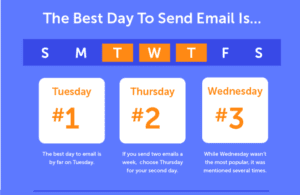
- Time and day analysis: Dive into the data to find the best times and days to send your emails. Look for patterns that show when your subscribers are most likely to open and engage with your content and schedule your campaigns accordingly.
- Attribution modeling: Go beyond basic conversion tracking by using attribution modeling to understand the true impact of your email marketing efforts. This can help you see how email marketing contributes to your overall marketing and sales goals and identify the most effective campaigns and touchpoints.
- Test and optimize: Get creative with A/B testing to experiment with different subject lines, headlines, CTAs, and content to see what works best for your audience. Use the insights from your tests to optimize future campaigns, and don’t be afraid to think outside the box to uncover breakthrough strategies.
- Subscriber scoring: Implement a scoring system to rank your subscribers based on their engagement and activity. This can help you identify your most valuable subscribers, and those who might need a little extra attention to reengage.
- Analyze campaign data: Dive deep into the data for each email campaign. Look for trends, patterns, or anomalies to give you insights into what resonates with your audience and what might need tweaking.
- Gather feedback: Encourage subscribers to share their thoughts and opinions on your emails. Feedback can help you refine your content, design, and overall strategy to meet your audience’s needs and preferences better.
- Competitive analysis: Keep an eye on your competitors’ email marketing strategies to see what they’re doing well and what you might be able to do better. Use this information to inspire new ideas and stay ahead of the curve.
Most importantly: embrace the learning process, celebrate your wins, and work toward your goals.
Winning Strategies for Email Marketing Success
Now that you’ve got the basics of email marketing down, it’s time to dive into some best practices to make your campaigns even more effective. Here’s a list of practical tips to help you create engaging, and compliant email marketing campaigns:
Choose the Right ESP
Your Email Service Provider (ESP) is the backbone of your email marketing efforts, so it’s crucial to pick one that fits your needs. Consider factors like pricing, features, ease of use, and scalability when deciding.
According to a Litmus study, the top ESP are Mailchimp, Salesforce Marketing Cloud, and HubSpot. But do your research and compare options to find the perfect match for your business.
Nail the Essentials
Every email you send should include critical components that work together to capture your subscribers’ attention and drive action:
- Engaging copy: Keep your copy concise, clear, and focused on the benefits your subscribers will receive. One study found emails written at a third-grade reading level had a 36% higher response rate than those written at a college level.
- Eye-catching images: Including relevant and visually appealing images can increase engagement. Campaign Monitor found that adding images to email content can boost click-through rates by 42%.
- Clear call-to-action (CTA): Your CTA should be prominent, compelling, and easy to find. Use action words and create a sense of urgency to make your CTAs more effective.
- Compelling subject line: Your subject line is the first thing subscribers see, so make it count. Using personalization and numbers can help improve open rates substantially.
Get Personal
Personalizing your emails helps you connect with your audience on a deeper level. Use your subscribers’ names, preferences, and behavior data to create tailored content and offers that feel like they were made just for them.
Segment Your List
Segmenting your email list allows you to send targeted content that speaks directly to your subscribers’ unique needs and preferences. Mailchimp’s research shows that segmented campaigns have a 14.31% higher open rate and a 100.95% higher click-through rate than non-segmented campaigns.
Break your email list into smaller groups based on factors like interests, demographics, or purchase history to maximize engagement.
Time It Right
Sending emails at the right time can make a big difference in your open and click-through rates. Experiment with different days and times to find the sweet spot that gets your emails the attention they deserve.
With your email list growing and several campaign types under your belt, it’s time to plan your email schedule.
Create a Schedule
Crafting a schedule helps you stay consistent, manage your content, and keep your subscribers engaged without overwhelming them. Here’s how to create a balanced one:
- Set a frequency: Start by deciding how often you’ll send emails to your subscribers. Weekly? Bi-weekly? Monthly? Find a sweet spot that works for both you and your audience. Remember: consistency is key.
- Plan your content: List the different types of emails you want to send, like newsletters, promotions, and seasonal campaigns. Then, outline the content for each email to ensure you’re providing value and variety.
- Create a calendar: Use a calendar or project management tool to map out your email schedule. A calendar will help you visualize your plan, avoid overlapping campaigns, and ensure you’re sending the right mix of content.
- Be flexible: While having a schedule is helpful, staying adaptable is also important. Be prepared to make changes based on your audience’s feedback, performance data, or new opportunities that arise.
- Automate when possible: Take advantage of email marketing tools to schedule and automate campaigns in advance. This will save you time and ensure your emails are sent at the right moments.
Create (and stick to) a schedule so your subscribers’ inboxes will have a consistent and engaging presence. It’ll make your life easier, too.
Embrace Automation
Use your ESP’s automation features to save time and deliver relevant, timely content to your subscribers. Set up automated campaigns like welcome series, abandoned cart reminders, or re-engagement emails to keep the conversation going without lifting a finger.
Test, Test, Test
A/B testing is your best friend when it comes to optimizing your email campaigns.
Test different subject lines, headlines, CTAs, and content to see what resonates most with your audience. Then, use the insights you gain to refine your strategy.
Stay CAN-SPAM Compliant
Ensure your emails comply with the CAN-SPAM Act by including a clear and easy way for subscribers to unsubscribe, using accurate sender information, and avoiding deceptive subject lines.
Compliance not only keeps you out of trouble, but it also builds trust with your subscribers. The FTC’s guide provides a detailed overview of the CAN-SPAM Act rules.
Keep GDPR in Mind
If you have subscribers in the European Union, you’ll need to comply with the General Data Protection Regulation (GDPR).
This includes obtaining explicit consent to send marketing emails, allowing subscribers to access and modify their data, and being transparent about how you use it. HubSpot’s GDPR guide offers a comprehensive checklist to help you stay GDPR compliant.
Pros & Cons of Email Marketing
Like any marketing channel, it has advantages and disadvantages. Let’s explore the pros and cons of finishing out this email marketing guide:
Pros
- High ROI: Email marketing offers an impressive return on investment (ROI). Every $1 spent on email marketing yields an average ROI of $36, making it an incredibly cost-effective marketing channel.
- Direct communication: Email marketing allows you to communicate directly with your audience, fostering a more personal connection. 83% of consumers prefer email as their primary channel for receiving brand communications.
- Measurable results: With email marketing, you can easily track key performance indicators (KPIs) like open rates, click-through rates, and conversions. This data-driven approach helps you refine your campaigns and optimize your strategy. Campaign Monitor provides benchmark data that can help you gauge your email marketing performance.
- Targeted messaging: Email marketing allows you to segment your audience and send tailored content based on subscribers’ preferences, demographics, and behavior. As mentioned earlier, Mailchimp’s research shows that segmented campaigns can significantly improve open and click-through rates.
- Automation: Email marketing platforms offer automation features that streamline campaign management and enhance customer engagement.
Cons
- Spam concerns: Email marketers must navigate spam filters and ensure their emails comply with regulations like CAN-SPAM and GDPR. Statista data reveals that spam accounted for 28.5% of global email traffic in 2022, highlighting how vigilant ESPs are in keeping spam out of their customers’ inboxes.
- Limited attention span: With the sheer volume of emails people receive daily, it can be challenging to stand out in crowded inboxes.
- Competition: Email marketing is a popular channel, which means you’re competing with countless other businesses for your subscribers’ attention. Staying up-to-date with industry trends and best practices is essential to maintain a competitive edge.
- Deliverability issues: Ensuring your emails reach subscribers’ inboxes can be challenging due to sender reputation, email content, and list hygiene. A 2021 Validity report found the average global inbox placement rate was 83%, meaning 17% of emails did not reach their intended recipients.
But don’t let those drawbacks discourage you. Keep refining your approach, stay informed about the latest trends, and continually optimize your campaigns for the best possible.
FAQs About Email Marketing Strategies
1. What are the best practices for email list building for 2026?
Lead magnets with genuine value remain essential for list building in 2026. Implement exit-intent popups, content upgrades, and SMS-to-email signups. Share social proof and community-building approaches, prioritizing quality over quantity. Implementing progressive profiling to gather data gradually without overwhelming new subscribers will also help you build a valuable email list.
2. How can I improve my email open rates?
Improving your email open rates is all about testing and personalization! Always be sure to test things like subject lines and preview text, and personalize your content using behavioral data, not just first names. Optimize send times based on individual engagement patterns, not audience-wide averages. Don’t forget to clean your list regularly, removing unengaged subscribers.
3. How do I measure the success of my email campaigns?
Measure the success of your email campaigns by looking beyond open and click rates to conversion tracking, revenue attribution, and list health metrics. Consider the long-term impact when evaluating fast, one-time successes. Sustainable success should focus on the long-term, not the immediate.
4. How can email marketing fuel your overall inbound strategy?
Email connects all aspects of your inbound marketing by nurturing leads generated through content and social media marketing. It guides your audience through your funnel by delivering targeted content based on their specific journey stage. It also amplifies other channels by promoting new content, webinars, and events while providing valuable behavioral data that refines your overall targeting approach.
5. What is the most effective email marketing campaign strategy?
The most effective email strategy combines behavioral triggers with personalized content delivered through automated journeys. Focus on solving specific customer problems rather than promoting products. Implement multi-touch campaigns that nurture relationships over time. Segment audiences by both explicit preferences and implicit behavior patterns. Balance promotional content with genuine value to maintain engagement.
6. How to spy your competitors’ email marketing strategy?
You don’t have to spy. You can simply subscribe to their lists! Track their sending frequency, content themes, and promotional patterns. Tools like MailCharts and Owletter help monitor competitor campaigns systematically. Analyze their subject line strategies and segmentation approaches by signing up through different entry points. Study their automated sequences by triggering different behavioral flows on their websites.
Develop a Winning Email Marketing Strategy with Ignite Visibility
Whether you’re looking to define your target audience, establish goals, build your email list, choose the right campaign types, or analyze your results, Ignite Visibility can help you unlock the full potential of email marketing.
Thousands of ecommerce, franchises, and multi-location businesses have trusted our experts to help them reach their audiences where they are.
Ignite Visibility can help you:
Develop an effective email marketing strategy
Craft engaging and educational content
Embrace the changing email marketing landscape
And more!
Are you ready to boost your open rates and keep your unsubscribe rates low?
Get started on your email marketing journey with Ignite Visibility today!

