

Interactive marketing isn’t about telling people why they need your product or service.
It’s about driving active engagement over passive consumption, and often uses individual preferences or behavior to inform campaign content and delivery.
While it may sound vague, interactive marketing is more about capturing your audiences’ attention so that they’ll be more inclined to take action.
What You’ll Learn:
- The benefits of interactive marketing
- Interactive marketing best practices
- Examples of interactive marketing
What is Interactive Marketing?
Interactive marketing is a broad term that refers to how users are presented with content, based on behaviors and preferences.

The strategy is designed to encourage active user engagement through a wide range of interactive content types. Examples might include anything from quizzes, games, and videos to assessments and calculators that serve up personal insights.
Regardless of medium, interactive marketing is personalized to the individual, eye-catching, and provides a unique or valuable experience.
What Are the Benefits of Interactive Marketing?
Interactive marketing comes with several advantages compared to more static campaigns.
For one, it gives marketers the ability to respond to users based on their actions–which can form the basis of a more effective nurturing campaign.
It’s also a great way to gauge interest in a product or service because engaging with the content is an active choice.
Ultimately, interactive marketing is a useful tool for boosting conversions, improving satisfaction, and capturing individual information that can be used to inform more effective automated nurture sequences.
Best Practices for Interactive Marketing
There are a few general best practices that you need to know to put together an effective interactive marketing campaign.
Here’s a quick overview of what this type of marketing strategy should accomplish:
Two-Way Interaction. Interactive marketing, by definition, is a two-way street. Campaign content should be designed around active participation. In other words, give users something to do.
Whether you’re running a poll, promoting a personalized report, or creating interactive influencer marketing campaigns, your audience needs to play an active role, otherwise, the whole thing falls apart.
Relevance is Key. Interactive content needs to resonate on a personal level with your target audience.
While not every campaign operates on a 1:1 basis, it does need to align with specific segments and where they’re at in the buying process. In this regard, interactive content follows the same rules as PPC ads, landing pages, and lead magnets–the content needs to match the context.
This means that whatever prizes, games, questions, or insights used in your interactive campaigns must connect to an offer and a landing page that reflect the same message.
Personalization. Personalization has quickly gone from being a “nice to have” to a requirement for engaging with customers. Interactive marketing allows you to learn more about customer preferences and pain points, allowing you to uncover new ways to provide value.
Segmentation. Building on my last point, interactive tools like calculators, assessments, and quizzes allow you to capture more specific insights into your audience’s needs.
Provide an Incentive. What’s in it for your user? While you can certainly drive engagement with an entertaining game or quiz, if you want to capture more shares, referrals, or contact details, you’ll want to provide a compelling reason for your audience to act.
One of the most notable examples of incentivizing interactive content is presenting an opportunity to learn more.
So, for example, if a user interacts with an assessment in one of your blog posts, you might present a summary of results, then ask them to provide more information about themselves to “get the full report.”
Other incentives might include an opportunity to get early access to a new product/feature, a personalized financial report, a valuable, download, or a chance to win.
Set the Stage for Sharing. One of the main benefits of creating interactive content is that it inherently drives participation, and thereby encourages audiences to share. It’s also worth noting that in many cases, creating interactive assets can be a significant investment.

By creating something viral, you’ll stretch your marketing dollars much farther than relying on paid channels to spread the word.
Encourage people to share by using an embed code that enables users to share interactive graphics on social media channels easily. And, of course, spend some time creating a clickable headline and an enticing CTA that compels people to pass your stuff on to their networks.
Make Sure Your Interactive Content Aligns with Big-Picture Marketing Objectives. Engagement is great, but you’ll need a strategic plan in place if you want to make the most of your campaign.
- Start by looking for potential triggers that might activate an interactive marketing event.
- Dig into your behavioral analytics, social engagement metrics, conduct polls or surveys–here the goal is to look for critical touchpoints for moving buyers along in their journey.
- Make a list of marketing events for each potential trigger and define a goal for each item. For example, if a customer performs X action, what do you want to happen? Are you capturing new leads? Nurturing long-term subscribers? Raising brand awareness? Driving conversions?
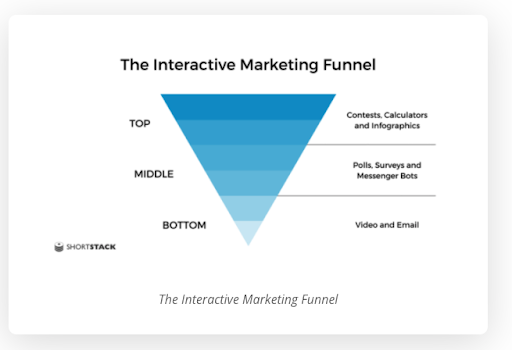
- Once you’ve settled on a goal, you’ll then want to consider what type of content makes sense based on your relationship with this audience. Here’s an infographic from Shortstack that provides a basic overview of how interactive content fits into the marketing funnel:
Get Any Required Tools in Place. While you can create interactive marketing content on social media sites like Facebook, Twitter, and Instagram, your options are pretty much limited to polls, user-generated content, and live streams.
If you’re looking to create something a bit different, here’s a list of tools you can use to capture your audience’s attention in new ways:
- Typeform. Typeform allows users to build interactive forms that capture customer feedback and contact details, and can be used to build surveys, quizzes, and a conversational marketing feature that’s currently in beta. The platform syncs with tools like Google Sheets, MailChimp, Slack, Salesforce, and others, allowing you to connect campaign insights to sales and marketing activities.
- SurveyMonkey. SurveyMonkey may be best known for surveys, but they also provide tools for conducting audience research, lead capture forms, applications, and idea validation. Altogether, they offer a set of tools that help you understand your audience and predict what products/service/content will be most successful.
- Ceros. Ceros is a platform that specializes in making static content interactive using a simple drag-and-drop editor. While Ceros may be an investment, it allows users to create engaging emails, social content, and improve on existing assets using a range of interactive animations, visualizations, and more to draw users in.
- MapMe. A tool for making interactive 3D maps based on your audience’s interests. You can create custom map markers, design layouts, and add rich content to enhance the experience. The tool also provides built-in analytics that track your map data, so that you can track engagement and traffic.
- LeadQuizzes. LeadQuizzes is a survey and quiz-building platform that also provides content promotion tools that make it easy to promote quizzes in email campaigns, PPC, ads, or on your website.
- ContentTools. ContentTools offers a range of interactive content tools including calculators, data visualizations, maps, quizzes, and contests.
- SnapApp. A lead gen tool that allows you to embed qualifying questions blog content, web pages, and more, SnapApp is designed to help you uncover buyer intent.
Measure Your Efforts. Like any campaign strategy, you’ll need to monitor performance to find out whether your efforts are working.
Pay close attention to mismatch, here. For example, if a piece of content is getting a lot of action, but isn’t delivering qualified leads or generating sales, you may need to make a few adjustments.
Interactive Marketing Examples
As mentioned, interactive marketing spans a wide range of formats. Some of the more common examples include:
- Interactive quizzes
- UGC
- Maps
- Polls
- Surveys
- Interactive e-books
- Augmented reality filters/overlays
- 360 videos
- Games
- Assessments
- Tools/calculators
For a bit more context, I’ve compiled some examples of how brands are using interactive marketing to capture customers’ attention.
Voice
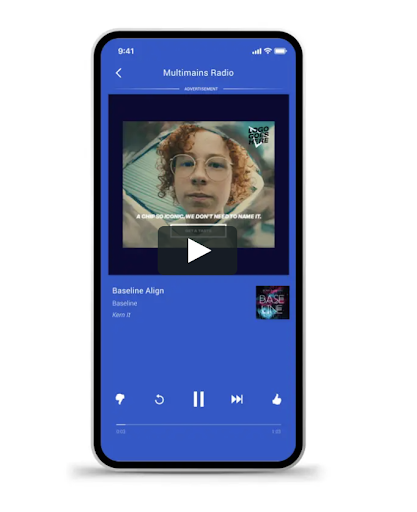
Doritos used the Pandora for Brands ad program to create an ad using the streaming platform’s native voice assistant.
The ad features audio of a Doritos chip crunch–then asks users to answer a yes or no question and delivers a personalized experience using AI.
Quizzes & Surveys
Buzzfeed is the king of online quizzes, generating a near-endless supply of super-specific, shareable quizzes that drive a ton of participation.
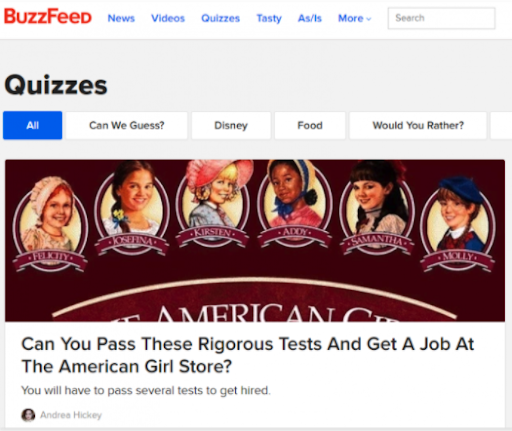
These types of light-hearted quizzes are great for driving engagement, awareness, and social shares–however, you might also want to consider using an interactive quiz to capture leads or collect information from your audience.
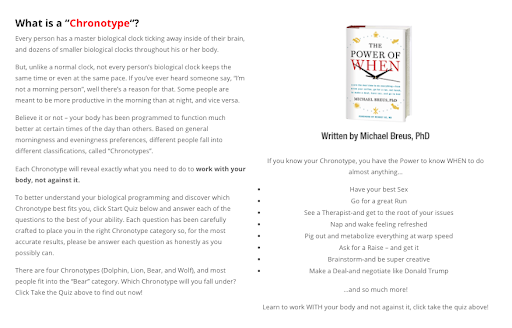
Great examples of this include the Dr. Michael Breus’ Sleep Chronotype assessment or the Myers-Briggs Personality Test. Both examples present an opportunity for people to learn more about themselves, which speaks to basic human nature.
Here’s the Sleep Chronotype quiz, which delivers results to your inbox, promising to provide insights into how you can optimize your time based on whether you’re an early bird, a night owl or something in-between.
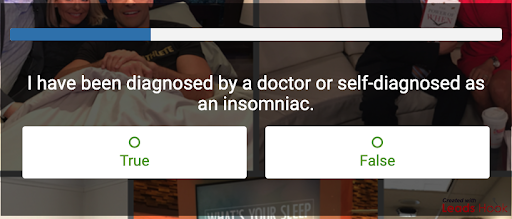
From there, you’re entered into a campaign promoting a book that dives deeper into how sleep impacts your life.
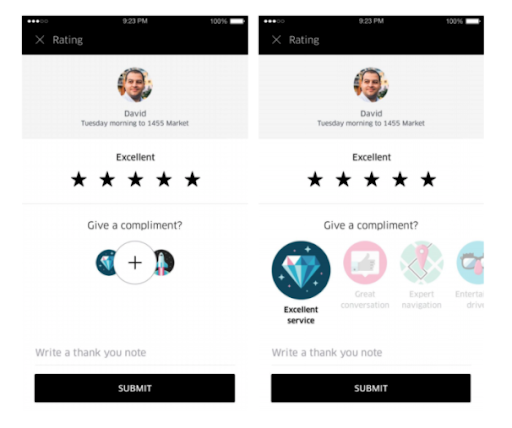
Here, we have an example from Uber, which relies on rider feedback to maintain a safe and effective service.
While the company understands that it’s not reasonable to expect riders to share feedback every time they use the service, they created a form that makes it easy to leave a “star” review post-ride, with the option to “leave a compliment” by choosing from a series of options.
By making it easy for customers to share what they enjoyed about the experience, Uber gets more information about why customers gave a specific rating.
Articles
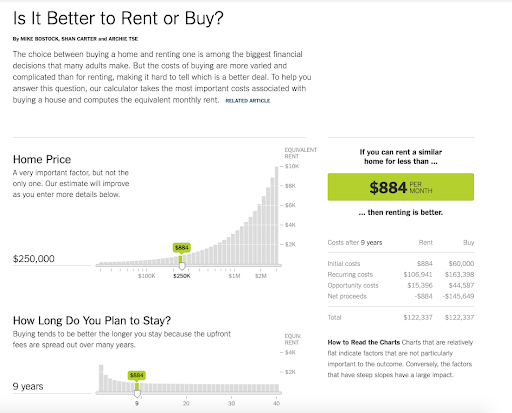
While this is an older example, the New York Times’ 2014 “Is it Better to Rent or Buy” is a great example of how to combine informational content with a tool that makes things personal.
Another more recent example is the NYT’s Coronavirus in the US Map, which keeps track of new cases and updates, while at the same time, allows readers to drill down into the pandemic stats for where they live.

While these examples might not be as “fun” as the American Girl quiz featured above, interactive graphics–whether part of a larger story or a standalone piece of content–are a great way to communicate information that may be hard to digest.
Instagram Stories Polling
Instagram Stories polls give brands an easy way to ask audiences simple questions to gauge interest in products or services or get a pulse on a specific issue.
This example promotes two different beauty products by asking users whether they’re after “glow” or “hydration.” Here, the benefits are two-fold.
The brand receives insight into what products customers prefer, while customers can swipe up for a personalized shopping experience.
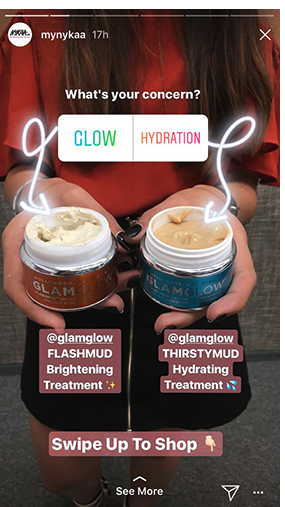
You can also use Stories polls to add an interactive component to your live streams and share results in real-time. By allowing your audience to see how others vote, there’s another.
Augmented Reality
Augmented reality (AR) filters have long been a staple of Snapchat, but they’re increasingly becoming a helpful resource that brands can use to guide consumers.
For example, StubHub created a 3D stadium map for Super Bowl ticket buyers to help them navigate through the stadium, as well as find public transportation or locate their car.

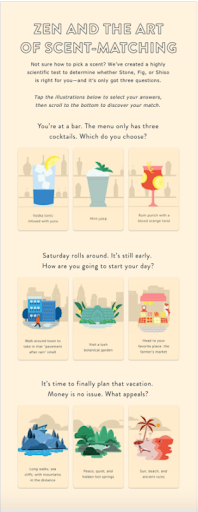
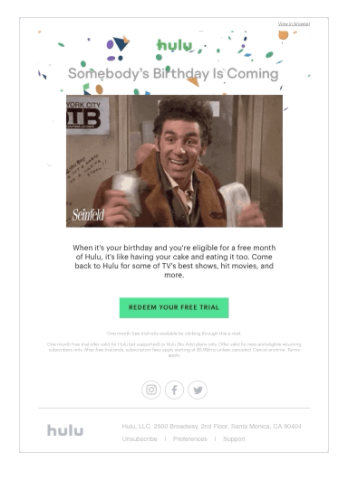
Interactive Marketing can be used in the inbox, too. Quizzes, polls, and even a simple GIF can help generate more interest than your average email.
In this example from Harry’s, the brand uses an interactive quiz that matches subscribers to their perfect scent.
Here’s another example from EmailMonks, which uses a simple game to capture users’ attention.

And one from Hulu, which uses a Seinfeld GIF to offer a free month of Hulu when it’s the recipient’s birthday:
Wrapping Up
I personally really love interactive marketing and have run a wide range of campaigns from Facebook apps and photo contests to quizzes, games, and scavenger hunts.
While the strategy has been around for a while, changing customer expectations and evolving technologies present new challenges and opportunities.
The bottom line is, if you can really nail it on personalization and a well-executed follow-up strategy, you’re bound to get some great results.
