

Almost $940 billion. That’s the projected total output for U.S. franchises for the upcoming year. While franchising is booming, if you want to maintain your competitive edge, you can’t simply buy in. You have to stand out. You have to know which sectors are driving this surge and understand the operational shifts fueling the growth.
In this blog post, Content Strategist, Elizabeth Seigle, will explore the emerging trends to watch and reveal how leveraging this data can fuel your franchise growth in 2026 and beyond.
What You’ll Learn:
- What Industries Are Most Likely to Franchise in 2026?
- Franchise Development Trends in 2026
- Franchise Sales Trends in 2026
- The Future of Franchising: Franchise Marketing Trends in 2026
My Expert Insight into Franchise Trends
While the last two years were defined by economic cooling and cautious decision-making, 2026 marks a pivot toward steady, calculated expansion. The “wait-and-see” approach is dissolving as inflation stabilizes, giving way to a renewed focus on operational efficiency through AI and consolidation.
The data supports this optimism. The International Franchise Association (IFA) projects franchise economic output will exceed $920 billion in 2026, a 1.6% increase from the previous year. Not only will the output surge, but the industry is expected to add nearly 12,000 new establishments, bringing the total to over 850,000 units employing nearly 8.9 million people.
Looking forward, growth isn’t uniform. The Southwest and Southeast are emerging as dominant hubs for expansion, driven by favorable regulatory climates and population shifts. Sector-wise, Child Services and Commercial/Residential Services are forecasted to outpace the market with 3.2% growth, while improving interest rates are fueling a resurgence in private equity activity and multi-unit consolidation.
Knowing these sector-specific trajectories and preparing for the continued integration of AI into daily operations will be the defining factor in developing franchises aiming to capture market share in the coming year.
What Industries Are Most Likely to Franchise in 2026?
According to Entrepreneur, many of the year’s trending industries will include food and beverage, along with others that appeal to people looking for affordable offerings and franchise opportunities.
The next big franchise concept will need to meet specific criteria:
- The ability to adapt and scale through technology
- A resistance to inflation due to low overhead
- An alignment with value-driven consumer spending
So, what industries are most likely to franchise in the coming year? Let’s take a look at the top industries and brands defining 2026, as well as some new franchise concepts.
Note: These categories are not listed in any particular order.
1. Beverages
Many popular and growing franchise brands fall under the beverage industry. Companies like Dunkin’, Tropical Smoothie Cafe, and Smoothie King are dominating this market as they see continued franchise growth.

2. Chicken
Many chicken franchise opportunities are seeing success today. Top brands in this industry include Popeyes Louisiana Chicken, KFC, and Wingstop, which continue to expand across the U.S.
3. Childcare
With dual-income households being the norm, premium childcare remains a high-priority expense. The sector is evolving to go beyond supervision. High-paying parents are seeking “edutainment” and STEM-focused curricula for early development.
The Learning Experience Academy of Early Education, The Goddard School, Code Ninjas, and Kiddie Academy are among the most popular childcare franchises.
4. Children’s Fitness
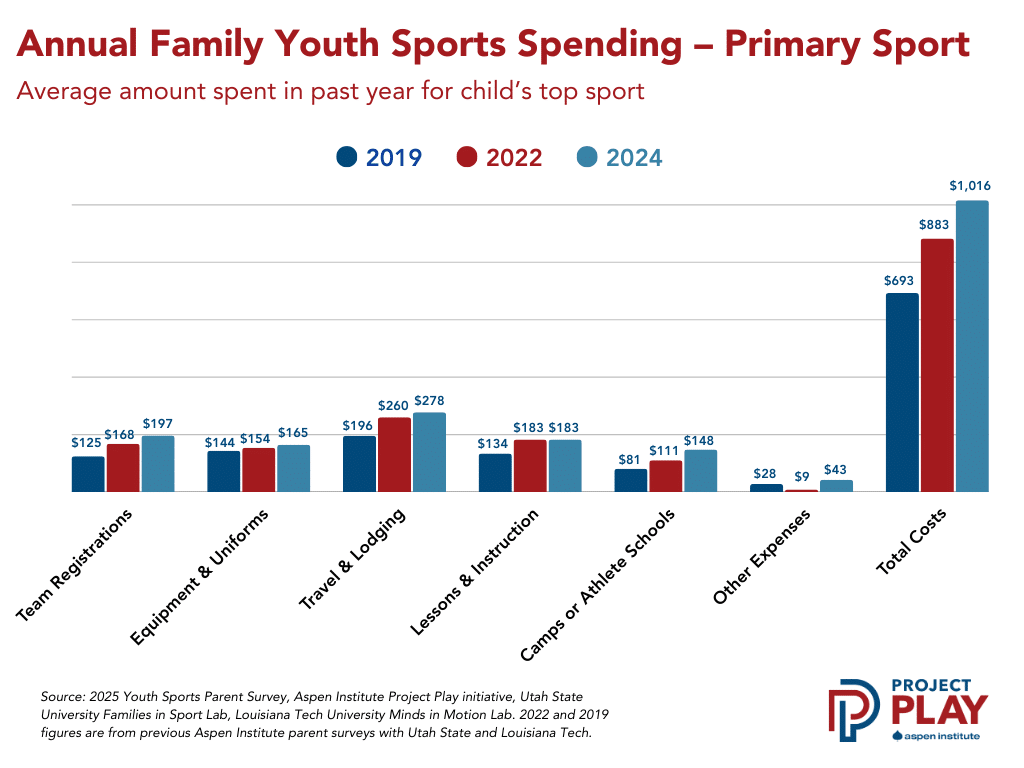
Youth sports and fitness is another rapidly growing industry. Parents aren’t shy to shell out big bucks for their children’s activities. Although this can include typical recreational programs, it also extends into children’s fitness franchises, such as Goldfish Swim School, Aqua-Tots Swim Schools, Skyhawks, and SuperTots Sports Academy.
5. Desserts
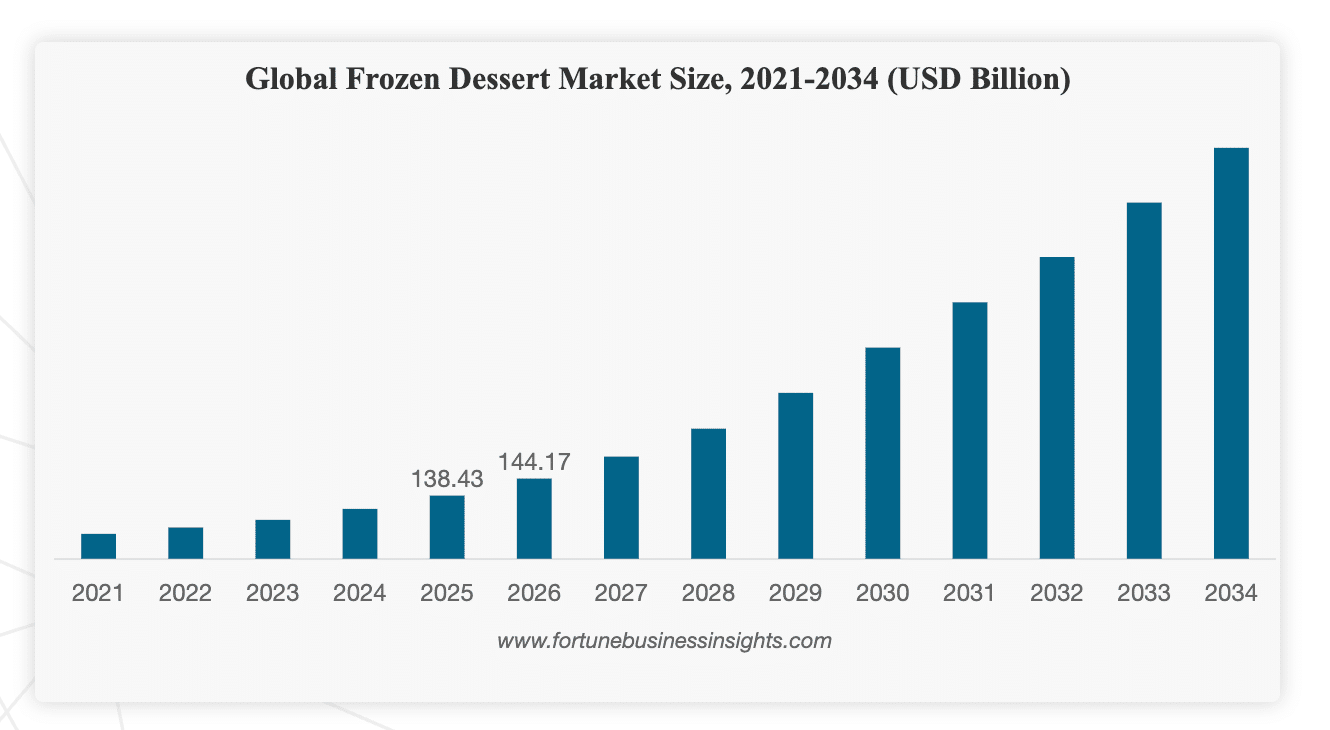
Getting into the food industry, dessert brands are also excelling in 2026. The frozen dessert market specifically was valued at over $138 billion in 2025.
Some leading brands here include Culver’s (for their frozen custard), Kona Ice, Cold Stone Creamery, and Baskin-Robbins.
6. Home Improvement
As more people seek remodeling and complete DIY home improvement projects, franchises in this industry will also continue to develop. Top-performing home improvement brands include Ace Hardware, Budget Blinds, and Kitchen Tune-Up.

7. Mental Health Services & Holistic Wellness
As the stigma around mental healthcare dissolves, franchising is stepping in to make access easier. This trend has expanded beyond therapy to include “neuro-wellness” and boutique clinics offering stress management, neurofeedback, and sensory deprivation. It is one of the fastest-growing segments in the service industry.
Some topic franchises include Ellie Mental Health, the New Mom School, and Nora Mental Health Clinics.
8. Autism Services
More awareness about autism spectrum disorder (ASD) is leading to innovations in therapy and treatment services. Given this franchise data analysis, it should come as no surprise that families with children in need of autism services spent over $20,000 in healthcare costs in 2025, over the average $2,000 for children without autism.
This type of therapy is a rapidly growing business in the world of new franchise concepts. As such, you can expect to see growth among brands like Autism Care Therapy, Changing the Spectrum, RCG Behavioral Health, and Success on the Spectrum.
9. Pets
The pet economy is virtually recession-proof. Recent data shows Americans spent $860 million on pet Halloween costumes alone, signaling that spending on pet care is non-negotiable for many households. The demand for doggy daycare, premium boarding, and training is at an all-time high.
The winning brands here include Pet Supplies Plus, Dogtopia, Dog Training Elite, and Scenthound.
10. Restoration Services
Following natural disasters or other forms of wear and tear, many home and business owners seek restoration services from brands like Servpro, PuroClean, and Paul Davis Restoration.

11. Senior Care and “Aging in Place” Franchises
With more than 70 million Americans aged 65 or older, the Silver Tsunami has arrived. This demographic shift is driving a massive growth in home healthcare franchises that allow seniors to age comfortably in their own homes rather than institutions.
Some of the biggest brands include Senior Helpers, Home Instead, and Boost Home Healthcare.

12. Longevity & Recovery Services
In 2026, more people are focusing on building lifestyle longevity that will keep their bodies functioning younger for longer. This sector is seeing massive annual unit growth, driven by demand for recovery services like cryotherapy, infrared saunas, IV drip therapy, and assisted stretching.
Some top franchises include Restore Hyper Wellness, iCRYO, and StretchLab.
13. Health and Wellness
That doesn’t mean traditional health and wellness franchises are on the outs, though. With global market share expected to reach over $203 billion by 2030, investing in health and wellness gyms and franchises could be a smart move.

14. Plant-Based and Lab-Grown Foods
As more and more people adopt plant-based diets and the food industry looks to appeal to these customers’ palates, one of the hottest franchise trends will involve lab-grown meats or more vegan options.
For instance, many restaurants offer plant-based meat substitutes, such as Impossible Burgers. The desire to become more overall conscious consumers, including a greater focus on sustainability, is also making this one of the biggest trends in the franchise industry.
15. Eco-Friendly & Sustainable Brands
Sustainability doesn’t stop with food. More and more consumers are leaning into sustainable brands all around.
Whether it’s water-saving car washes or organic cleaning services, franchises that offer green solutions are capturing consumers who vote with their wallets. This includes the continued rise of plant-based food concepts and “green” home maintenance.
Some top franchises include Oxi Fresh Carpet Cleaning (low water usage) and Filta Environmental Kitchen Solutions.
16. Mobile & Digital-First Franchises
High real estate costs are pushing entrepreneurs toward mobile franchises. These logic-defying models require no storefront, have lower overhead, and offer services directly to the consumer’s driveway. From mobile pet grooming to on-demand vehicle repair, this sector is booming due to its convenience.
Top mobile and digital-first franchises include Zoomin Groomin, Snap-on Tools, and Screenmobile.
Franchise Development Trends in 2026
To thrive in 2026, franchises must move beyond basic survival strategies and focus on agility. While economic factors such as supply chain costs and tariffs remain relevant, the real winners in the coming year will be brands that leverage technology to create leaner, more flexible operations while deepening their connections to local communities.
Here are the critical development trends defining successful franchises in 2026:

Based on these, here are some top franchise trends to watch for in 2026:
Flexibility in Franchise Models (The Hybrid Approach)
The rigid, one-size-fits-all brick-and-mortar model is evolving. To attract a wider pool of franchisees and lower barriers to entry, successful brands are offering flexible formats, including:
- Home-Based & Mobile Options: Service brands are stripping away real estate costs entirely, offering “storefront-less” models that operate via vans or home offices.
- Hub-and-Spoke: Food concepts are utilizing ghost kitchens (spokes) to support a central flagship location (hub), expanding delivery reach without the high rent of a full dining room.
Sustainability & ESG Practices
Environmental, Social, and Governance (ESG) criteria are now being used as recruitment tools. Younger franchisee demographics (Millennials and Gen Z) prioritize buying into brands with a conscience.
Franchises that implement zero-waste packaging, energy-efficient equipment mandates, or ethical sourcing make themselves more attractive to investors and customers alike.
Community-Driven Brand Building
Hyper-local engagement is the ultimate moat against competitors. Franchises are shifting marketing budgets from national generic ads to community-specific activism: sponsoring local little leagues, hosting charity drives, and acting as a “neighbor” rather than a corporation.
AI & Automation: From Novelty to Necessity
Artificial Intelligence is making an impact in every aspect of our daily lives, and modern franchising is no different. Franchises are using AI for things like:
- Predictive Inventory: AI tools now analyze local weather and events to predict inventory needs for specific franchise locations, reducing waste.
- Automated Recruitment: Franchisors are using AI-driven chatbots to pre-screen potential franchisee leads 24/7, ensuring that sales teams speak only to qualified candidates.
AI Data Analysis

The Mobile-First Customer Experience
If a franchise doesn’t live on a customer’s phone, it doesn’t exist. The expectation for 2026 is a seamless, branded mobile app that handles everything from loyalty rewards to appointment booking.
While brands like Domino’s have long been cited as a “tech company that sells pizza,” fitness brands like OrangeTheory are catching up by using apps to book classes, track heart rate data, and gamify the workout experience, significantly increasing member retention.
Cybersecurity as Brand Protection
With decentralized networks of franchisees, security is a major vulnerability. A breach at one location can damage the brand’s reputation.
In 2026, expect to see a massive push for standardized cybersecurity protocols across all units, including mandatory 2-factor authentication (2FA) and encrypted data storage for customer information.
Tool Spotlight: The Tech Stack
Franchisors are moving away from disjointed systems to all-in-one platforms, such as:
- FranConnect: Widely used for managing the entire lifecycle from sales to opening.
- Salesforce: Essential for maintaining a unified view of the customer across different franchise locations
- Rallio: Used to create a cohesive social media and digital presence across the board while still maintaining local and cultural impacts
A Focus on Speed and Convenience
Time is money, which is a philosophy that more and more franchises and consumers are taking seriously. As a result, franchises will continue to cater to fast-paced lifestyles and a culture of instant gratification, with timely delivery to end customers while working to maintain quality.
Emphasized Talent Growth and Development
If you want your franchise to really take off in 2025, another essential element is leadership development. Franchisors and franchisees should have sufficient training and expertise to make the most of franchising opportunities and drive expansion. By investing enough in the people behind them, franchises can effectively flourish.
The Rise of Multi-Unit Franchising and Regional Expansion Strategies
Another of the latest franchise trends impacting the next big franchises is the increased use of multi-unit franchising. The reason behind this trend is that many entrepreneurs are finding this model to offer more stability, potential profitability, and economies of scale. This model also enables more operational efficiency through streamlined operations and centralized management of multiple locations.
Meanwhile, regional expansion strategies are also among the current franchising trends, as business owners can capitalize more on local demand while ultimately avoiding market saturation.
The Role of Data-Driven Decision-Making in Selecting Locations
Today, effectively implementing data in every aspect of franchising is among the top franchise industry trends, and that goes for selecting locations, among other aspects of franchise development.
Choosing the right location is essential, and today’s technologies make it easier than ever by turning to franchise data analysis for specific areas and demographics to identify the areas with the most potential. For instance, foot traffic, population density, and local consumer spending habits and preferences can all factor into location selection.
Crowdfunding, Partnerships, and Other Financing and Investment Franchise Trends
To help with financing and boosting profitability, many franchise industry trends involve crowdfunding, partnerships, AI-driven financial optimization, and eco-friendly investments that maintain sustainability. Crowdfunding gives franchisees access to capital for more convenient funding, while partnerships enable them to tap into the knowledge and resources available to drive success.
Franchise Sales Trends in 2026
Franchise sales are poised for a dynamic year in 2026. While the post-pandemic spending has cooled, it has been replaced by a more sophisticated, data-driven buyer pool.
The days of emotional buying are over. Today’s prospective franchisees are analyzing unit-level economics (ULE), labor models, and regulatory risks before signing.
Here are the key factors driving franchise sales and development numbers this year:
1. The Shift to “Value-First” & Experiential Consumer Demand
Prospective franchisees are flocking to concepts that align with the bifurcated economy: High-Value or High-Experience.
- The Trend: Middle-market concepts are struggling, while budget-friendly service brands (like Great Clips or Planet Fitness) and premium experiential brands (like Golfzon or youth enrichment centers) are seeing record inquiry volume.
- Franchise Data Analysis: According to the latest Entrepreneur Franchise 500 rankings, service-based franchises account for the majority of the list, driven by consumer demand for “do it for me” services.
2. Financing: The Rise of Alternative Funding & Private Equity
With interest rates stabilizing but remaining higher than in the previous decade, the reliance on traditional bank loans is evolving.
- SBA Updates: The Small Business Administration (SBA) has modernized the 7(a) loan program, removing some bureaucratic red tape to speed up funding for high-growth brands.
- Alternative Models: We are seeing a surge in Rollovers for Business Startups (ROBS), allowing entrepreneurs to use 401(k) funds tax-free for startup costs.
- Private Equity (PE) Influence: PE firms are no longer just buying franchisors; they are investing in large multi-unit franchisee groups. Platforms like Flynn Group, which owns large stakes in Applebee’s, Taco Bell, and Planet Fitness, set the standard for this consolidation, proving that massive scale is a winning sales strategy.

3. Regulatory Impacts: The Joint Employer Ripple Effect
The regulatory environment is the biggest “wild card” in franchise sales for 2026.
- Joint Employer Standard: The ongoing legal battles regarding the NLRB’s Joint Employer Rule have forced franchisors to tighten their operations manuals. Smart franchisors are using this as a sales tool and pitching their “hands-off” support vs. “hands-on” control to clarify liability for new owners.
- State-Level Legislation: California’s FAST Recovery Act (raising fast-food minimum wage) has caused a ripple effect. Franchise buyers in 2026 are wary of labor-intensive models, shifting sales momentum toward low-labor concepts such as vending, automated retail, and self-service kiosks.
4. Strategic Expansion: Area Development Over Single Units
The strategy of selling single units is fading. To sustain profitability and ensure brand consistency, franchisors are prioritizing Area Representative and Master Franchise agreements.
Real Example: Brands like Jersey Mike’s Subs have historically flourished by selling territories to operators who commit to expanding 3-5 stores, rather than one-off investors. This ensures that the franchisee is capitalized enough to weather economic dips, a key metric for 2026 viability.
The Future of Franchising: Franchise Marketing Trends in 2026
Franchise marketing in 2026 requires a delicate balance: maintaining a cohesive national brand identity while winning local visibility.
As consumer attention fragments across new platforms, the most successful franchises are pivoting from broad awareness campaigns to hyper-targeted, data-driven local strategies.
Here are the critical marketing pillars for the coming year:
Hyper-Local SEO & Voice Search Domination
In 2026, “near me” searches are no longer just text-based. They’re more conversational. With the dominance of voice assistants and AI-driven search, franchises must optimize for natural language queries.
It’s not enough to rank for “coffee shop.” You must rank for “best coffee shop open now with free wifi.” Each franchisee location needs a dedicated landing page optimized with local schema markup, specific neighborhood keywords, and up-to-the-minute operational data to capture high-intent traffic.
Next-Gen Reputation Management
Review signals are the single most important factor for local conversion. However, managing reputation across hundreds of locations is a massive challenge.
Automated reputation management tools are now essential components of the tech stack. Franchises are using AI, such as Rallio, to instantly monitor sentiment across Google, Yelp, and social media, auto-flagging negative reviews for immediate human intervention while encouraging happy customers to post user-generated content (UGC) as social proof.
AI-Driven Personalization at Scale
Generic email blasts won’t cut it anymore. In 2026, customers expect brands to know their preferences intimately.
Franchisors are leveraging AI to unify customer data from POS systems, apps, and website behavior. This allows for hyper-personalized marketing, such as sending a push notification for a discount on a customer’s favorite order exactly when they are most likely to buy, rather than a generic monthly newsletter.
Unified Multi-Channel Campaigns
The customer journey is non-linear. A lead might see a TikTok ad, visit the website on a desktop, and finally purchase via a mobile app.

Successful franchises are breaking down silos between channels. An “omnichannel” strategy ensures that the messaging, branding, and offers remain consistent whether the customer is scrolling Instagram Reels, listening to a podcast, or driving past a geofenced billboard. Integrating these touchpoints creates a “surround sound” effect that builds trust and familiarity.
Influencer Marketing and Social Media
Influencer marketing is another current trend in franchise marketing. Many social media audiences follow certain influencers on platforms ranging from Instagram to YouTube, making these personalities potentially strong assets for promoting a franchise brand.
Social media marketing, in general, is critical for franchises, as they can use Facebook, TikTok, and other channels to promote both their brands and specific locations. These strategies are ultimately a great way to integrate a franchise into each target community.

Experiential Marketing
Trying out different marketing approaches could also help you find new and exciting ways to engage audiences. This type of approach can take many forms, too, like:
- Pop-ups
- Events
- Activations
- AR and VR experiences
Providing audiences with interactive experiences will help further differentiate you from the competition.
Global Trends & Emerging Markets
For major franchise brands, domestic market saturation is becoming a reality, pushing growth strategies across borders. In 2026, we expect to see a shift to pushing the global connections. Expanding across oceans offers a perfect storm for franchising: a rapidly expanding middle class, high digital adoption, and a hunger for Western brand standards.
However, success in these markets requires more than just exporting a logo. If you want to succeed, you must maintain global operational standards while adapting to local cultures. For example, while burger chains are expanding in India, menus still need to align with the traditional vegetarian preferences of the local audience.
The vehicle for this expansion is shifting. Single-unit international deals are vanishing in favor of Master Franchise agreements. Brands are seeking well-capitalized local conglomerates that can commit to opening a large number of units within five years. This helps to mitigate the risk of cross-border supply chains and regulatory hurdles.
Case Studies & Real Examples
Let’s take a look at this in real life. The 2025 Franchise 500 list by Entrepreneur highlighted brands that mastered the balance of digital innovation and rapid footprint expansion.
Jersey Mike’s Subs
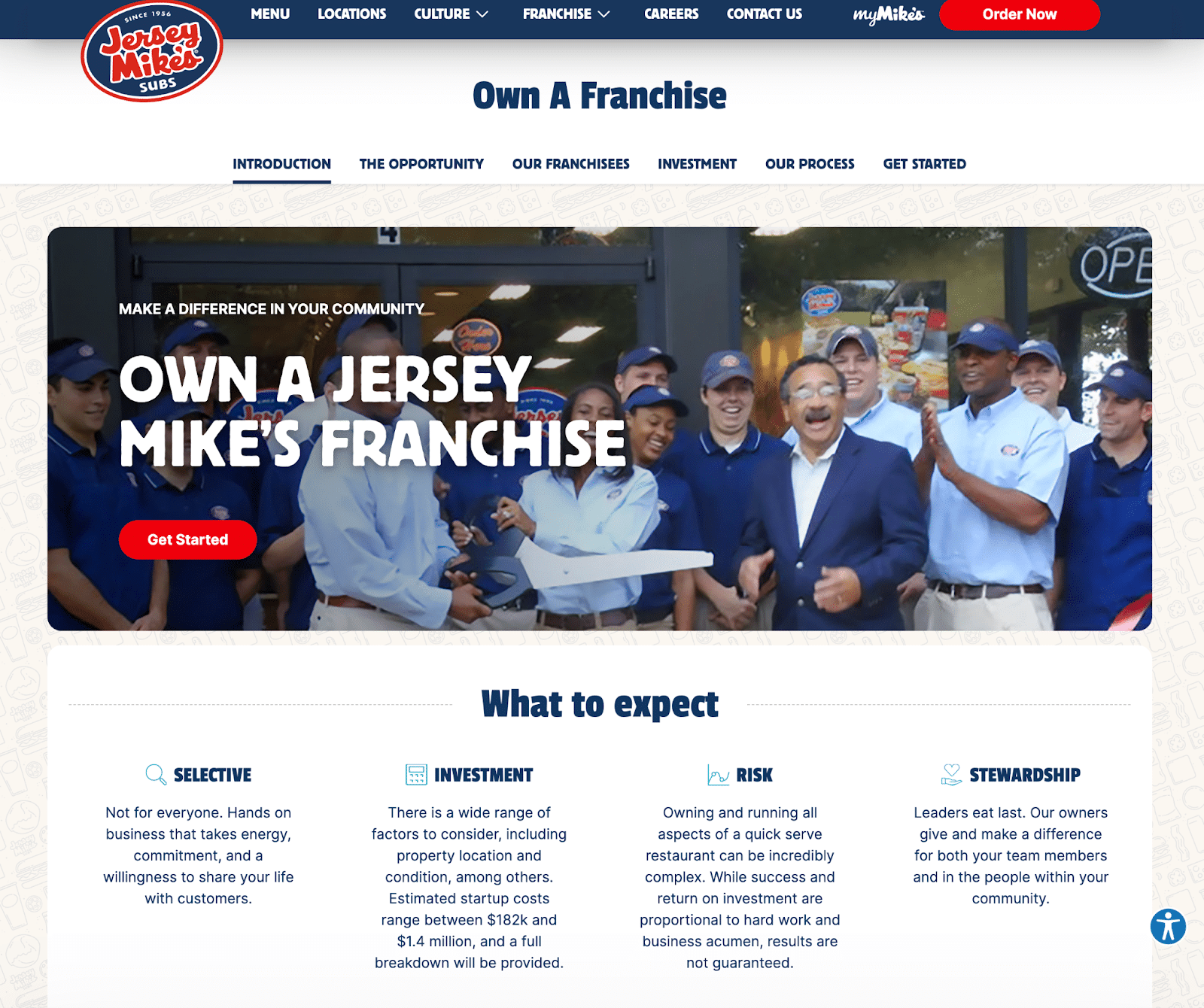
Jersey Mike’s Subs stands out as a prime example of disciplined growth. By focusing on proprietary technology and heavy retrofitting of existing locations rather than just new builds, they have surpassed 3,000 locations with a reported system-wide sales increase from $3,735 million to $4,217 million between 2024 and 2025.
Their recent acquisition strategy proves that private equity sees immense value in standardized, high-volume models.
Wingstop
On the global stage, Wingstop has rewritten the playbook for digital-first franchising. With digital sales accounting for more than 70% of their total revenue, they have effectively “future-proofed” their model against labor shortages.
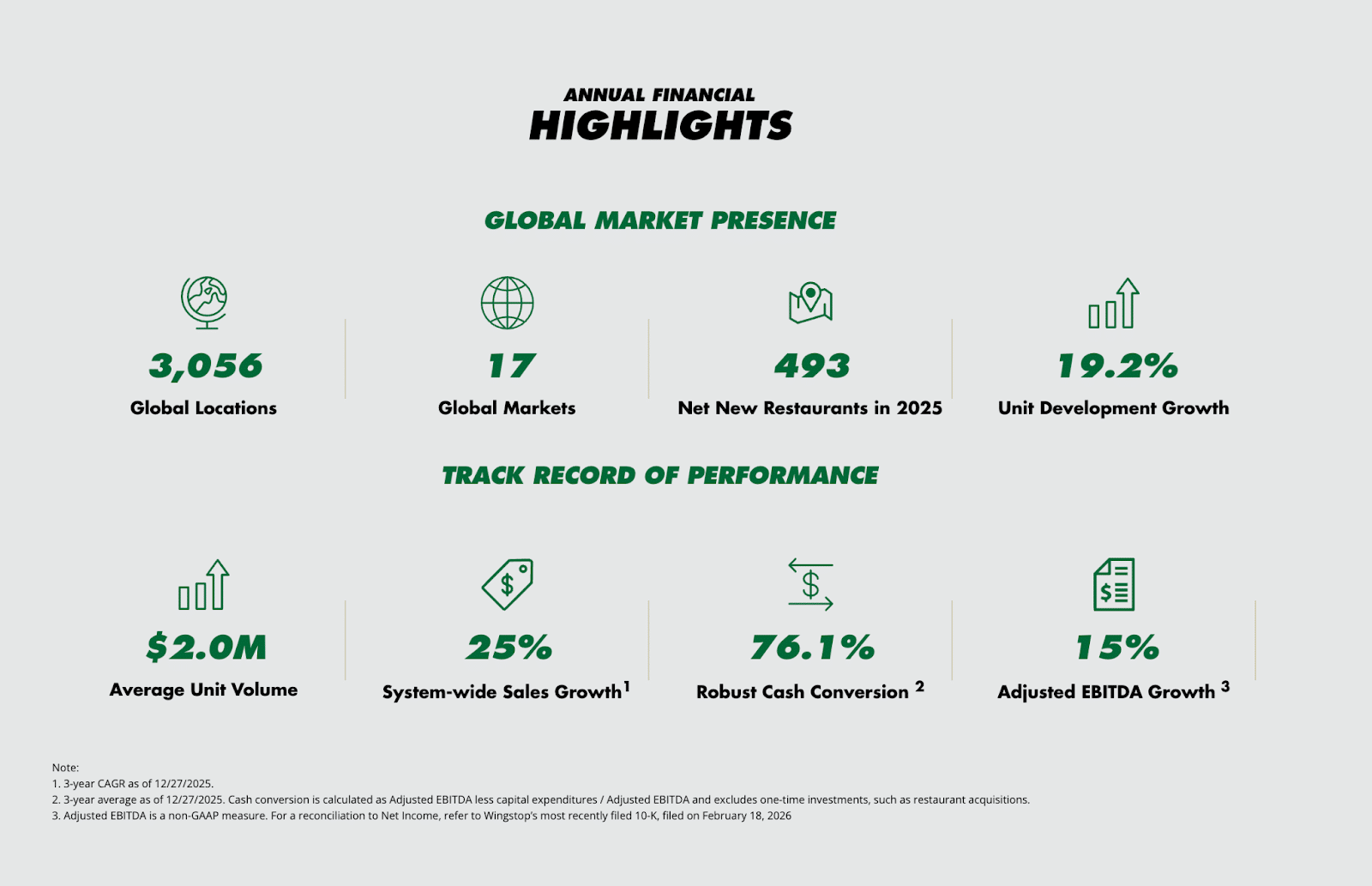
They now have over 3,000 restaurants worldwide, aggressively expanding into the UK and Canada with a footprint that requires less square footage than traditional QSRs, maximizing profit per square foot.
7-Eleven
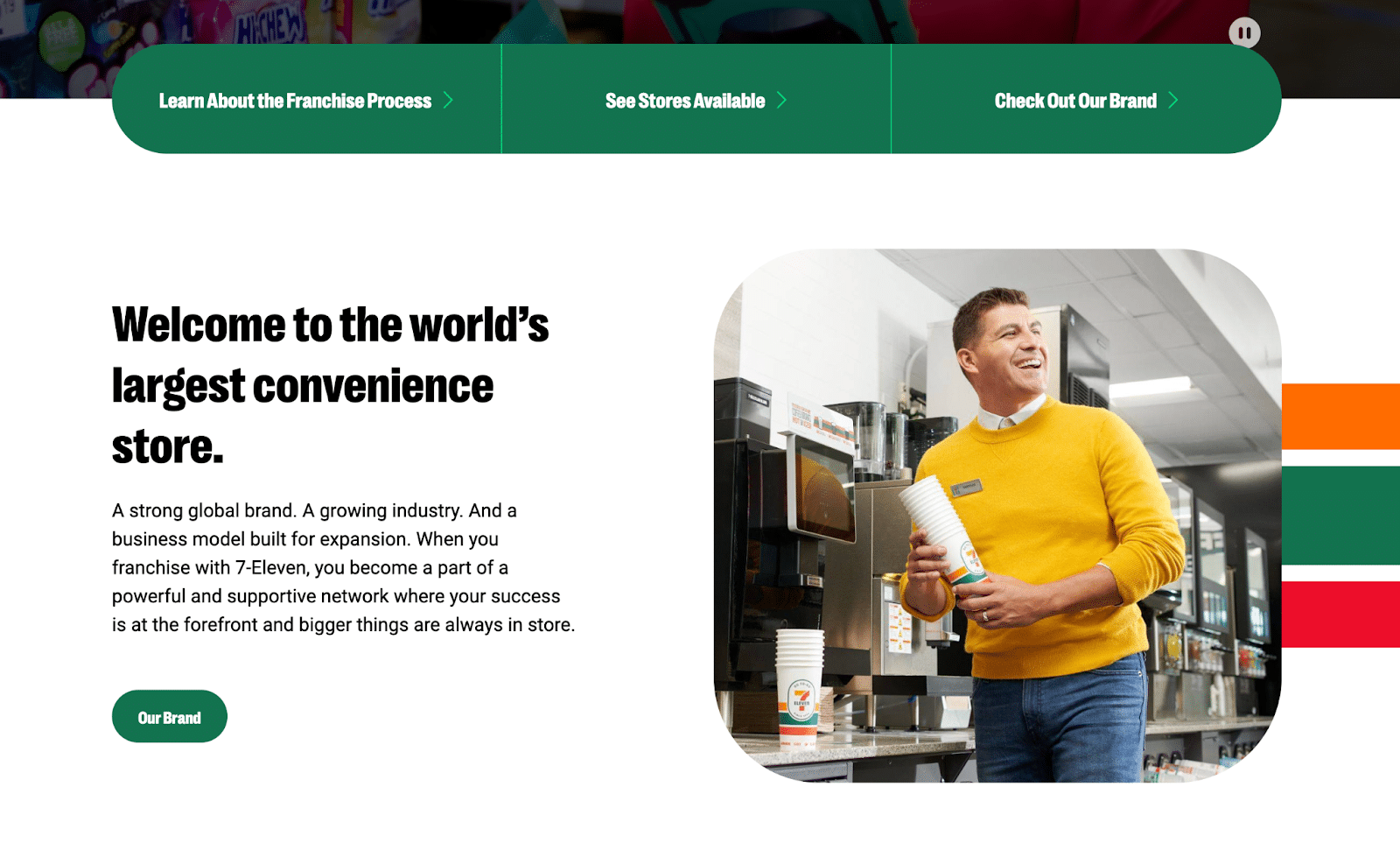
Finally, look at 7-Eleven, which continues to dominate by sheer volume. With over 85,000 stores globally, their shift toward proprietary fresh food and delivery services has kept them at #1 or #2 on almost every major ranking list, leveraging their massive scale to out-price local competitors.
FAQs About 2026 Franchise Industry Trends
1. What are the top franchise industry trends for 2026?
The top franchise industry trends for 2026 focus on efficiency and flexible expansion. Artificial Intelligence is now essential for operations, automating tasks to mitigate labor shortages. We are seeing a sharp rise in multi-unit consolidation, where large operator groups and private equity firms acquire smaller franchisee portfolios to scale rapidly. Non-traditional locations, such as mobile service vans, ghost kitchens, and home-based models, are booming due to their lower overhead. Finally, Glocalization is driving international growth, with brands preserving global standards while adapting specific offerings to local cultural tastes.
2. How is AI changing franchise marketing and operations in 2026?
AI is shifting franchises from reactive to predictive models. In marketing, AI analyzes customer data to deliver hyper-personalized offers, such as specific discounts based on purchase history, significantly boosting conversion rates. Operationally, AI tools now forecast inventory needs based on local weather and events to reduce waste. Additionally, AI-driven chatbots handle 24/7 customer support and pre-screen potential franchisee candidates, allowing human staff to focus strictly on high-value interactions and closing deals.
3. Which franchise industries are growing fastest this year?
Franchise data analysis shows that Senior Care and Home Health are the fastest-growing sectors, driven by the aging population. Close behind is the Health & Wellness sector, with longevity concepts such as cryotherapy, IV drips, and assisted stretching. Pet Services continue to be recession-resistant and high-growth as owners increase spending on care. Finally, Residential Home Services, such as renovation, cleaning, and restoration, are expanding rapidly as homeowners choose to improve existing properties rather than move in the current housing market.
4. What consumer behaviors are shaping franchise growth?
Consumers in 2026 typically fall into two categories: they typically seek either budget-friendly services or premium experiences that they cannot replicate at home. Regardless of where they fall, convenience is non-negotiable. If a franchise lacks a seamless mobile app or delivery option, they lose market share. Younger demographics, including Gen Z and Millennials, also prioritize sustainability, favoring brands with ethical sourcing and eco-friendly practices. This demand forces franchises to adopt genuine green initiatives to remain relevant and competitive in their local markets.
5. How should franchise brands adapt to sustainability trends?
Franchises must move beyond greenwashing to actionable ESG practices to attract customers and younger franchisees. Adaptations include switching to energy-efficient equipment, such as LED lighting or smart thermostats, to lower utility costs, sourcing materials locally to reduce carbon footprints, and minimizing packaging waste. Brands should transparently report these efforts in their marketing. For food franchises, offering plant-based options is now a baseline requirement for capturing the modern consumer.
Stay Ahead of the Latest Franchise Trends With Ignite Visibility
Knowing which industries are most likely to trend and other franchise trends will help you succeed in your industry. While knowledge is one thing, being able to implement it effectively is another, which is how Ignite Visibility can help.
At Ignite Visibility, we have plenty of experience working with franchise clients to help them grow, allowing them to focus on running and expanding their business while knowing their web design, sales, marketing, and other digital efforts are in good hands.
Turn to us if you would like:
- In-depth market research into your audiences and competitors
- Highly optimized marketing campaigns that utilize all relevant channels
- A reliable website and off-site marketing efforts that reach your target audiences
- Reporting and analytics for continual optimization
- And more!
To speak with a member of our team and get started, reach out to us today!

