

Today’s email drip campaign is considerably different from yesterday’s, going from basic automated sequences to AI-powered response engines reacting to user intent in real time.
In this blog, Lifecycle & Email Marketing Strategist, Joel Staniszewski, will talk about drip email campaigns and how they work with the latest developments in AI, tips for designing drip email campaigns, and share some successful email drip campaign examples to influence your own strategy.
What You’ll Learn:
- What is an email drip campaign
- How to create an effective drip campaign
- How to nail your email copywriting
- 13 examples of awesome email drip campaigns
What is a Drip Campaign?
An email drip campaign is an automated outreach strategy consisting of a series of messages that are sent, or “dripped” to an audience based on a specific action.
Email drips are pre-written marketing emails that focus on moving customers toward a final conversion goal, one step at a time.
Drips differ from other types of campaigns in that they rely on behavioral and time-based triggers, though it’s worth noting, campaigns can range from a super simple sequence to complex workflows based on a series of rules.
It’s worth noting that other Email Service Providers (ESPs) and marketers often refer to these as flows, automations, workflows, or journeys.
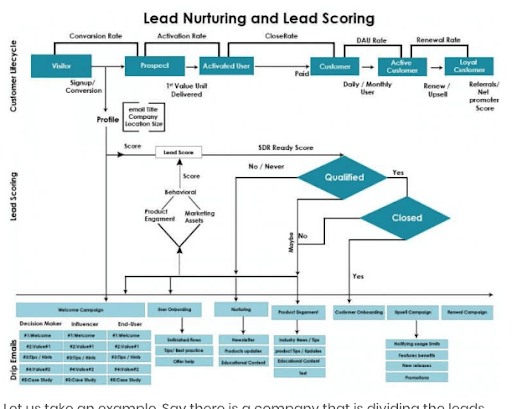
Case in point, this lead qualification flowchart found on Aritec’s blog:
Expert Opinion on Drip Email Campaigns
Today, email marketing remains one of the most lucrative opportunities for businesses across industries. With around 4.48 billion email users, it offers extensive reach, and 81% of businesses use it in their marketing campaigns. It’s particularly effective for B2B businesses, with 79% of them finding it to be the most critical channel for content distribution.
If you’re neglecting to develop optimized email strategies, you’re missing out on one of the best opportunities. Even if you’re implementing these solutions, email automation is essential for moving people down the funnel and keeping them consistently engaged.
This is where an email drip campaign can come into play. As people complete (or don’t complete) certain actions, or if their intent changes, drip email campaigns can re-engage those users to more effectively turn them into satisfied customers, potentially turning them into long-term repeat buyers.
But what is an email marketing drip campaign, and how can you develop one that really works for you? Let’s get into it.
Defining Goals: Outcome Over Activity
Behind every successful marketing campaign is a clear goal that gives the campaign direction and a benchmark for success.
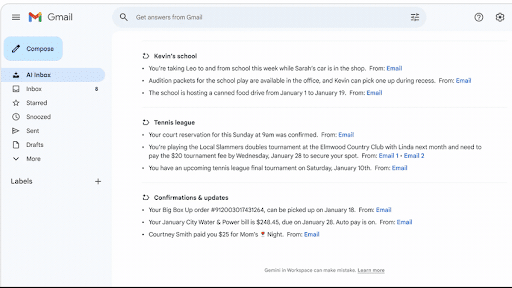
When setting goals for your email drip campaign, don’t simply track your open rate. You should also track “Priority Placement,” which indicates how frequently you reach the top of AI-sorted email inboxes.
Platforms like Gmail’s AI Inbox and Outlook’s Focused Inbox surface the most critical messages in people’s inboxes based on factors like content sentiment, the user’s behavioral history (e.g., the types of emails leading to the fastest responses) and interests, and sender reputation.
In the process, AI interprets the semantic meaning behind email content to help determine what kind of “ranking” that email should have in an inbox.
The more you appeal to marketing AI automations when designing drip email campaigns, the more you’ll maximize your visibility in inboxes and drive more meaningful metrics beyond opens, including click-throughs and conversions.
The Strategy: The Intent-Based Pivot
According to MarTech Zone, drip campaigns often see open rates up to 80% higher than one-off emails.
However, if you want to get these kinds of results, you’ll need to start with the right foundation.
Before I go over some specific examples, here’s a step-by-step breakdown of how you might set it all up.
Define Your Goals
Like any marketing strategy, the first step toward any successful campaign is starting with a clear objective. What is it you’re trying to accomplish with this campaign?
- Are you trying to increase the number of checkouts?
- Drive engagement among subscribers?
- Warm up new leads?
- Drive adoption through an effective onboarding process?
Be specific and focus on one goal per campaign. Once you’ve determined your goal, you’ll then want to consider how someone might end up in this campaign.
Who is Receiving this Email and Why?
So, the goal here is going to be making sure that the right people receive the right message at the right time. As such, you’ll need to establish who will be segmented into this particular campaign.
To do this, work through the following questions:
- What action did someone take to end up in this campaign? Did they subscribe to a newsletter? Make a purchase?
- What challenges and pain points does this group face?
- What are their goals?
- What will it take to capture their attention?
- What do you want the reader to do after opening each email?
From there, you’ll also want to define your target segment. This might include new customers, blog subscribers, free trial users, or people who downloaded a specific resource.
How Many Emails Will You Send?
Your next move is determining how many touchpoints you’ll want to include in this series.
According to Coschedule, more than 60% of consumers want to see emails from brands on a weekly basis. Though it’s worth noting that this applies more so to B2C brands. B2Bs should err on the conservative side and avoid sending more than five or so emails a month.
However, the number of touchpoints and cadence depends heavily on your campaign goals. What topics do you plan on covering throughout this series?
Real quick; here are a few different examples of how you might map out your campaign based on your objective.
Abandoned Cart
Abandoned cart emails are triggered by the customer’s non-action. In this case, you’ll set up a sequence based on timing, which might look like this:
- Follow up six hours after abandoning cart with a message that taps into the reader’s sense of scarcity.
- Send another email the next day offering a short term offer–think free shipping or a small discount.
- At the 72-hour mark, follow up again with a last-chance offer. Naturally, you’ll want to offer a larger discount than what was presented in the previous email.
Onboarding or Educational Campaigns
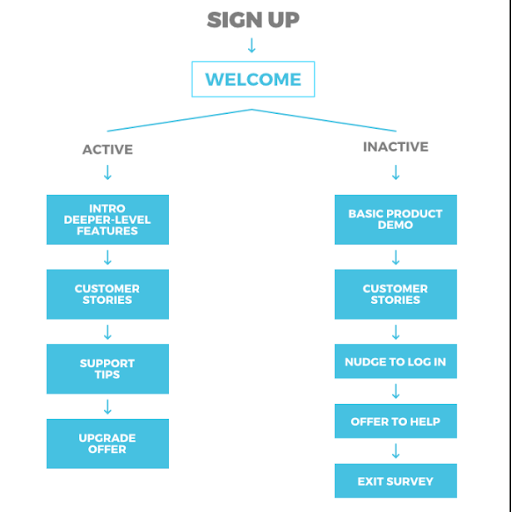
With an email course or onboarding series, you’ll want to break up your campaign into a series of short lessons. Here’s an example of how you might structure an onboarding flow.
Notice that while this is pretty linear, you’ll want to set up two tracks–active and inactive–to drive adoption. With the active group, you’ll focus more on guiding users toward success, whereas inactive users might receive a reminder or an offer to help.
Lead Nurture Campaign Flow
Lead nurture campaigns follow another approach, one defined by several triggers and actions based on how customers interact with your content.
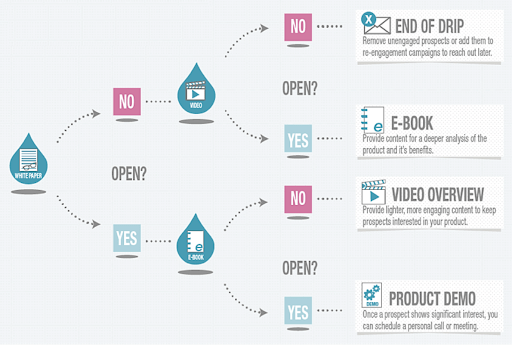
Does Your Drip Email Campaign Use Branching Logic?
Another aspect to keep in mind is branching logic, which would entail setting up email drip campaign templates for follow-up emails based on the recipient’s action and intent.
For example, if a user opens an email with a limited-time offer but fails to click, the next email should change its tone and value proposition. That second email proposing an offer might feature a more urgent subject line (e.g., “You’re Missing Out on a Great Opportunity”) and content generating fear of missing out (FOMO).
With enough engagement, though without annoying the recipient, you’ll be able to effectively re-engage users and drive more conversions.
Nail Down Your Messaging
The next step is determining what information to share in your email campaign.
Make sure you give yourself adequate time to write this content; otherwise, your efforts could backfire (bad emails land in the spam folder, enough said).
Email copywriting is a whole topic on its own, but here are a few things to keep in mind as you write each email.
Write with the Reader in Mind
Again, remember who you’re writing to.
Consider the relationship this segment currently has with your brand. Are you making an introduction, checking in with long-time users, or making a last-ditch effort to prevent customers from leaving?
Someone who just signed up for a SaaS tool should receive different information than someone who shops an e-commerce site semi-regularly. The point is, you’ll want to craft your messaging based on where this person is in the customer journey, and what information is most helpful at that stage.
What Do You Want them to Do?
You’ve defined your goal and figured out who you’re talking to. Now, you’ll want to tailor your content around your desired action.
- Driving blog traffic? Explain why these articles are relevant to the reader. What can they expect to learn? Why should they care?
- Showing off a new feature? Show readers how easy it is to log in and what they can do inside the platform.
- Boosting sales? Highlight relevant promotions and new items based on what you know about this audience.
Write for the Scanners
While emails don’t come with the character constraints of say, Twitter, that doesn’t mean you should go crazy with the text. Your email should be formatted for easy scanning–with subheads, graphics, and plenty of white space.
The examples featured down below show formatting best practices in action, but if you’re not sure where to begin, you might want to perform some competitive intel. Look at how other companies in your industry typically format their emails–how much text is there, what kinds of imagery do they use?
While you’ll want to create emails that match your brand’s look and feel, you’ll also want to design your emails so that they fit in with customer expectations.
Copywriting: Writing for the AI Summary
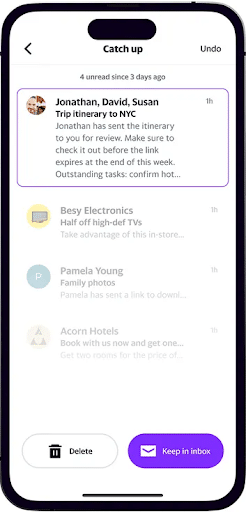
Emails today also feature AI summaries in many cases, condensing the contents of emails into one- or two-sentence summaries that can help users decide whether the email is worth opening.
Think of these summaries as something like Google AI Overviews for email, potentially minimizing clicks if people find the content to be irrelevant.
Thankfully, you can cater your email drip campaign to optimize for these with the right approach. Make sure the details of your email are clear, especially toward the top of the email from which AI summaries are likely to draw the most content.
Pro-Tip: The first 60 characters in the AI summary function as the “summary hook,” making it crucial to include your core value within the first sentence of your email to yield an accurate summary.
Technical Setup: The “Trust Stack”
You also need to take certain steps to build brand trust among your target audiences, encouraging them to open and engage with your emails.
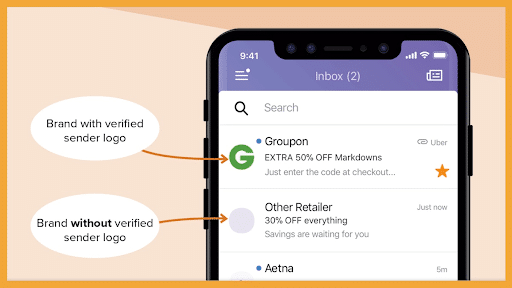
You can do so by using Brand Indicators for Message Identification (BIMI), which involves adding your business logo to your emails when they appear in people’s inboxes. Google and other platforms enable this feature, making it easy to set up when designing drip email campaigns.
People are far more likely to trust brands with an official logo beside the subject line, leading to more opens. Also, when people enter an email drip campaign subscription, you’ll be able to build more brand recognition with this feature.
To set up your BIMI, you will need a few key components, including:
- DMARC Enforcement: Your site must have a stringent Domain-based Message Authentication, Reporting, and Conformance (DMARC) policy that prevents phishing and spoofing by malicious parties.
- Verified Mark Certificate (VMC): This is a digital certificate confirming that your logo is legitimate and that your business owns it.
- SVG Format: To add the BIMI to your emails, your logo image must be in Scalable Vector Graphics (SVG) Tiny PS format.
- PEM Files: Gmail and other email clients only support Privacy-Enhanced Mail (PEM) files that further verify your logo’s authenticity under the Certificate Authority (CA).
- DNS TXT Record: The final element you’ll need is a TXT record within your domain’s DNS settings, directing to your logo’s SVG file.
13 Email Drip Campaign Examples
Because the one thing they all have in common is that they’re all automated, drip campaigns can take many different forms. Even within a category like onboarding emails or re-engagement campaigns there’s a ton of diversity.
Here are some examples of how brands are using drip campaigns, broken down by goal.
Onboarding
1. Glitch
Right off the bat, Glitch captured your attention using color and appealing graphics to welcome new users to the platform. The email offered a basic overview of what you can find on the site, suggesting a few areas you might want to check out.
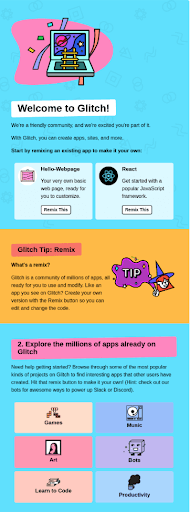
2026 Upgrade: When using colors and graphics, it’s best to set a particular mood with your emails; for instance, there’s been a recent transition from perfection and crispness to warmth when designing drip email campaigns.
2. Litmus
Full disclosure: I’m not sure if this example was used as part of an onboarding series. However, something like what Litmus has done below could easily fit into a welcome campaign based on introducing features in bite-sized lessons.
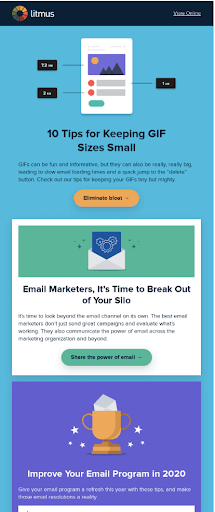
2026 Upgrade: With the help of innovative email drip campaign software, along with email drip campaign templates, you can use AI-driven and dynamic personalization to welcome and onboard new customers.
3. CampaignMonitor
Another strong onboarding example comes from CampaignMonitor. Here, you’ll notice that they’ve done a nice job emphasizing the desired action. You’ve got the headline that reads, “create your first email in minutes,” reinforced by the “create your campaign” CTA.
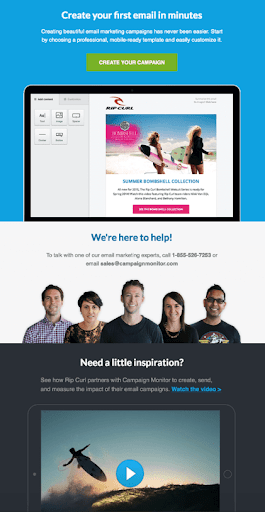
2026 Upgrade: Encourage more in-email action with your email drip campaign, allowing users to complete polls, schedule from the convenience of their inbox, and add items to carts without going to a landing page while still driving conversions and sales.
Abandoned Cart
4. Rudy’s
Rudy’s abandoned cart reminder email is simple, light-hearted (gotta love that headline), and it contains an offer code to sweeten the deal.
While I’d recommend adding a specific expiration time to further build on that urgency, the overall effect is really solid.
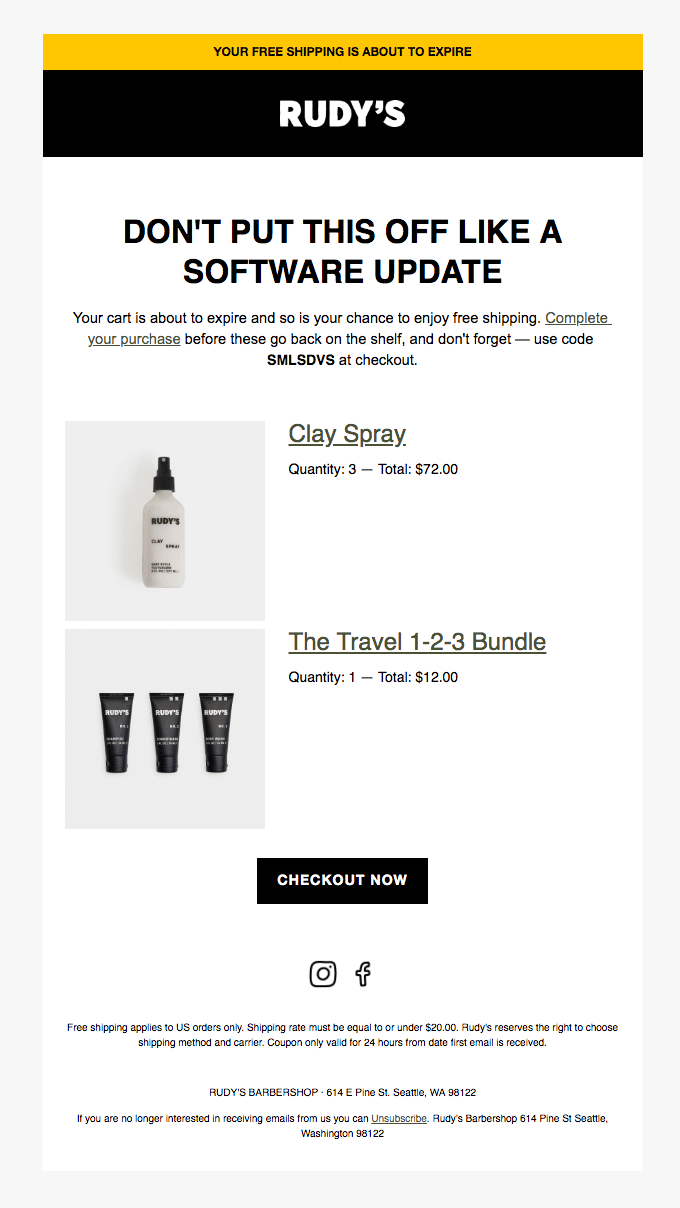
2026 Upgrade: This is another aspect of drip email campaigns that’s gradually changing thanks to AI. Don’t use generic email drip campaign templates. Instead, use AI-powered personalization to enrich abandonment emails with dynamic product feeds and messaging that compels your prospects to complete their purchases, complete with SMS and push notifications to supplement these emails.
5.Whisky Loot
Whisky Loot, a whisky subscription box takes a different approach to the abandoned cart. They’ve done a nice job using humor to make the case for conversion, then toward the bottom, they’ve included some FAQs.
Subscription boxes often require a bit more information to move the sale forward, and this email offers potential customers the information they might need to make a decision.
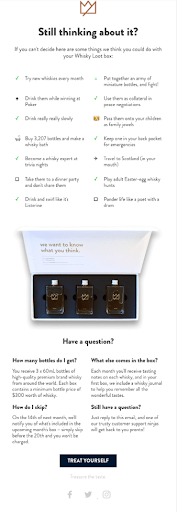
2026 Upgrade: As you can see with the above sample drip campaign email, it’s still all about minimizing friction when trying to convert customers with your email drip campaign subscription. Use everything from personalized video clips and FAQs to high-resolution product renders, customer testimonials, and smart CTAs to capture those people at the bottom of the funnel.
Re-engagement
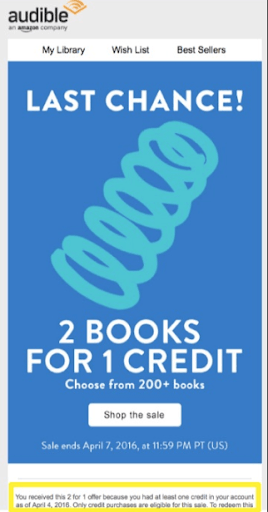
6. Audible
Here’s an example from Audible designed to talk the recipient down from the ledge by offering something of perceived value. While sure, giving away free audio files won’t cost them anything, it does incentivize the user to give the subscription service one more chance.
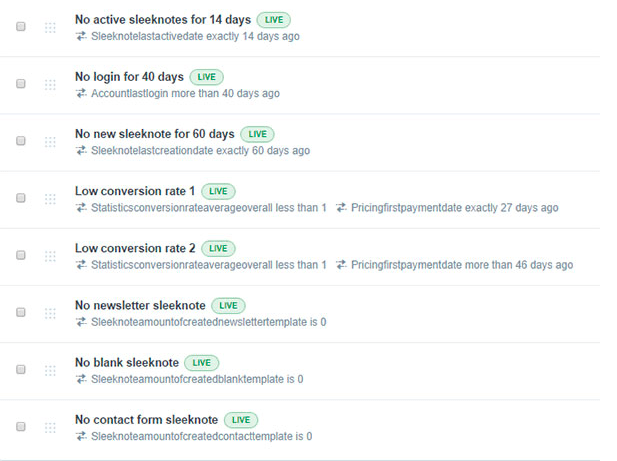
Keep in mind, this strategy depends heavily on timing. Here’s an example from Sleeknote that shows some of the email triggers they use to prevent customer churn.
2026 Upgrade: To boost re-engagement, you can use email drip campaign software and other solutions to develop micro conversions that move people closer to a sale with every interaction, whether making increasingly appealing offers or collecting feedback through your drip email campaigns.
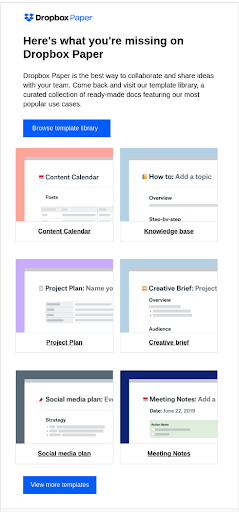
7. Dropbox
In the example below, Dropbox highlighted a handful of features that the reader might not have known about to get them to come back for another chance. What’s great about this example is it keeps the copy to a minimum, it’s easy to scan, and the CTAs are crystal clear.
2026 Upgrade: As with this email drip campaign example, your emails should continue to stay simple and to-the-point, pointing out features and other benefits with dynamic content that speaks more directly and succinctly to each recipient.
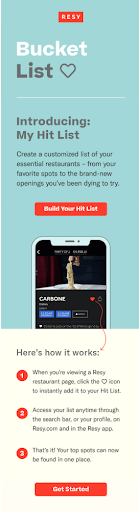
8. Resy
Here, Resy approaches re-engagement a bit differently than the previous examples. In this case, they’re reaching out to existing subscribers to introduce a new feature.
They’ve done a nice job showing users exactly how to get started, with two CTAs that let them get started ASAP.
Further down the page (not pictured), you’ll find links to the App Store and the Play Store to drive downloads and images from their Instagram feed. Sent to the right segment, this approach could drive more user activity by making it easier for people to track their favorite restaurants and reserve a spot.
2026 Upgrade: Once people have entered your email drip campaign subscription, you can continually engage existing customers with new products or features, continuous offers and rewards, feedback from customers like them, and more, encouraging people to stick with your brand over time.
Upsell
9. Skillshare
Online education platform, Skillshare uses the following email to promote its premium service. The email rounds up a series of recommended courses that someone interested in business might want to check out. What’s more, the brand uses urgency to generate FOMO and get people to act now.
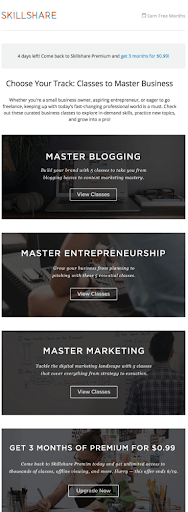
2026 Upgrade: Continue to combine urgency with your upsells, particularly if certain added offers aren’t meant to last. This will get more people to move through their journey faster and maximize your average order value (AOV), ultimately culminating in higher customer lifetime value (CLTV).
10. Lumi
Lumi, a packaging supplier that sells to e-commerce brands and subscription box companies is technically using this newsletter to upsell customers on a full packaging solution.
However; this email focuses mostly on educational content and finishes with a subtle plug for their podcast. In all, it reads more like a series of helpful tips and content recommendations than a sales pitch.
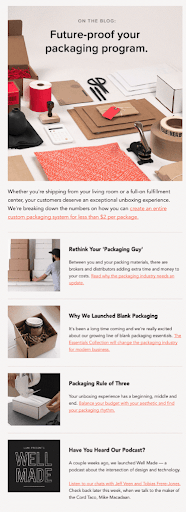
2026 Upgrade: As marketing continues to move in a more human-centric direction, don’t be overly salesy with your emails. You want to provide audiences with truly helpful, rich content that leads to more engagement and business.
Newsletter Drip Campaigns
11. Grammarly
Grammarly sends about 16 emails a month to their subscribers, which focus primarily on sending fellow writers links to articles that offer actionable advice.
In this example below, the brand uses graphics and white space to draw the eye to recommended articles–all aimed at helping their audience become better writers.
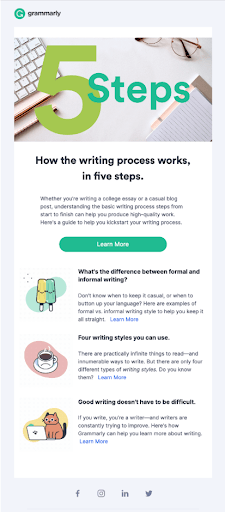
2026 Upgrade: Use educational content to prove your value to your new and existing customers when possible, whether you present regular articles, blog posts, videos, or other content demonstrating your industry expertise, leadership, and trustworthiness.
12. HubSpot
For another approach, here’s an example from HubSpot used to welcome new subscribers to the blog. The plain text and personalization give this a more personal touch than some of the other entries on the list.
While marketers have been debating for years whether polished templates or plain text is best, I’d recommend using this approach if you’re in B2B sales or you’re creating a drip campaign to promote a personal brand.
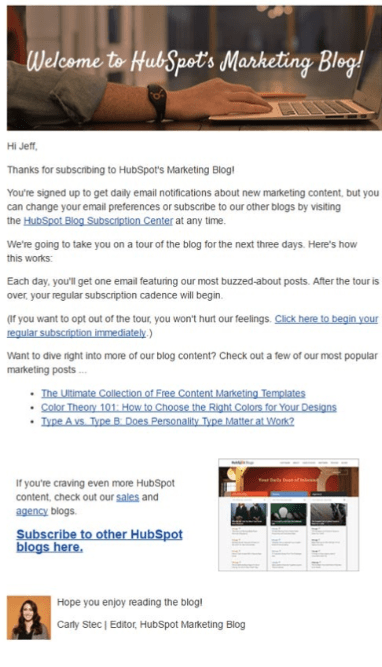
2026 Upgrade: Your drip email campaign templates can incorporate dynamic elements to enable more personalization while maintaining a level of simplicity, as people today are more likely to respond to personalized emails, provided they don’t slip into “creepy” territory.
Use Email Drip Campaigns to Grow Your Email List
Another email drip campaign idea is to create an email series designed to drive subscribers. Before you write this one off for violating explicit consent rules, it’s worth noting that this strategy can work really well for e-commerce platforms.
13. Lululemon
In this case, you’re targeting customers who have purchased from your website but haven’t subscribed to your newsletter. For example, if you look at Lululemon’s checkout page, the brand makes it clear that they’ll be sending order updates:
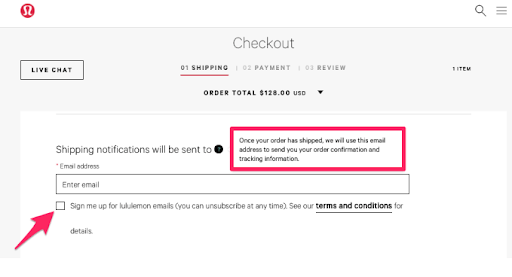
If the customer doesn’t opt into newsletter updates, the following sequence can still be used as a drip campaign:
- Confirmation email
- Shipment notification
- Delivery confirmation
- Follow up
2026 Upgrade: Always give your recipients the chance to opt out of any emails, with a clear unsubscribe button, which will keep you compliant with today’s privacy and spam regulations, which we will get a bit more into below.
Ethics and Privacy: The “Creep Factor”
In today’s marketing environment, organizations value users’ privacy more than ever, which is why you need to ensure your email drip campaign respects “opt-out” signals instantly on every platform.
Otherwise, you’re likely to annoy your target audiences and come off as intrusive, and you could be out of compliance with the California Consumer Privacy Act (CCPA), the Controlling the Assault of Non-Solicited Pornography And Marketing (CAN-SPAM) Act, and other industry regulations.
Using a visible unsubscribe button or link, recipients must have the option to easily opt out of your campaigns if desired.
Final Thoughts
Hopefully, the email drip campaign ideas above offer some inspiration that can help you develop your own laser-focused campaign.
Email drip campaigns might seem intimidating at first, but they’re an essential part of any marketing strategy. It doesn’t matter if you’re trying to get more Instagram followers or nurture B2B buyers toward closing a massive deal, email marketing requires big-picture planning to get results.
