To effectively achieve your business goals, everyone within your organization needs to be working toward them. If there’s any misalignment among various teams, including sales and marketing, this kind of siloing could hold your business back as efforts become inconsistent and incongruous.
In this blog, Sebastian Turner, VP of Business Development, will get into the importance of sales and marketing alignment, the process of aligning both teams’ goals, and how you can enable sales and marketing alignment using one tool.
What’s Covered:
- Why Sales and Marketing Alignment Still Fails Today
- The Business Case for Aligning Sales and Marketing
- What Strategic Alignment Really Looks Like in Action
- Aligning Sales and Marketing Strategies for Growth
- How to Diagnose Misalignment (and Fix It)
My Expert Opinion on Sales and Marketing Alignment
Although marketing and sales are departments with their own unique sets of goals, they both have the shared objective of appealing to and bringing in new customers and maximizing retention.
Both teams should work toward building a seamless customer journey that brings people effectively from the top of the sales funnel down to the bottom.
Think about the fact that sales pros are 106% more likely to state that they’re exceeding their sales goals when aligned with marketing teams, according to HubSpot. Together, both teams support each other and can optimize their strategies to thrive in the long term.
Knowing how marketing and sales alignment work and the kinds of strategies and tools to implement will help you achieve better results with both efforts.

Why Sales and Marketing Alignment Still Fails Today
Marketing and sales alignment involves connecting strategies, goals, and communications between sales and marketing teams. This approach can help both teams effectively collaborate to achieve shared goals and help an organization thrive with streamlined marketing and sales campaigns.
Many businesses, even more experienced organizations that have been around, still struggle with aligning sales and marketing strategies, goals, and overall communication. There are certain things you want a sales and marketing team to do, which can wind up siloing both, keeping them separate. They might be working with different technology, for instance, or they might have different understandings of the customer because of where they meet them in the sales funnel.
Teams may also simply have their own processes in place that get them used to working strictly within their own departments.
However, the benefits of sales and marketing alignment make it well worth the effort to connect the two teams, preventing disjointedness that might otherwise lead to sustained inefficiency. Having both teams working cohesively can keep them on the right track as they move more customers toward a sale and long-term retention.
The Business Case for Aligning Sales and Marketing
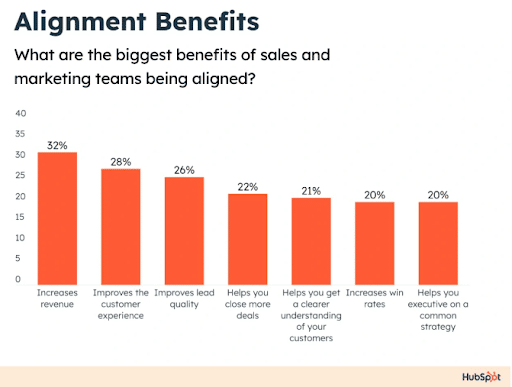
There are multiple key benefits of sales and marketing alignment, including:
- Improved Lead Quality: One of the main advantages of marketing and sales alignment is the ability to optimize lead quality. Using in-depth audience personas and effective targeting, marketing teams can reach marketing qualified leads (MQLs) that are then more likely to become sales qualified leads (SQLs) through sales enablement.
- Faster Pipeline Velocity: Aligned teams also generally increase the efficiency of lead generation and nurturing, bringing more high-value and high-intent leads into the funnel for a shorter overall cycle. In turn, sales departments can close deals faster and maximize profitability.
- Stronger Revenue Performance: Companies with good sales and marketing alignment also see considerably increased revenue, with stats showing that alignment can lead to a 208% increase in marketing revenue alone and a 15% increase in overall profitability, according to stats compiled by Brainstorm Club.
Ultimately, aligning your teams will lead to a better customer experience that keeps prospects consistently engaged with personalized, targeted campaigns that keep them moving toward a sale. You’ll be able to ensure you reach people at every stage of the funnel with comprehensive lifecycle marketing, with sales teams building off of marketing efforts to close more deals faster.
What Strategic Alignment Really Looks Like in Action
There are several aspects of sales and marketing alignment that indicate when both teams are effectively working together.
These elements include:
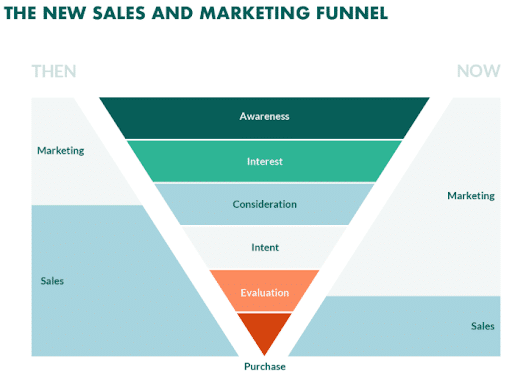
A Shared Funnel
Both teams should connect the sales funnel at every stage, with marketing connecting with customers at most stages of the sales funnel while sales brings it home during the last phases of the customer journey.
In this shared funnel, sales and marketing teams should know when to connect with customers, with marketing preparing leads to convert to customers via sales, and sales taking into account the journey the lead took up to the point of sale.
Unified Goals and KPIs
In aligning both departments, it’s also critical to have shared goals and corresponding key performance indicators (KPIs) that help track progress from marketing to sales.
Some possible KPIs to measure throughout the customer journey could include:
- Funnel conversion rates
- Customer acquisition cost (CAC)
- Customer lifetime value (CLTV)
- Return on investment (ROI)
- Net Promoter Score (NPS)
- Sales
Service Level Agreements (SLAs)
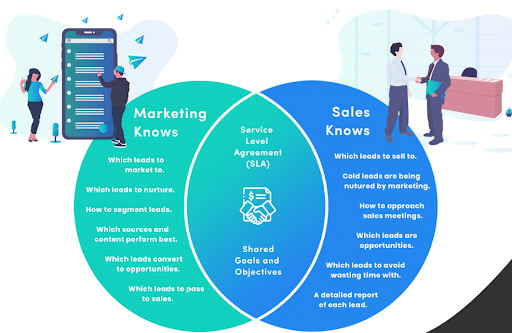
To facilitate sales and marketing alignment, develop and implement a detailed SLA, a contract that defines the things you want a sales and marketing team to do, the specific services each provides, and a framework for collaboration based on their roles and responsibilities.
This SLA can detail how to go about shared content creation throughout marketing and sales, feedback loops between parties, and pipeline transparency to help keep both teams consistently on track.
To supplement this SLA, incorporate components like branding guidelines for both parties, and encourage marketing teams to influence sales collateral through effective storytelling through content creation.
Aligning Sales and Marketing Strategies for Growth
As you work to drive growth with marketing and sales alignment, you must go by the principles that foster it.
The following are some of these principles and steps for aligning sales and marketing strategies for each.
Shared Goals and Objectives
Sales and marketing professionals should be on the same page when it comes to the kinds of goals they want to achieve. Although each department will have its own goals to reach, such as brand awareness and lead generation for marketing and conversions and ROI for sales, the two can aim for the same overarching goals.
In developing strategies that achieve the target objectives, sales and marketing can work together on buyer personas that represent each audience segment.
Clear Communication
Another key to sales and marketing alignment is effective and consistent communication.
For example, there are some things you want a sales or marketing team to do, depending on the perspective. One report found that 34% of marketing teams want faster follow-up from sales, and 15% want more feedback on the success of campaigns. Meanwhile, 55% of sales wanted better-quality leads while 44% wanted more intelligence and information.
Regular communication between both teams could help establish the wants and needs of each, giving both an understanding of what they expect from each other.
A Deep Understanding of the Customer Journey
In mapping out the entire customer journey, sales and marketing can collaborate on personas to understand audiences, but they should also implement full-funnel thinking as they determine how customers move from initial contact to a sale.
Sales should understand how marketers interact with new leads at various touchpoints, which will give sales staff some context regarding the best method of communication to use to close a deal.
In addition, account-based marketing can help with personalization by focusing on the most valuable target accounts that are more likely to convert. Marketing and sales teams can then hyper-target their efforts to more efficiently close.
Continuous Optimization and Improvement
Both teams must also work together to continually improve campaigns and get the most from their efforts.
In doing so, they could implement cross-functional planning, as both teams develop a unified plan that keeps them on track. As they develop their strategies, they can optimize project execution, mitigate the risk of errors, and improve overall efficiency.
During the cross-functional planning sprint, everyone in sales and marketing can get a good handle on the goals they need to achieve, the timeframe in which to achieve them, and the tasks needed to achieve the desired goals in a timely manner.
Aligning Ads With Overall Marketing Goals (and Sales Goals)
As mentioned, one of the main items sales wants from marketing is higher-quality leads. By aligning ads with overall marketing goals, along with sales goals, you can ensure more qualifying leads make their way into the funnel.
Paid media is one of the most effective tools that you can use for your marketing campaigns, and you can take the following steps to optimize these campaigns for increased sales-readiness and intent:
- Develop Aligned Messages: The kind of messaging you use should appeal to leads who are likely to be marketing- and sales-qualified, whether speaking to a particular pain point or a benefit that appeals to a specific audience. For example, a home services company might want to target prospective customers prioritizing pricing transparency, using messaging like “Always Transparent: Get In-Depth, Accurate Quotes With No Surprises!” or “Get an accurate, in-depth quote with no hidden costs, and know exactly what you’ll pay.”
- Optimize Landing Pages: The landing pages connected to your ads should also help move people down the funnel, providing more information based on the ad that brought the viewer to it. For example, the home services ads above might lead viewers to landing pages discussing the cost of certain services and the structure of a quote, giving people a better idea of what to expect from the company.
- Getting Feedback from Sales: To further ensure the alignment of marketing with sales, sales should provide feedback regarding the effectiveness of ads. For example, sales might find that a particular audience wants to know whether the home services company offers 24-hour services, which might be worth pushing in future ad campaigns if the company operates 24/7 with emergency service, such as a plumber. In other cases, sales might simply suggest fine-tuning messaging or visuals to speak more directly to the target audience.
Whether for PPC ads across the web, programmatic advertising on streaming and other platforms, or social media ads, aligning ads with overall marketing goals and sales objectives can maximize return on ad spend (ROAS) and lead to more high-value conversions.
Tools to Align Sales and Marketing in One Unified Stack
Is it possible to facilitate sales and marketing alignment using one tool? In some cases, yes. Certain solutions out there make it easier than ever to unify your sales and marketing efforts, helping you get the most from your campaigns.
Here are some platforms that allow for sales and marketing alignment using one tool for more convenience:
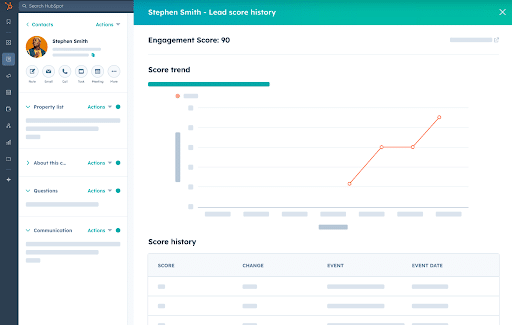
- HubSpot: This tool provides solutions for lead generation and nurturing, along with a lead scoring and qualification system, marketing-sales handoff, and a unified customer view.
- Salesforce: Another solution that can help by providing sales teams with in-depth customer information, with integrations into HubSpot, along with account management and opportunity tracking.
- ClickUp: For project management across teams, you could use ClickUp, which enables task management and collaboration, workflow automation, and shared resources, with real-time visibility into campaign progress.
With a single source of truth behind your marketing and sales efforts, you can benefit from more visibility, improved campaign tracking, attribution, and shared dashboards that keep everyone in the know more consistently.
While a unified solution can provide everyone with a singular customer view, streamlined workflows, reduced costs, and improved collaboration, you might benefit from an integrated stack that allows for more specialized functionality, improved customization, and better user adoption.
How to Diagnose Misalignment (and Fix It)
In some cases, you might realize that your sales and marketing teams suffer from a degree of misalignment.
Some signs of this might include:
Poor Lead Quality and Handoff
One big sign of misalignment is unqualified leads and high disqualification rates. Also, ineffective lead handoffs could cause some high-value leads to fall through the cracks and result in missed opportunities.
Inconsistent Messaging and Content
Salespeople might neglect to use designated marketing materials in these cases or create their own content that conflicts with marketing messaging. Conversely, insights from sales may not inform marketing in content creation toward the top and middle of the funnel.
Disjointed Goals and Metrics
Sales and marketing teams might work with different goals and corresponding KPIs, leading to different definitions of success and disconnected efforts.
Poor Communication
A lack of regular and effective communication could lead sales and marketing teams to misunderstand their goals and progress. In turn, a lack of feedback between parties might minimize efficiency as neither team can achieve its goals.
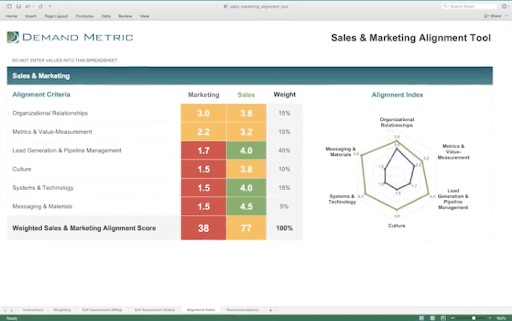
To avoid these and other misalignment issues, it’s important to conduct internal audits or alignment scorecards. You can do so by:
- Defining project scope and objectives for the audit
- Collecting and analyzing data from CRMs, sales reports, customer feedback, and other sources
- Identifying patterns, gaps, and opportunities for better alignment
In conducting audits and scoring, you can use internal surveys that ask questions like:
- “What would you like to see from sales in the guidance of content creation?”
- “How often would you like to meet with marketing teams to discuss goals and progress?”
- “Are you happy with the quality of leads you are receiving from marketing?”
Additionally, you can use tools like Demand Metric to develop effective alignment scorecards.
Work With Ignite Visibility for Sales and Marketing Alignment
By aligning your sales and marketing teams, you can get the best from both worlds, helping you build a strong connection with your target audience and move them down the sales funnel with more efficiency. To help with alignment, consider working with the team at Ignite Visibility.
At Ignite Visibility, our experts could help with:
- Establishing shared goals for marketing and sales
- Developing high-quality marketing content that guides sales collateral
- Building effective marketing strategies to move people along the customer journey
- Continuous KPI tracking and optimization
- Integration of paid media, SEO, email, and other marketing solutions
- And more!
Get in touch with our experts today to find out what we can do for your marketing and sales efforts.