Customer activation is the crucial moment when a new customer truly becomes engaged with your product or service.
In this article, Jeff MacGurn, Chief Client Officer, will dive into the strategies and channels that can help you effectively activate your customers, turning them from casual buyers into loyal advocates.
What You’ll Learn
- What is Customer Activation?
- Key Strategies for Customer Activation
- Measure Your Customer Activation Efforts
- Tools and Platforms
- Best Practices for Successful Customer Activation
My Expert Insight on Customer Activation
Customer activation isn’t just a step in the funnel, it’s the turning point where interest becomes momentum.
When brands create frictionless onboarding, deliver timely messaging, and personalize the experience across every touchpoint, they give new users a clear path to value.
The companies winning today understand that activation thrives at the intersection of data, creativity, and consistency. They leverage everything from in-app nudges and push notifications to direct mail and experiential campaigns to spark real engagement.
And most importantly, they measure what matters: conversion rates, behavior patterns, and customer satisfaction, then iterate relentlessly. When you pair strong activation strategies with a deep understanding of your audience, you don’t just drive short-term actions; you build long-term loyalty, advocacy, and lifetime value.
Action Item: Take a deep dive into your customer onboarding process. Are you setting them up for success? Are you providing the necessary information to help them get started? Small tweaks can make a big difference in customer activation.
What is Customer Activation?
Customer activation is the crucial moment when a new customer truly “gets” your product or service and starts using it regularly.
Think of it as the bridge between making a purchase and becoming a loyal customer. The goal is to help new users discover the value you offer and encourage them to take that first important step. Whether it’s signing up for a newsletter, trying a free trial, or making a repeat purchase, activation is the engine that drives customer lifetime value.
To achieve this, you need a multi-faceted approach that leverages various channels and strategies. Let’s dive into some of the most effective ones.
It’s important not to confuse customer activation with other concepts like customer acquisition and retention. While acquisition refers to attracting new customers and customer retention applies to keeping those customers loyal over time, customer journey activation is all about bringing a new customer on board with your offerings.
Activation in Advertising
An activation strategy is crucial to any ad campaign in a number of ways. For example, customer activation can help with:
- Driving immediate action: Activation in advertising has the ability to move audiences past the brand awareness stage and into sales and signups, among other actions that effectively move them through the sales funnel.
- Engaging customers: Customer journey activation also emphasizes personalization and interactivity, getting customers to connect more directly and enthusiastically with your brand.
- Increasing brand visibility: Your customer activation strategy can encourage more people to talk positively about your brand to others, helping you increase brand awareness by word-of-mouth.
- Building loyalty and advocacy: Creating memorable and enjoyable experiences for customers will make them more loyal and recommend your brand to others.
Brand Activation Examples
There are also multiple types of activation-focused ads. Here are some marketing activation examples of ads that really work to drive immediate action:
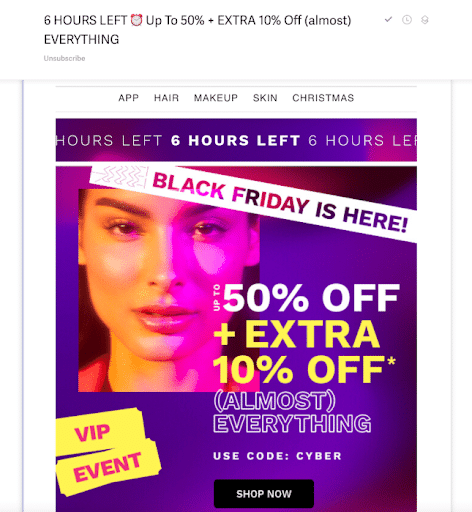
- Limited-time offers: Ads can generate a fear of missing out (FOMO) and overall urgency to drive more immediate sales, with messaging like “Sale Ends Soon!” or “Don’t Wait Till It’s Gone!”
- Experiential marketing: These campaigns use events like pop-up shops and event booths with product demos and brand interactions that create a highly memorable experience.
- Free samples or product trials: Promotions could enable customers to try services or products for free, encouraging people to dive into an experience and see if it’s right for them.
- Treasure hunts and gamification: Turning a purchase into a kind of game can help you create a stronger connection with your customers and entice them to buy, especially with the possibility of earning giveaways, discounts, or other prizes.
- Calls to action that emphasize action: Using effective CTAs with direct action verbs in ads could drive more conversions, with messaging like “Shop Now” and “Register Today” to complement ads with softer CTAs.
The Importance of Measuring Activation-Focused Ad Campaigns
To get the results you want based on your goals, you must consistently measure the performance of your activation strategy. The kinds of metrics and key performance indicators (KPIs) you measure will depend on the goals you have, whether you want to facilitate more consistent engagement, retain more customers, encourage brand advocacy, or more.
In measuring your campaigns, you may track the following metrics:
- Sales lift: Determines whether there was an increase in sales because of activation-focused ads.
- Conversion rates: Tracks the number of people who take a desired action after encountering an ad.
- Social media metrics: Measure shares, likes, user-generated content metrics, and more to gauge effectiveness.
- Return on investment (ROI): Compares the total revenue that a campaign generates against the investment needed to run it.
Developing a Customer Activation Strategy
For successful customer activation, you need to develop an effective activation strategy, which involves the following critical steps:
1. Define Your Goals and Corresponding Metrics
Clearly indicate what activation is for your business, which will be a measurable action that you can count toward a specific goal. KPIs here might include your customers’ activation rate, time to activate, and churn rate, which measures the number of people who stop using a product.
2. Research Your Audience and Map the Customer Journey
Look into your audience, segmenting different groups with specific audience personas. You can also engage in customer journey mapping to see how people engage with your brand from initial interaction to retention.
A clear picture of the customer journey activation process will help eliminate any bottlenecks that might otherwise keep your customers completing a desired action.
Knowing all about customer behavior and preferences will help you tailor your messaging to speak more directly with audiences and drive conversions.
3. Streamline the Onboarding Process
It should be easy for your customers to connect with your offerings and realize their full potential. Generally, a frictionless experience will keep more people moving along and encourage more sustained engagement.
In developing your onboarding process, keep things simple and straightforward, provide contextual tooltips, add checklists, and provide users with a progress bar to indicate where they’re at.
4. Use a Combination of Customer Activation Platforms and Marketing Channels
Fully equip your campaigns with the right customer activation platform that guides users through their journey while also using a reliable digital marketing media mix to reach your audiences at every potential touchpoint.
For instance, you could use in-app messaging, email, social media, and push notifications to connect with your audiences.
5. Provide Effective Support and Resources
Eliminate any potential friction in the user experience by providing audiences with ample resources and dependable support, with FAQs, chatbots or other in-product support tools, and knowledge bases.
6. Use Data and Analytics to Inform Your Strategy Development
Always track your campaign data with analytics tools that provide detailed reports and actionable insights to help you develop your strategy. You may also use solutions like A/B testing to help you figure out what works in your ads, switching out a single element between them, such as an image or CTA.
Key Strategies for Customer Activation
Without a clear path to your product’s value, new customers can quickly lose interest. This leads to fewer paying subscribers and more people giving up on you. To keep this from happening, you need a solid customer activation plan in place.
1. Onboarding Emails and SMS
Getting new customers excited about your product or service starts with a warm welcome. Onboarding emails and SMS messages are your first chance to make a great impression.
Crafting the perfect onboarding email or SMS isn’t rocket science, but it does require a bit of strategy:
- Keep it concise, personalized, and valuable
- Highlight key features, offer tips or tutorials, and set clear expectations.
For instance, a welcome email for a new fitness app might include a quick workout plan, a discount on their first purchase, or an invitation to join a social community.
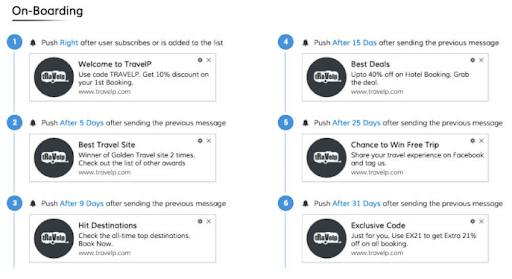
Successful onboarding campaigns often combine multiple touchpoints. A welcome email might introduce the product, followed by an SMS with a quick tip, and then an in-app message offering personalized recommendations.

2. In-App Messaging
In-app messaging is like having a personal assistant inside your product. It allows you to connect with customers in real-time, offering tailored recommendations, answering questions, or simply saying “hello.” Used effectively, in-app messaging can significantly boost engagement and drive conversions.
The key to successful in-app messaging is relevance and timing. Don’t bombard users with messages. Instead, focus on providing value.
For example, a fashion app might suggest complementary items based on a recent purchase, or a productivity tool might offer a quick tip to help users stay organized.
A popular ride-sharing app uses in-app messages to offer promotions, inform users about wait times, and provide safety tips.
A gaming app might use in-app messages to announce new levels, challenges, or limited-time rewards.

3. Push Notifications
Push notifications are little nudges that keep your brand top of mind. When done right, they can be a powerful tool for driving engagement. But it’s important to use them sparingly and with purpose. No one likes to be constantly interrupted with irrelevant messages.
The key to effective push notifications is personalization and value. Tailor your messages to the user’s interests and behavior. For example, a news app might send notifications about breaking news in the user’s preferred topics, while a retail app could offer personalized product recommendations.
Successful push notification campaigns often combine urgency and exclusivity. Limited-time offers, flash sales, and exclusive content can be highly effective in driving conversions.
For instance, The Coffee Bean and Tea Leaf used their coffee shop’s app to send a push notification offering 20% off to customers who visit the store that morning.

4. Direct Mail
You might be surprised, but direct mail still packs a punch. In a world flooded with digital noise, a physical piece can really stand out. It’s like sending a handwritten letter in a world of emails – it feels personal and unexpected.
The secret to great direct mail is creativity and personalization. Forget those boring postcards! Think outside the box. Maybe send a custom package or a sample of your product.
Think of all those skincare companies sending a little kit with products tailored just for your skin type. It’s not an accident.

Marketing and Brand Activation Examples
There are plenty of marketing activation examples out there to inspire you in your customer activation efforts.
Let’s take a look at some of the most successful campaigns to give you ideas:
HubSpot Academy
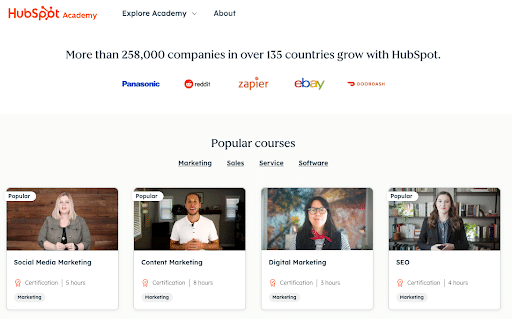
One great example of a customer activation strategy that’s helped keep users loyal and engaged is HubSpot’s multitude of free educational courses for marketers.
Not only does HubSpot provide an entire library of courses on inbound marketing, but it also offers certificates that marketing professionals can use to advertise their expertise, complete with displayable badges.
In the process, users can learn how to effectively implement HubSpot’s numerous marketing tools and features.
HubSpot here ultimately showcases the effectiveness of offering a proprietary knowledge base and educational hub with clear incentives for engagement.
Dropbox’s “Refer a Friend” Campaign
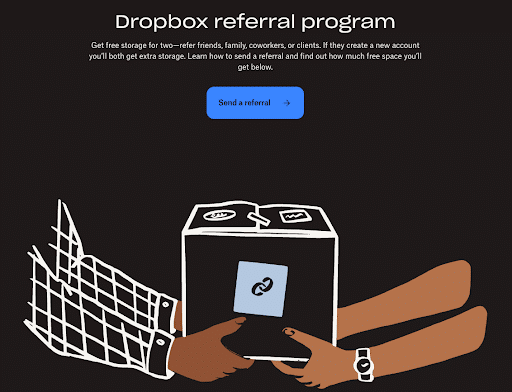
Another brand succeeding with customer activation is Dropbox, a cloud-based storage platform that offers free extra storage to users who refer Dropbox to friends, colleagues, family, or others.
The amount of extra storage given to users depends on the referral’s membership tier, with 500 MB offered for Basic signups while Plus members yield an extra 1 GB.
With this program, Dropbox demonstrates how referral programs could encourage more recommendations with a high-value incentive.
Bynder’s Product Demos
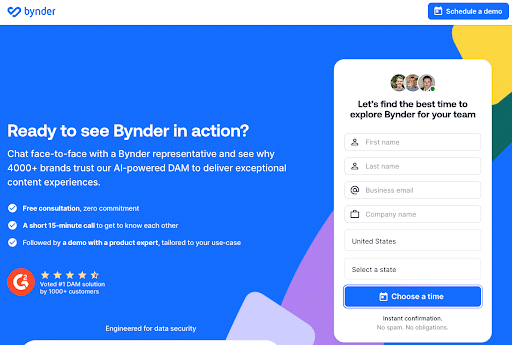
Bynder offers digital asset management solutions for brands to develop content experiences that connect with audiences.
To give users a feel for the platform, Bynder provides free product demos based on the user’s schedule, involving meeting with a Bynder representative to discuss all of the features relevant to the user’s specific use case.
Bynder’s product demo offer illustrates how brands could give audiences a chance to try a product while addressing the individual’s unique pain points or application.
Spotify Wrapped
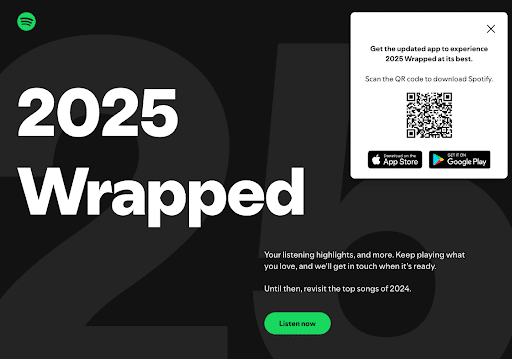
Spotify is an extremely popular music streaming platform for many reasons, one of which is its signature Spotify Wrapped feature.
At the end of every year, users can see a summary of the metrics accumulated over the course of the year, including the songs, genres, and artists they listened to most.
In addition to an interactive experience allowing users to explore their personalized user data in an engaging way, Wrapped is shareable on social media platforms to connect with the user’s audiences and potentially attract new ones.
Spotify shows how brands could use personalized data to craft a fun experience tailored to each individual, maximizing engagement.
Measure Your Customer Activation Efforts
Knowing if your activation strategies are working is crucial. It’s like baking a cake; you need to taste it to see if it’s delicious. So, how do you measure the success of your customer activation efforts?
Key Metrics
To really understand if your activation efforts are paying off, you need to track some key numbers. Let’s take a look at a few:
- User Engagement: This includes metrics like daily active users (DAU), weekly active users (WAU), and monthly active users (MAU). You also want to look at session length, page views, and feature usage. These metrics show how involved your users are with your product.
- Conversion Rates: Track how many users complete specific actions, like signing up for a newsletter, starting a free trial, or making a purchase. These numbers reveal how effectively your onboarding process is converting users into paying customers.
- Customer Satisfaction: Measure customer satisfaction through surveys, net promoter score (NPS), and customer support tickets. Happy customers are more likely to become loyal advocates.
- Churn Rate: Keep an eye on how many customers are canceling their subscriptions or stopping using your product. A high churn rate indicates problems with activation or overall customer satisfaction.
Tools and Platforms
To track all these numbers, you’ll need the right tools. There are plenty of analytics platforms out there that can help you measure user behavior and engagement. Some popular options include:
Userpilot
Userpilot helps you create a warm welcome for new customers. Imagine giving them a personal tour of your product, highlighting the coolest features, and gently nudging them to try things out.
Key features:
- Personalized onboarding: Tailor the welcome experience for different customer types.
- In-app guidance: Show users the ropes with helpful hints and tips.
- Feature spotlights: Highlight your product’s best bits.
- User behavior tracking: See how well your onboarding is working.
- Price: Starting at $249/month

Hotjar
Hotjar is like having a detective on your team. It helps you uncover the mysteries of your customer’s behavior. By watching how people use your product, you can spot areas for improvement and create a better experience.
Key features:
- Heatmaps: See where people click and hover on your website.
- Session recordings: Watch real people use your product.
- Customer feedback: Hear directly from your users.
- Price: Free plan available, paid plans starting at $32/month

Appcues
Appcues helps you create interactive walkthroughs and guides to help customers explore your product. Think of it as a personal assistant who can show people the ropes.
Key features:
- In-app walkthroughs: Guide users through your product step-by-step.
- Personalized experiences: Tailor the experience based on user behavior.
- Easy-to-use builder: Create guides without needing to code.
- Price: Starting at $249/month

Intercom
Intercom helps you build strong relationships with your customers by providing excellent support. Happy customers are more likely to stick around and become loyal fans.
Key features:
- Live chat: Offer real-time support to your customers.
- Chatbots: Automate common questions and free up your team.
- Customer messaging: Send targeted messages to specific customer groups.
- Price: Starting at $39/month
Remember these tools are just the beginning. The best approach is to combine them to create a powerful lifecycle marketing activation strategy. And don’t forget, the most important tool in your arsenal is understanding your customers. Listen to their feedback, watch how they use your product, and keep iterating to create an amazing experience.

Best Practices for Successful Customer Activation
Customer activation is more than just getting people to sign up; it’s about helping them discover the value of your product and making them feel like they made the right choice. Let’s dive into some best practices to help you achieve this.
Personalization and Segmentation
Every customer is unique, and so should your approach to activation. Personalization is key to making a real connection. By tailoring your messages and experiences to specific customer segments, you can increase user engagement and drive conversions.
Think about your audience. What are their needs, interests, and goals?
Action Item: Divide your customers into groups based on factors like demographics, behavior, or purchase history. Then, create targeted activation campaigns for each segment.
For example, you could offer different onboarding experiences for new customers based on their chosen product plan.
Consistency Across Channels
Your customers interact with your brand through various channels – email, social media, in-app messages, and more. It’s important to maintain a consistent message and brand voice across all these touchpoints. This helps build trust and reinforces your brand identity.
Imagine a customer receives a personalized email with a special offer, only to be greeted by a generic message on your website. This inconsistency can create a negative experience. By ensuring a cohesive message across all channels, you create a seamless customer journey.
Continuous Improvement
Customer activation is an ongoing process, not a one-time event. It’s essential to continually test, analyze, and refine your strategies. What worked yesterday might not work tomorrow.
Pay attention to your customer feedback. What are they saying about their experience? Are there any pain points or frustrations? Use analytics to track key metrics and identify areas for improvement. By making data-driven decisions, you can optimize your activation efforts and achieve better results.
By focusing on personalization, consistency, and continuous improvement, you can create a thriving customer base.
Reach Your Full Potential with Ignite Visibility
Mastering customer activation, lifecycle marketing, and activation strategies can feel overwhelming. But it doesn’t have to be. With the right approach, you can transform casual customers into loyal advocates.
Ignite Visibility can help you unlock the full potential of your audience. Our team of experts can guide you through:
- Developing a robust lifecycle marketing activation strategy
- Implementing personalized and engaging lifecycle marketing campaigns
- Measuring and optimizing your activation efforts
Ready to take your business to the next level? Contact us today!